
The reclining Buddha
About 42 metres in the open air.
Gary Todd from Xinzheng, China — CC0 · Gary Todd from Xinzheng, China — CC0 · Gary Todd from Xinzheng, China — CC0 · LuceSoleil — CC BY-SA 4.0
A huge open-air reclining Buddha, about forty-two metres long, built of brick and covered in stucco, lying on its side with its head resting on a lotus flower, amid the ruins of an old temple west of the historical park. Around it stand remains of pillars and a prang from the Ayutthaya era. The original temple was destroyed with the city in 1767, leaving the statue in the open, and it was restored in the twentieth century. Today visitors and worshippers sometimes drape it in a long orange cloth, making it striking from afar against the green grass. Entry is free and it is always open, with no facilities beyond small stalls near the entrance. Respect is expected, so do not climb on the statue. The visit is short, a quarter of an hour for photographs, best in morning or late-afternoon light. It is near Wat Phra Si Sanphet, so it fits easily into a bike tour of the historical park.
About 42 metres in the open air.
Sometimes draped over the statue.
No ticket and always open.
West of the historical park, old-city island
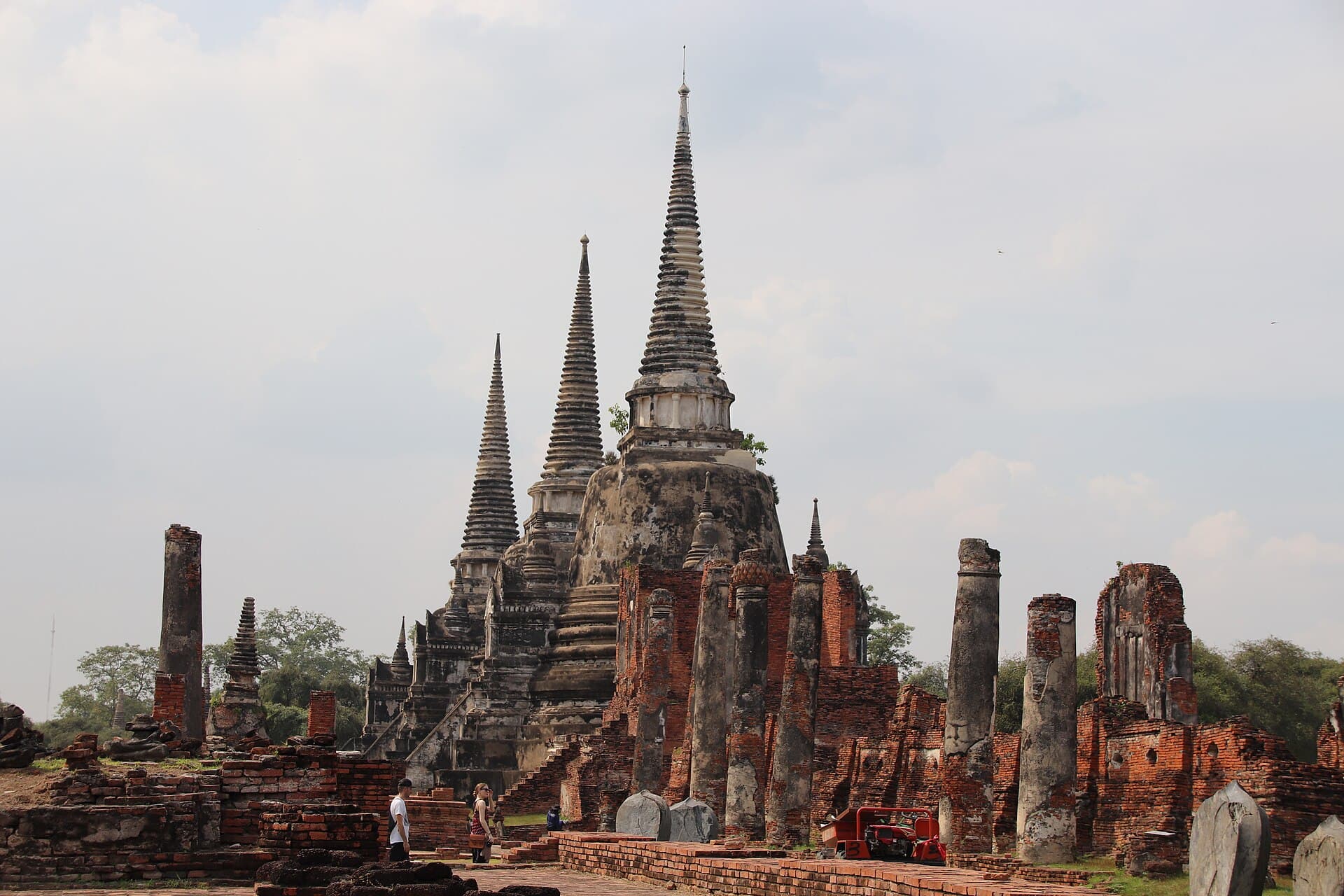 Wat Phra Si SanphetAyutthaya's most important and most photographed temple: it was the royal temple8 minutes walk
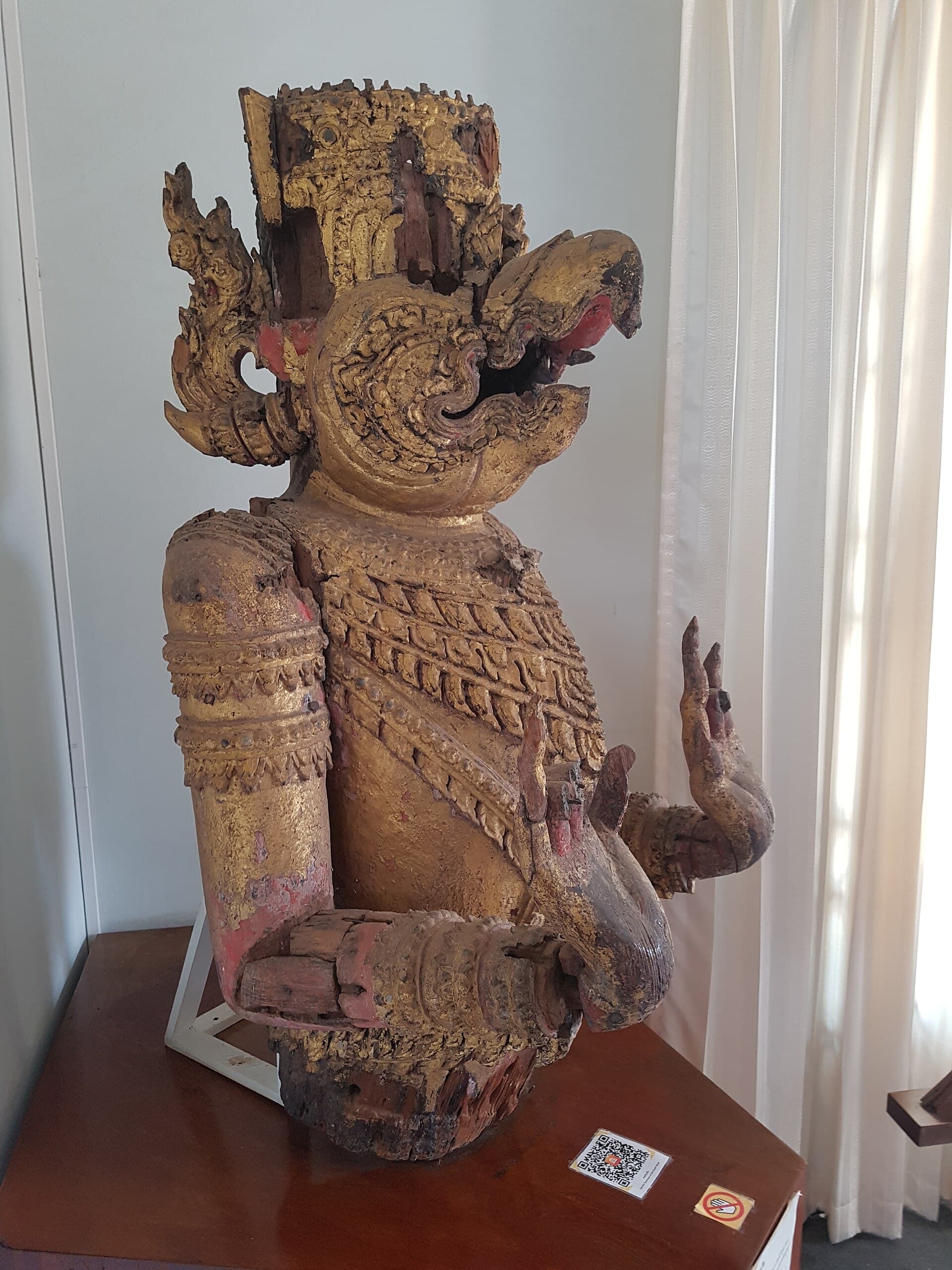 Chao Sam Phraya National MuseumAyutthaya's most important museum, holding treasures found in the city's ruins, 14 minutes walk
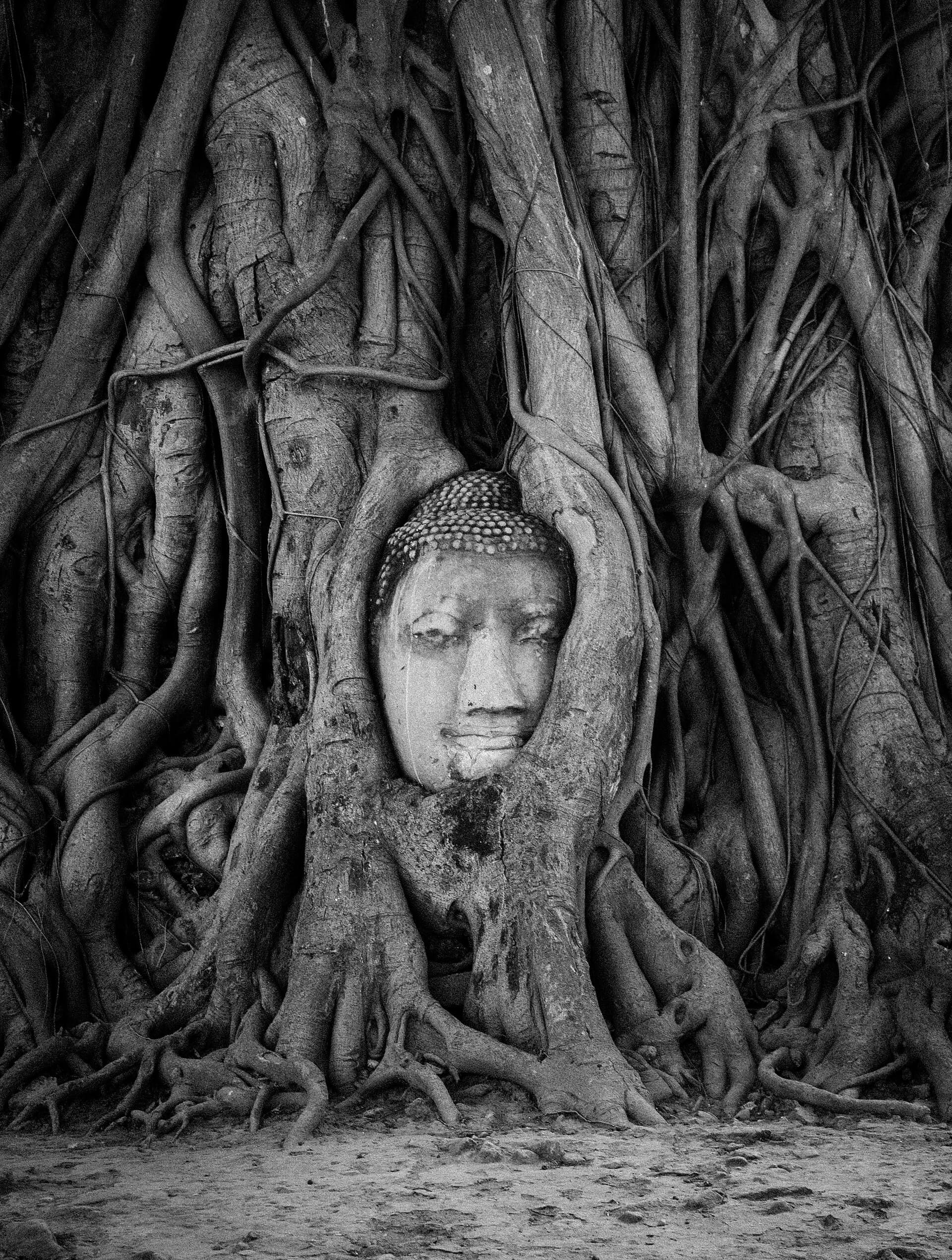 Wat Mahathat (Buddha Head in the Tree Roots)One of Ayutthaya's most important ruins; Ayutthaya was the capital of the Siames21 minutes walk
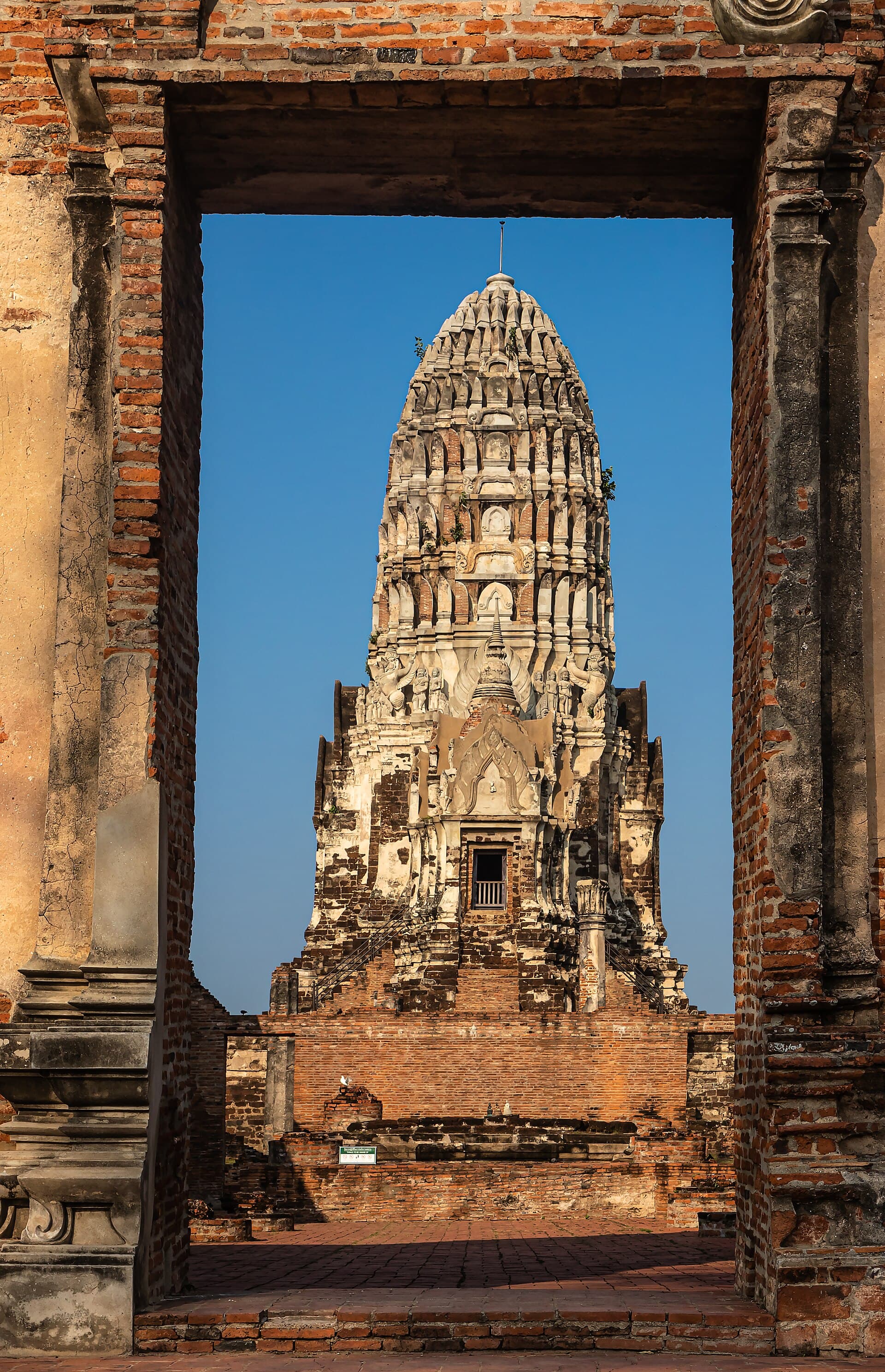 Wat RatchaburanaA temple built by King Borommarachathirat II in 1424 on the cremation site of hi21 minutes walk
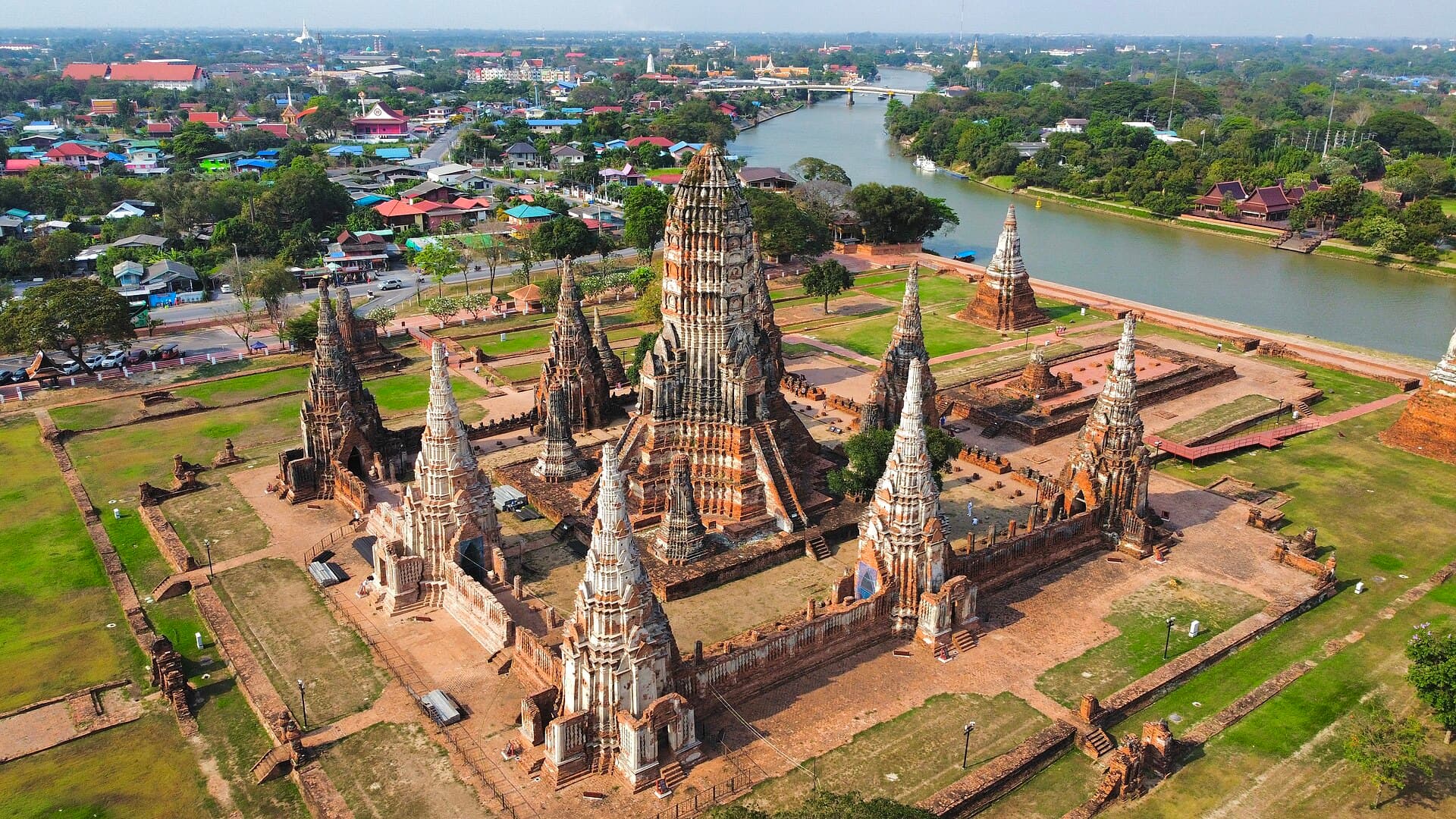 Wat ChaiwatthanaramOne of Ayutthaya's loveliest and most intact ruins, on the west bank of the Chao22 minutes walk
Yes: it is close, free and quick, and the giant open-air statue is a different sight from the ruined temples. A quarter of an hour is enough.