
The Advent calendar
An early twentieth-century printing innovation, not the ancient custom people assume.
Ewald Ehtreiber — CC BY-SA 4.0 · Ewald Ehtreiber — CC BY-SA 4.0 · Ewald Ehtreiber — CC BY-SA 4.0 · Balou46 — CC BY-SA 4.0
A private museum on Mozartplatz in the heart of the old town, showing a collection of Christmas decorations and objects from the nineteenth and twentieth centuries. The collection holds old Advent calendars, nativity cribs, tree ornaments in glass, wax and tin, greetings cards, toys and printed material. Most of it is German and Austrian in origin, and that matters: many Christmas traditions that spread worldwide — the decorated tree, the Advent calendar, the form of the greetings card — took shape in exactly this region in the nineteenth century and were then exported. That is the useful way to read the museum: not seasonal nostalgia but a history of manufacture and custom. Glass ornaments, for instance, were a whole village industry in particular districts, and the Advent calendar was a printing innovation of the early twentieth century. Practical points: it is open year-round rather than only in season, although visiting in December alongside the Christmas markets in the neighbouring squares gives it a different context. The location is entirely central on Mozartplatz. The visit is under an hour.
An early twentieth-century printing innovation, not the ancient custom people assume.
A whole village craft in particular districts before it became factory work.
Read it as a history of manufacture and custom and the visit gets far richer.
Mozartplatz, Salzburg
 Cathedral Excavations MuseumAn underground museum on Residenzplatz showing what was uncovered in excavations1 minute walk4.8
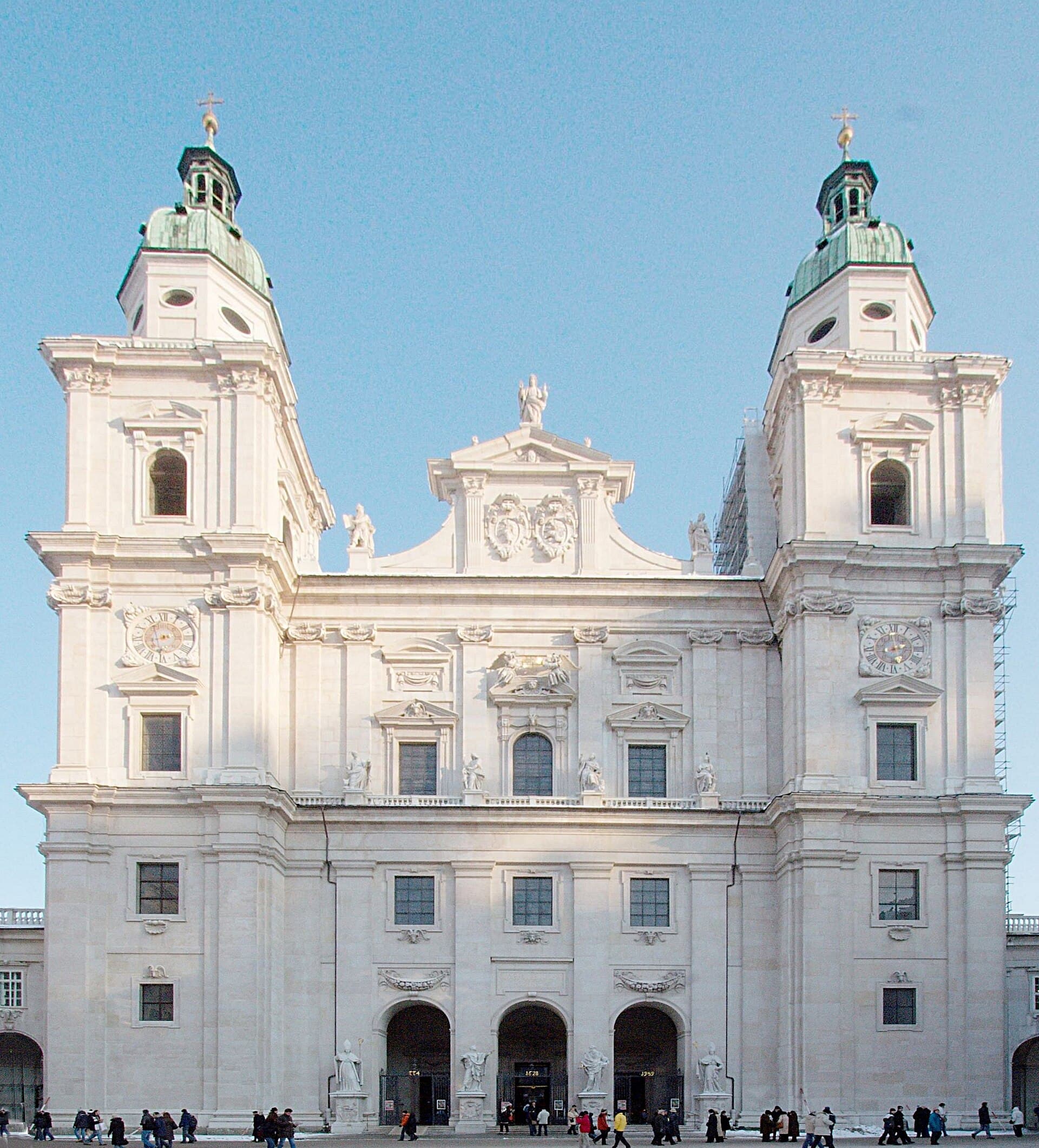 Salzburg CathedralSalzburg Cathedral is the first great baroque north of the Alps: rebuilt by Ital1 minute walk4.6
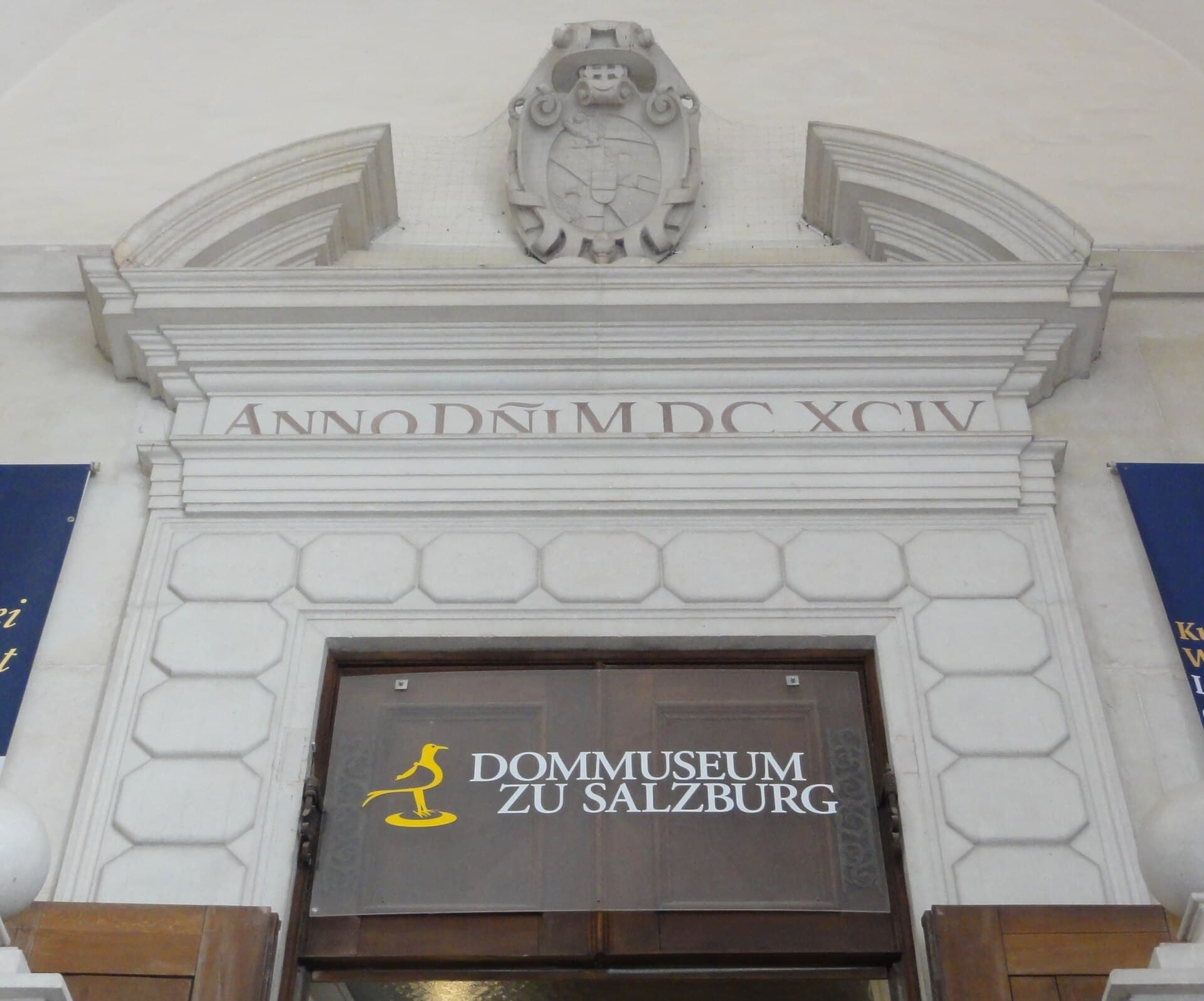 Cathedral MuseumA museum inside Salzburg cathedral showing the archdiocese's treasures and holdi2 minutes walk4.8
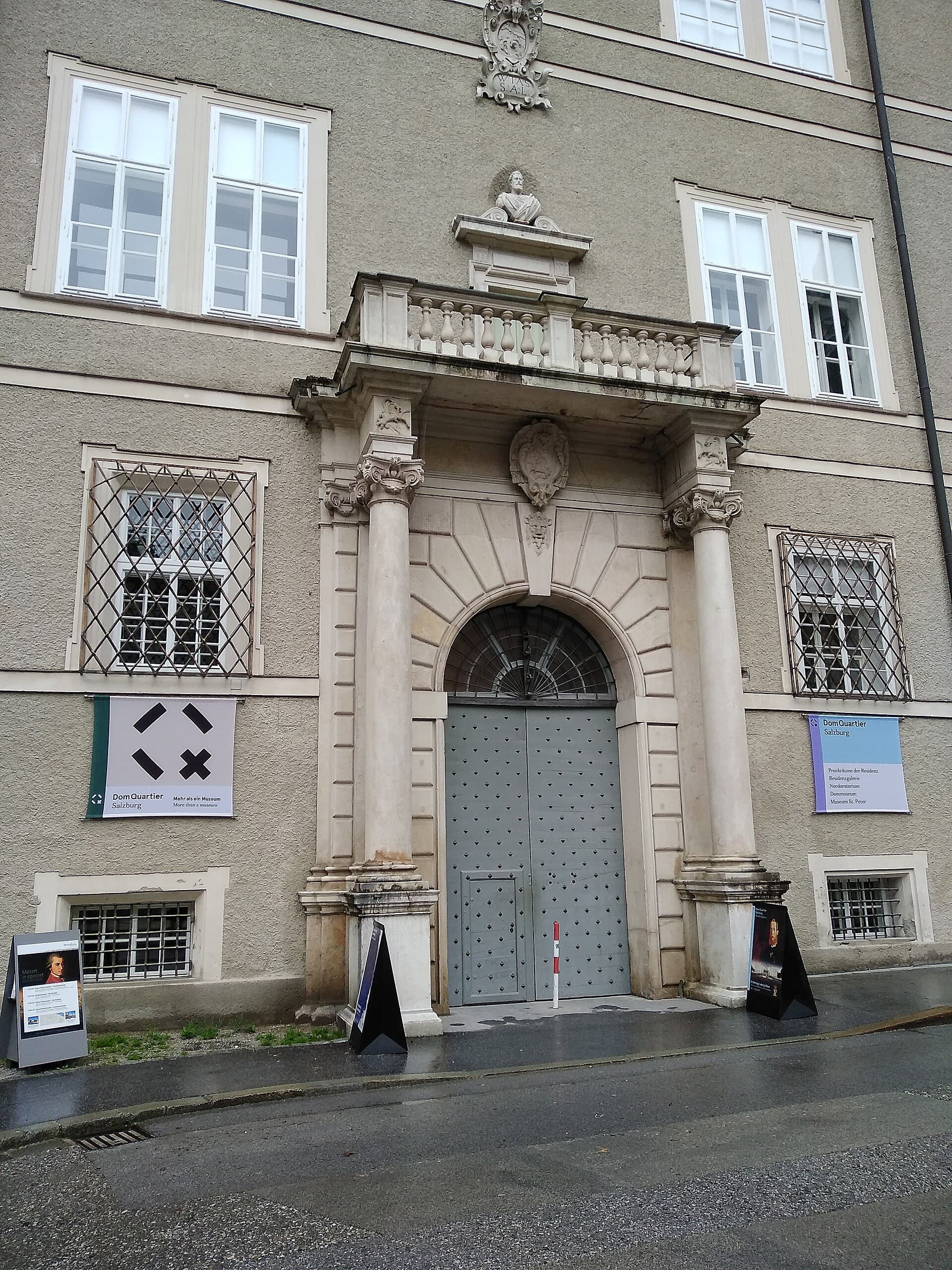 DomQuartierThe DomQuartier is Salzburg's palace of power opened as one circuit: since 2014 2 minutes walk4.7
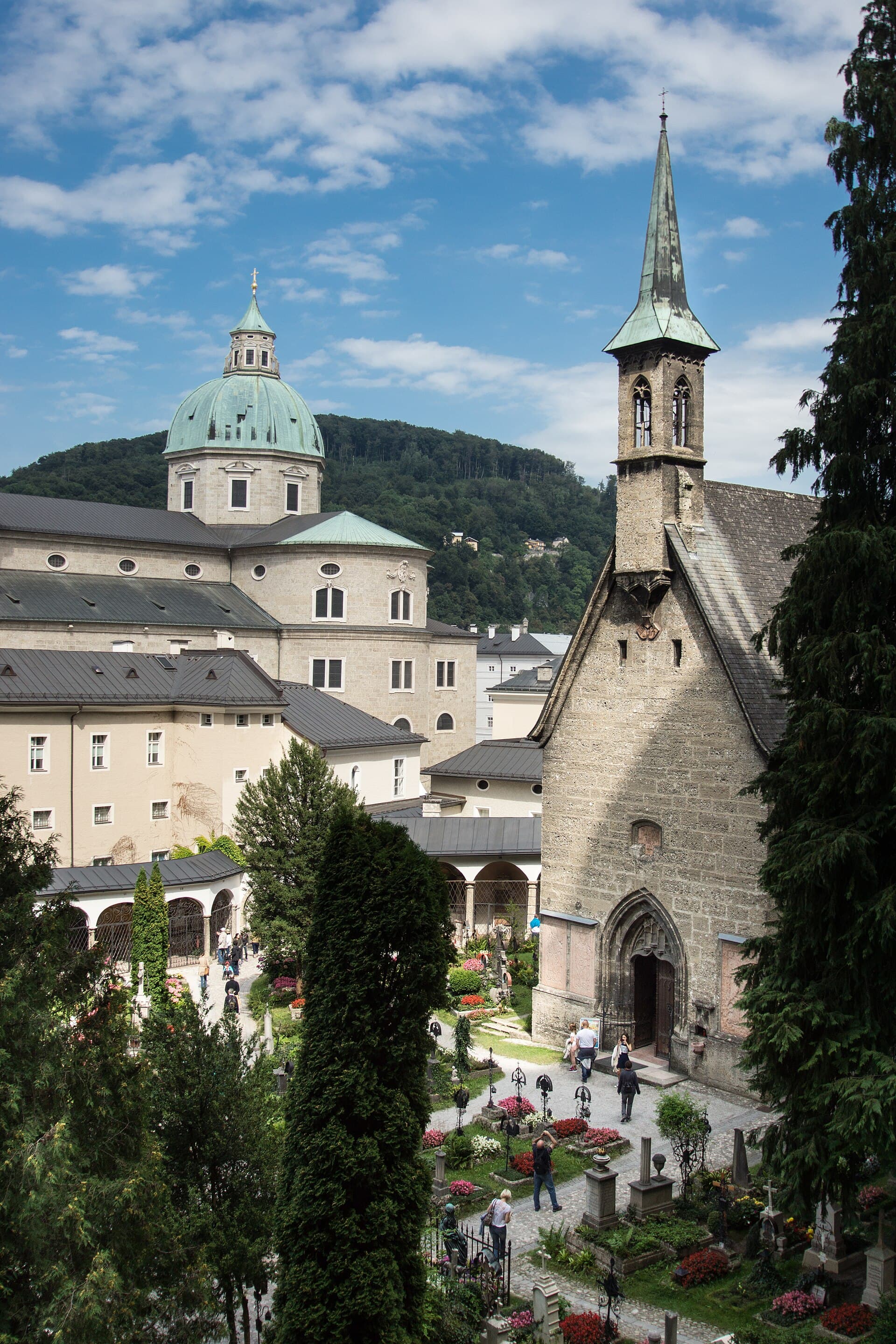 St Peter's Abbey and CemeteryA Benedictine abbey in old central Salzburg, founded in the seventh century and 3 minutes walk4.9
Yes — it is open year-round and the collection is historical rather than seasonal. But a December visit is different: the Christmas markets are running in the neighbouring squares, so you see the tradition alive outside and displayed inside within the same hour.
Yes, and it is among Salzburg's small museums best suited to them: toys, decorations, cribs and small colourful objects, with a short visit that does not outlast their patience. The space is fairly small, so it can get crowded at the December peak.