
The Land Gate
A 1543 triumphal arch carrying the lion of St Mark.
Bernard Gagnon — CC BY-SA 4.0 · lienyuan lee — CC BY 3.0 · Deizenov — CC BY 4.0 · AnatolyPm — CC BY-SA 4.0
Zadar's Venetian walls are inscribed on the UNESCO World Heritage list within the file on Venetian Works of Defence between the 15th and 17th centuries — among the most complete survivals of the fortification system Venice built around the Adriatic after the arrival of artillery. The technical change is the key. High, thin medieval walls became useless against cannon, so the Venetians developed a new pattern: much lower and far thicker walls, with projecting pentagonal bastions allowing fire along the face of the wall at anyone approaching it. Zadar is among the clearest examples of that shift because it faced the Ottomans directly. Its finest element is the Land Gate of 1543 by the architect Michele Sanmicheli: a Roman-style triumphal arch carrying the lion of St Mark, Venice's emblem. The walls can be walked along the waterfront free of charge at any hour, and it is the best evening walk in the city.
A 1543 triumphal arch carrying the lion of St Mark.
Free and open, the best evening stroll.
Old town, 23000 Zadar
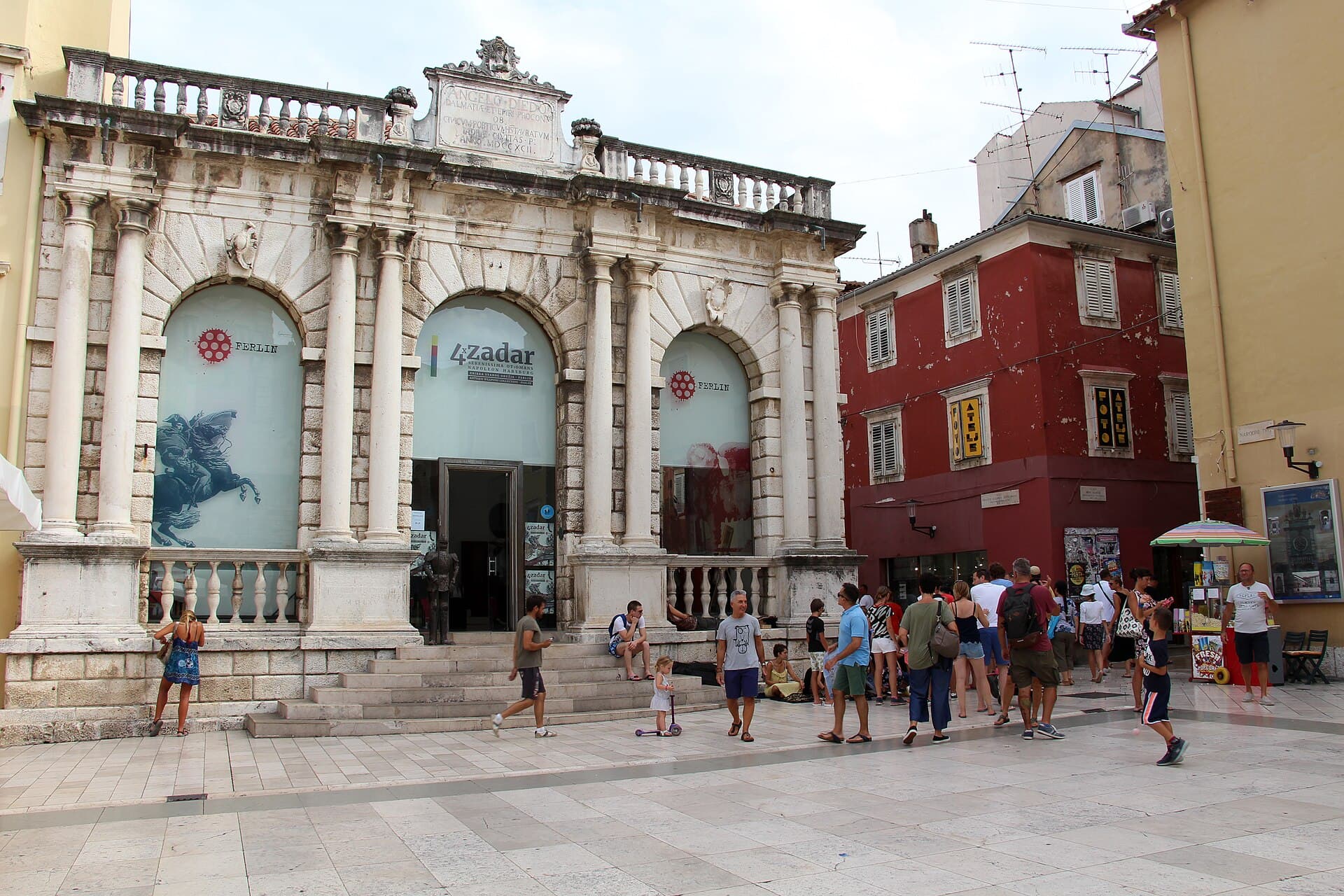 The City LoggiaThe City Loggia stands on Narodni trg, the People's Square, Zadar's administrati2 minutes walk4.1
 Zadar MarketZadar's central market is a genuine daily market inside the old town near the wa2 minutes walk4.4
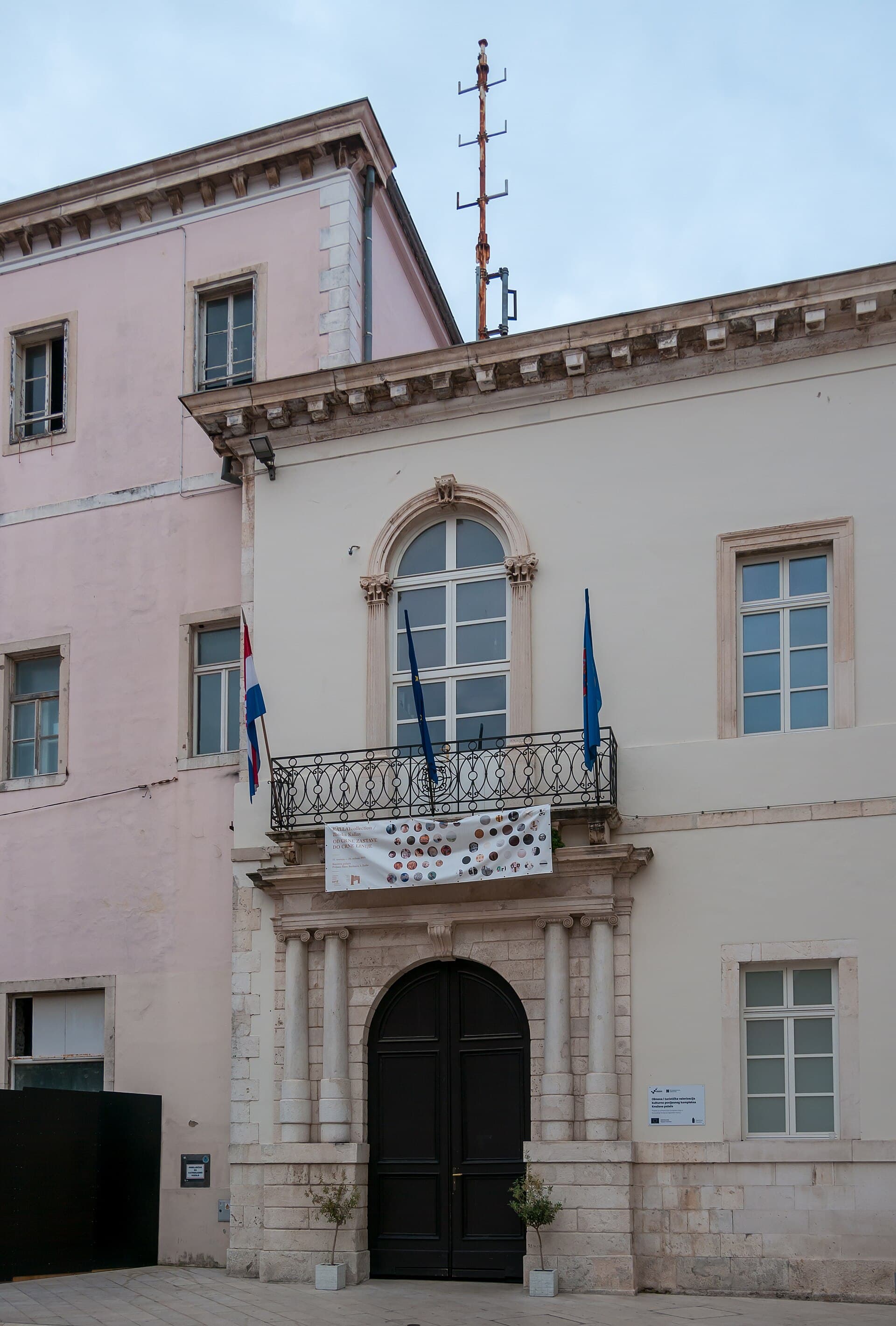 Rector's Palace, ZadarThe seat of Zadar's government through centuries of Venetian rule and after it, 2 minutes walk4.6
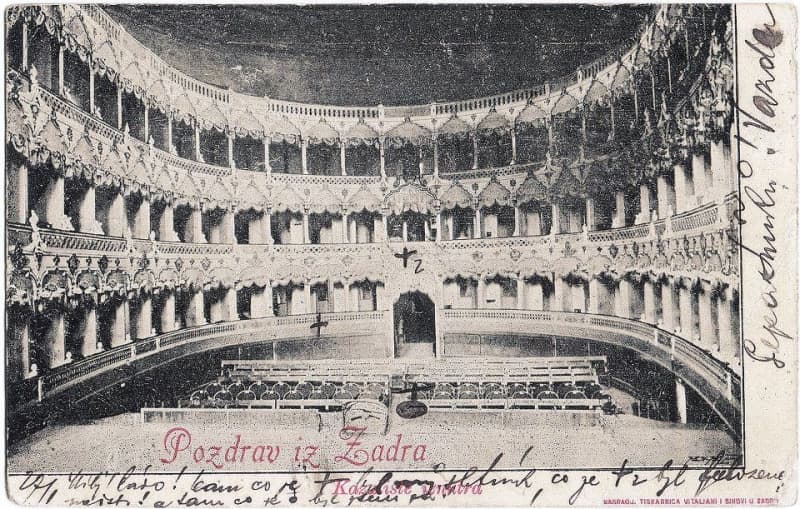 Croatian National Theatre, ZadarA theatre in Zadar's old town, one of the Croatian national theatres, with a his3 minutes walk4.8
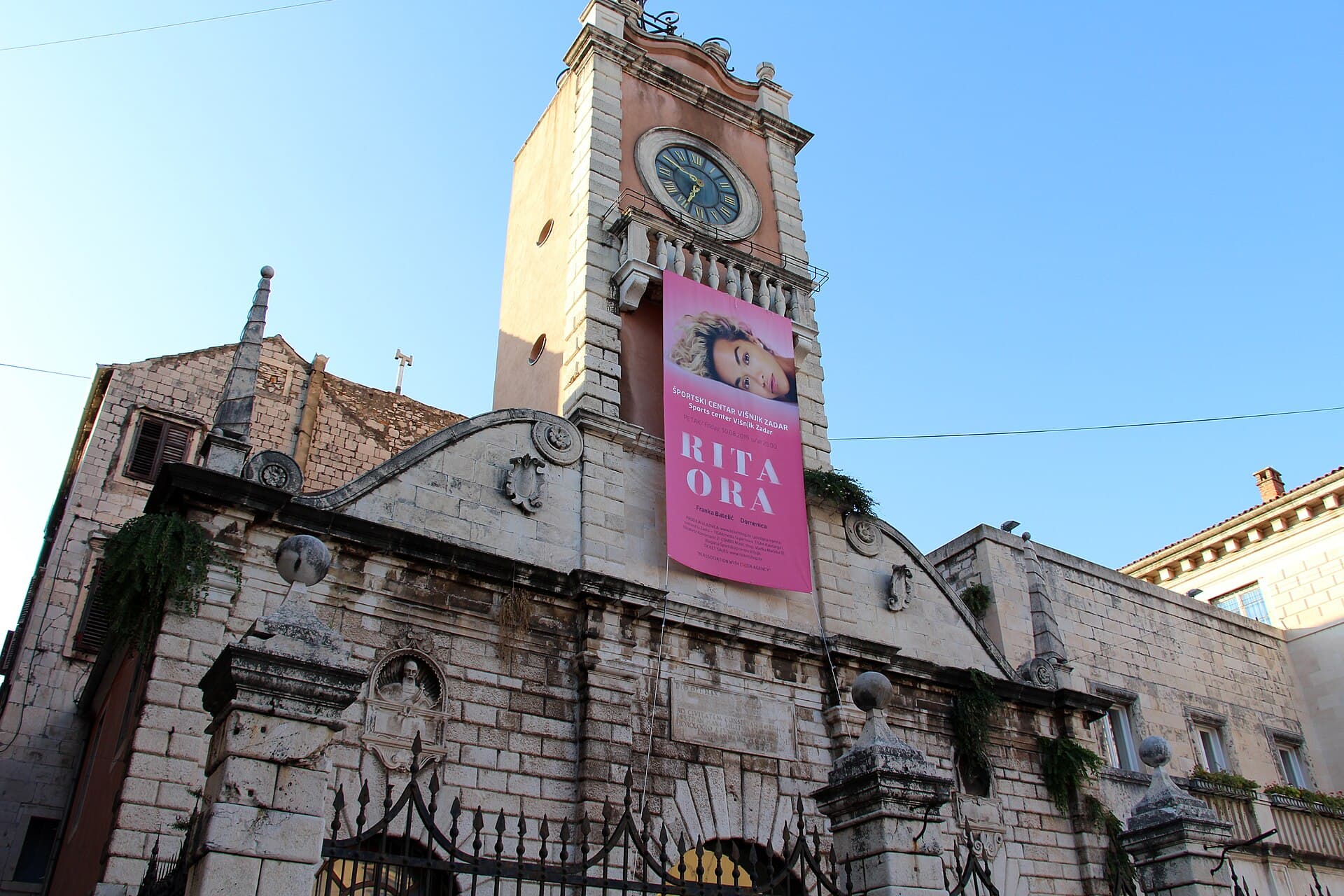 Zadar National MuseumThe national museum in Zadar, an institution of several departments spread acros3 minutes walk4.8
A winged lion holding a book, the emblem of the Republic of Venice, which ruled most of the Dalmatian coast for some four centuries. Carved on a gate or a wall it is a declaration of political ownership: this city is Venetian. You will see it in Zadar, Šibenik, Trogir, Split, Korčula and elsewhere — and sometimes deliberately defaced, where later rulers wanted the Venetian mark erased.