
The robotics section
Working robots you can interact with, alongside honest explanation of their real limits.
Burkhard Mücke — CC BY 4.0 · Matti Blume — CC BY-SA 4.0 · P e z i — CC BY-SA 3.0 · Matti Blume — CC BY-SA 4.0
The Zukunftsmuseum is a modern branch of the Deutsches Museum, opened in 2021 in a new glass building in the old centre of Nuremberg. Its idea differs from an ordinary museum: it does not display the past but asks about the future. The sections cover space, robotics, artificial intelligence, medicine, cities and energy. The exhibits are largely interactive — you try things, press things and talk to machines. The framing is not promotional. Many sections pose hard questions: what happens to jobs under automation, who decides how algorithms work, where the limits of altering the body lie. That makes it good for discussion with teenagers. The museum is new, comfortable and air-conditioned, and among the best wet-day options in Nuremberg, particularly with older children.
Working robots you can interact with, alongside honest explanation of their real limits.
Models and simulations about coming spaceflight and life beyond Earth.
Stations that pose ethical questions rather than hand out answers — the best thing here.
Augustinerstraße 6, 90403 Nürnberg
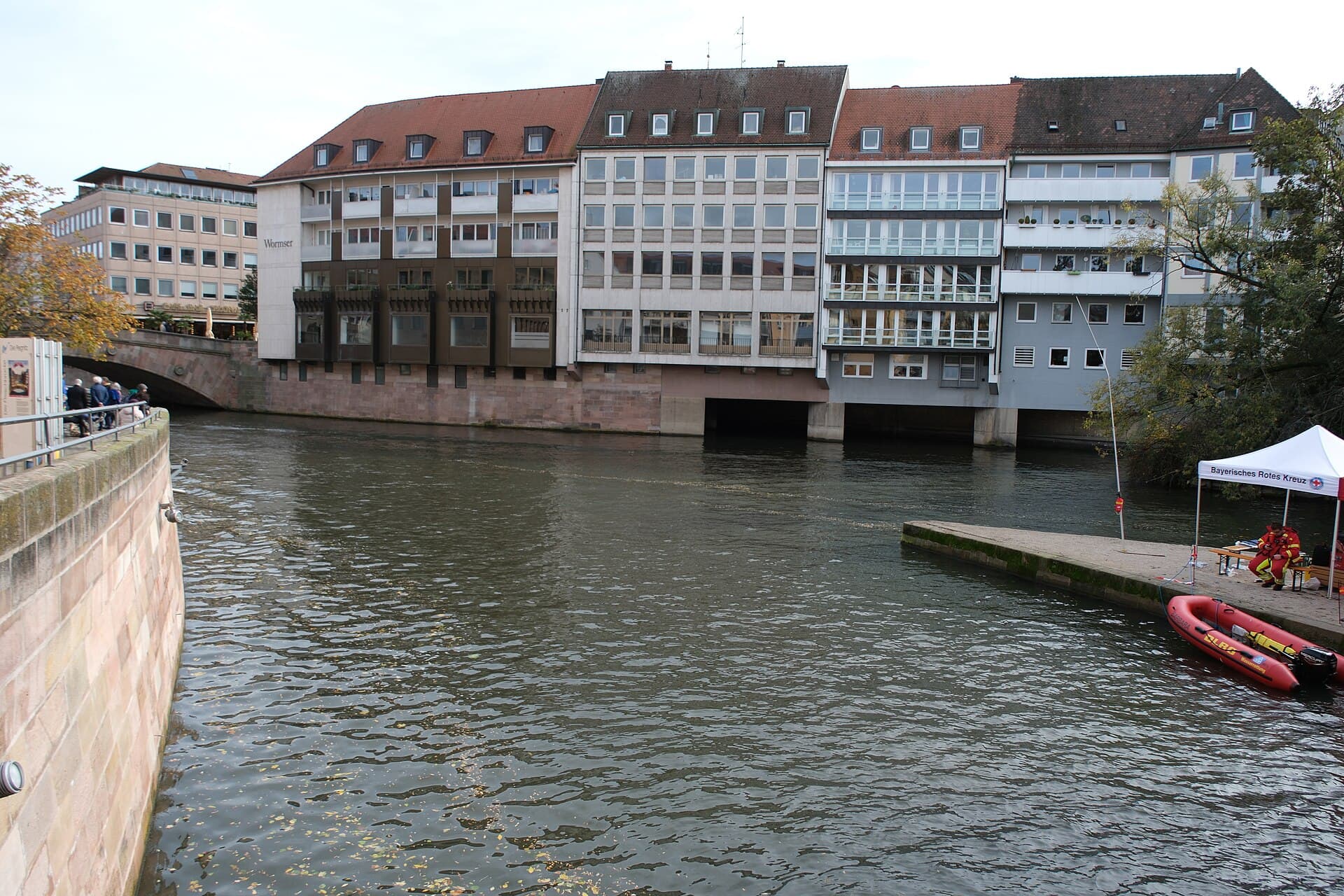 The Old TownNuremberg's old town is ringed by a medieval wall still standing along almost it1 minute walk4.6
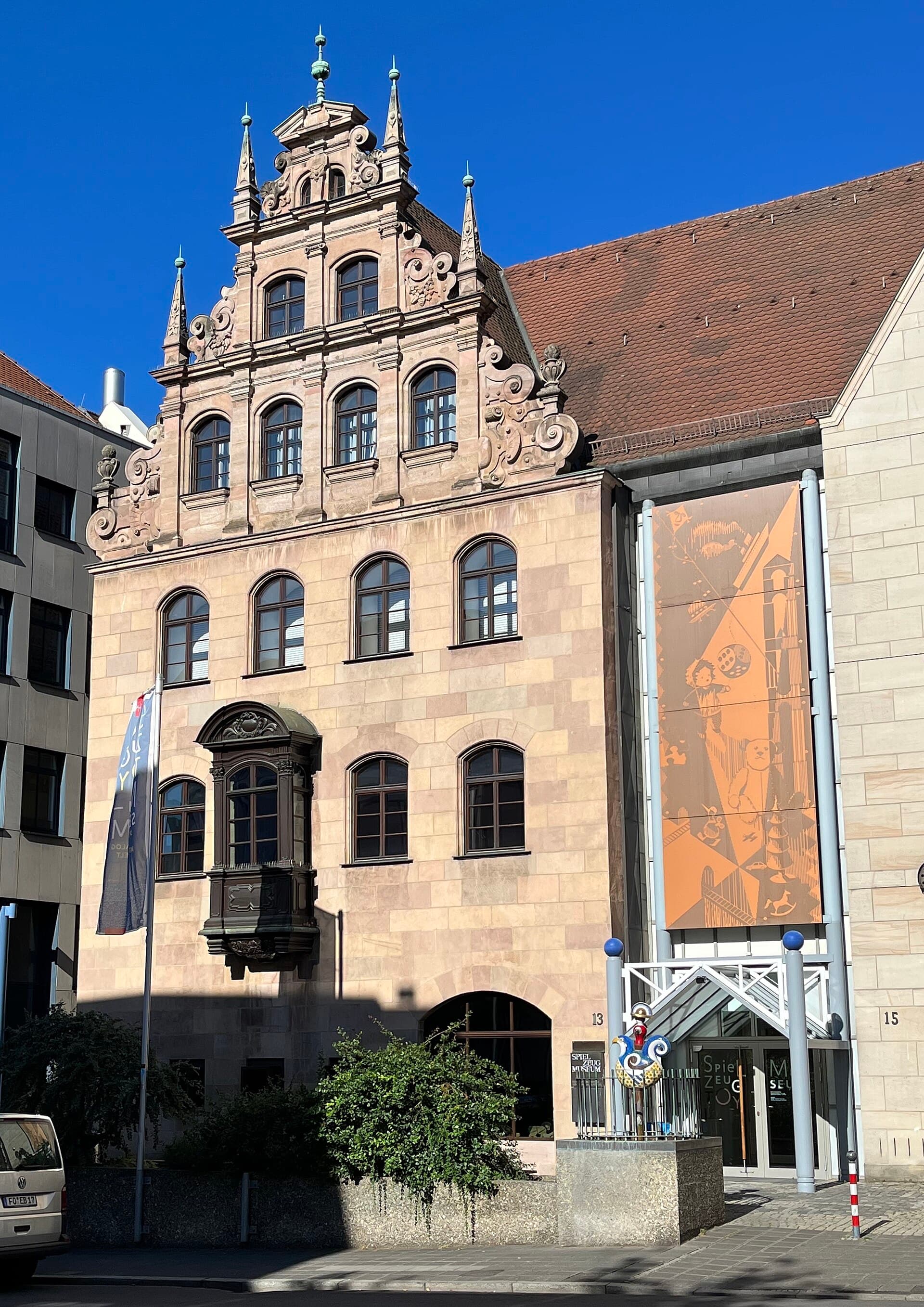 Nuremberg Toy MuseumThe Nuremberg Toy Museum is among the best-known toy museums in the world, and i1 minute walk4.6
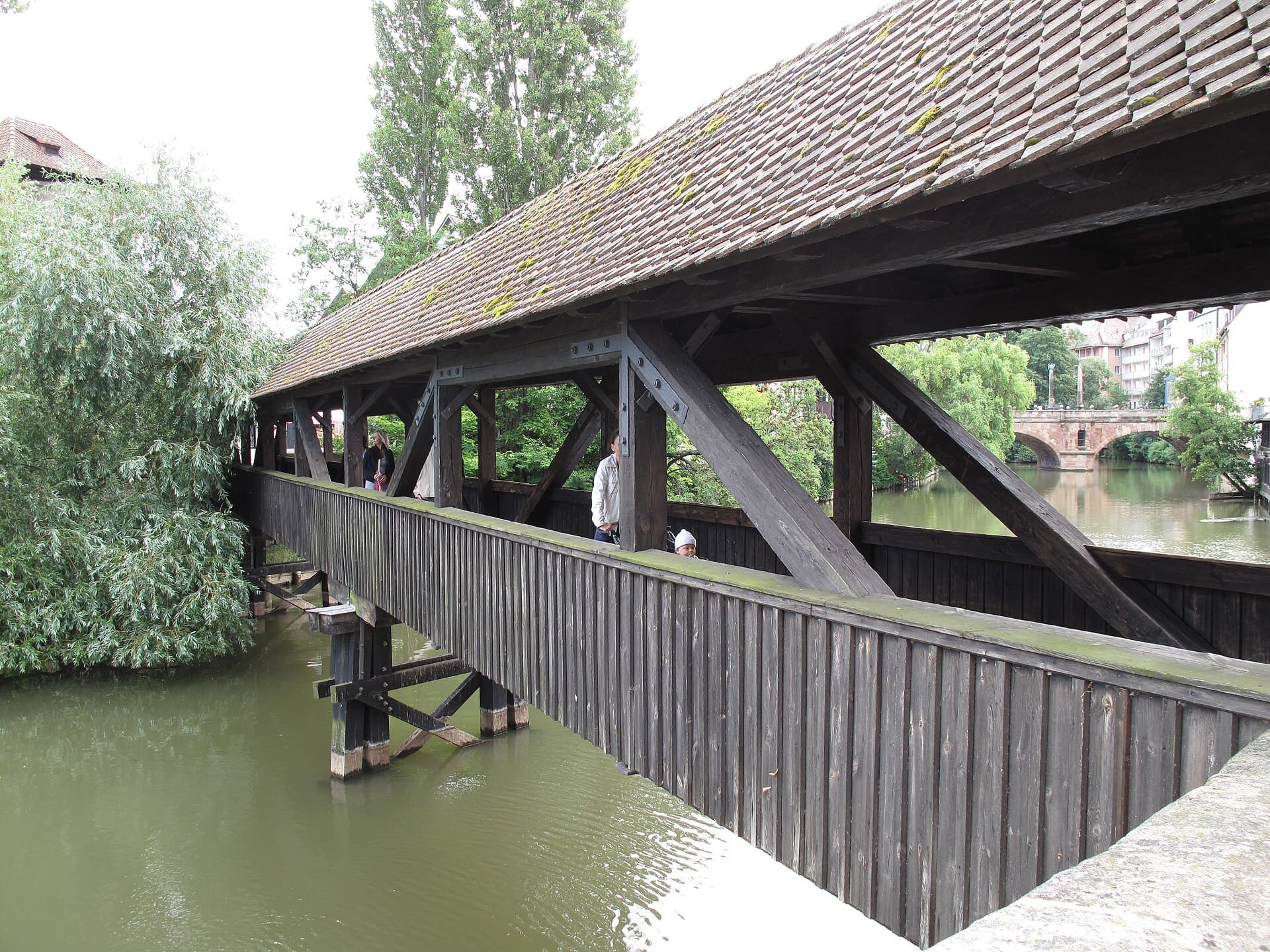 Hangman's Bridge & HouseA covered wooden bridge crosses the Pegnitz to a stone tower and a half-timbered1 minute walk4.9
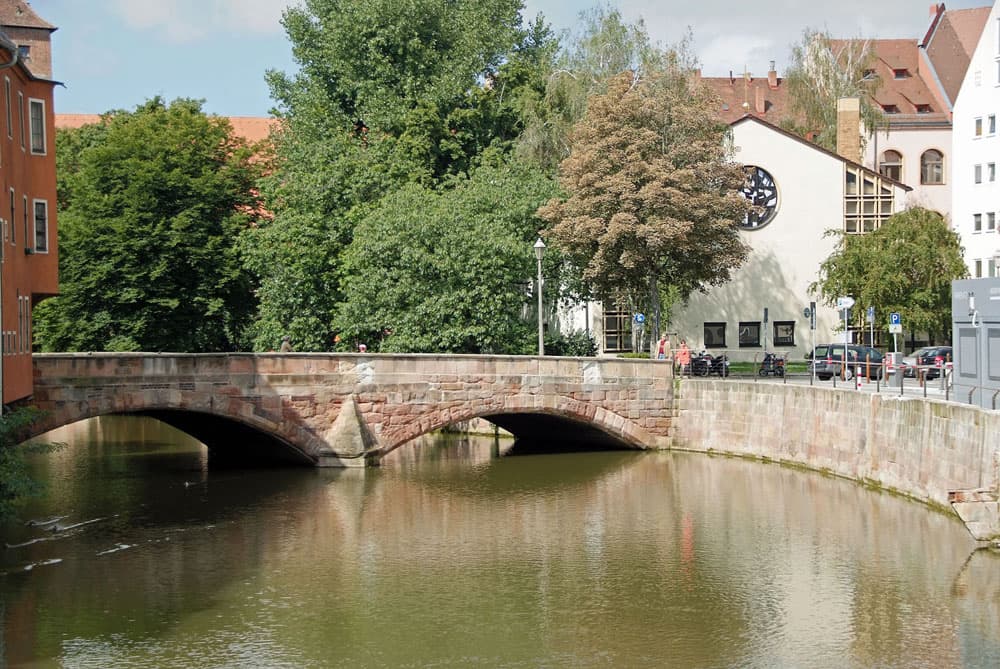 The KarlsbrückeA stone bridge over the Pegnitz in Nuremberg's old town, built in 1728 and named1 minute walk4.8
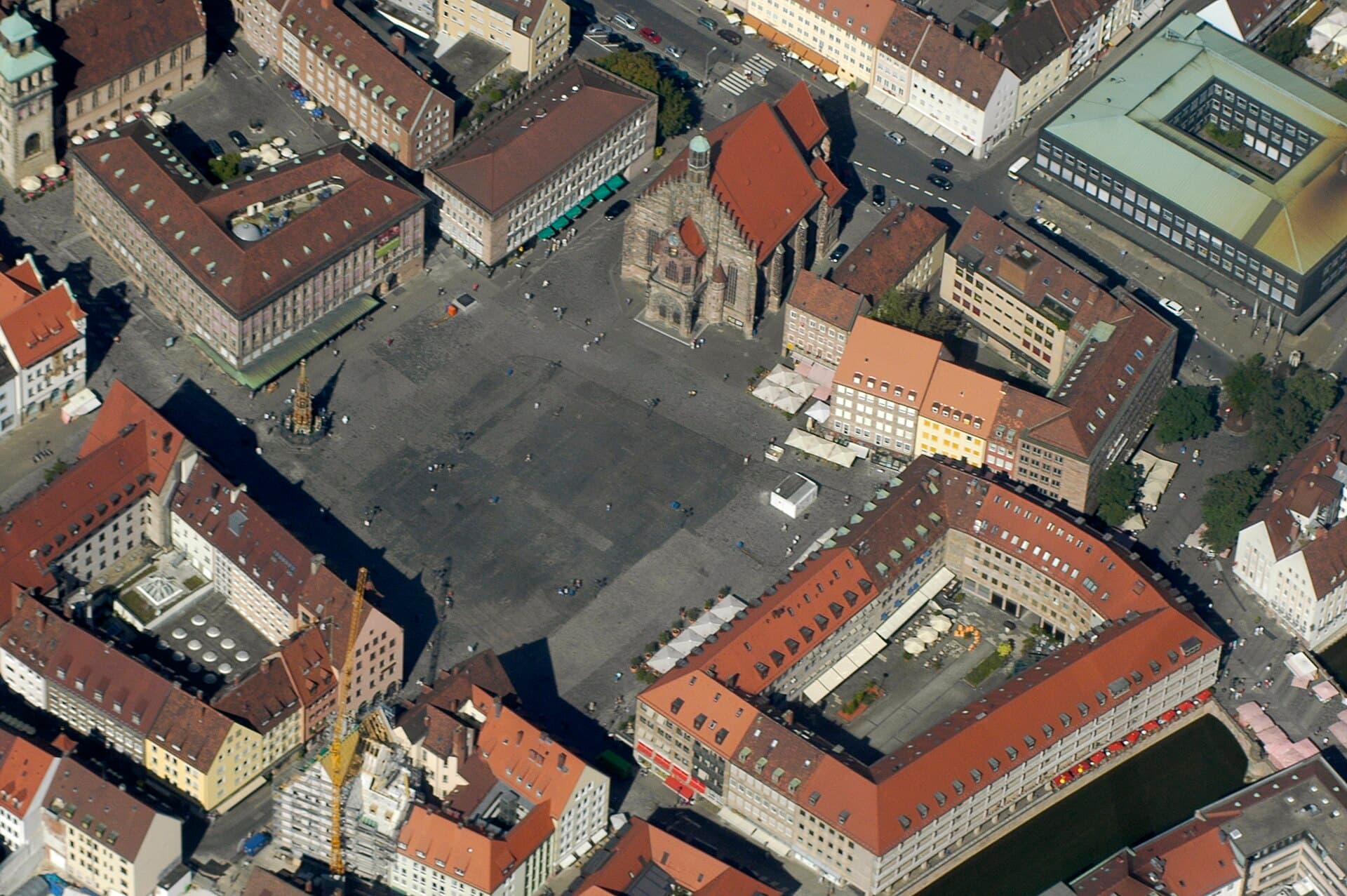 Nuremberg Main Market SquareThe commercial heart of Nuremberg since the middle of the fourteenth century, an2 minutes walk4.5
Older children and teenagers, very much so — nearly everything is hands-on. Very young children will play with the machines without following the content, which is fine but not the point.
Munich shows the history of science and technology with large original exhibits. This branch looks forward, through interactive stations. They are quite different and neither replaces the other.
Yes — panels are in German and English. There is no Arabic. Most interactive stations make sense by trying them, without much reading.