
Scroll to codex
The change that produced the shape of the modern book.
Jan-Tore Egge — CC BY-SA 4.0 · Andreas CC — CC BY-SA 4.0 · Andreas CC — CC BY-SA 4.0 · Andreas CC — CC BY-SA 4.0
A small museum in central Oslo, opened in 2019, whose collection treats the Bible as a **physical object**: how it was copied, carried, printed and translated across two thousand years. That is what makes it interesting to someone who is not Christian. The displays are manuscripts, parchment, early printed editions, copying and binding tools and papyrus fragments, and the story they tell is the story of book technology itself: the move from the scroll to the codex, what printing did to the spread of texts, and what it meant for a book to be translated into a local language for the first time — a political event every time it happened. There is also a section on the translation into Norwegian and into the Sámi language, and what came with it. **Very small** — under an hour — and its entry charge is high relative to its size. It suits someone interested in the history of books and manuscripts more than the general visitor.
The change that produced the shape of the modern book.
A section on rendering the text into the northern indigenous language.
Central Oslo
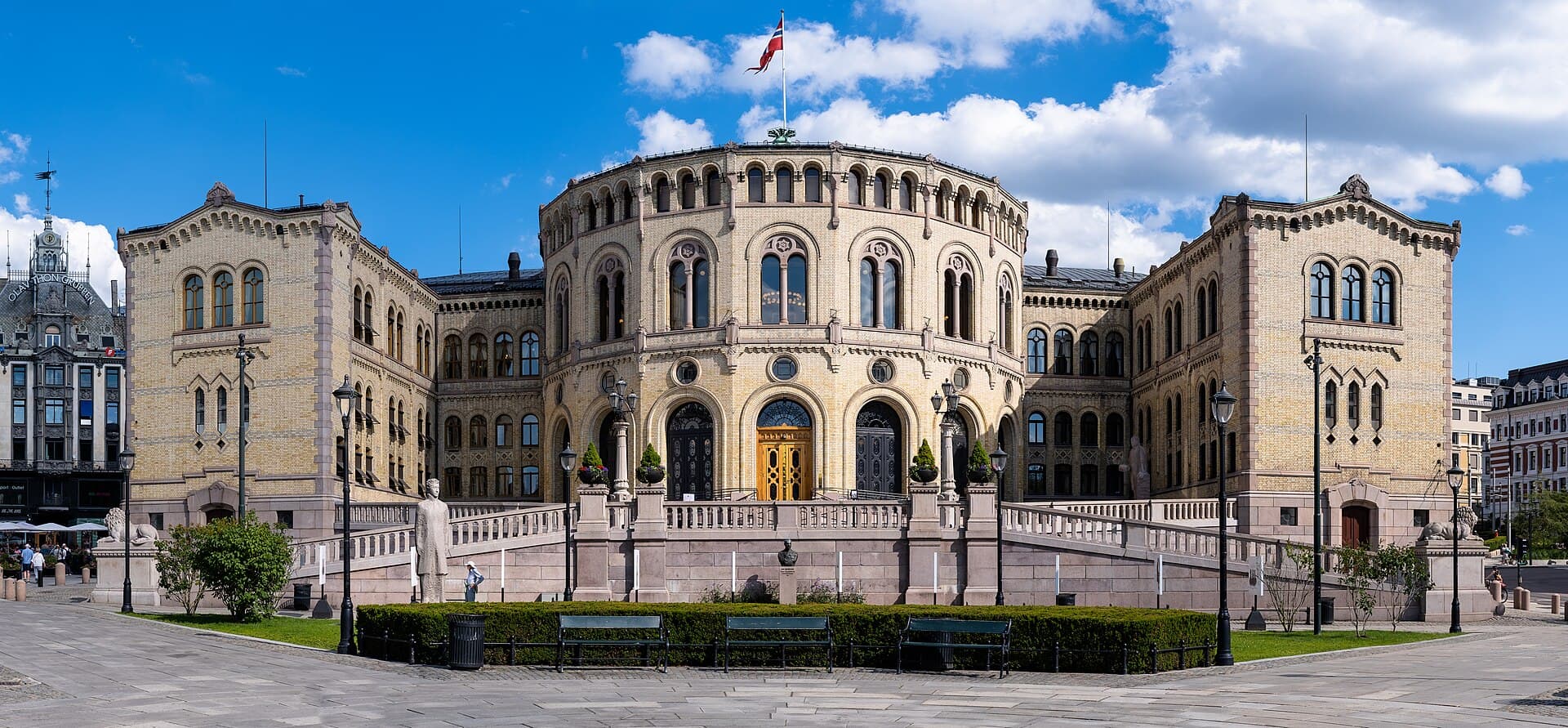 The Storting BuildingThe Storting is the seat of the Norwegian parliament, standing at one end of Kar4 minutes walk4.3
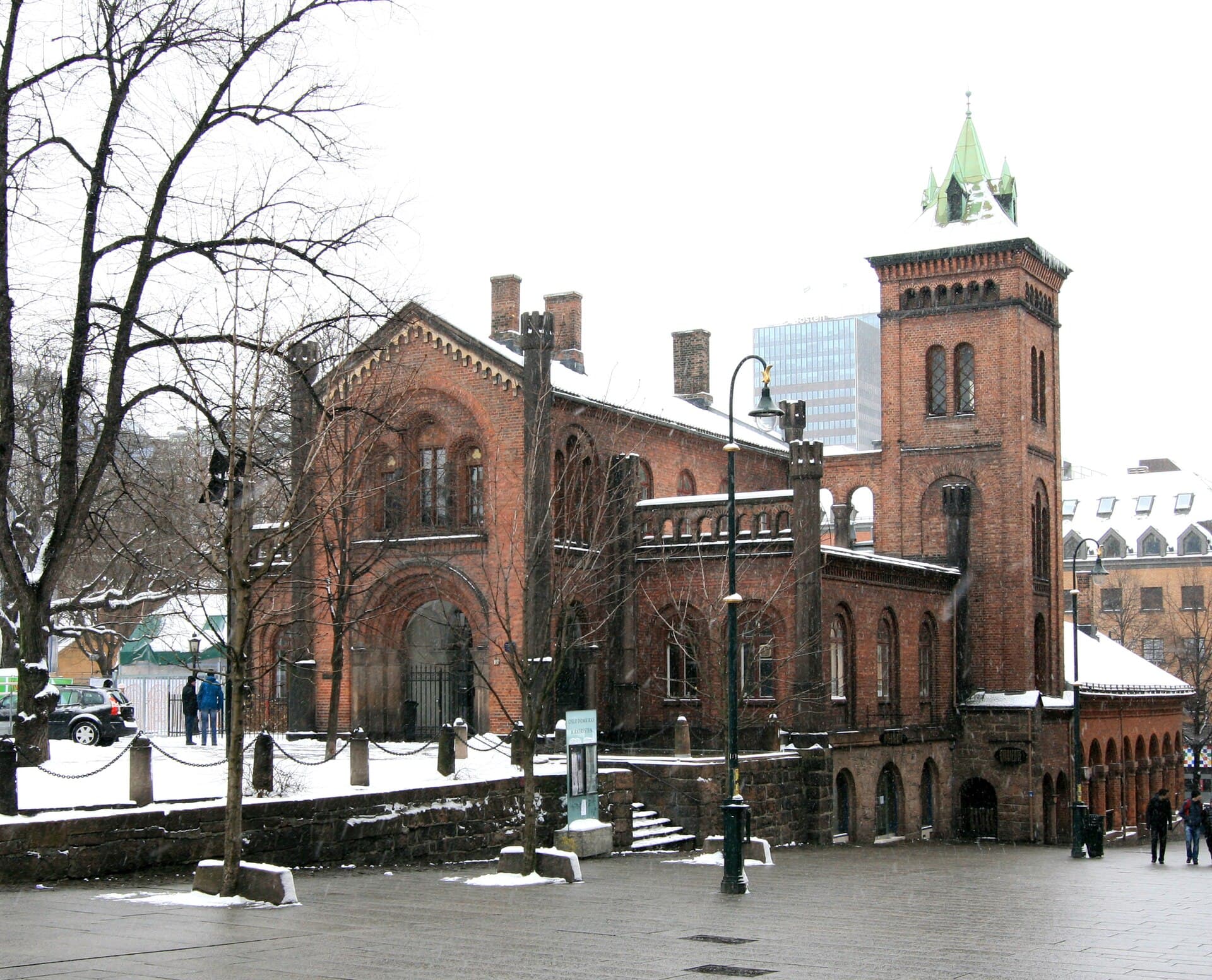 The Old Fire StationA late nineteenth-century fire station building in the Gamlebyen district east o5 minutes walk4.6
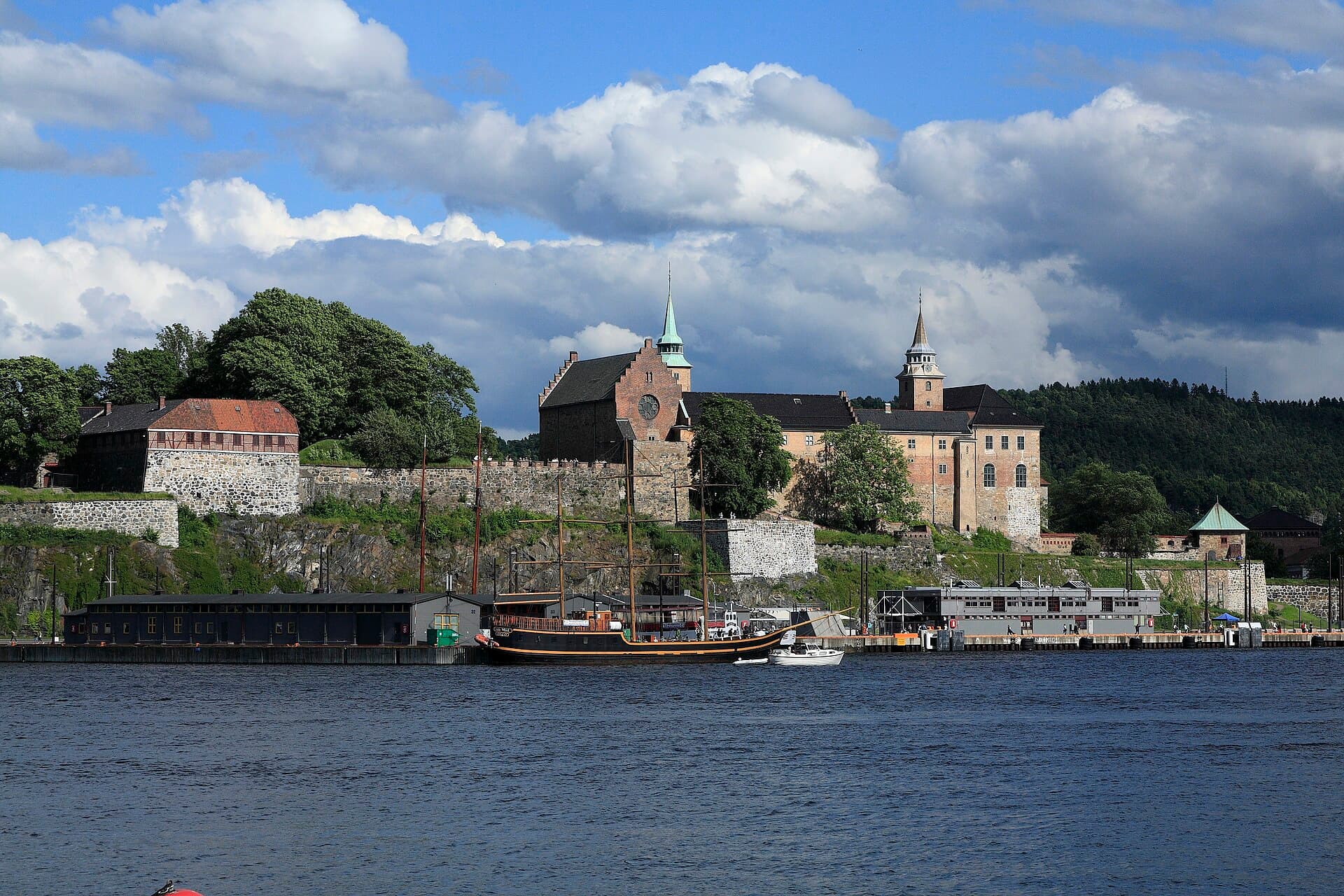 Akershus FortressAkershus is the fortress that guarded Oslo seven hundred years without ever fall6 minutes walk4.4
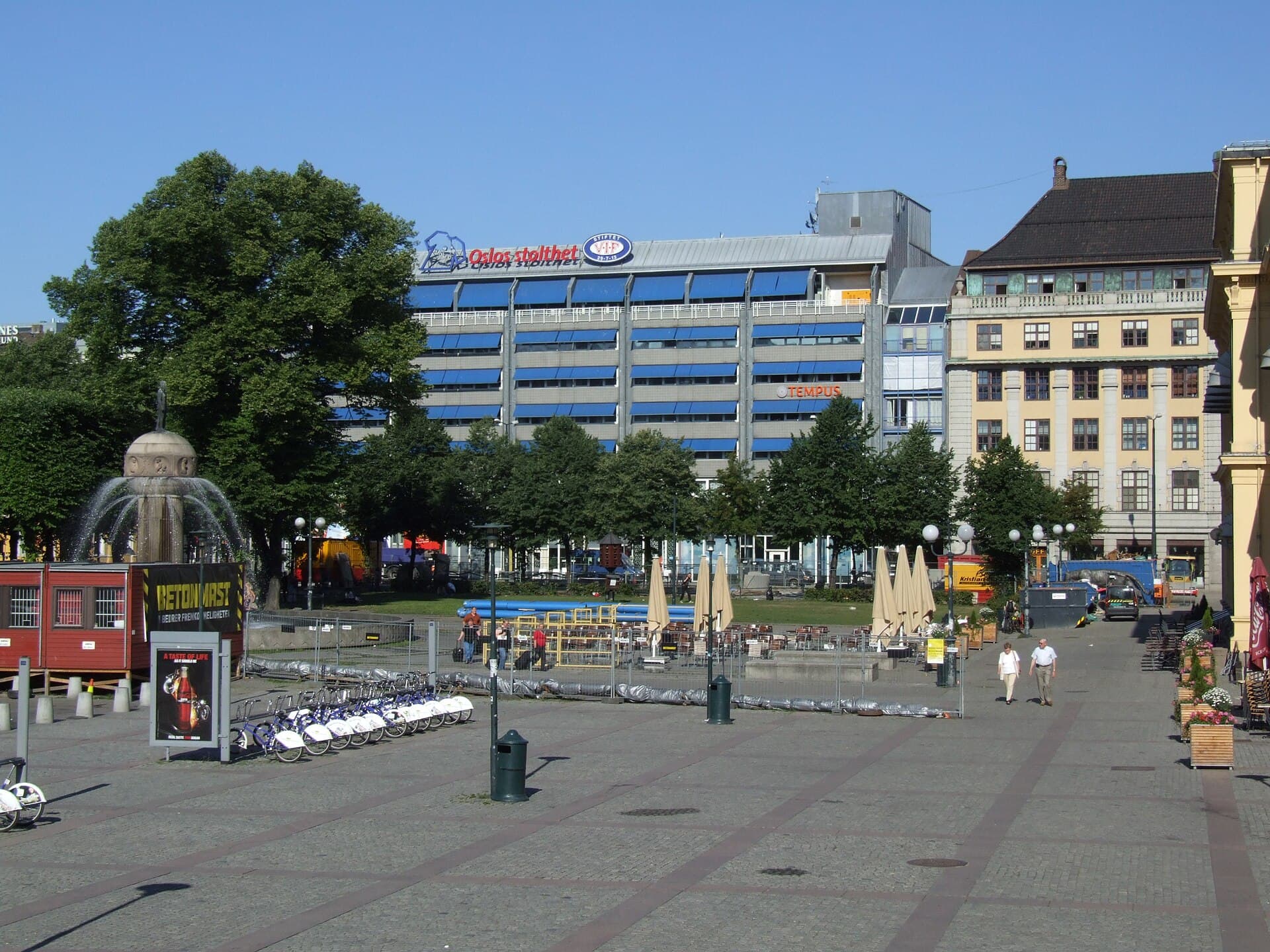 Christian Frederiks plass and the Oslo TigerThe square directly in front of Oslo Central Station carries the sculpture every7 minutes walk4.4
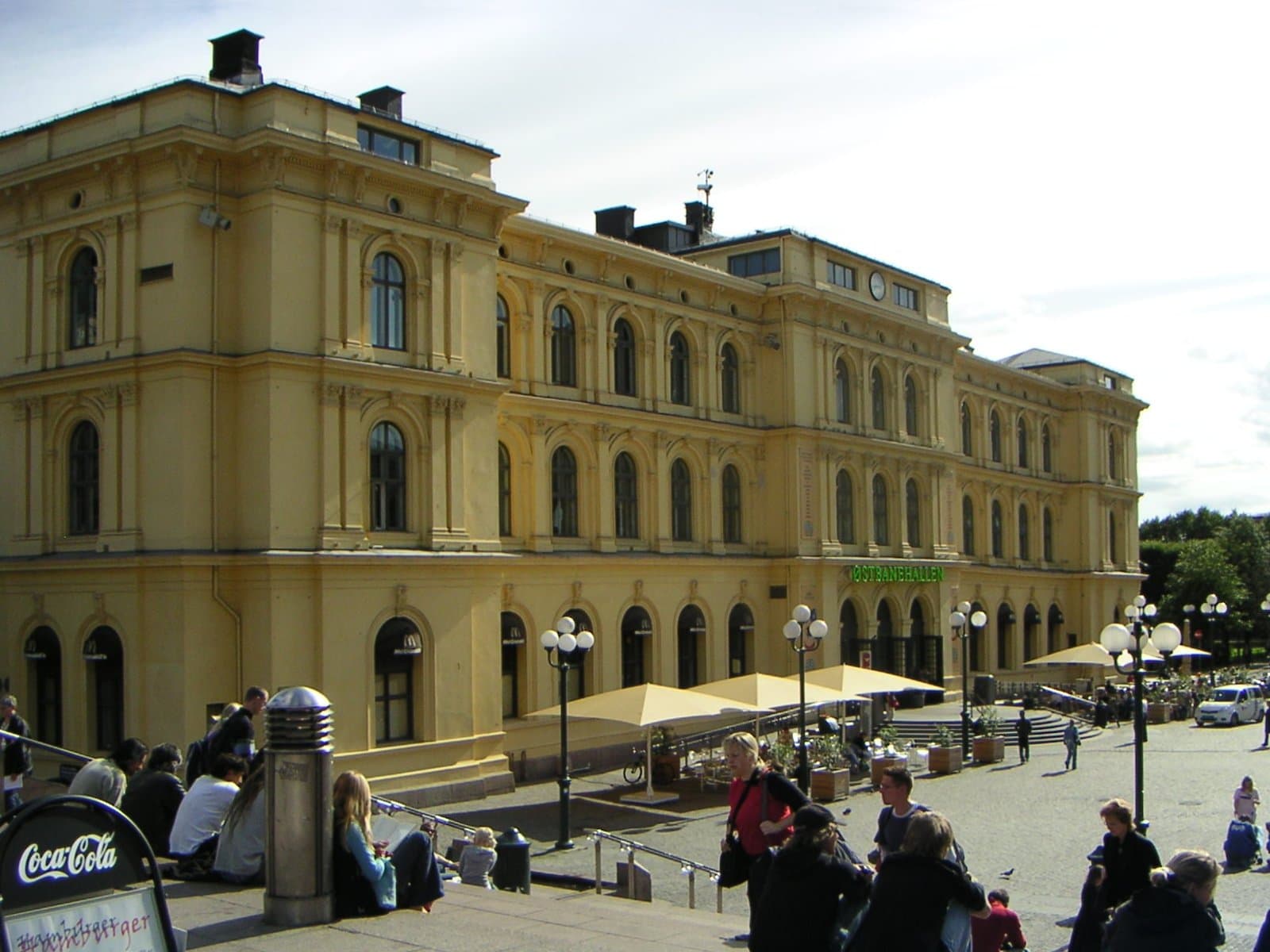 ØstbanehallenØstbanehallen is the original building of Oslo's East Station, opened in 1854 fo7 minutes walk4.0
The first day in the centre: the opera house whose roof you walk on, Akershus Fortress, the new Munch Museum and the National Museum. The second day on the Bygdøy peninsula: the Viking Age museum, the Fram museum and the open-air folk museum — reached by a small ferry from in front of the city hall, which is an enjoyable part of the day in itself. Vigeland Park fits into either day because it is free and always open. Small museums like this one belong to a third visit.