
The smoke watchtower
Before telephones a watchman stood there to spot fires and ring the bell.
User:Mahlum — CC BY-SA 3.0 · Narve Skarpmoen — Public domain · Jorge Láscar from Melbourne, Australia — CC BY 2.0 · Bahnfrend — CC BY-SA 4.0
A late nineteenth-century fire station building in the Gamlebyen district east of central Oslo, among the surviving examples of public architecture from that period. The building is red brick with a tall watchtower — and that tower was the original function: before telephones, a watchman stood at the top to spot smoke across the city and ring the bell. Oslo was largely a timber city and had burned repeatedly, so spotting fires was a question of survival. The building today is in other use and is not visited inside. What you do is look at it from the street, and that takes a few minutes. Its value is that it stands in Gamlebyen, the district Oslo began in: this was the medieval city before a great fire in the seventeenth century destroyed it and the city was moved west. Stone remains of the old town are still visible in a nearby park. This is a residential district off the visitor route, another face of Oslo beyond the waterfront and the museums. Free and seen at any time.
Before telephones a watchman stood there to spot fires and ring the bell.
Oslo was largely timber and burned repeatedly — fire-spotting was survival.
Stone ruins of old Oslo are visible in a nearby park.
Gamlebyen, east of central Oslo
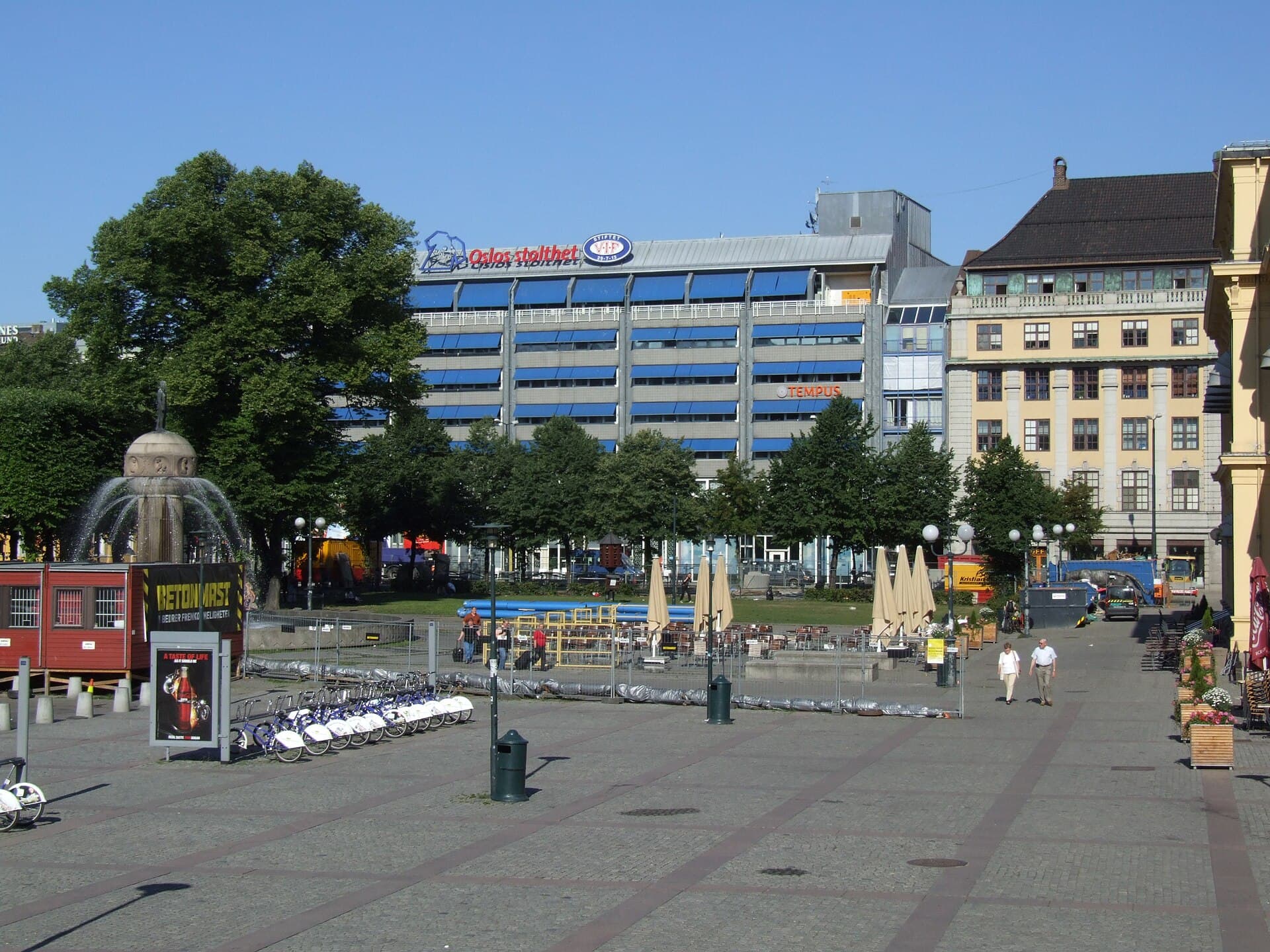 Christian Frederiks plass and the Oslo TigerThe square directly in front of Oslo Central Station carries the sculpture every4 minutes walk4.4
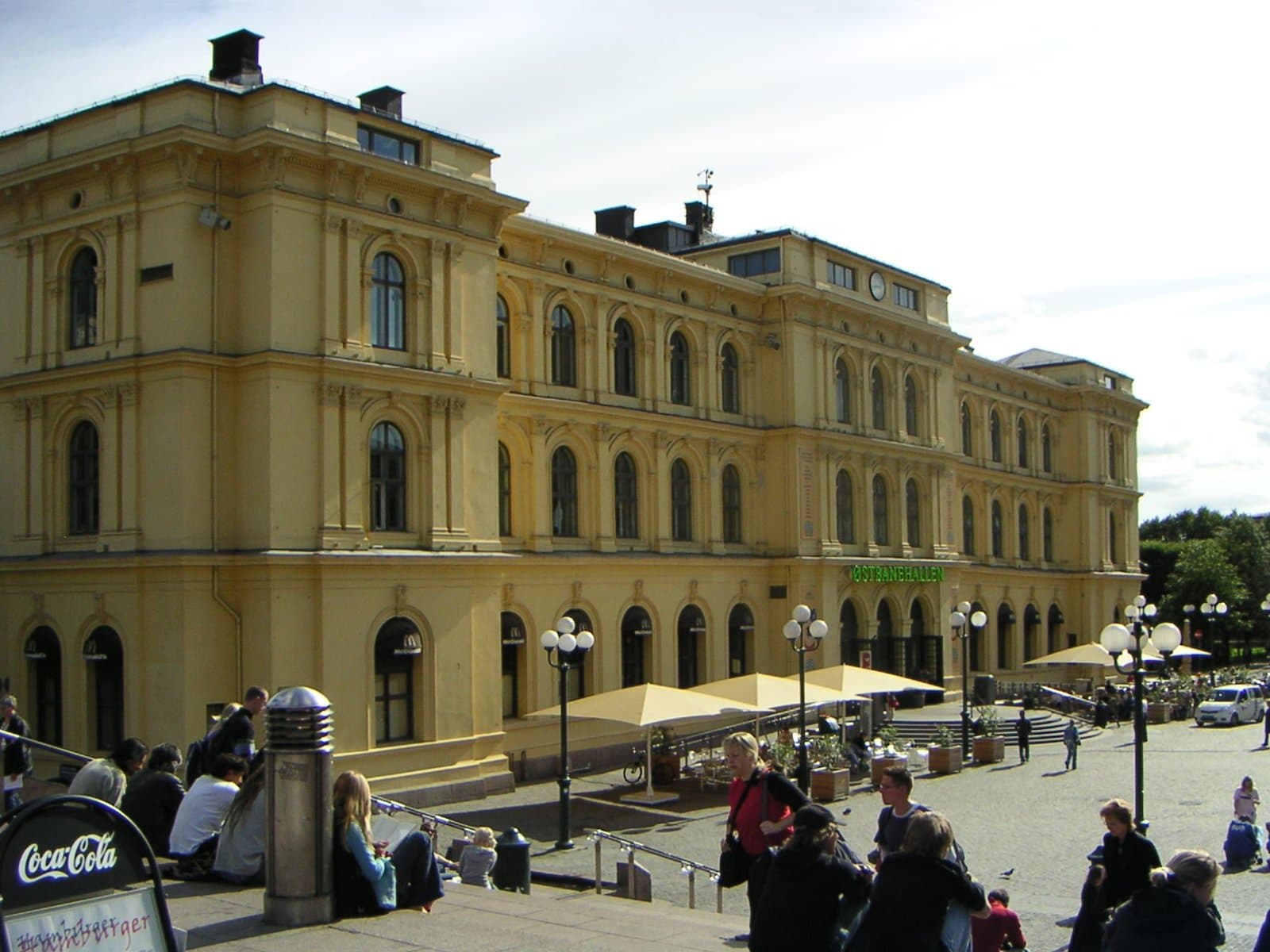 ØstbanehallenØstbanehallen is the original building of Oslo's East Station, opened in 1854 fo4 minutes walk4.0
 The Nordic Bible MuseumA small museum in central Oslo, opened in 2019, whose collection treats the Bibl5 minutes walk4.9
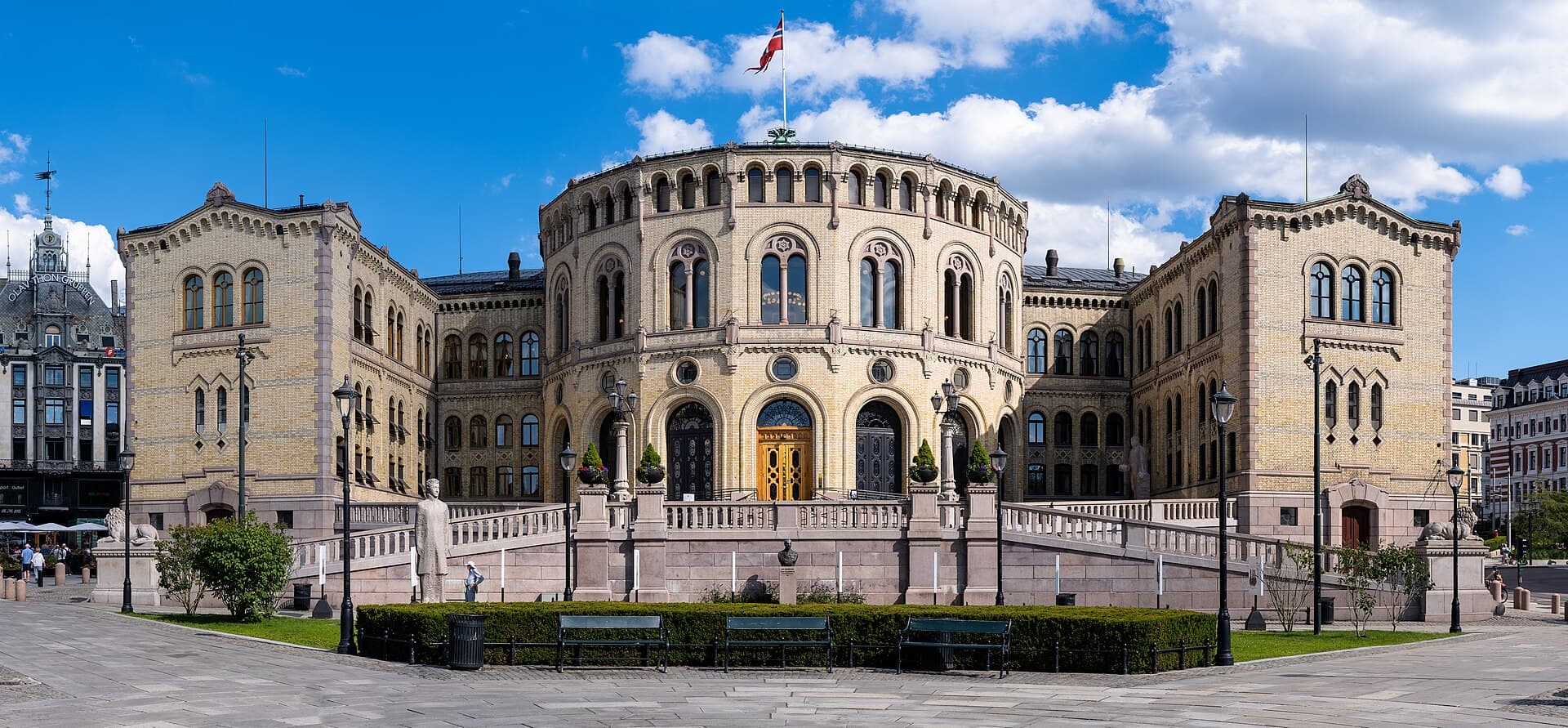 The Storting BuildingThe Storting is the seat of the Norwegian parliament, standing at one end of Kar5 minutes walk4.3
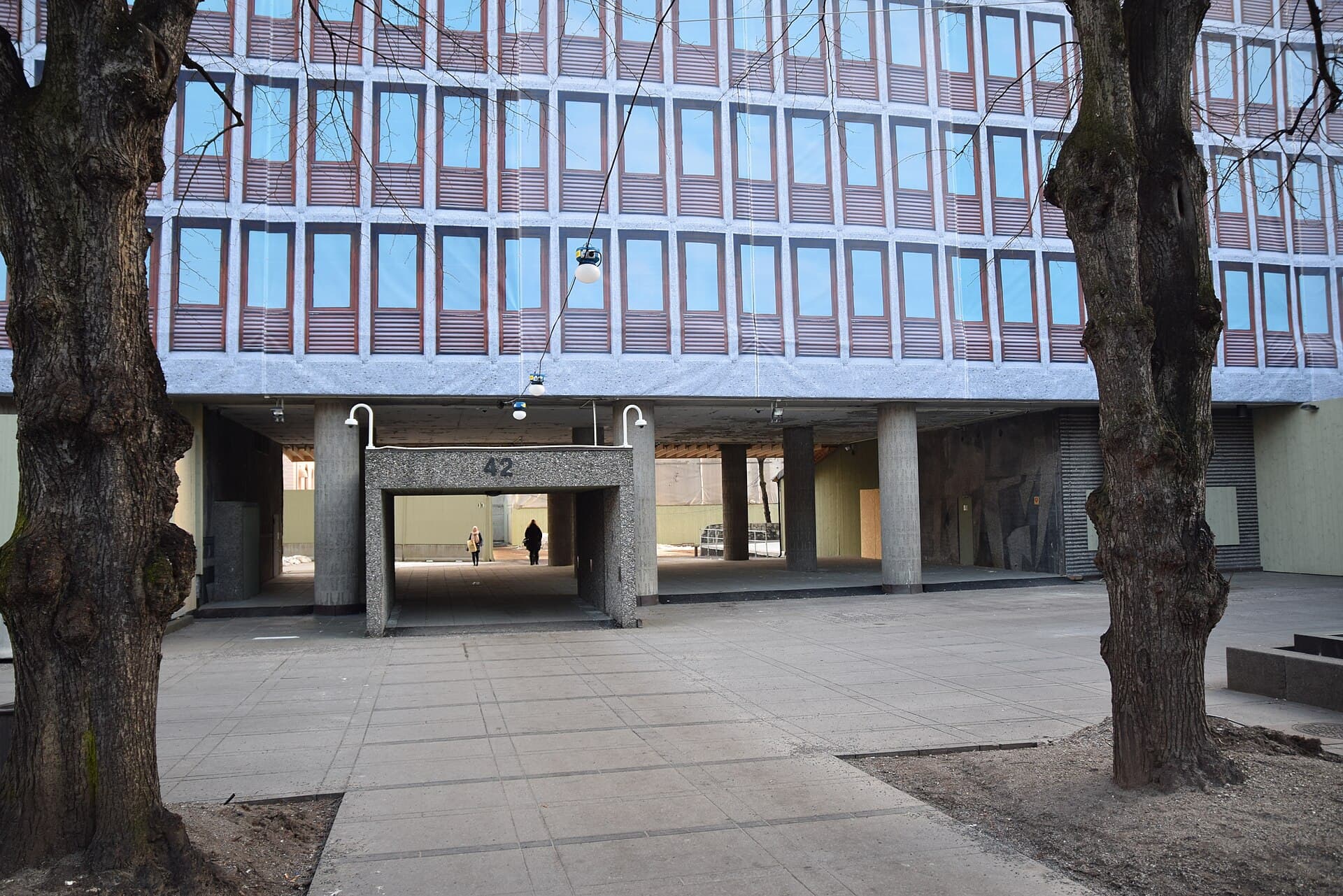 The 22 July CentreThe 22 July Centre documents the worst day in modern Norwegian history: on 22 Ju5 minutes walk4.6
The old town in Norwegian, Oslo's original site from the eleventh century. After a fire in 1624 King Christian IV ordered the city moved west beneath the walls of Akershus fortress and named it Christiania. The ruins of the original city — stone churches and monasteries — survive and are visible today in an open archaeological park.
For anyone staying in Oslo more than two days or interested in the city's history, yes: the archaeological ruins are free and open and explain Oslo's origin. On a short visit, the waterfront, the Bygdøy museums, the Vigeland park and the Munch museum have a far better claim.