
The Piffetti bureau, 1738
A single piece of rare wood, ivory and tortoiseshell that sums up everything Piedmontese cabinetmaking ever achieved.
Ambra75 — CC BY-SA 4.0 · Ambra75 — CC BY-SA 4.0 · Ambra75 — CC BY-SA 4.0 · Ambra75 — CC BY-SA 4.0
In the room that carries his name stands a bureau made by Pietro Piffetti in 1738: rare woods inlaid with ivory and tortoiseshell, double-fronted, with barely a square centimetre left unworked. That one object justifies the ticket. Stranger still is the story of the man who gathered everything around it. Pietro Accorsi, the most celebrated Italian antiques dealer of the twentieth century, was the son of this building's caretaker; the family moved into a small apartment off the courtyard in 1901. The boy who grew up in the servants' quarters bought the palace in 1956, and then left it, and everything inside it, to the foundation that opens it to his city. The museum opened to the public in December 1999, inside a seventeenth-century palace on Via Po. Twenty-seven rooms fall into two halves. The first is display cases — Meissen porcelain, cut crystal, silver, oriental lacquer — arranged with the eye of a dealer who knew exactly where the line between good and exceptional sits. The second, and the better half, is an eighteenth-century Piedmontese house put back together room by room: furniture, mirrors and chandeliers where they belong, barely a rope or a wall panel in sight, as though the owners had stepped out an hour ago. There are no crowd-drawing canvases here, only quiet craft measured in millimetres. Let us be honest about the ranking. This is not a museum you travel to Turin for. With one day in the city, the Egyptian Museum and the dome of the Mole Antonelliana win outright; with two, add the Royal Palace. But if you are staying three days or more, or if you are the kind of traveller who lingers longer over a piece of furniture than over a painting, this is one of the calmest and most precise hours Turin can give you. With children it is a different story entirely — boredom usually arrives inside ten minutes. The location works in its favour. Via Po runs under continuous arcades between Piazza Castello and Piazza Vittorio Veneto, so you can walk here dry in the rain, and the Mole and the Egyptian Museum are five minutes away. The museum is entirely independent, with its own ticket, and has nothing to do with the Musei Reali pass. It closes on Mondays, stays open late on Thursdays, and entry is free with the Torino+Piemonte Card. The same street and the university lanes off it are thick with kebab and shawarma places if you want a quick halal meal nearby.
A single piece of rare wood, ivory and tortoiseshell that sums up everything Piedmontese cabinetmaking ever achieved.
Half the museum is fully refurnished eighteenth-century living rooms, with barely a rope or an explanatory panel in sight.
It sits on arcaded Via Po, so it slots between the Mole and the Egyptian Museum without breaking your plan.
Via Po 55, 10124 Turin, Italy
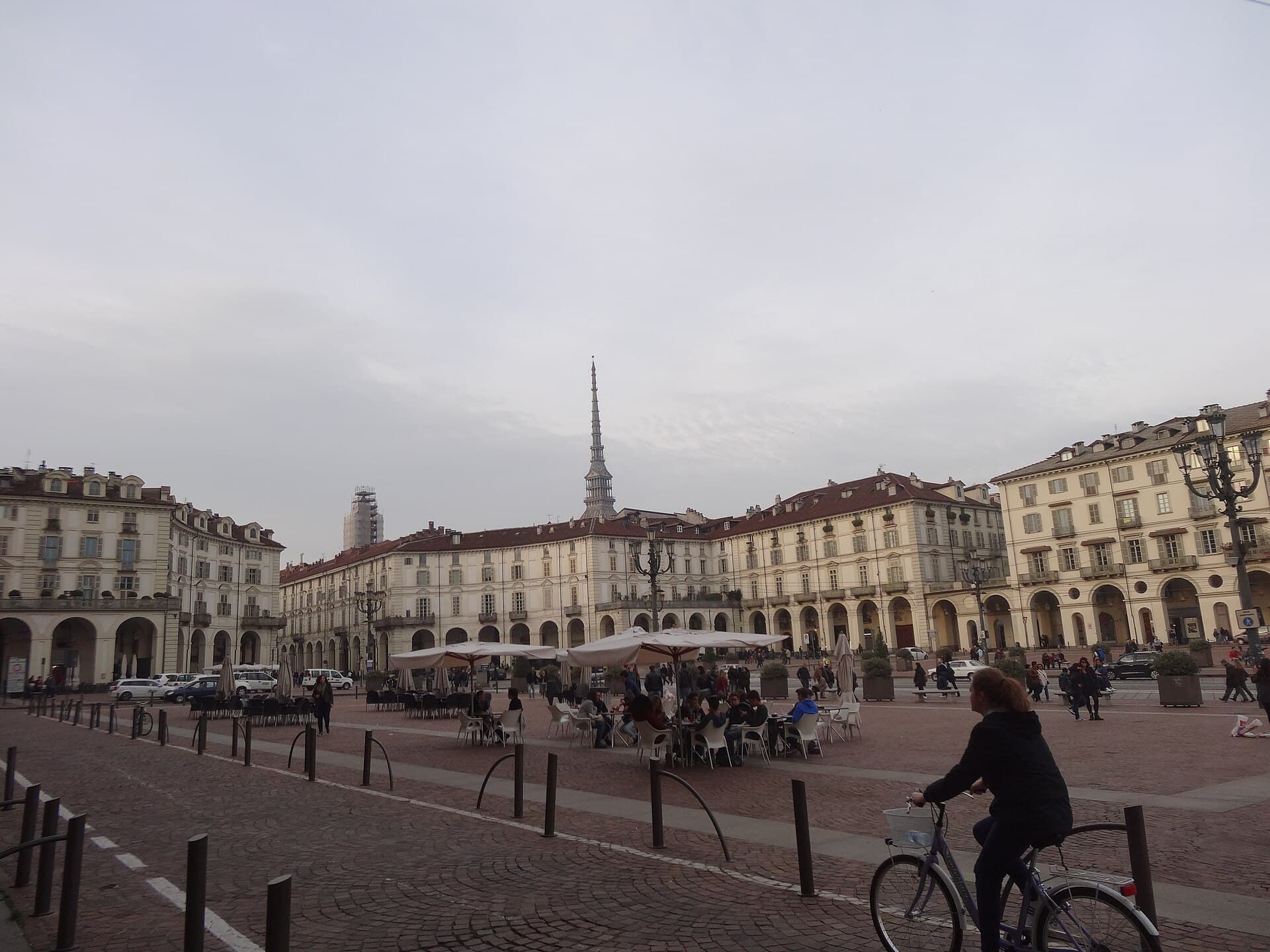 Piazza Vittorio VenetoA large square east of central Turin ending at the river Po, among the largest a3 minutes walk4.6
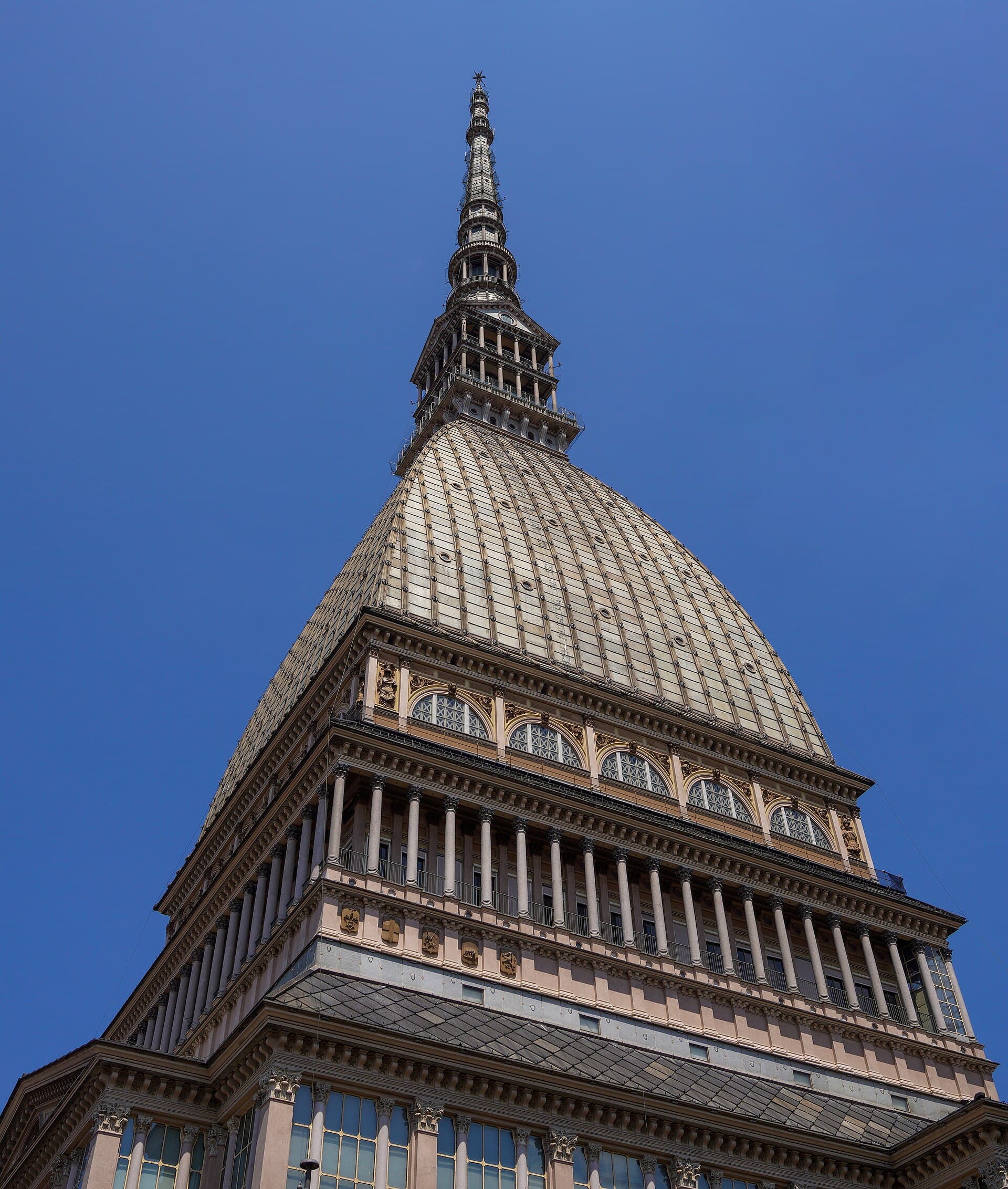 Mole AntonellianaThe Mole is Turin as the Eiffel Tower is Paris: a 167-metre needle that at compl4 minutes walk4.5
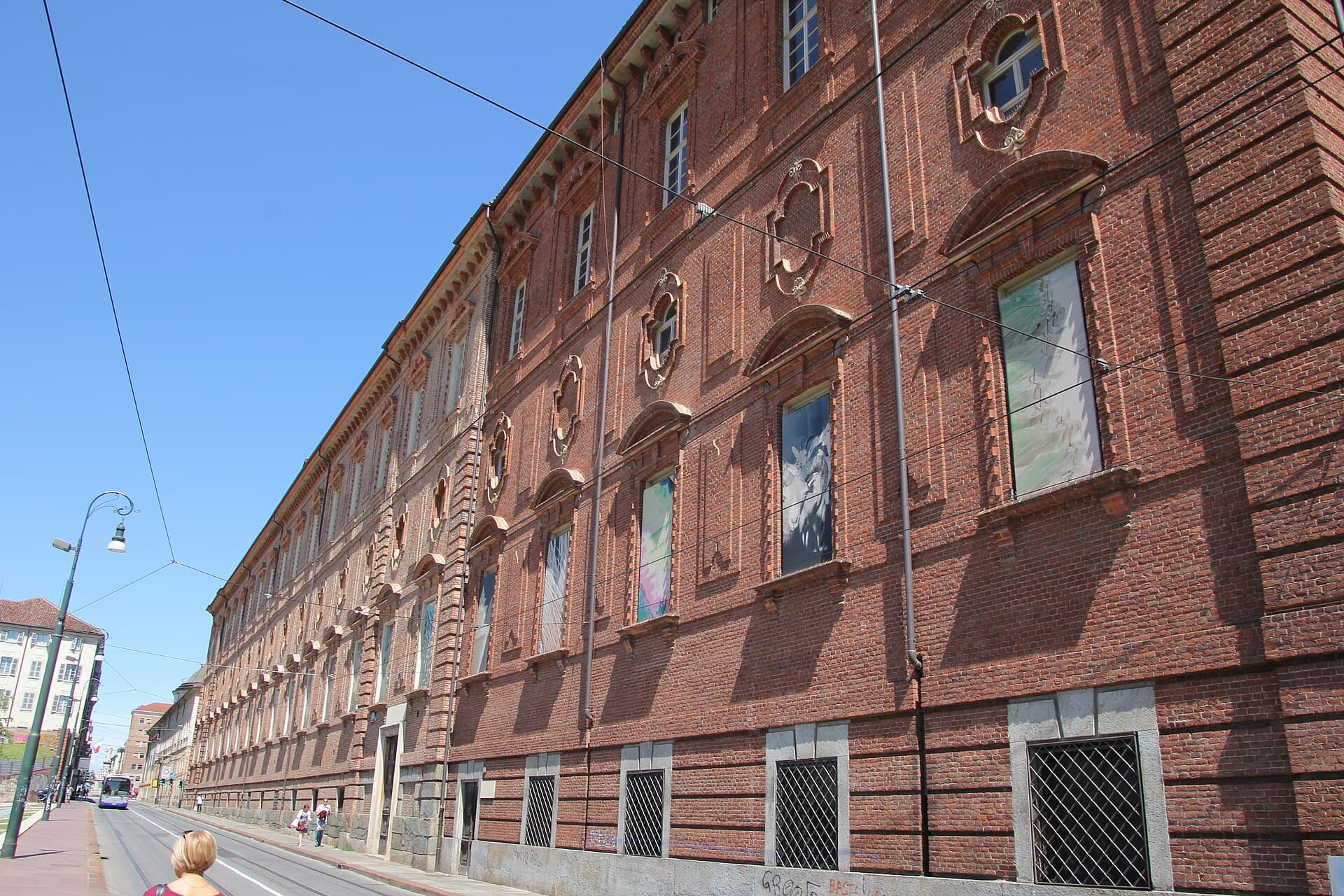 Regional Museum of Natural SciencesIn the middle of the hall stands a stuffed Indian elephant called Fritz, who arr5 minutes walk4.3
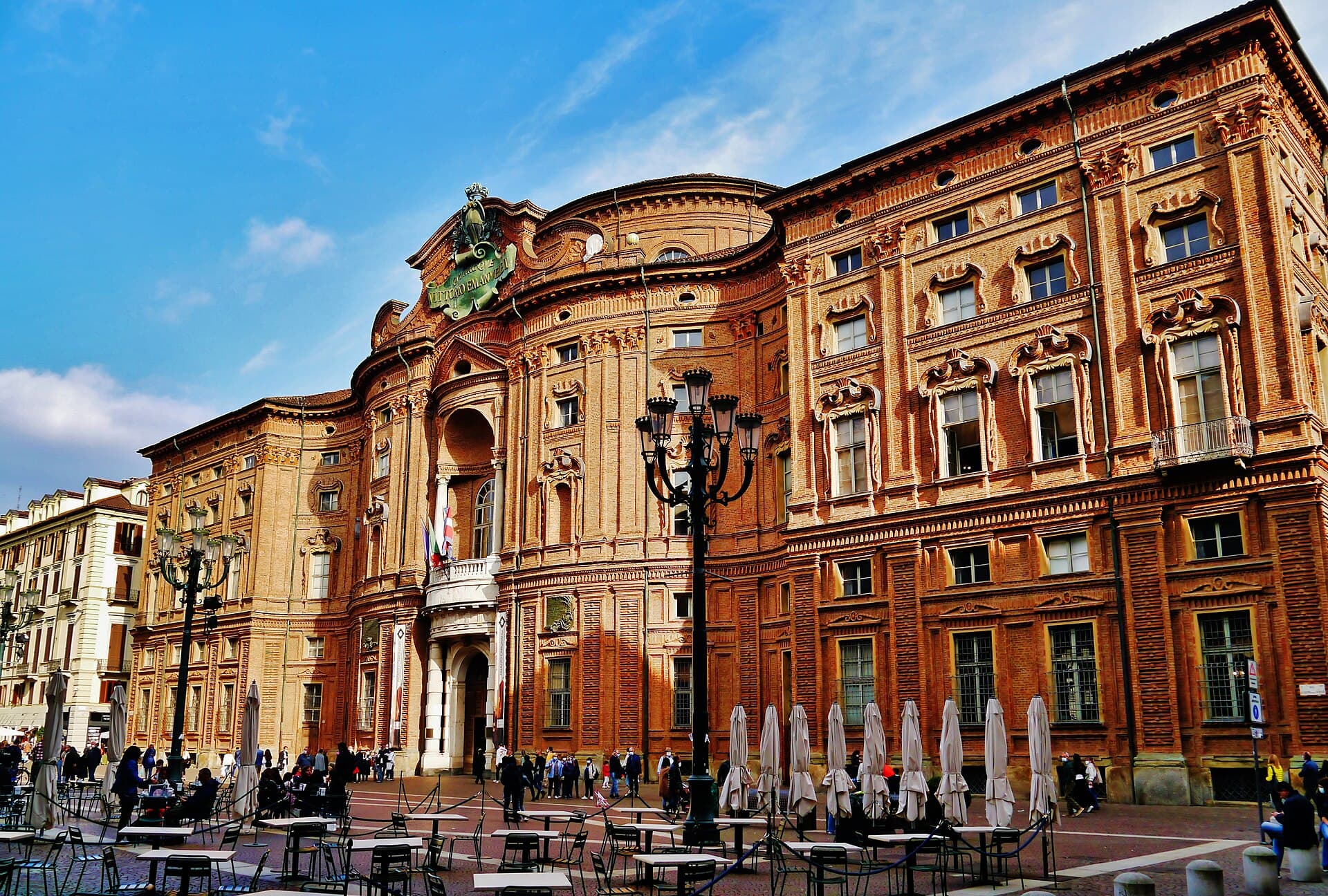 Palazzo Carignano and the Risorgimento MuseumPalazzo Carignano is Turin's boldest Baroque and Italy's weightiest political ad8 minutes walk4.7
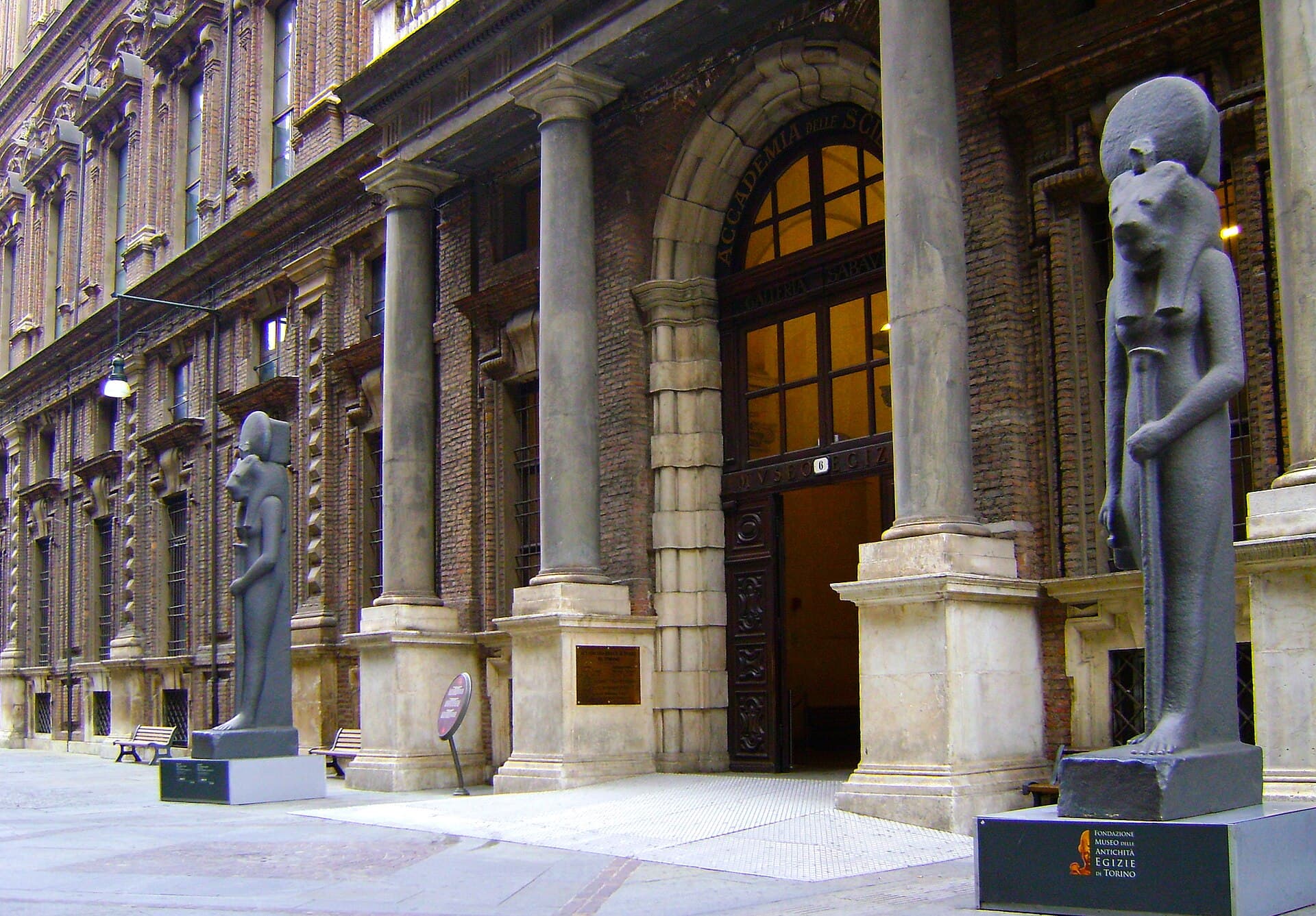 Museo EgizioTurin's Egyptian Museum is the world's oldest devoted to the Nile's civilisation9 minutes walk4.8
No. Honestly, a single Turin day belongs to the Egyptian Museum, the Mole Antonelliana's dome, and perhaps Piazza San Carlo in the evening. Accorsi-Ometto is a third-day museum: come if you are staying in the city and care about furniture and fine craft, or if rain has wrecked your plans, since you can reach it on foot under the arcades without an umbrella.
You do not need to book: individual visitors buy at the door and walk straight in, and the museum is rarely crowded even in summer. A guided tour is not compulsory either — but one of the permanent collection is usually included in the ticket price at set times, normally 10:30 and 16:30, so time your arrival for it if you can, and check the site because the days it runs change. Tours of the temporary exhibition cost extra, and groups and schools book by phone. Watch two things: it is closed on Mondays, and the ticket desk shuts half an hour before the museum, so do not turn up in the last forty minutes.