
Eighteen kilometres of arcades
Turin is a city of covered walkways built for moving without rain or sun.
Livioandronico2013 — CC BY-SA 3.0 · HieuMarco — CC BY-SA 4.0 · HieuMarco — CC BY-SA 4.0 · BelPatty86 — CC BY-SA 4.0
A large square east of central Turin ending at the river Po, among the largest arcaded squares in Europe. Turin is emphatically a city of arcades: some eighteen kilometres of covered walkways line its streets, built so the royal court and the citizens could move without rain or sun. This square is surrounded by them on three sides. The fourth side opens onto the river, and beyond it on the far bank stands the church of the Gran Madre di Dio with its dome and classical columns, with the hills behind. That view — a square ending at a river, a church and hills — is Turin's best-known image. The square itself slopes gently towards the water, is paved in stone and closed to most traffic. Under the arcades are historic cafés working since the nineteenth century, and Turin is a city of cafés and chocolate — the birthplace of gianduja, the hazelnut chocolate. Free and always open, and its best hour is the evening at sunset.
Turin is a city of covered walkways built for moving without rain or sun.
Its dome and columns on the far bank — Turin's best-known view.
Under the arcades, in the city where gianduja chocolate was born.
East of central Turin, on the Po
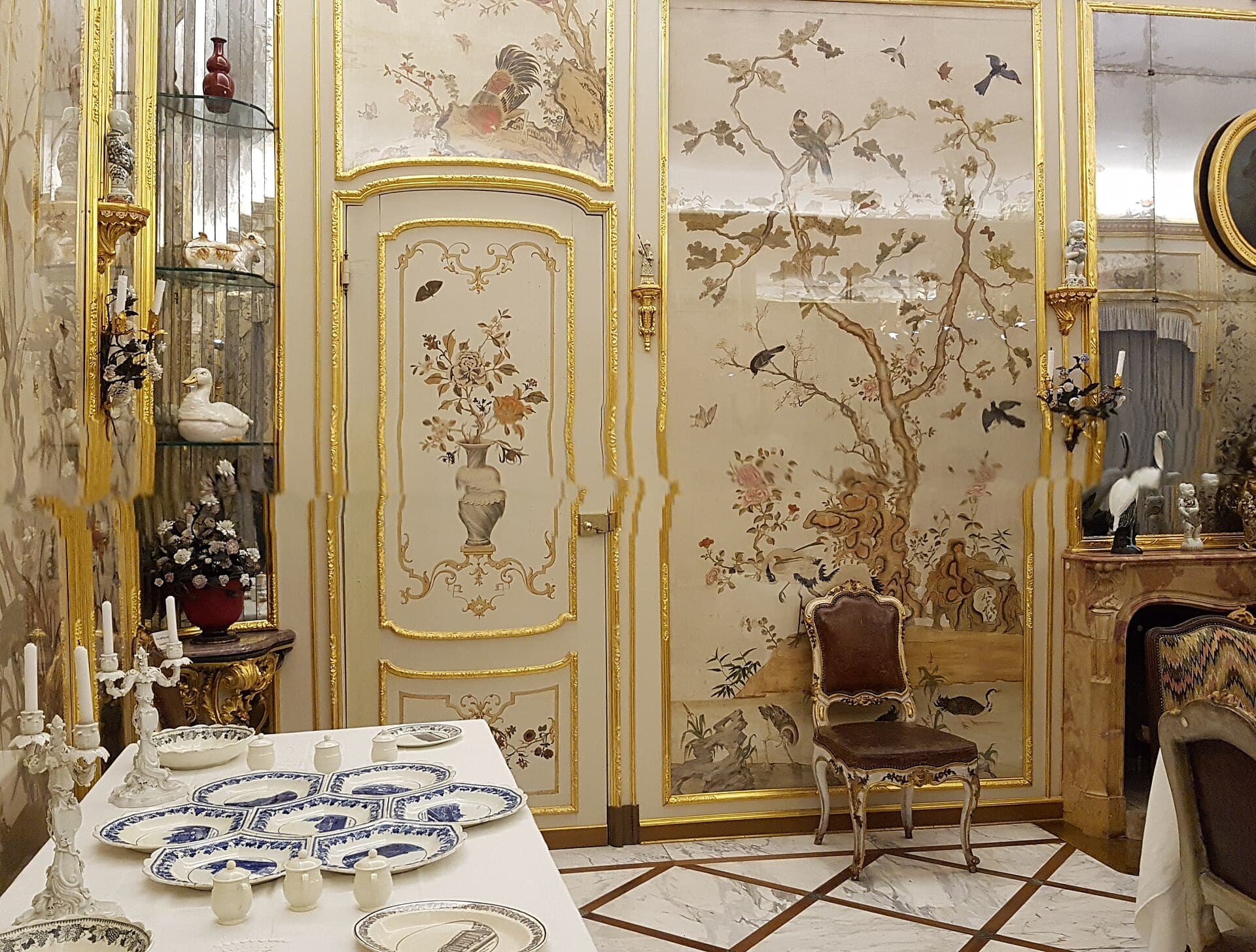 Accorsi-Ometto Museum of Decorative ArtsIn the room that carries his name stands a bureau made by Pietro Piffetti in 1733 minutes walk4.6
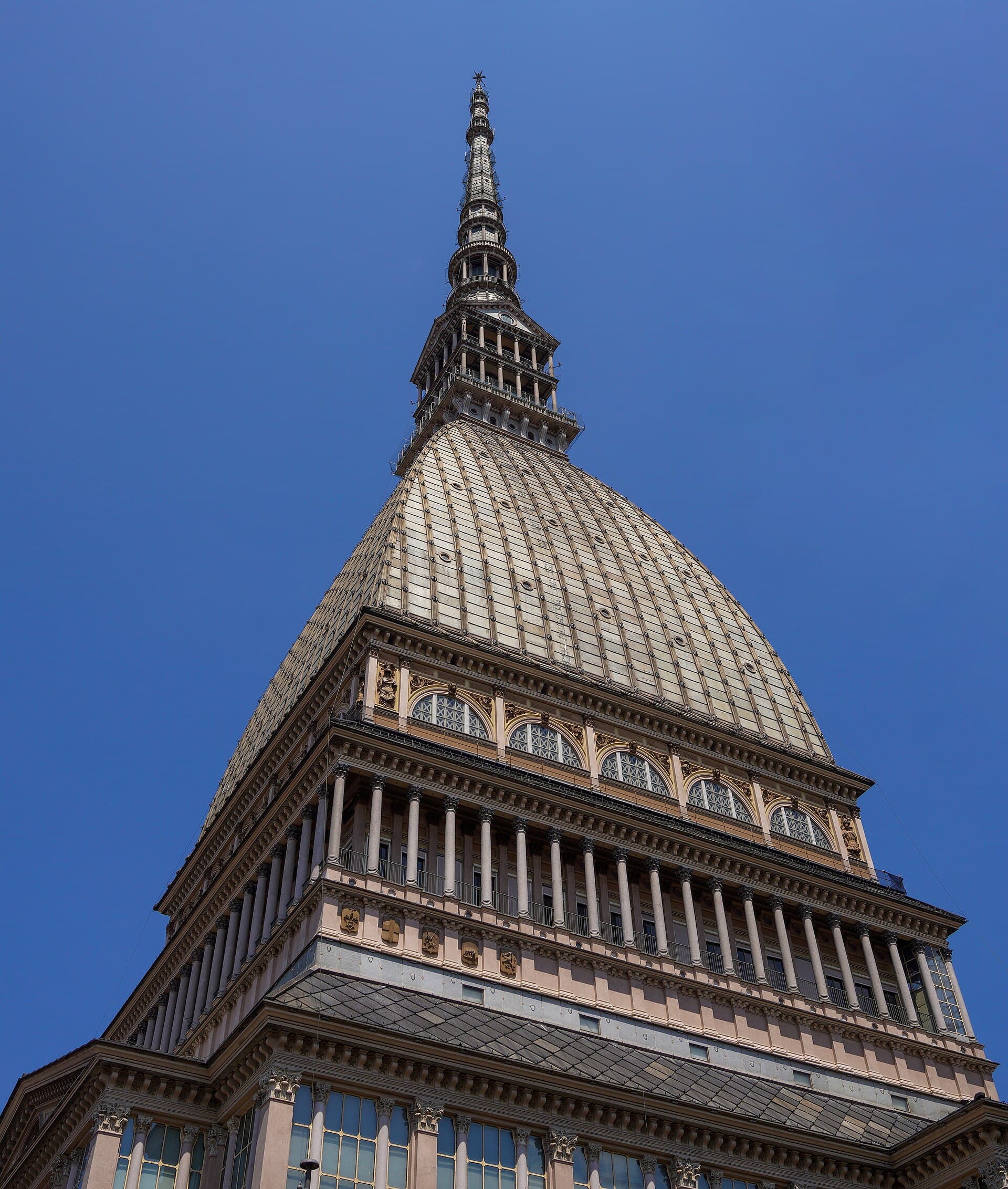 Mole AntonellianaThe Mole is Turin as the Eiffel Tower is Paris: a 167-metre needle that at compl6 minutes walk4.5
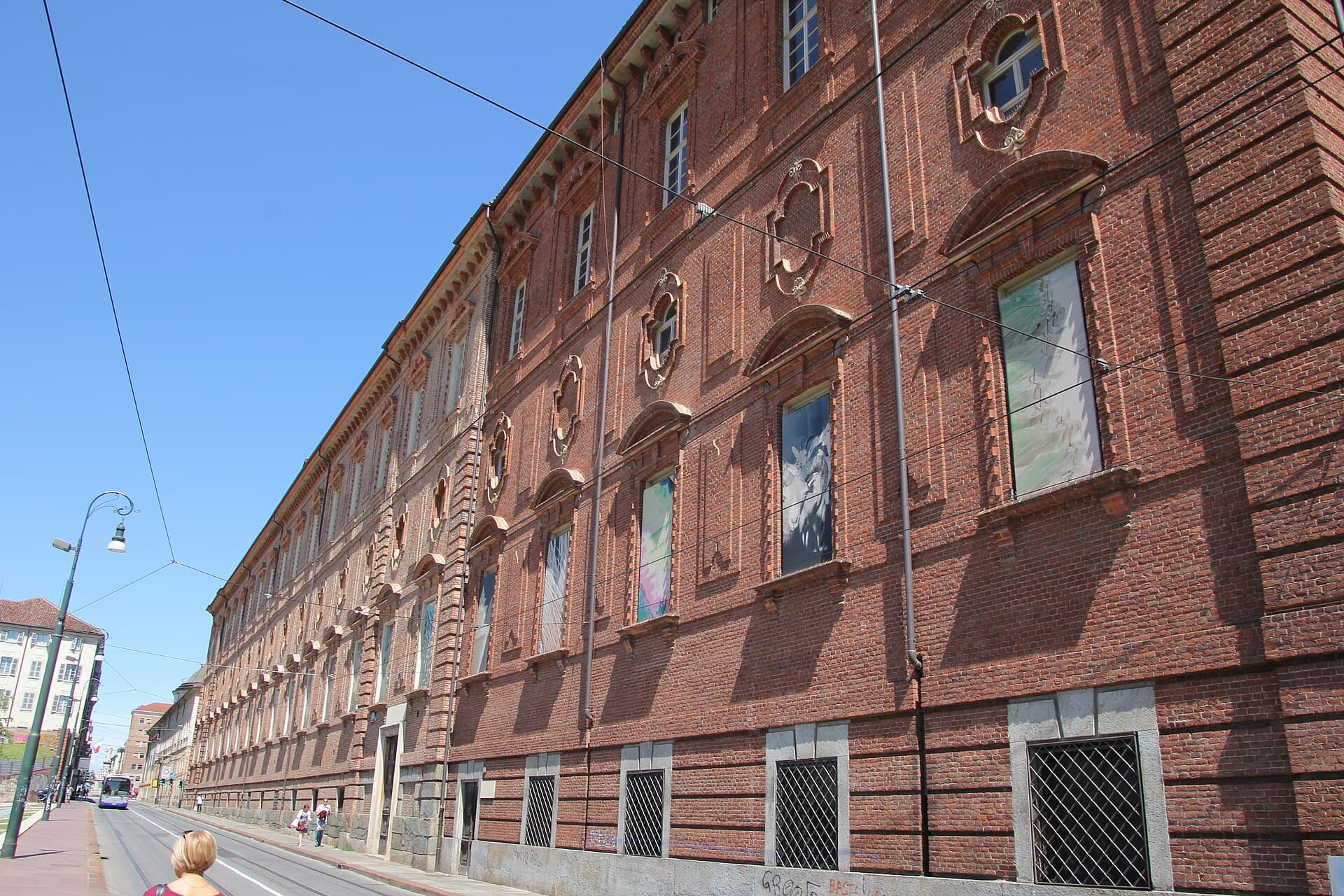 Regional Museum of Natural SciencesIn the middle of the hall stands a stuffed Indian elephant called Fritz, who arr7 minutes walk4.3
 National Mountain Museum (Duca degli Abruzzi)In August 1874 the city of Turin, at the proposal of the Italian Alpine Club's T7 minutes walk4.3
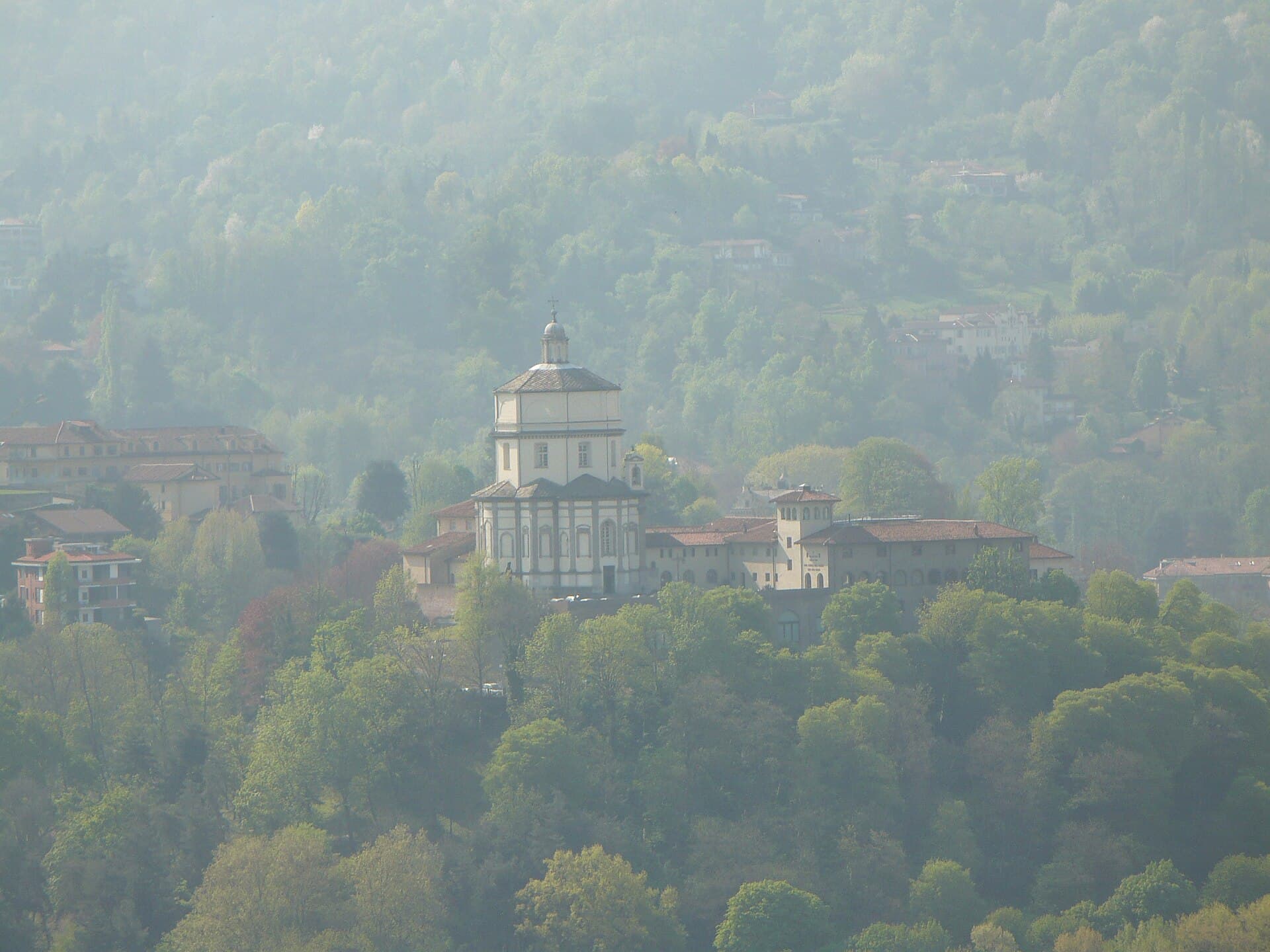
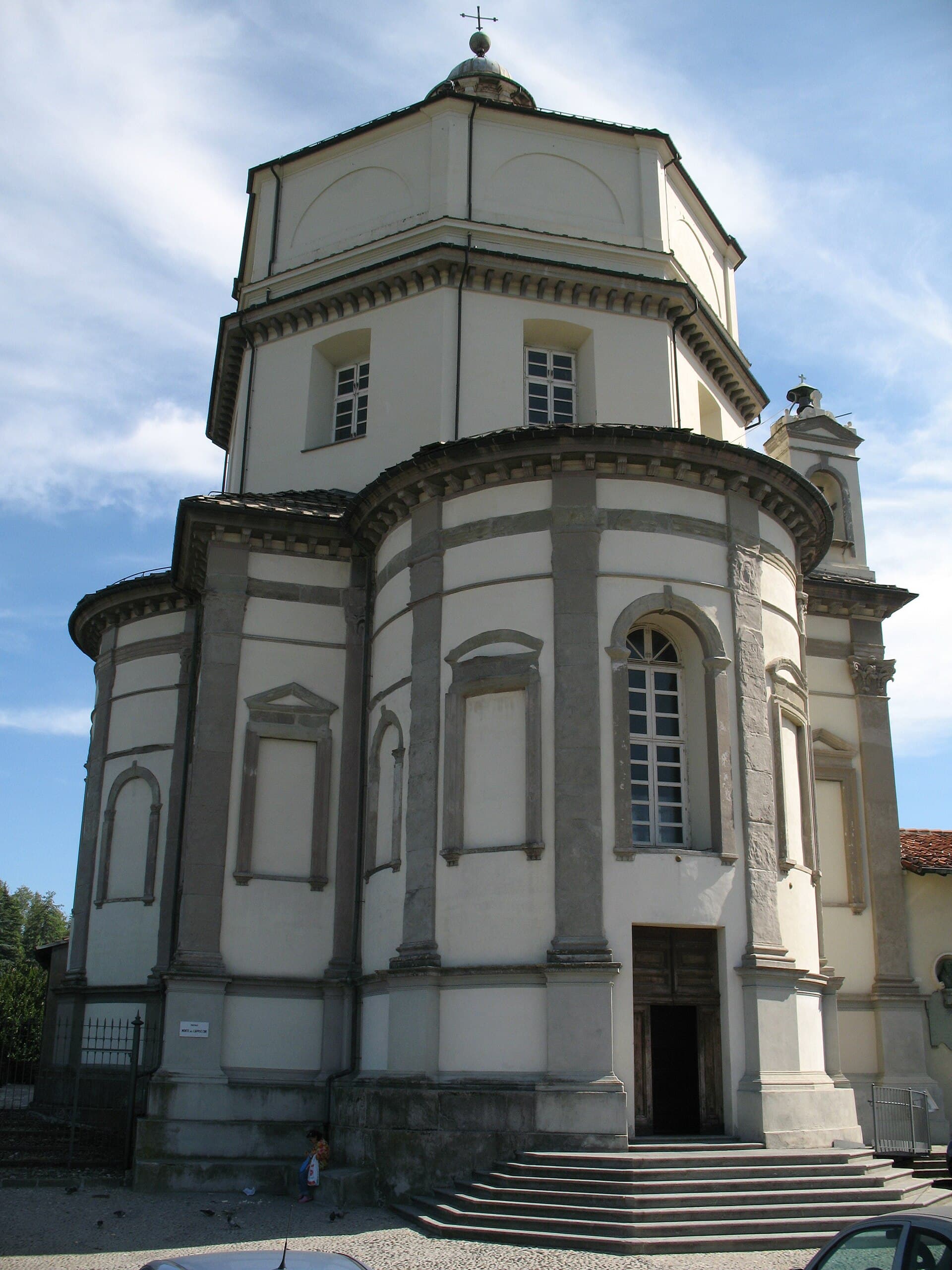 Monte dei CappucciniOn the Capuchin knoll above the Po's right bank stands a small church with a kin8 minutes walk4.6
Chocolate blended with hazelnut paste, invented by Turin's makers in the early nineteenth century when the Napoleonic blockade made cocoa scarce and expensive, so it was extended with plentiful local hazelnuts. The result became better known than the original, and the world's famous hazelnut spreads later grew from it.
The Egyptian Museum, the second most important Egyptian collection in the world after Cairo; the Mole Antonelliana with its glass lift and the cinema museum inside; the Royal Palace; and walking under the arcades. Turin is far less crowded than Rome or Florence despite having no less to offer.