
The silver reliquary
The skull of Crete's patron in a worked shrine.
Jebulon — CC0 · Moonik — CC BY-SA 3.0 · C messier — CC0 · C messier — CC0
It stands on a small square in the middle of Heraklion, and its present shape gives its history away at once: an **Ottoman dome and plan** on an Orthodox church — because the building changed hands three times. It was built in the **Byzantine** period, became the cathedral of Crete under **Venetian** rule, then a mosque named the **Vizier Mosque** after the Ottoman conquest of 1669, then an Orthodox church again in **1925** after the population exchange — the minaret was taken down and everything else stayed. **Saint Titus** was a disciple of the apostle Paul and the first bishop of Crete, and is the island's patron. The church's most precious possession is his **skull**, kept in a **silver reliquary**: the Venetians took it with them to Venice when Crete fell in 1669, fearing for it; it remained there for three centuries, and was **returned to Heraklion in 1966** in a great ceremony the city still remembers. ⚠ It is a **working church** in the middle of the city, and the visit is short — twenty minutes — but it explains the succession of rulers over Crete in a single building.
The skull of Crete's patron in a worked shrine.
The mosque's form left on an Orthodox church.
A small quiet square with cafés in the centre.
Agiou Titou Square, 71202 Heraklion
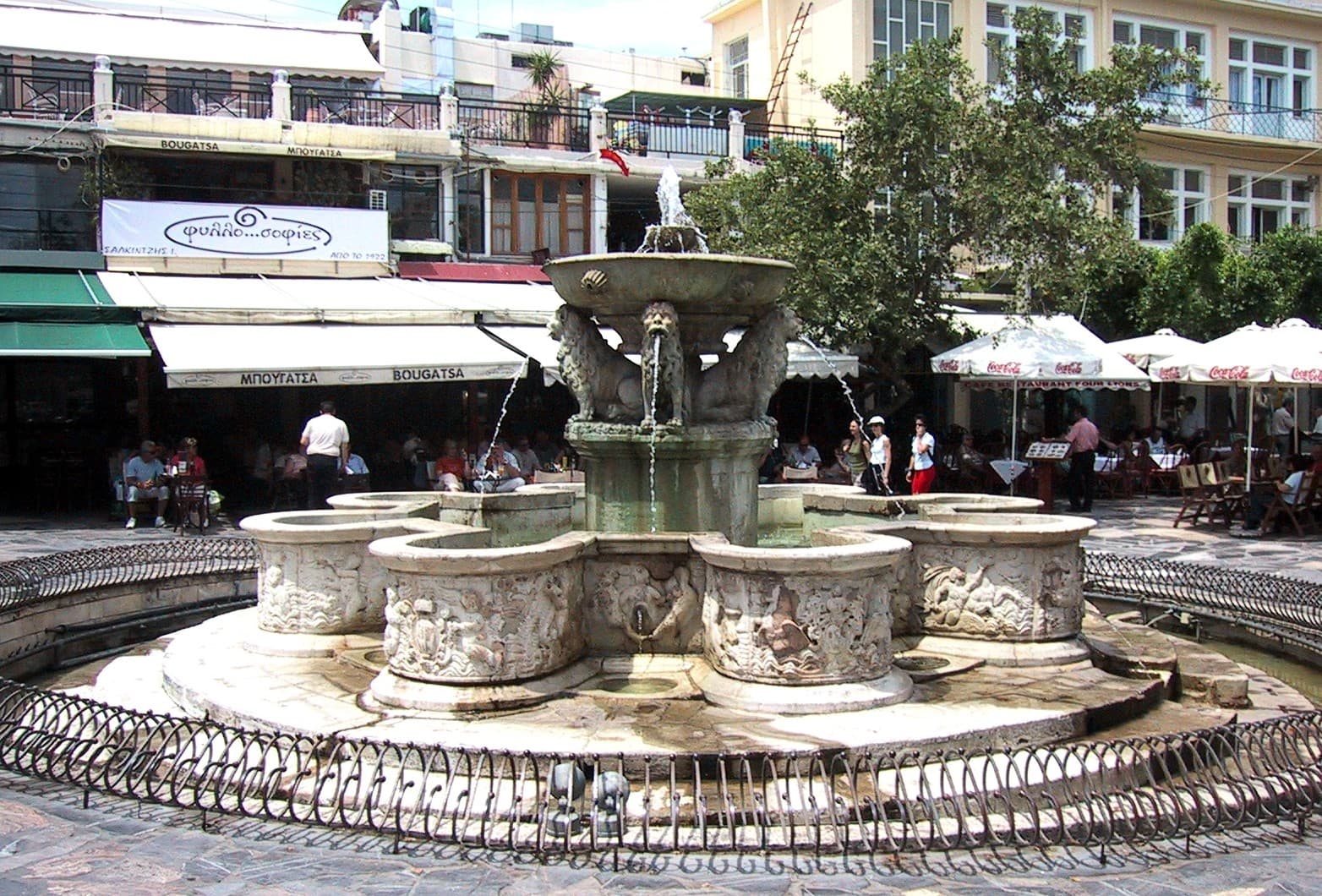 Lions Square & the Morosini FountainLions Square has been Heraklion's navel since Venice: the Morosini fountain (1622 minutes walk4.4
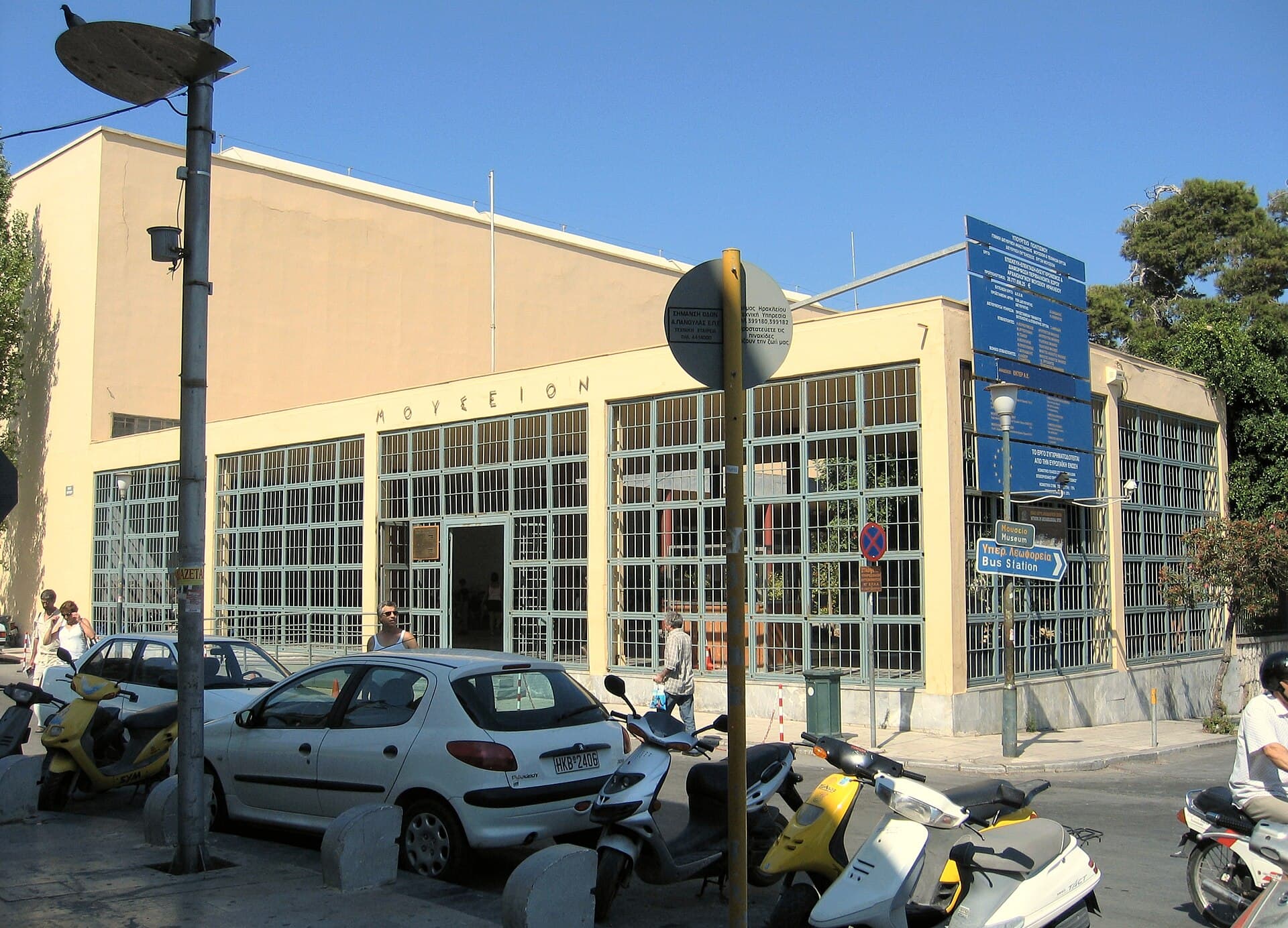 The Heraklion Archaeological MuseumHeraklion's museum is the Minoan civilisation's only home: everything Knossos, P3 minutes walk4.8
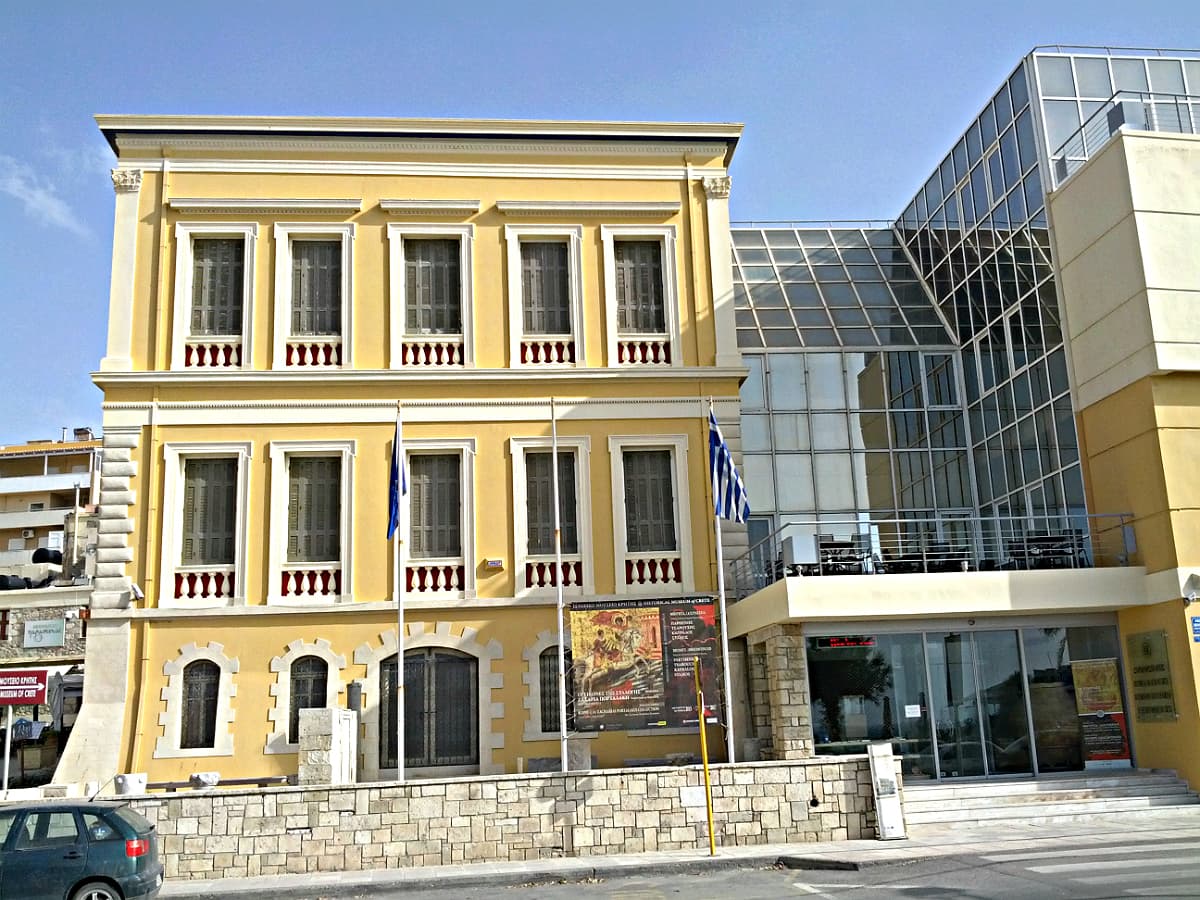 The Historical Museum of CreteThe Historical Museum takes the tale where the Archaeological leaves it: Crete f5 minutes walk4.7
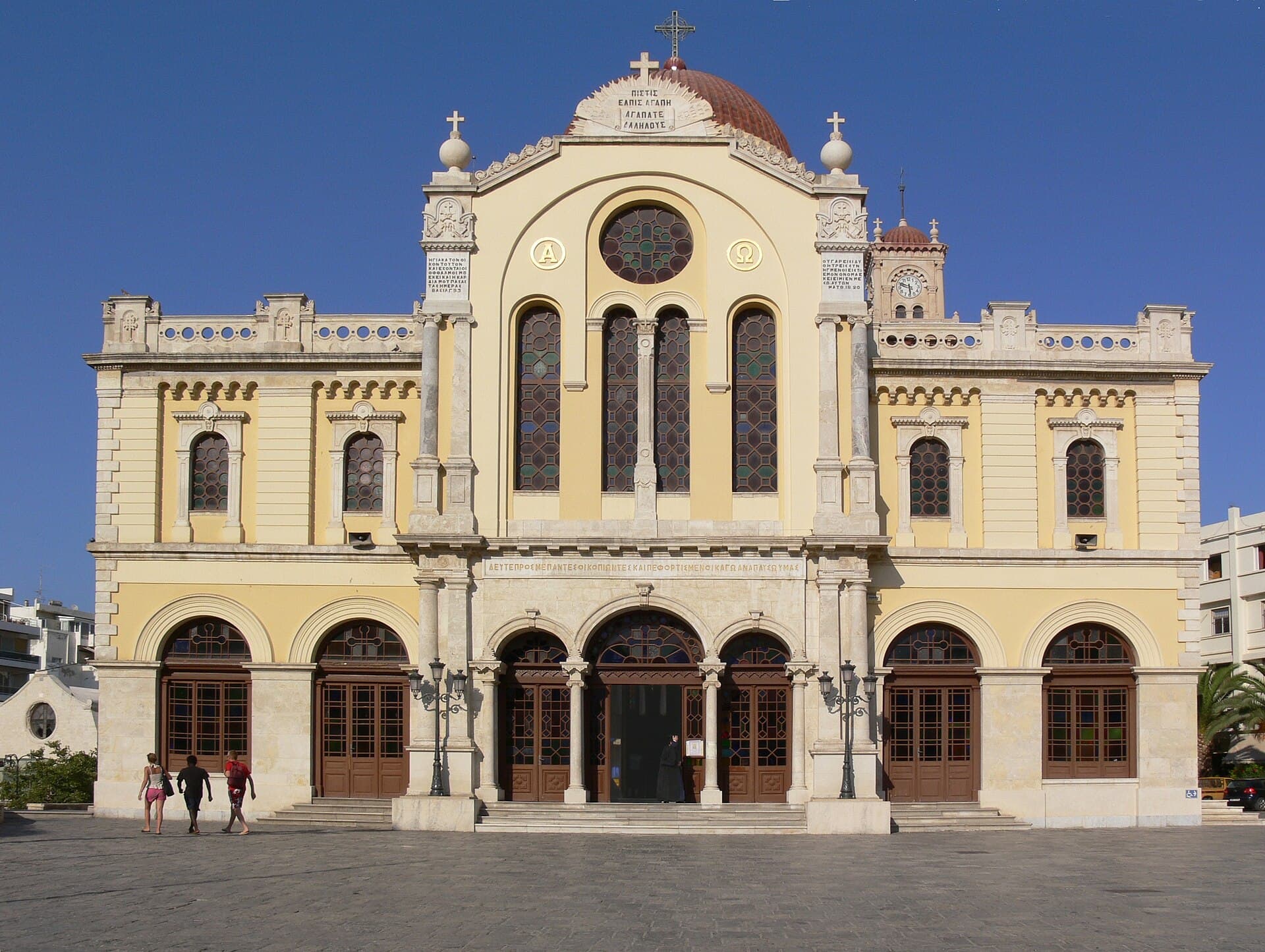 Saint Minas Cathedral**One of the largest cathedrals in Greece**: a vast domed building with two towe6 minutes walk4.8
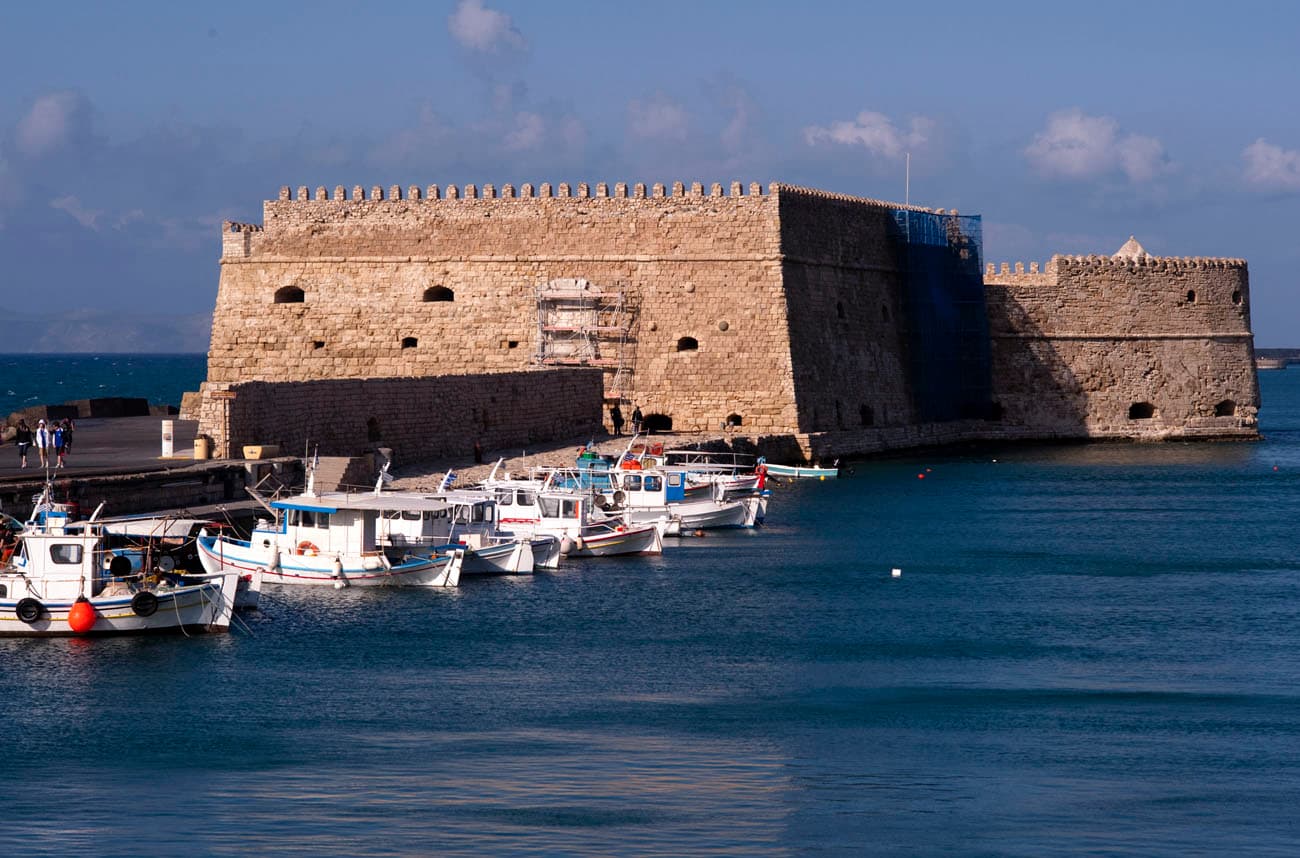 Koules Fortress & the Venetian HarbourKoules is Heraklion's sea warden: Venice's square fortress (1523-1540) on the ha7 minutes walk4.7
Because many of them **were mosques**. The Ottomans ruled Crete from **1669 to 1898**, more than two centuries, and converted the great Venetian churches in the towns into mosques — as the Venetians had converted Byzantine churches before them. After Crete's independence and union with Greece, and then the **1923 population exchange**, the Muslim population left and those buildings were returned to Christian use: minarets came down and iconostases went in, but **the Ottoman domes and plans stayed**. So what you see in Heraklion, Rethymno and Chania are buildings carrying three or four layers of use.
When the Ottomans besieged **Candia** (Heraklion) in one of the longest sieges in history — **twenty-one years**, ending in the city's fall in 1669 — the Venetians took with them on withdrawal the most precious things in the city, foremost the **relics of Saint Titus**, Crete's patron, fearing they would be lost. The skull was kept in Saint Mark's in Venice for **three centuries**. In **1966**, after long church negotiations, Venice returned it to Heraklion, where it was received with an enormous public ceremony — an event the city still recounts.