
St. Mark's lions
Venice's marble on the gates five centuries.
Γεώργιος Γιαννόπουλος — CC BY-SA 3.0 · C messier — CC0 · Jebulon — CC0 · Jebulon — CC0
Koules is Heraklion's sea warden: Venice's square fortress (1523-1540) on the harbour mole, nine-metre walls and St. Mark's marble lions over its gates — standing through the city's legendary siege: history's longest (21 years! 1648-1669) before falling to the Ottomans, whose name Koules (the water castle) outlived them. Its restored interior runs dim vaulted halls telling the siege, drowned ships' amphorae and centuried cannon — the roof its reward: city, mountains and the open Cretan sea, with the mole walk out to it Heraklion's first promenade. Around it the Venetian harbour lives on: coloured fishing boats and the Arsenali vaults — Venice's standing shipyards — and the walk completes at evening in the waterfront cafés: the fortress lit on the water is the city's finest picture.
Venice's marble on the gates five centuries.
City, mountains and Cretan sea in a round.
Venice's shipyards still standing.
Venetian harbour, 71202 Heraklion
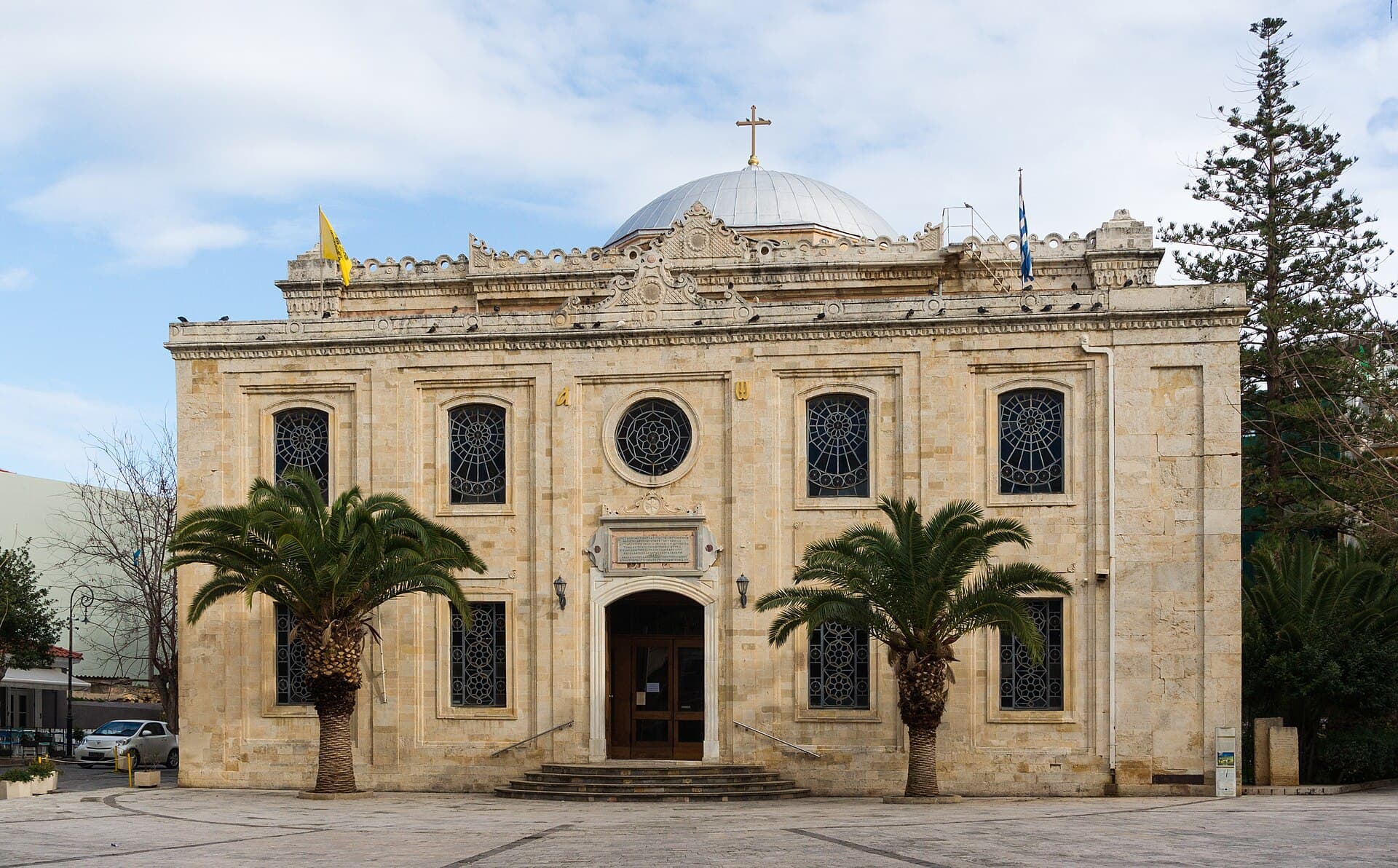 Church of Saint TitusIt stands on a small square in the middle of Heraklion, and its present shape gi7 minutes walk4.6
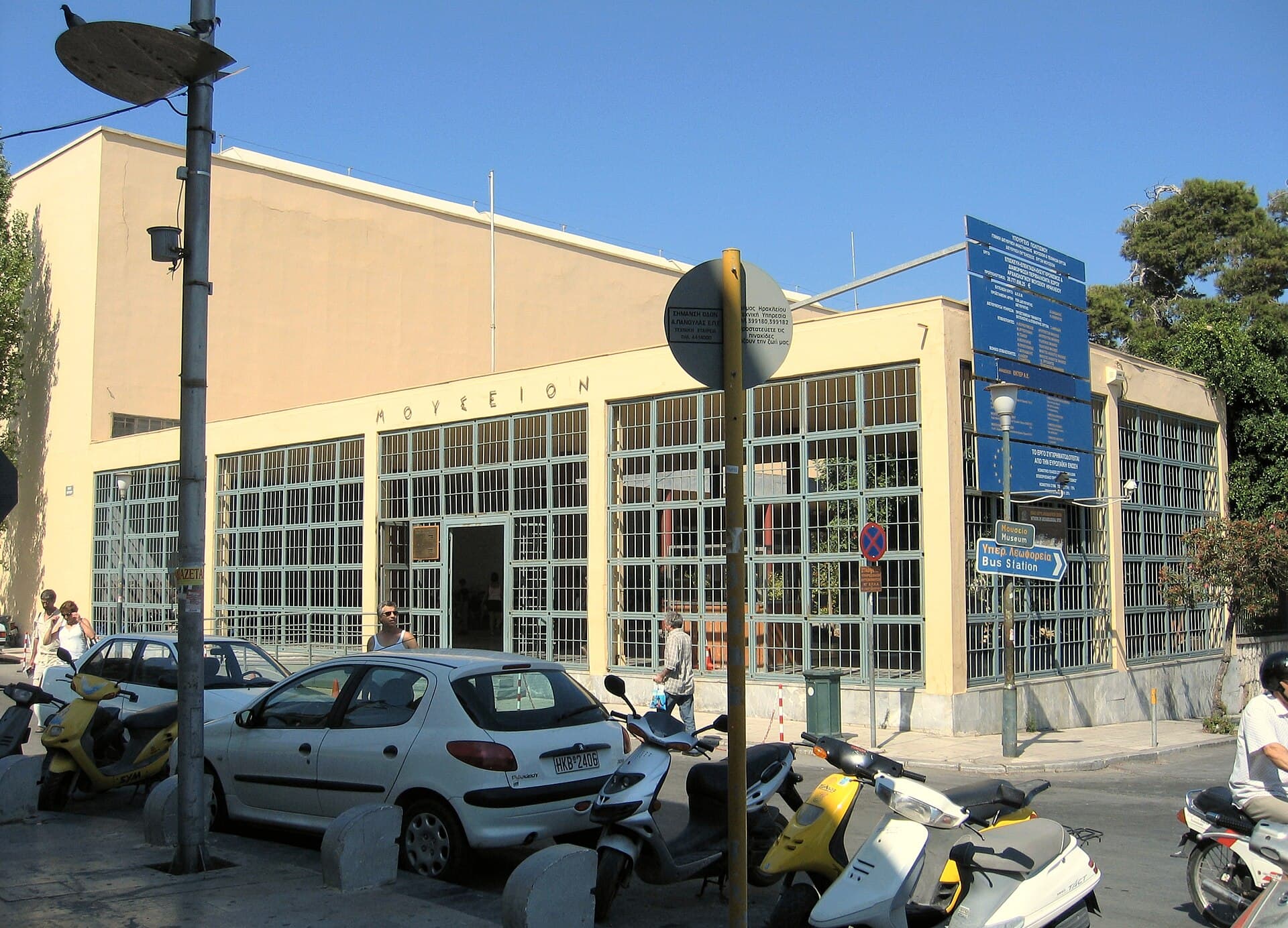 The Heraklion Archaeological MuseumHeraklion's museum is the Minoan civilisation's only home: everything Knossos, P8 minutes walk4.8
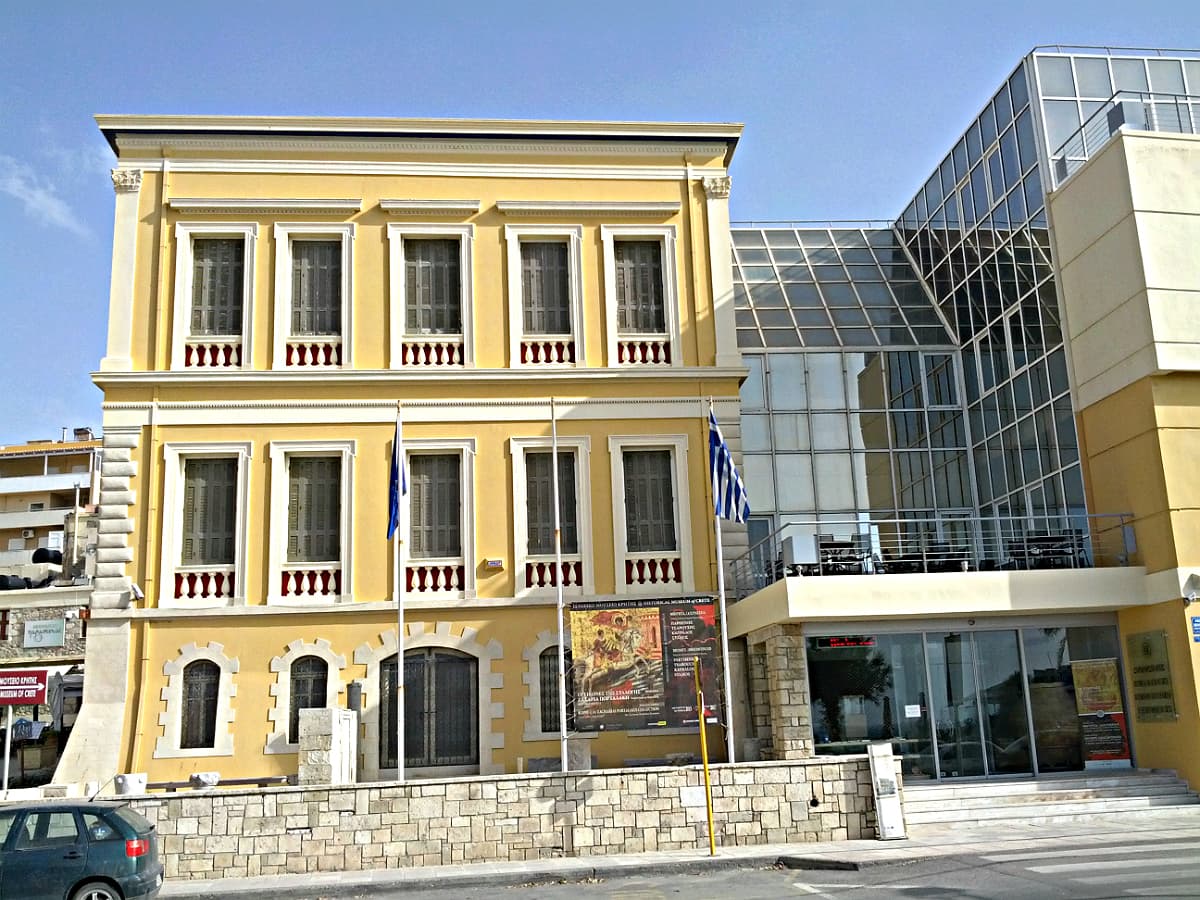 The Historical Museum of CreteThe Historical Museum takes the tale where the Archaeological leaves it: Crete f8 minutes walk4.7
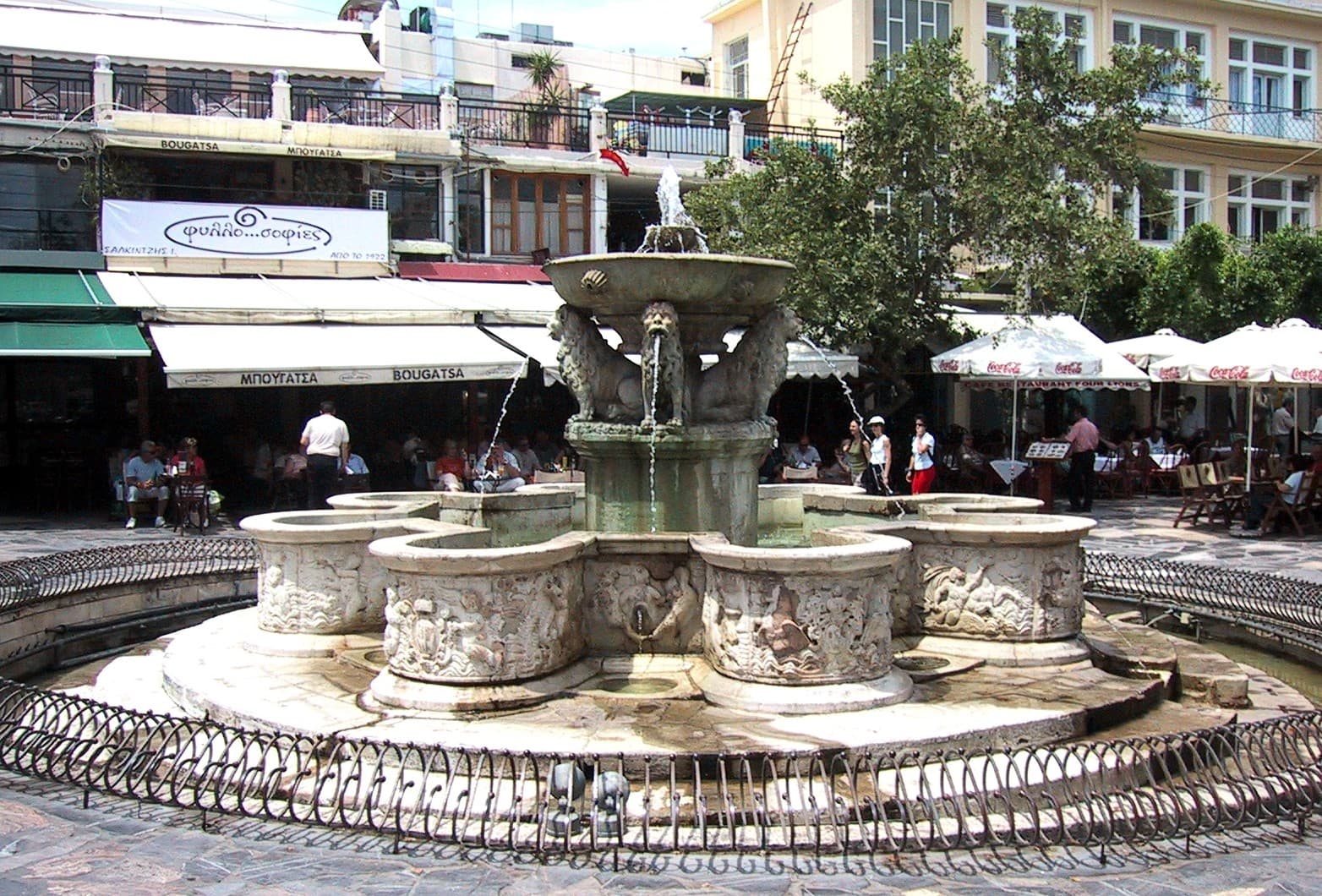 Lions Square & the Morosini FountainLions Square has been Heraklion's navel since Venice: the Morosini fountain (1629 minutes walk4.4
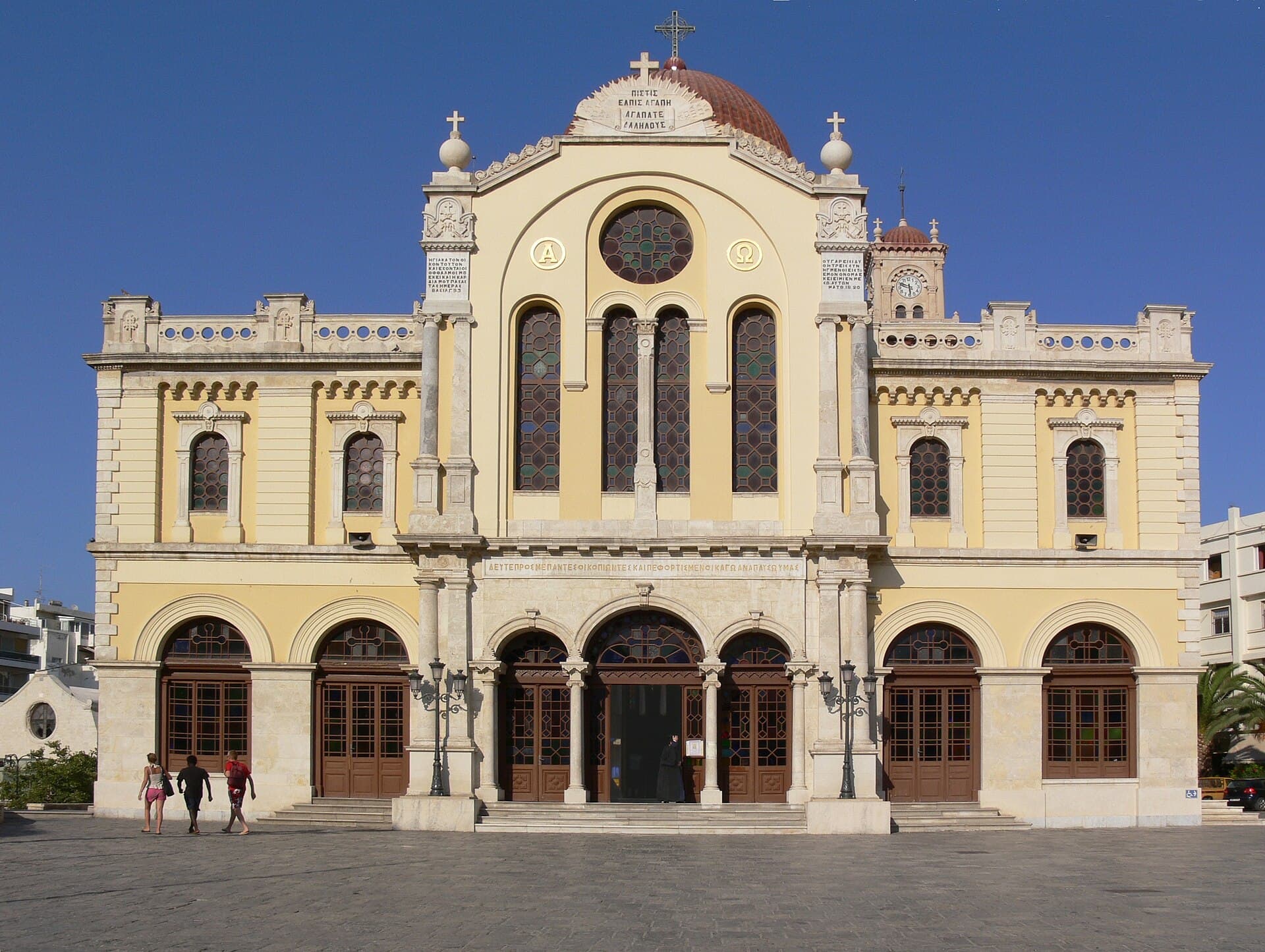 Saint Minas Cathedral**One of the largest cathedrals in Greece**: a vast domed building with two towe12 minutes walk4.8
Venice and the Ottomans fought over Candia (Heraklion) from 1648 to 1669 — twenty-one years of trench and mine that made the city a European military legend and its literature epic. It fell on honourable-exit terms — bequeathing Crete two Ottoman centuries and minarets still on the townscape.