
Morosini's lions
The 1628 basin and its fifteen-kilometre aqueduct.
CC BY-SA 3.0 · Ariadni Siopi — CC BY-SA 4.0 · Dkoukoul — CC BY-SA 3.0 · babbelfisk — CC BY-SA 3.0
Lions Square has been Heraklion's navel since Venice: the Morosini fountain (1628), four lions bearing the basin — its aqueduct hauled Juktas water fifteen kilometres to a thirst-besieged city, and it stayed the centre of everything four centuries on: every rendezvous is at the lions. Around it history serves coffee: the elegant Venetian Loggia (the nobles' club — today's city hall and the island's finest civic building) steps away, St. Mark's basilica (1239) now a gallery, and 1866 Street — the town's pulsing market of Cretan cheese, herbs and honey — branching off. And the square's obligatory rite: bougatsa — the hot cream or cheese pie dusted with sugar and cinnamon from its two century-rival bakeries — Heraklion's official breakfast facing the lions.
The 1628 basin and its fifteen-kilometre aqueduct.
Venice's nobles' club — the island's finest civic front.
Cretan cheese, herbs and honey as a street.
Lions Square, 71201 Heraklion
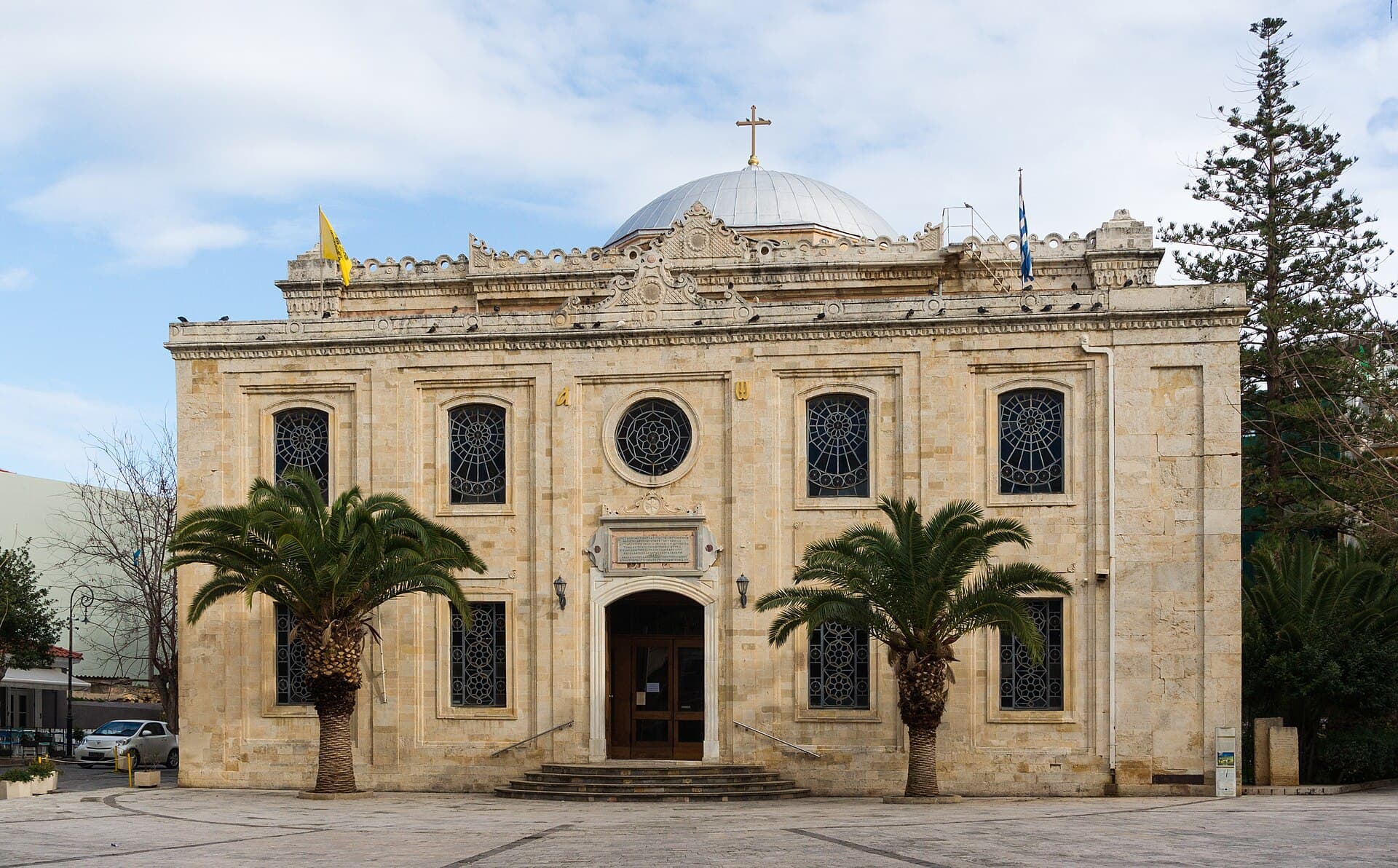 Church of Saint TitusIt stands on a small square in the middle of Heraklion, and its present shape gi2 minutes walk4.6
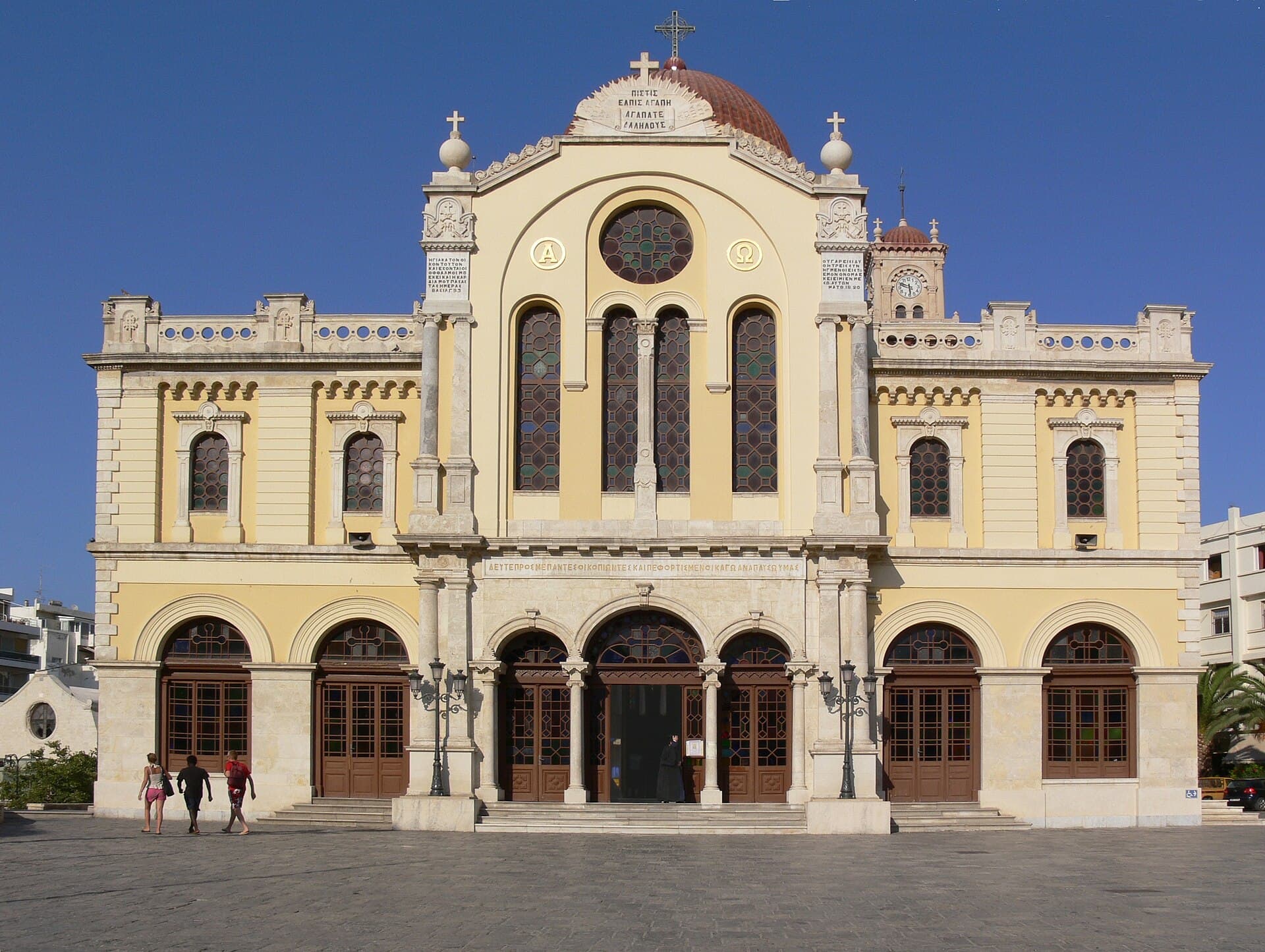 Saint Minas Cathedral**One of the largest cathedrals in Greece**: a vast domed building with two towe3 minutes walk4.8
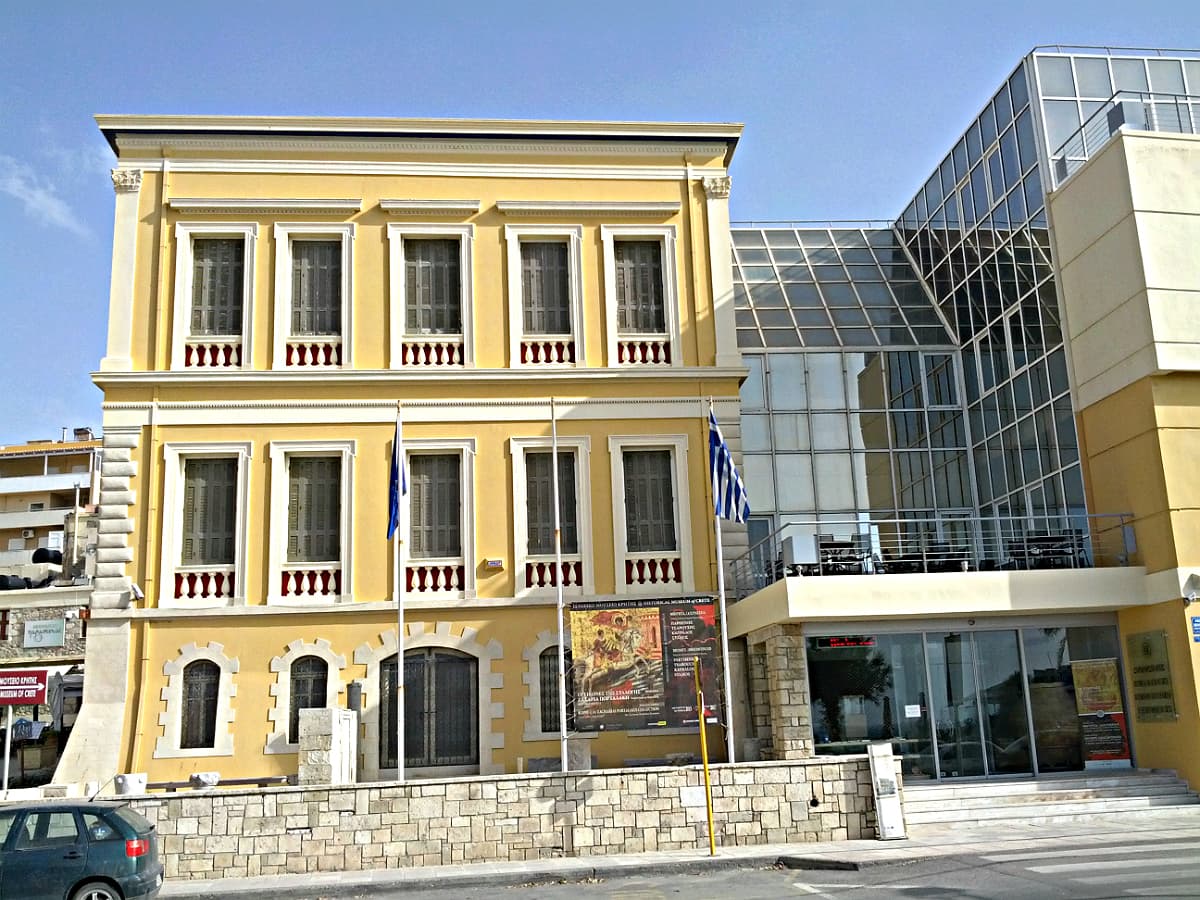 The Historical Museum of CreteThe Historical Museum takes the tale where the Archaeological leaves it: Crete f4 minutes walk4.7
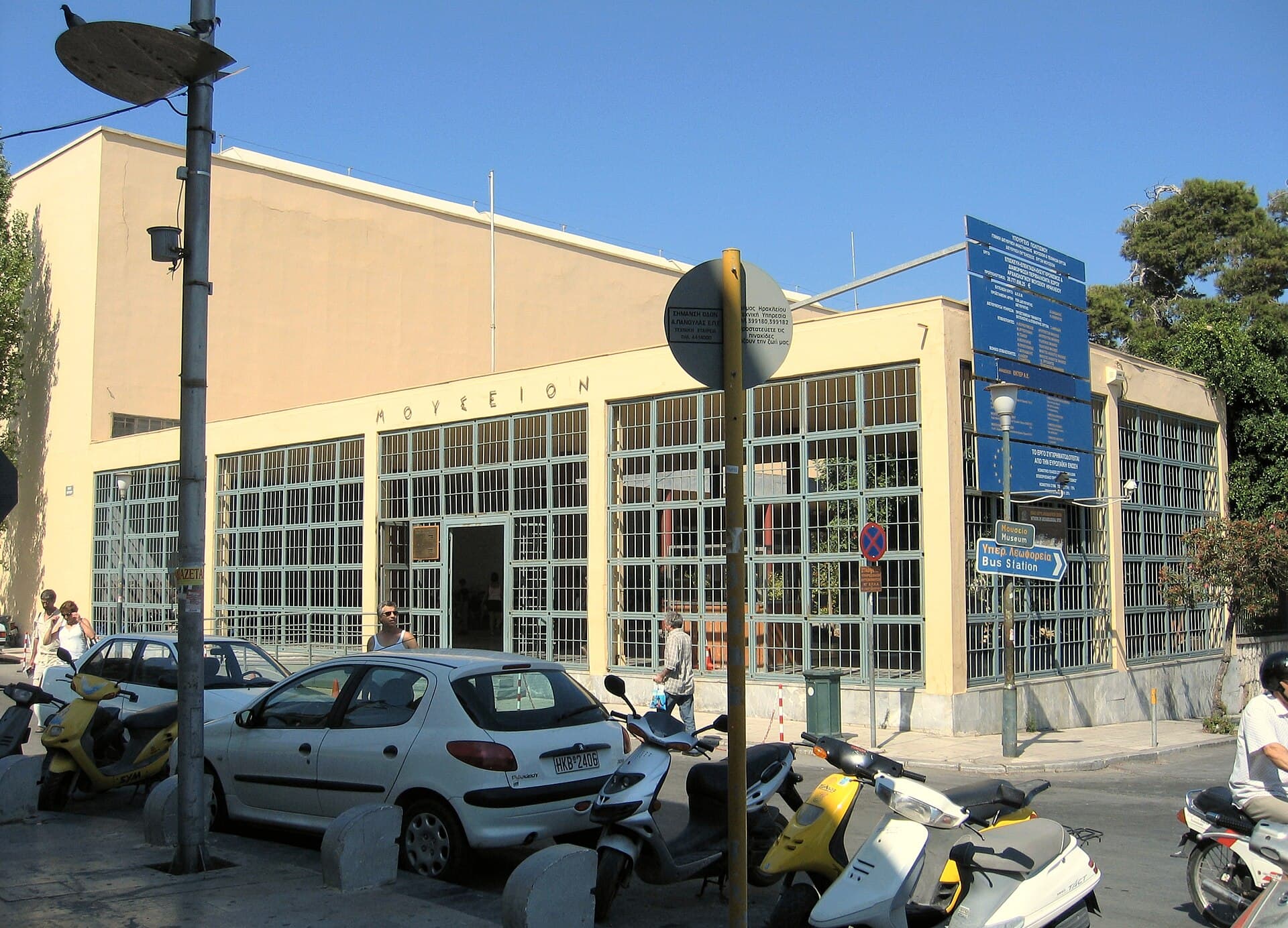 The Heraklion Archaeological MuseumHeraklion's museum is the Minoan civilisation's only home: everything Knossos, P5 minutes walk4.8
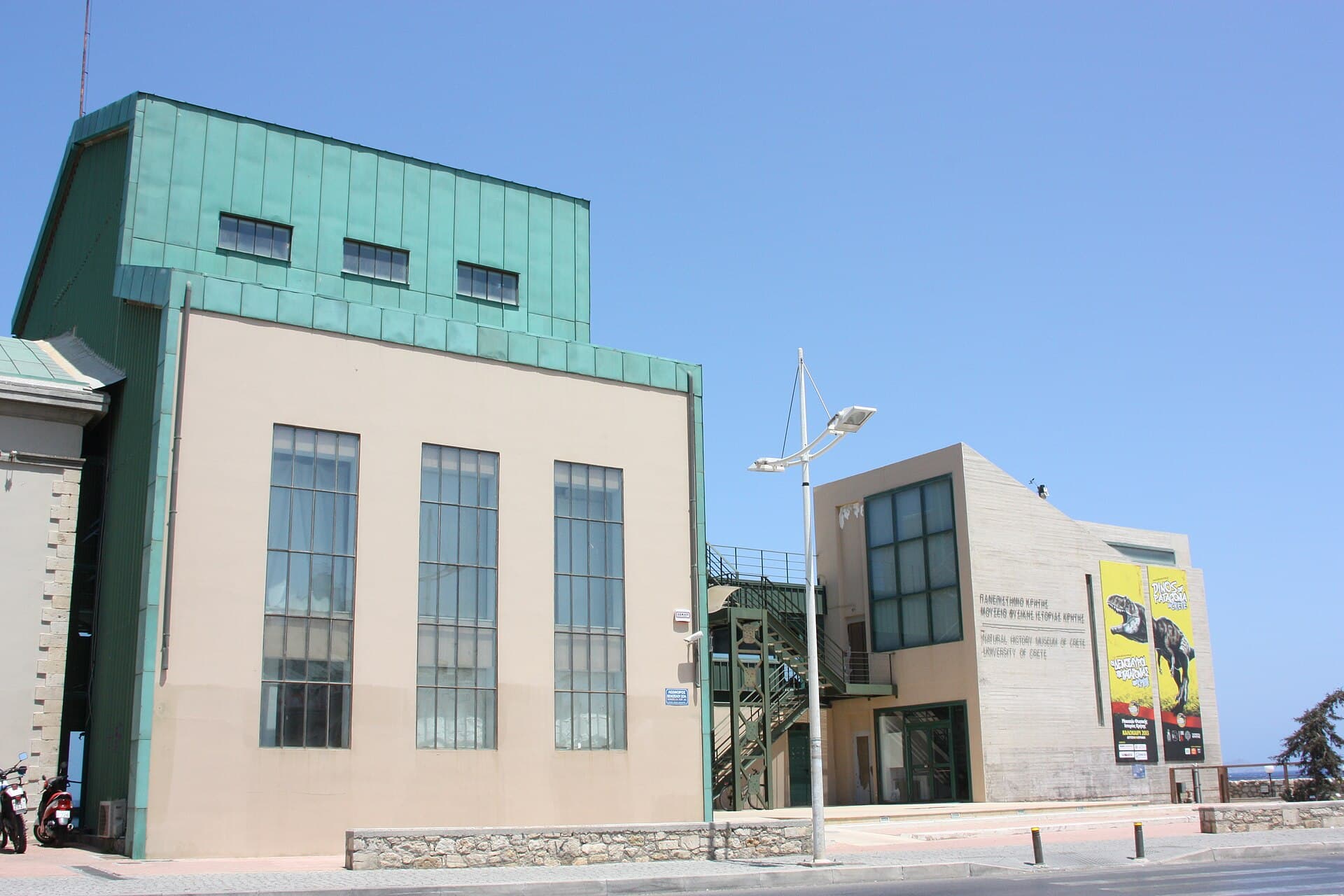 Natural History Museum of CreteA University of Crete museum in a former **power station** on the seafront west 8 minutes walk4.5
Filo pie filled with semolina cream (or Cretan myzithra cheese), baked to order, squared, dusted with sugar and cinnamon — a recipe that came with Asia Minor's refugees (1922) and became Heraklion's morning identity. Eaten hot on the spot with a small fork — and a properly made Greek coffee.