
The royal crypt
Håkon VII and Olav V beneath the palace.
Falk2 — CC BY-SA 4.0 · Photo © 2005 by Tomasz Sienicki [user: tsca, mail: tomasz.sienicki at gmail.com] — CC BY 2.5 · Holger Uwe Schmitt — CC BY-SA 4.0 · Holger Uwe Schmitt — CC BY-SA 4.0
Akershus is the fortress that guarded Oslo seven hundred years without ever falling: built by King Håkon V (1299) on a rock overlooking the fjord, it withstood every siege from the Danes and Swedes to the Nazis — the last occupation the only one to enter without a fight, and here the war's collaborators were executed after liberation, in the very courtyard. The Renaissance palace within (17th century) holds royal halls still used for state receptions today — its crypt holds modern Norway's kings (Håkon VII and Olav V) — and the Armed Forces Museum tells centuries of the country's defence. The walls and courtyards are free and open, walked freely through the day — their view over Oslo fjord and the Opera harbour among the city's finest angles, the changing of the guard a simple daily rite. Its summer sunset over the water is Oslo's first evening ritual.
Håkon VII and Olav V beneath the palace.
Opera House and harbour from centuried walls.
Akershus Festning, 0150 Oslo
 The Nordic Bible MuseumA small museum in central Oslo, opened in 2019, whose collection treats the Bibl6 minutes walk4.9
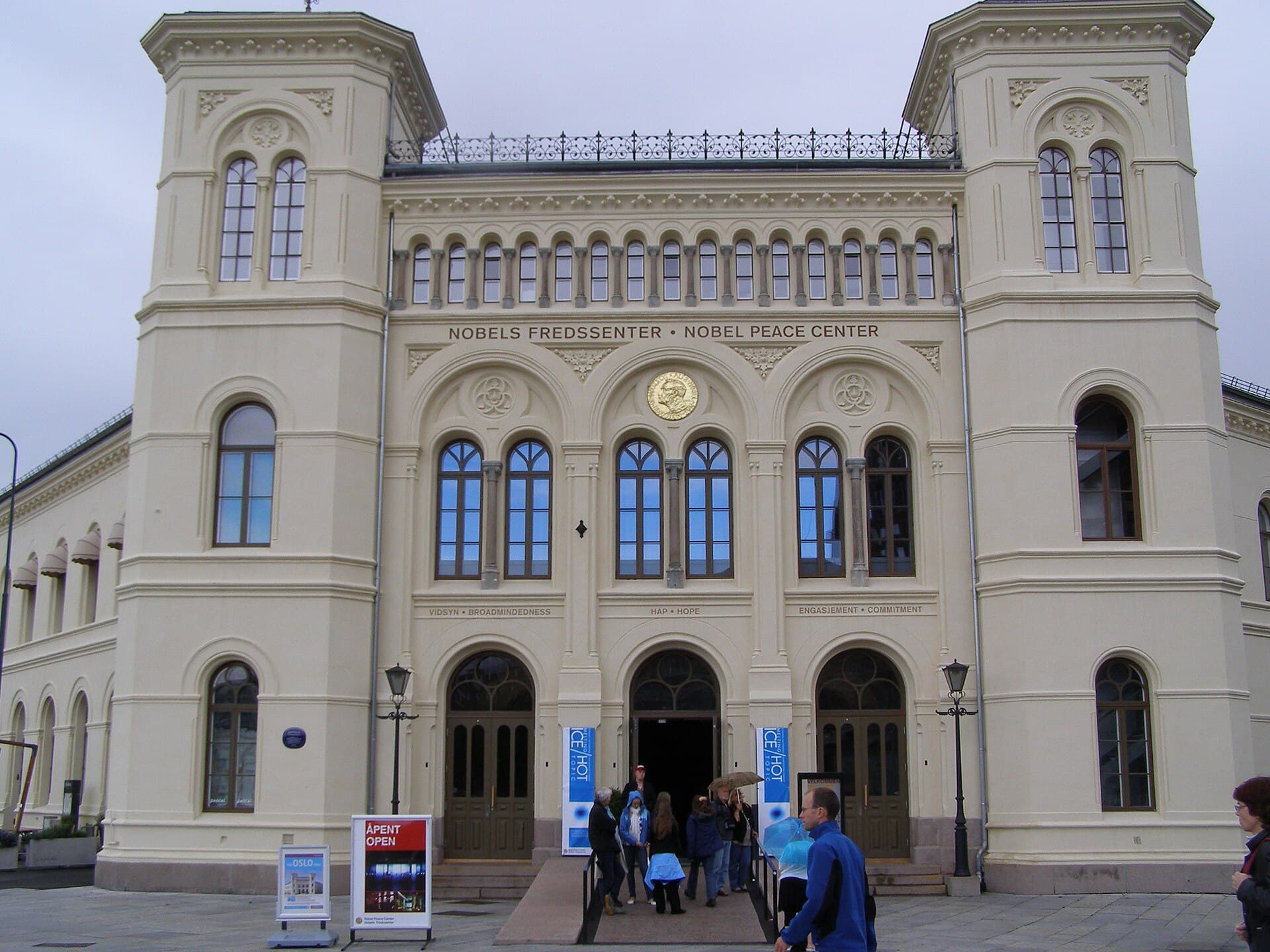 The Nobel Peace CenterThe Nobel Peace Center is the one house telling history's strangest bequest: Alf8 minutes walk4.3
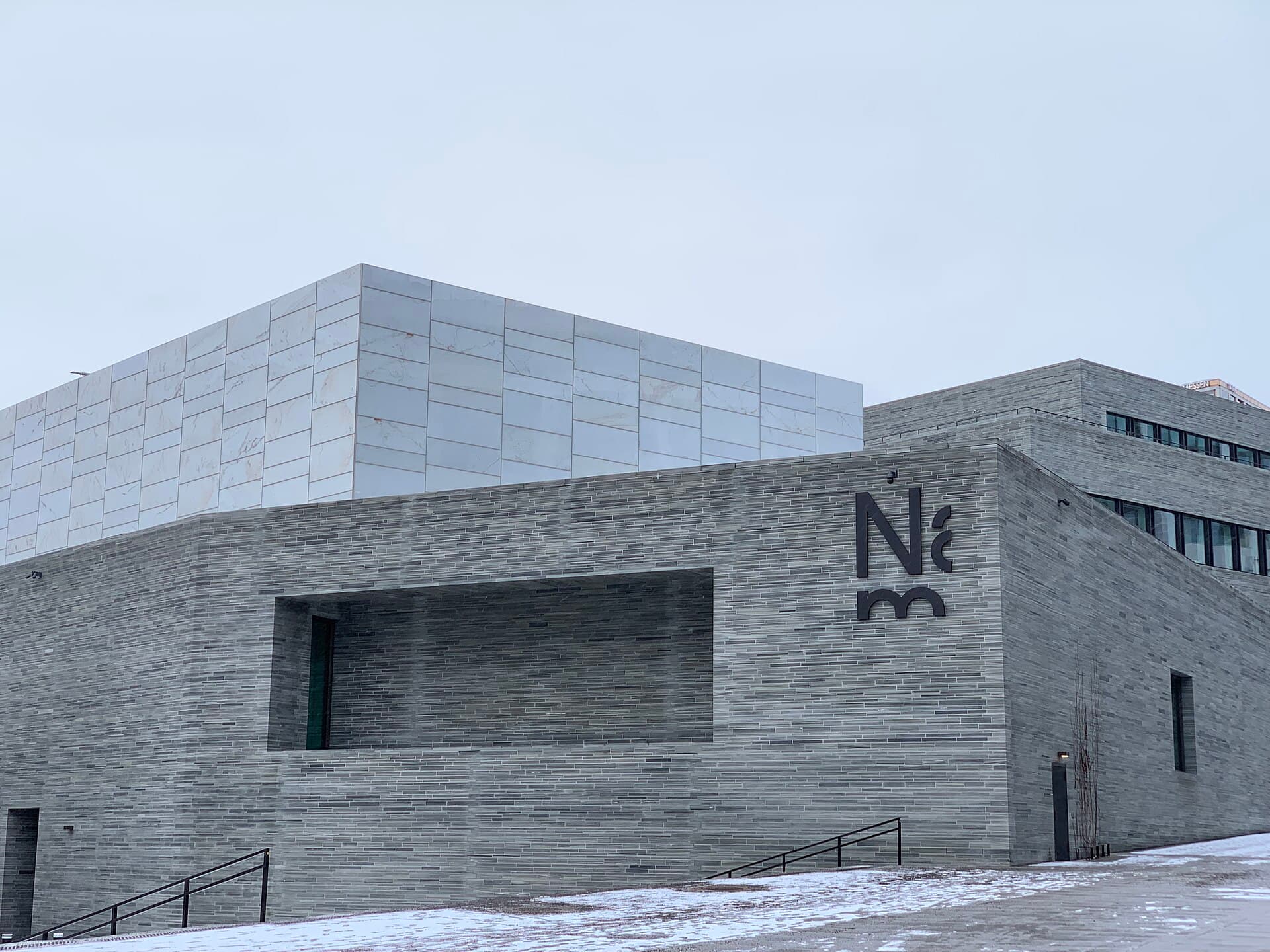 The National Museum of Art, Architecture and DesignNorway's National Museum is all Nordic Europe's largest: opened (2022) in a mass9 minutes walk4.5
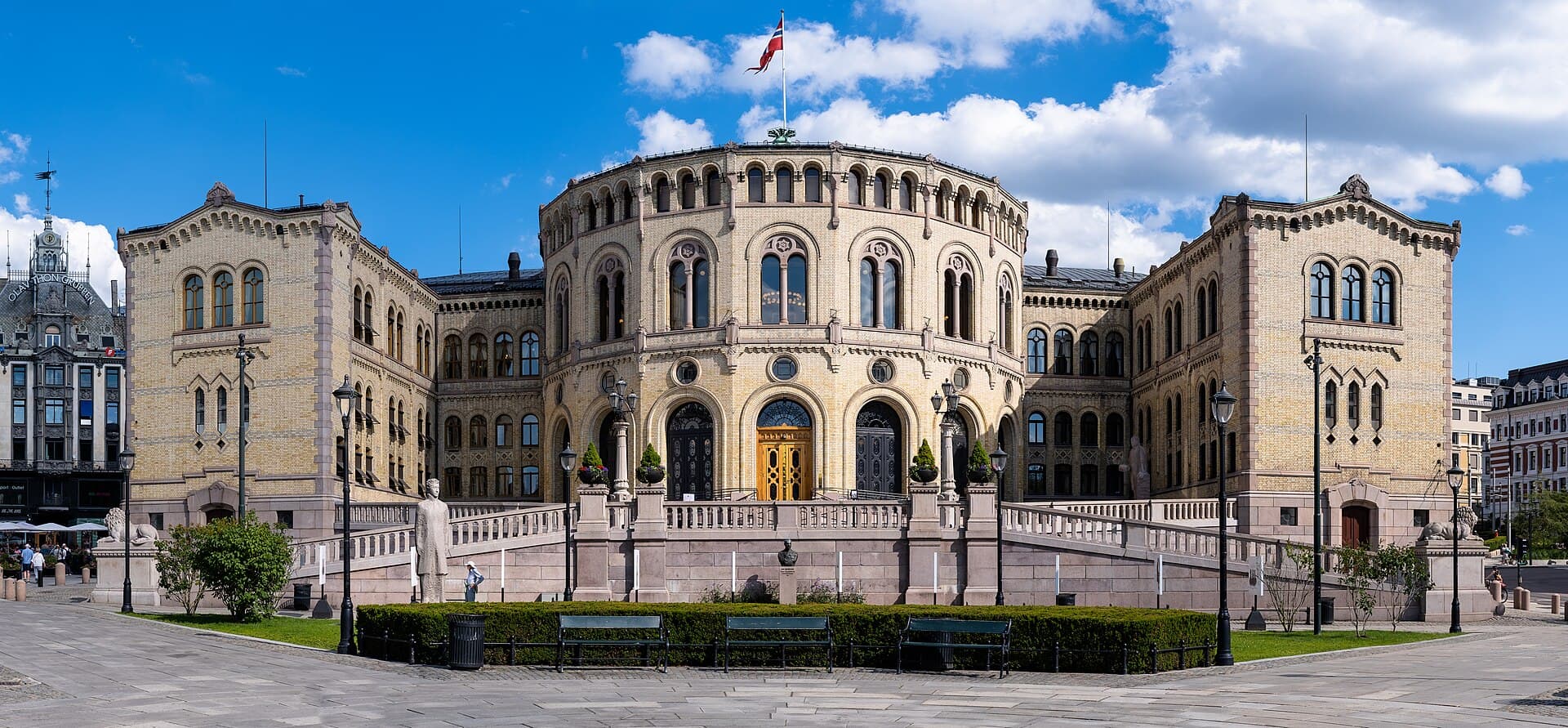 The Storting BuildingThe Storting is the seat of the Norwegian parliament, standing at one end of Kar9 minutes walk4.3
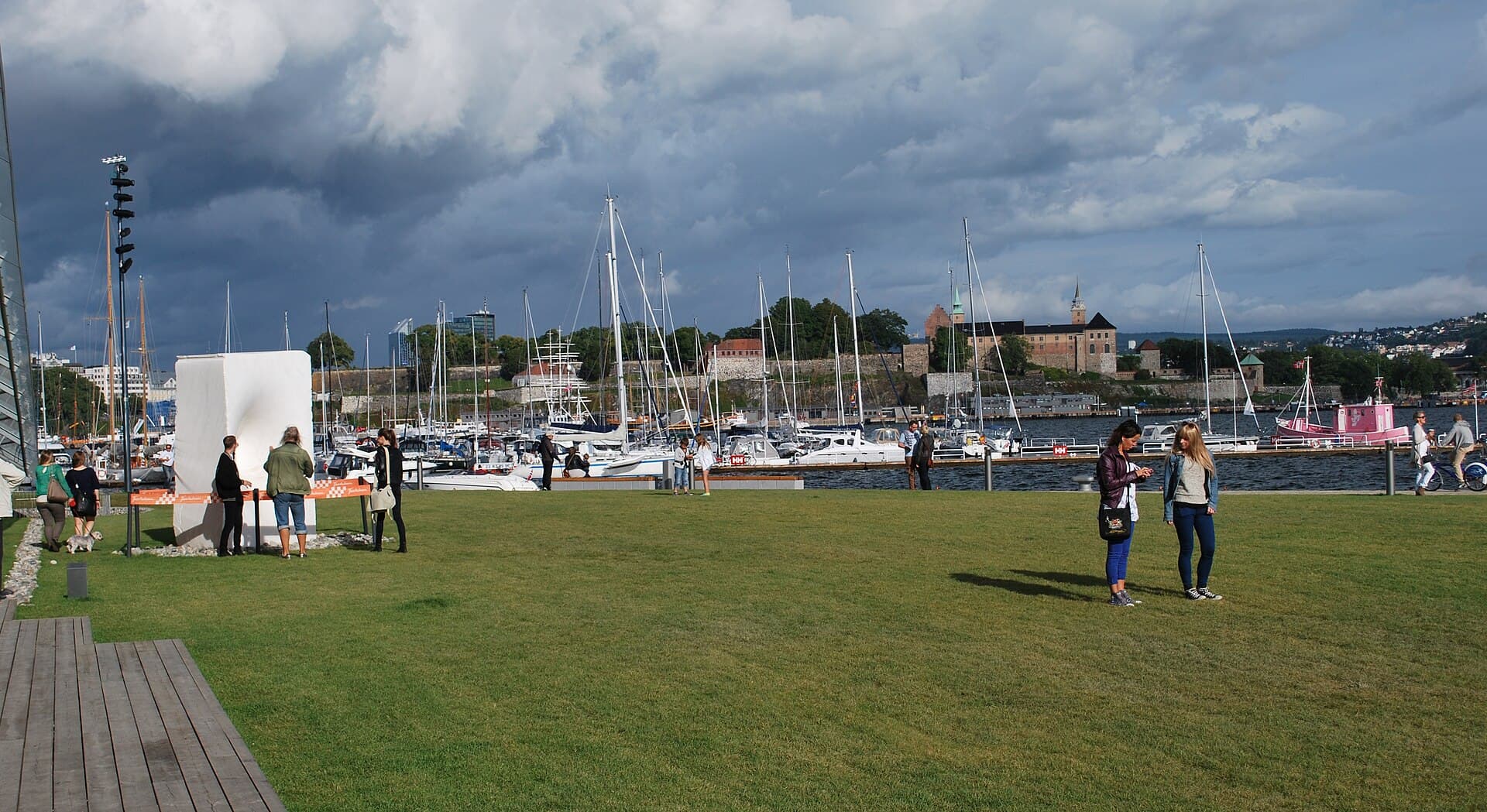 Tjuvholmen Sculpture ParkA small sculpture park at the tip of the Tjuvholmen peninsula on Oslo's waterfro10 minutes walk4.5
Its overlooking rock gave defenders early sight of any sea or land assault, and successive upgrades (Renaissance, then modern artillery) kept pace with every siege era — even the Nazis preferred a peaceful 1940 occupation to confronting it. The sole recorded exception: diplomatic, not military, surrender.