
Garden carpet
Persian treasure.
Jatin shrimal — CC BY 4.0 · Slyronit — CC BY-SA 4.0 · Kini Mee — CC BY-SA 4.0 · Slyronit — CC BY-SA 4.0 · Nishant india — CC BY-SA 4.0 · Manaska — CC BY-SA 3.0 · Starlightthinker — CC BY-SA 4.0 · Vijay Singh — CC BY-SA 4.0
Rajasthan's oldest museum and its state museum, in a grand Indo-Saracenic building that blends Mughal, Rajput and European architecture, designed by the engineer Samuel Swinton Jacob and opened as a public museum in 1887. The building stands in Ram Niwas Garden outside the old city wall, with domes, balconies and decorated arches; it was renovated in 2008 into one of India's most modern museums and is lit at night like a palace from a fairy tale. Its galleries hold a wide range of art and crafts: carpets, including a Persian garden carpet that is one of the museum's great treasures, pottery, metalwork, arms, textiles, miniature paintings, jewellery and antiquities from ancient civilisations. Foreign visitors pay about ₹600, per visitor guides, and it's on the composite ticket. The building looks best after sunset when it is lit up, and the garden around it is pleasant for a stroll.
Persian treasure.
Indo-Saracenic.
Around it.
Ram Niwas Garden, outside the city wall, Jaipur
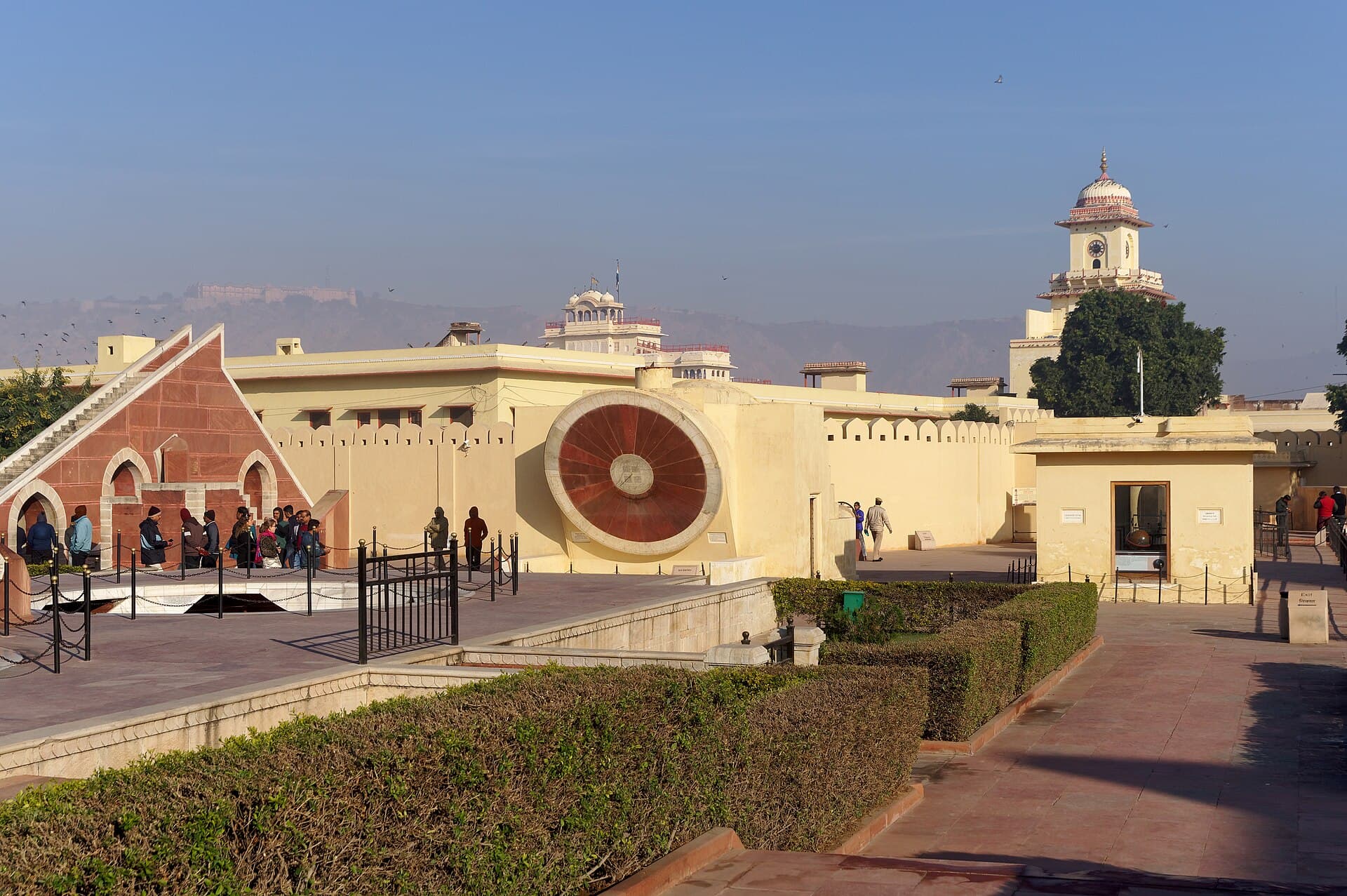 Jantar Mantar, JaipurAn open-air observatory of 19 huge stone astronomical instruments built by Mahar19 minutes walk4.4
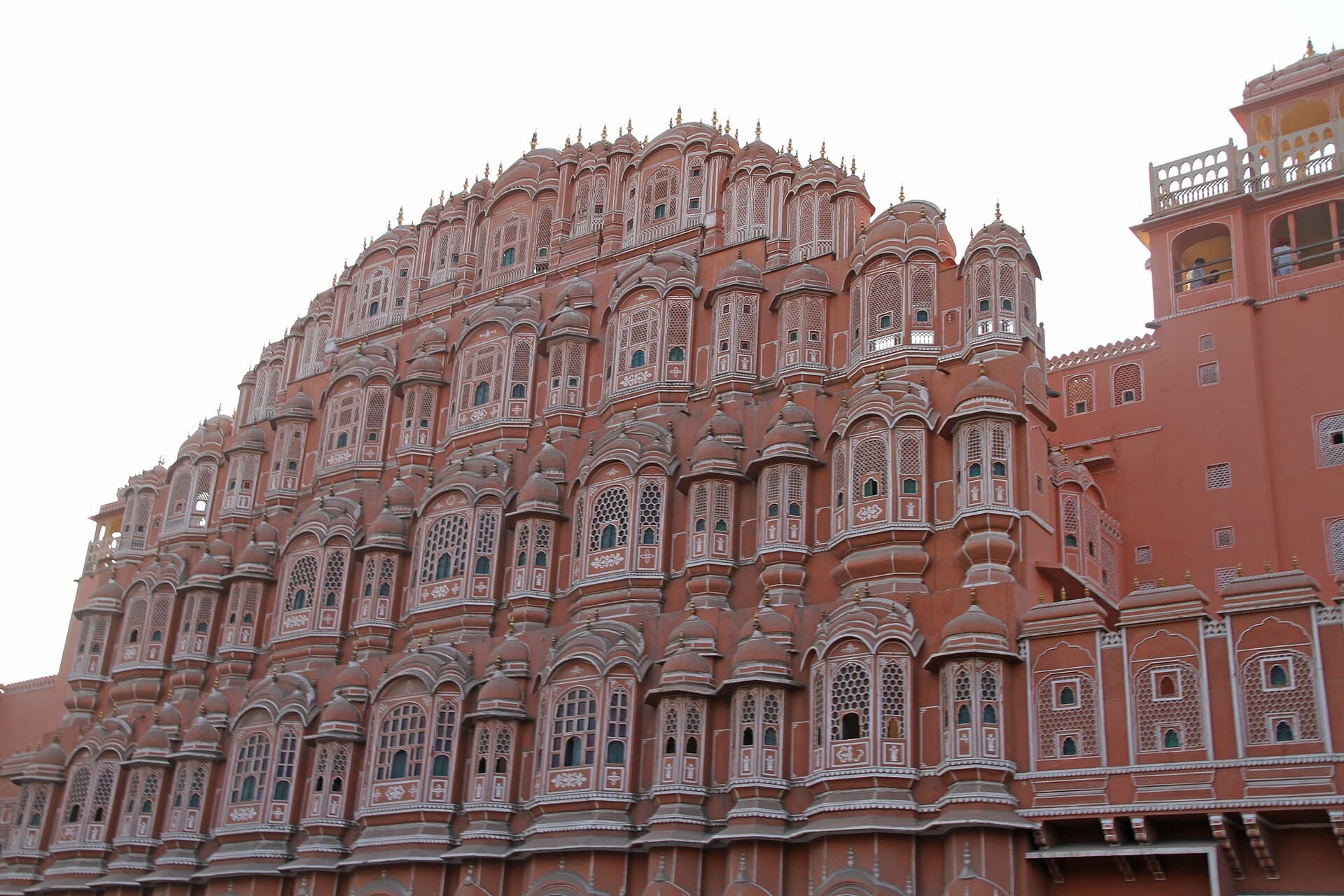 Hawa MahalJaipur's best-known symbol, a palace of pink and red sandstone built in 1799 by 20 minutes walk4.4
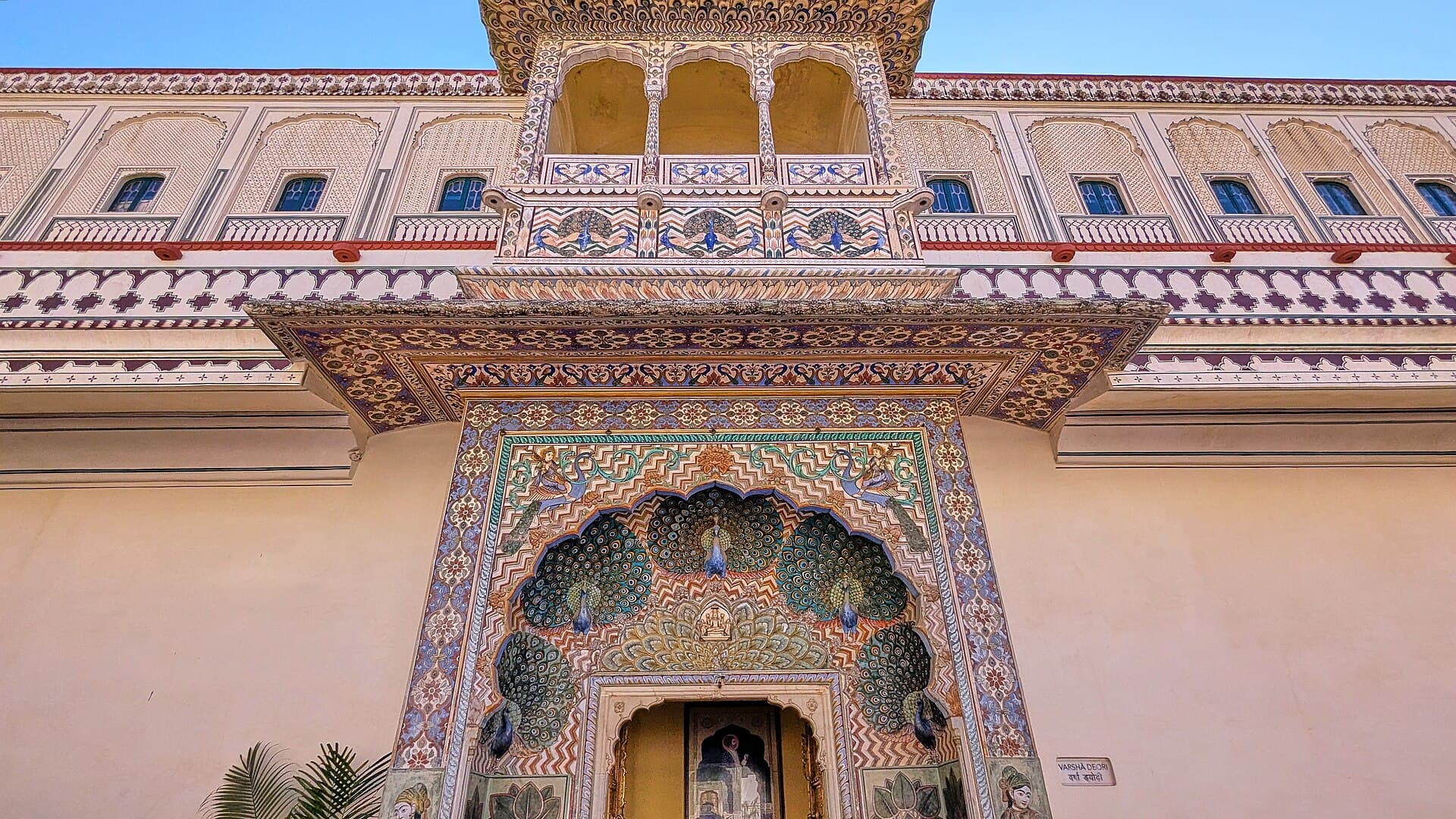 City Palace, JaipurThe royal residence and former seat of the rulers of Jaipur State, begun by Maha20 minutes walk4.5
Yes. The two-day composite ticket (about ₹1,700 for foreigners) covers it; a single ticket is about ₹600, per visitor guides.