
Samrat Yantra
Largest stone sundial.
Jakub Hałun — CC BY-SA 4.0 · Thomas Fuhrmann — CC BY-SA 4.0 · Thomas Fuhrmann — CC BY-SA 4.0 · Neeraj Menon — CC BY 4.0 · Bhaiyaji Smile 123 — CC BY-SA 4.0 · Swapnil.Karambelkar — CC BY-SA 4.0 · Rachana Naik — CC BY-SA 4.0 · Gerd Eichmann — CC BY 4.0
An open-air observatory of 19 huge stone astronomical instruments built by Maharaja Sawai Jai Singh, the founder of Jaipur, and completed in 1734; it holds the world's largest stone sundial and is a UNESCO World Heritage Site. Jai Singh was passionate about astronomy and built five observatories in northern India, of which Jaipur's is the largest and best preserved; its instruments let you track the positions of heavenly bodies with the naked eye, tell the time and follow the sun, stars and planets. Its most famous instrument is the Samrat Yantra, the giant sundial whose gnomon rises about 27 m and tells the time to within two seconds; the observatory looks like a garden of strange geometric sculptures, and a guide helps to understand how each works. Foreign visitors pay about ₹600, per visitor guides, and it's on the composite ticket. It's next to the City Palace; a sunny midday shows the sundials at work clearly, despite the summer heat.
Largest stone sundial.
For the sky.
Like sculpture.
Next to the City Palace, Jaipur
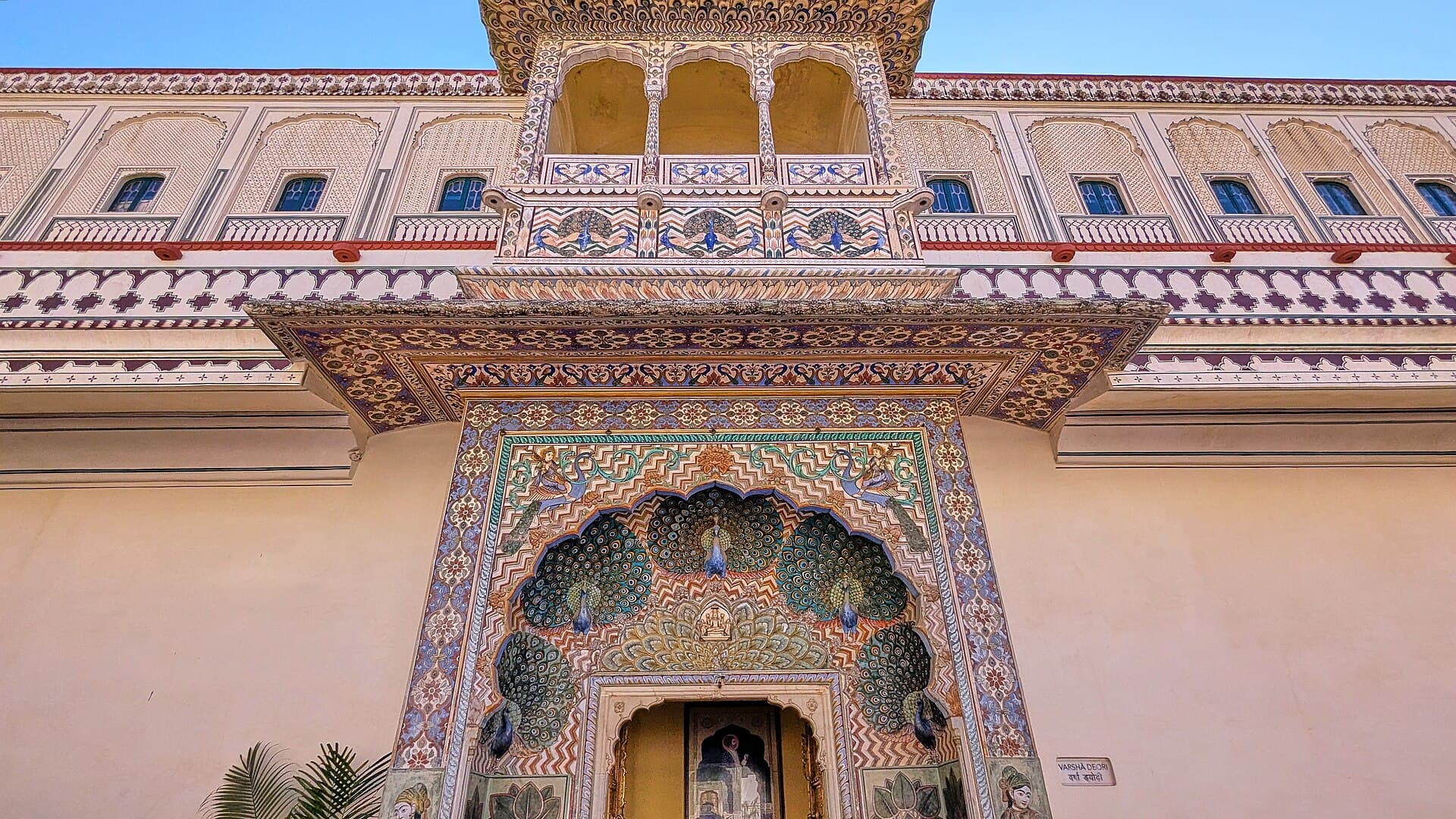 City Palace, JaipurThe royal residence and former seat of the rulers of Jaipur State, begun by Maha2 minutes walk4.5
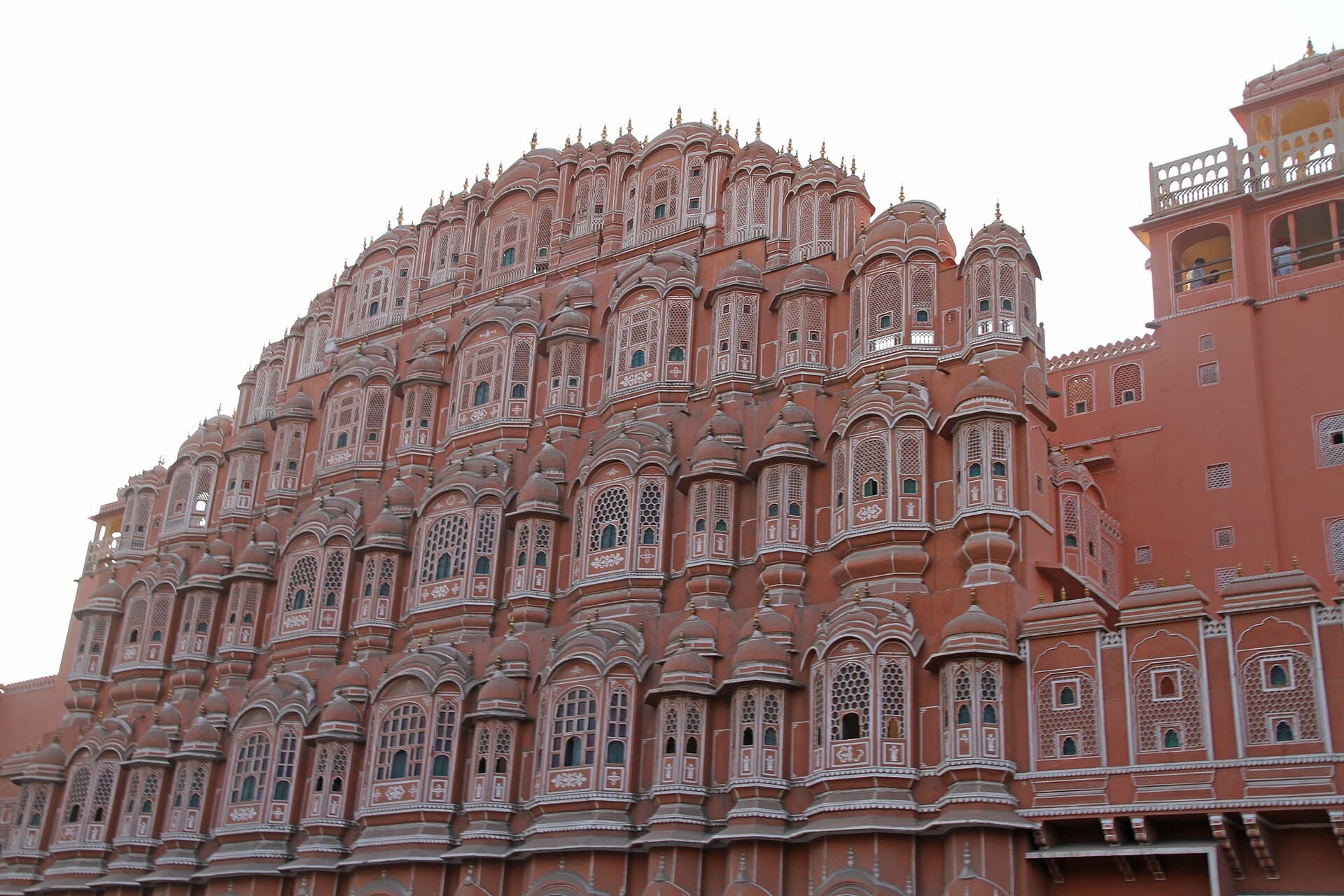 Hawa MahalJaipur's best-known symbol, a palace of pink and red sandstone built in 1799 by 3 minutes walk4.4
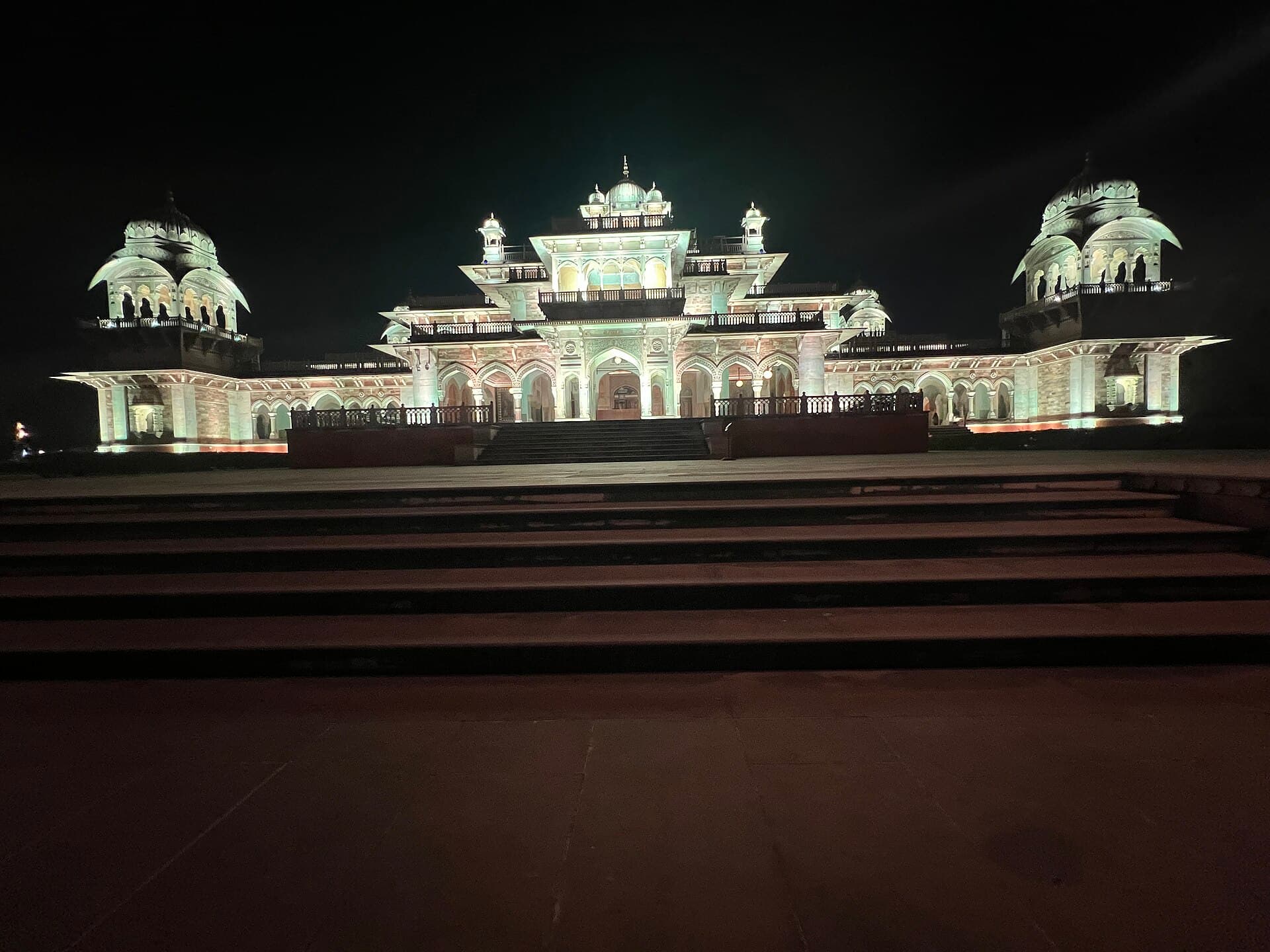 Albert Hall MuseumRajasthan's oldest museum and its state museum, in a grand Indo-Saracenic buildi19 minutes walk4.4
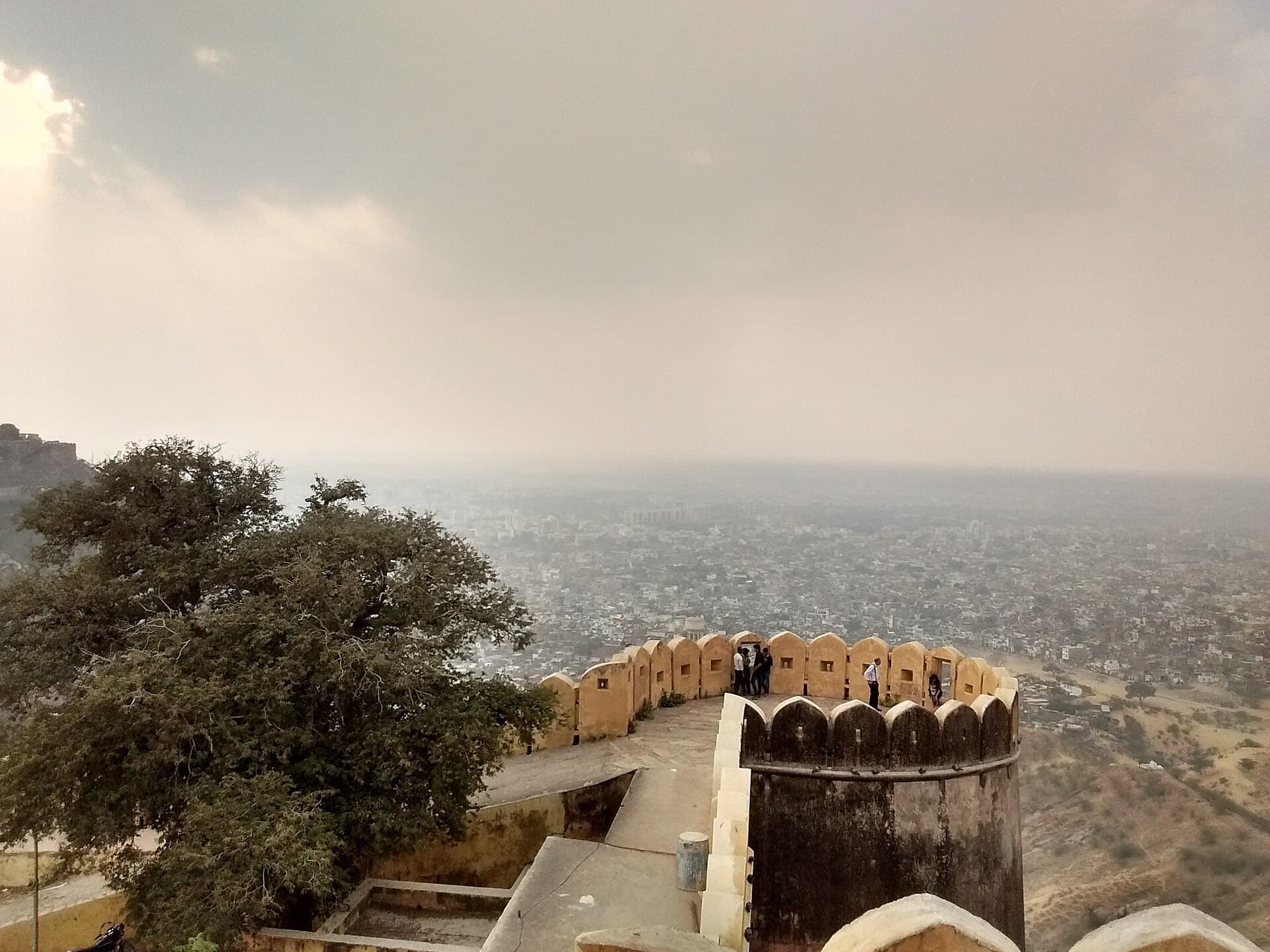 Nahargarh FortA fort on the edge of the Aravalli Hills overlooking Jaipur, built by Maharaja S23 minutes walk4.4
It holds 19 stone astronomical instruments built by the city's founder and completed in 1734, including the world's largest stone sundial; it is a World Heritage Site.