
The façade
Like a honeycomb.
Gerd Eichmann — CC BY 4.0 · Akaar Srivastava — CC BY-SA 4.0 · ADARSH23456789 — CC BY-SA 4.0 · Sidheeq — CC BY-SA 4.0 · Anupamg — CC BY-SA 4.0 · Wiki-uk — CC BY-SA 3.0 · Anupamg — CC BY-SA 4.0 · Saikirannagaragiri — CC BY-SA 3.0
Jaipur's best-known symbol, a palace of pink and red sandstone built in 1799 by Maharaja Sawai Pratap Singh on the edge of the City Palace and known as the «Palace of Winds». Its five-storey honeycomb façade holds 953 small latticed windows called jharokhas, designed to let the women of the court watch street life and festivals without being seen, and to channel breezes that keep the building cool in summer. The famous façade is actually the back of the palace; visitors enter from the other side and climb ramps rather than stairs to the upper floors, with views over the Pink City, the City Palace and Jantar Mantar. Foreign visitors pay about ₹600, per visitor guides, and it's on the composite ticket. The best photo of the façade is from the cafés opposite early in the morning, when the sun lights it and the street is empty.
Like a honeycomb.
To see unseen.
Over the Pink City.
Hawa Mahal Road, old city, Jaipur
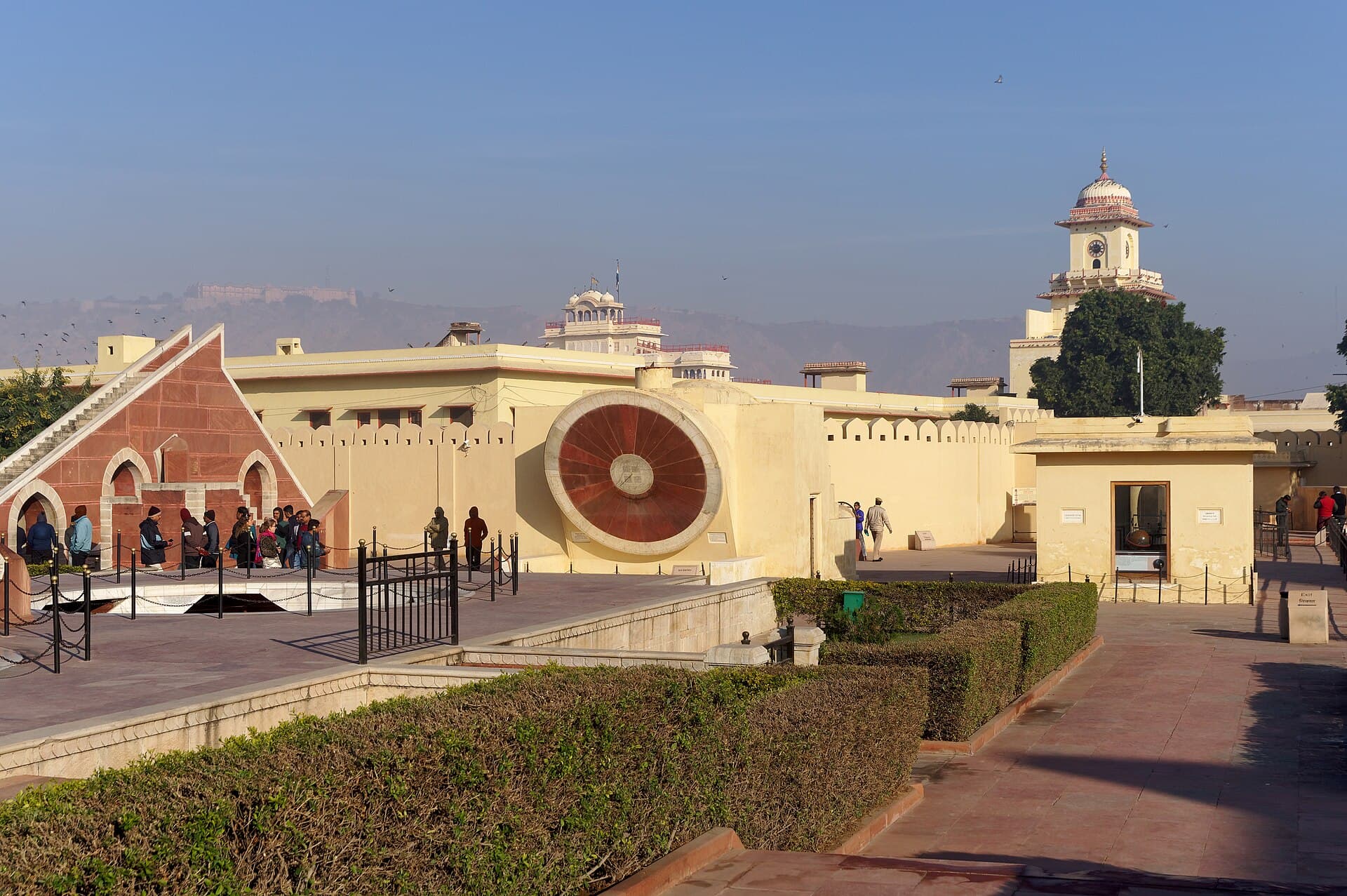 Jantar Mantar, JaipurAn open-air observatory of 19 huge stone astronomical instruments built by Mahar3 minutes walk4.4
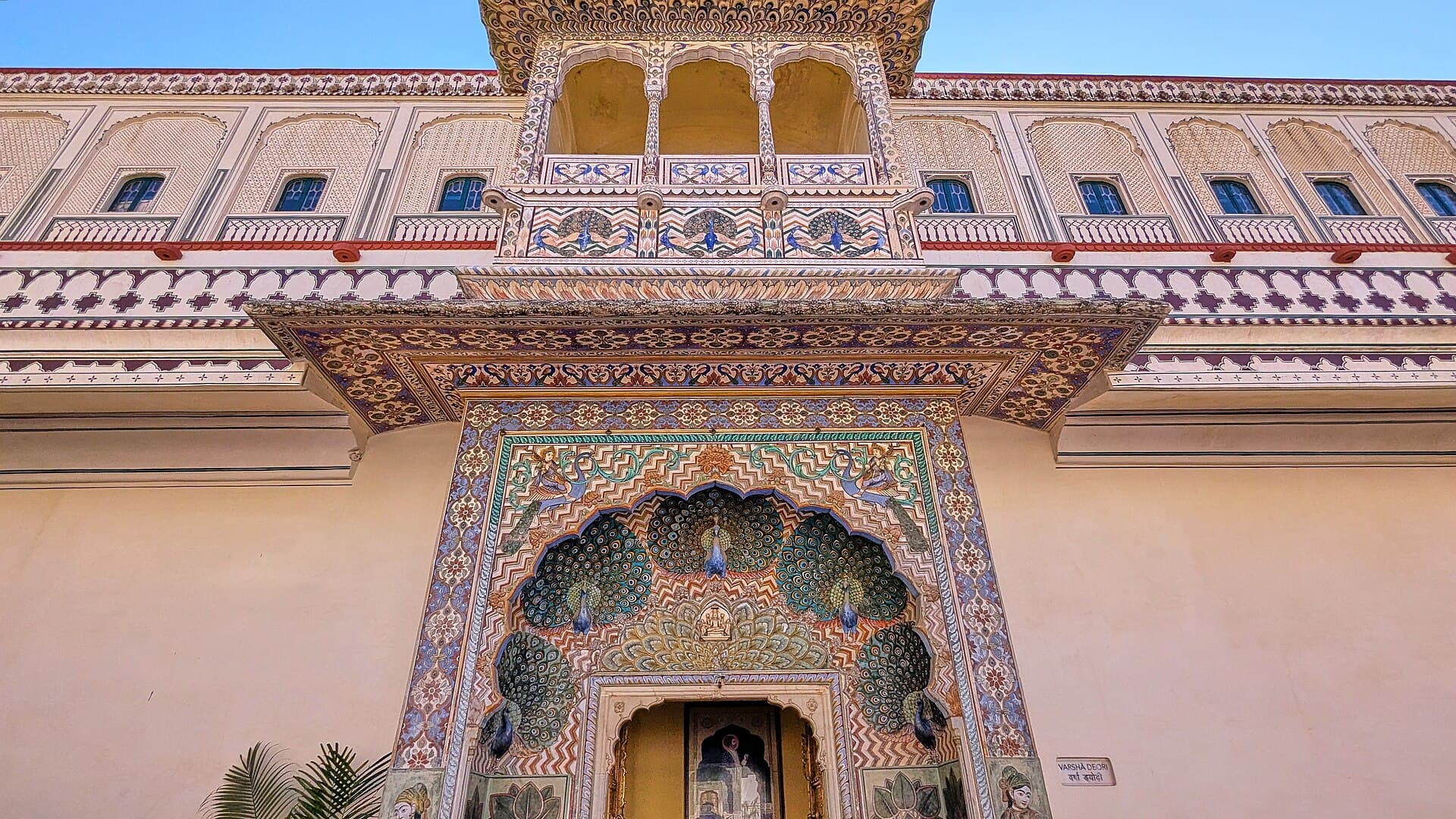 City Palace, JaipurThe royal residence and former seat of the rulers of Jaipur State, begun by Maha4 minutes walk4.5
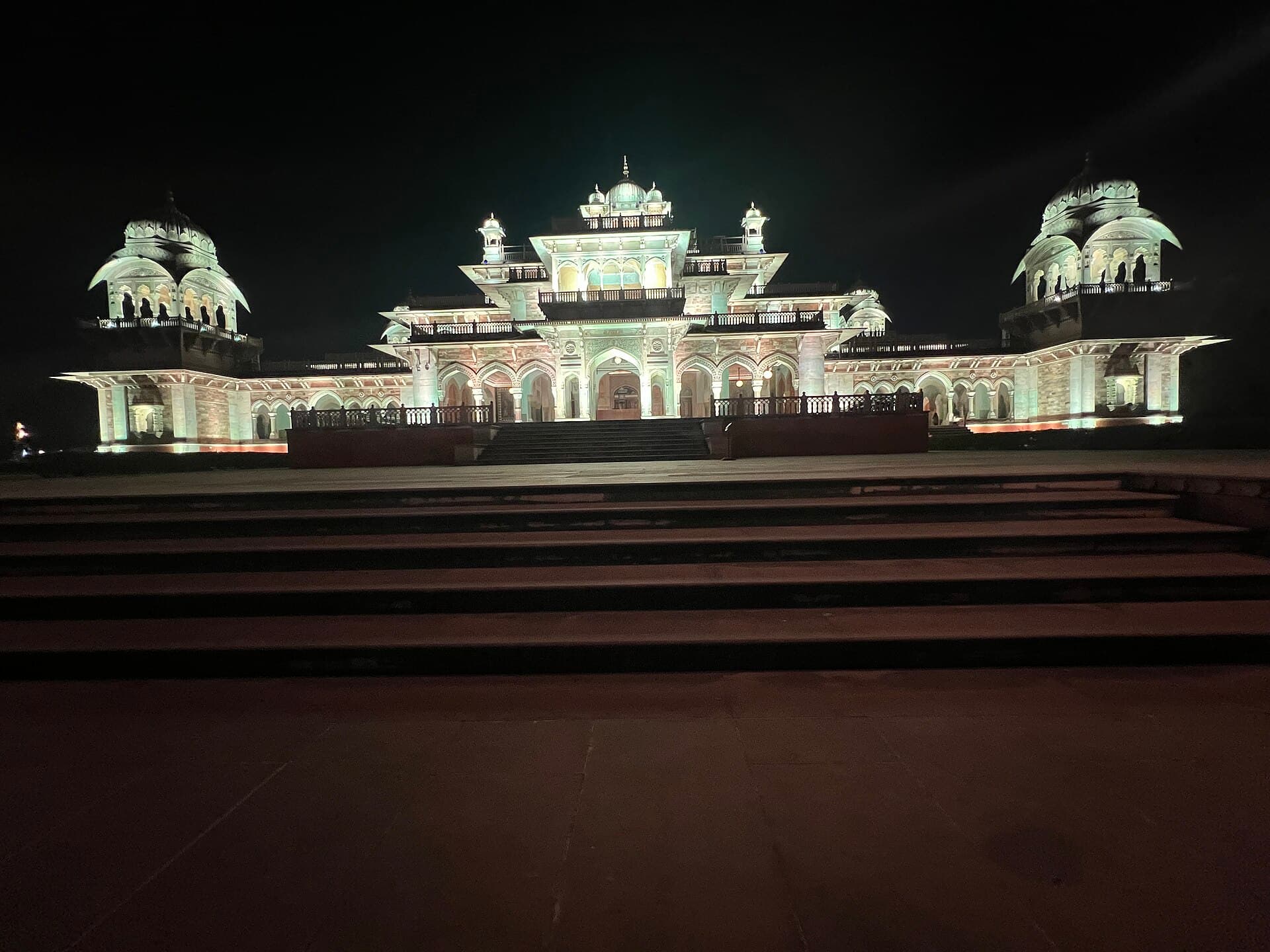 Albert Hall MuseumRajasthan's oldest museum and its state museum, in a grand Indo-Saracenic buildi20 minutes walk4.4
To let the women of the court watch the street and festivals unseen, and to channel breezes that keep the building cool.