
Town Hall facade and clock tower
Alfred Waterhouse's Victorian Gothic front and an 85-metre clock tower with 23 bells, exterior only until spring 2027.
Anthony O'Neil — CC BY-SA 2.0 · Anthony O'Neil — CC BY-SA 2.0 · Bob Harvey — CC BY-SA 2.0 · Stuart Grout — CC BY 2.0
Manchester got its Albert Memorial up years before London did. The Gothic canopy at the centre of this square, designed by Thomas Worthington to shelter Matthew Noble's marble statue of Queen Victoria's husband, was finished in 1865-67, and more than a hundred buildings were demolished in the 1860s simply to give it room; London's better-known version followed in 1872. Then Alfred Waterhouse built the Town Hall along the square's eastern side (1868-77) and the memorial shrank to a footnote beneath a vast Gothic facade and a clock tower roughly 85 metres tall, hung with 23 bells, the heaviest of them, Great Abel, weighing over eight tons. The fact you need before you plan around it: the Town Hall has been closed since 2018 for a refurbishment now costing around £525 million, with reopening scheduled for spring 2027. You will not see the Great Hall or Ford Madox Brown's twelve murals of the city's history. The square itself was redesigned and enlarged as part of the same project; about two-thirds of it has been open again since the 2025 Christmas season, with the strip nearest the building still inside the works, and you may find finishing works in places. What you get today is the facade, the tower, the memorial, the statues of Gladstone, John Bright and Bishop Fraser, and the Diamond Jubilee fountain of 1897. Honestly, that is a quarter of an hour, not more. Treat it as a stop on a walk rather than a destination. St Peter's Square and its Metrolink tram stop are two minutes away, the John Rylands Library about five, the restaurants of Spinningfields roughly the same. The ground is flat and fully paved, fine for pushchairs and older relatives, with nothing to climb. In the summer holidays it is open and fairly quiet; in November and December the festive stalls, lights, Ferris wheel and crowds return, in a scaled-down form since 2025 while the works continue and the main Christmas Markets stay spread across other squares, which is both the best time to see it and the busiest. Photograph it in morning light, when the sun is behind you and the facade is lit, or after dusk when the tower is floodlit. And if your Manchester trip falls after spring 2027, keep a full hour for the interior; then it becomes a real visit rather than a pass-through.
Alfred Waterhouse's Victorian Gothic front and an 85-metre clock tower with 23 bells, exterior only until spring 2027.
A Gothic canopy of 1865-67 over a marble statue, Grade I listed and older than London's famous version of 1872.
The square is the historic heart of Manchester's Christmas Markets; since 2025 a scaled-down version with stalls and a Ferris wheel has returned to two-thirds of it, while the main markets stay in other squares until the works finish.
Albert Square, Manchester M2 5DB
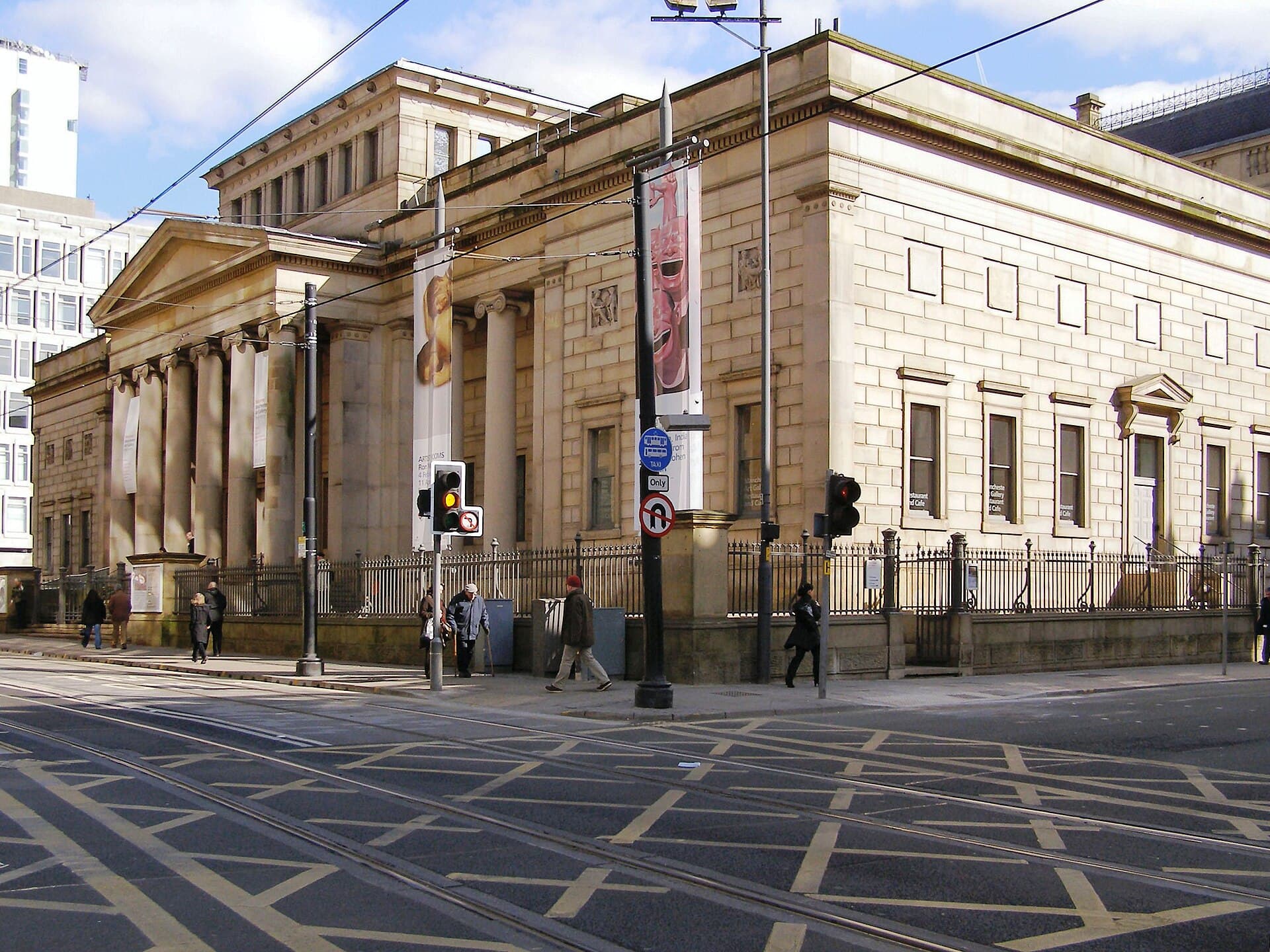 Manchester Art GalleryIn January 2018 this gallery took John William Waterhouse's 'Hylas and the Nymph3 minutes walk4.7
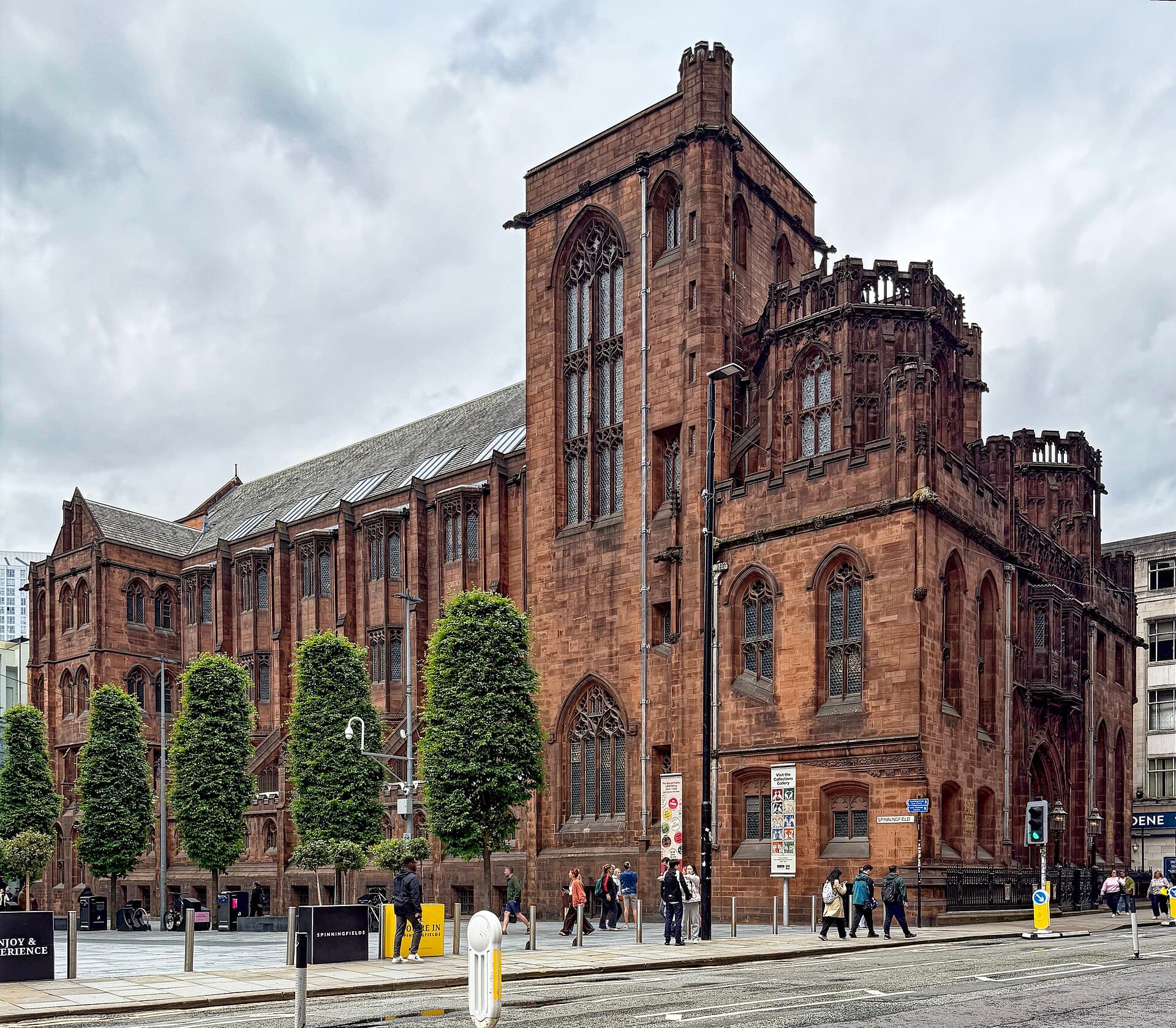 John Rylands LibraryHalfway along Deansgate, between the shops and restaurants, stands what looks li3 minutes walk4.9
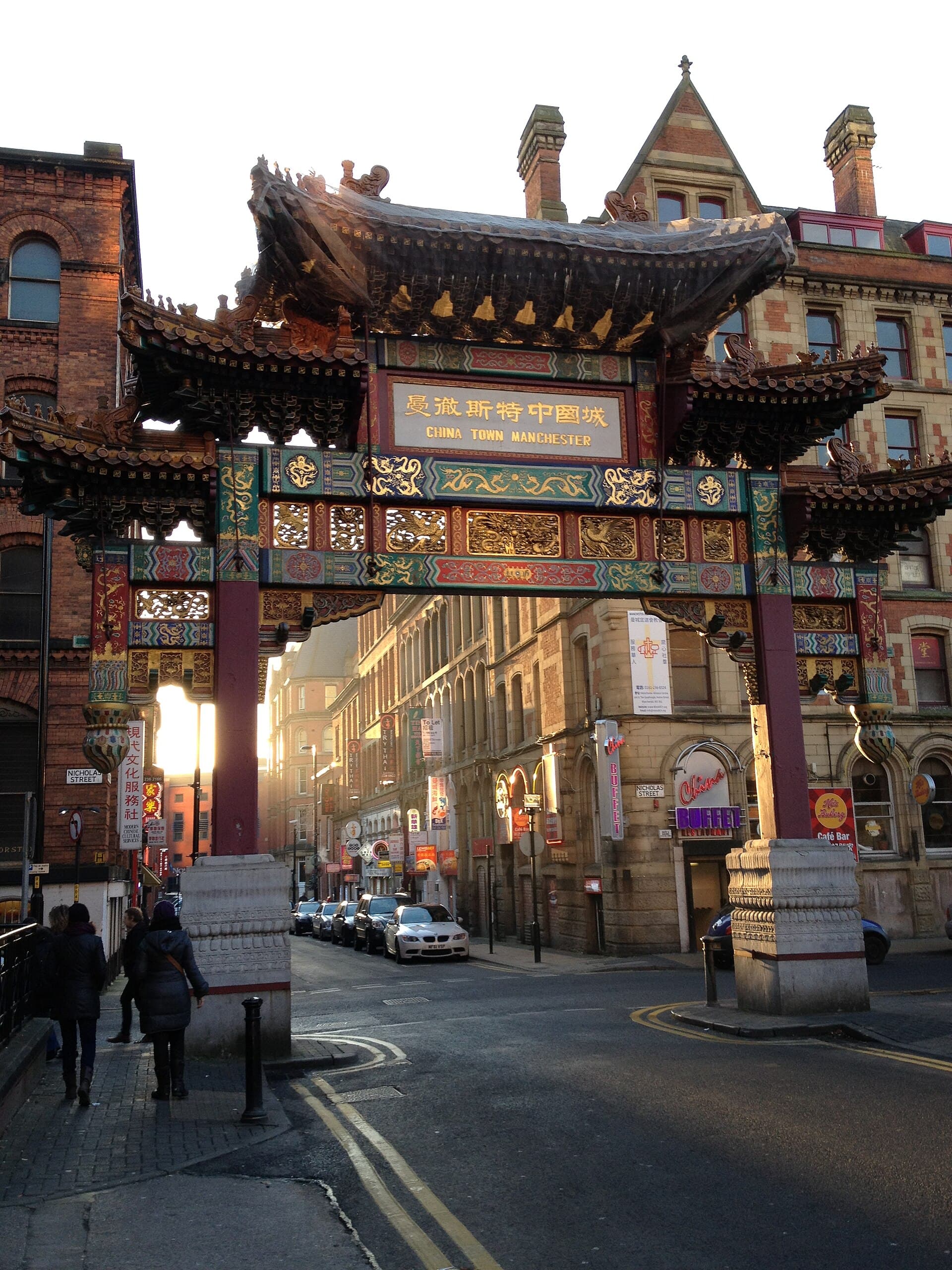 Chinatown, ManchesterThe lavish gateway straddling Faulkner Street was made in China, packed into thr4 minutes walk3.9
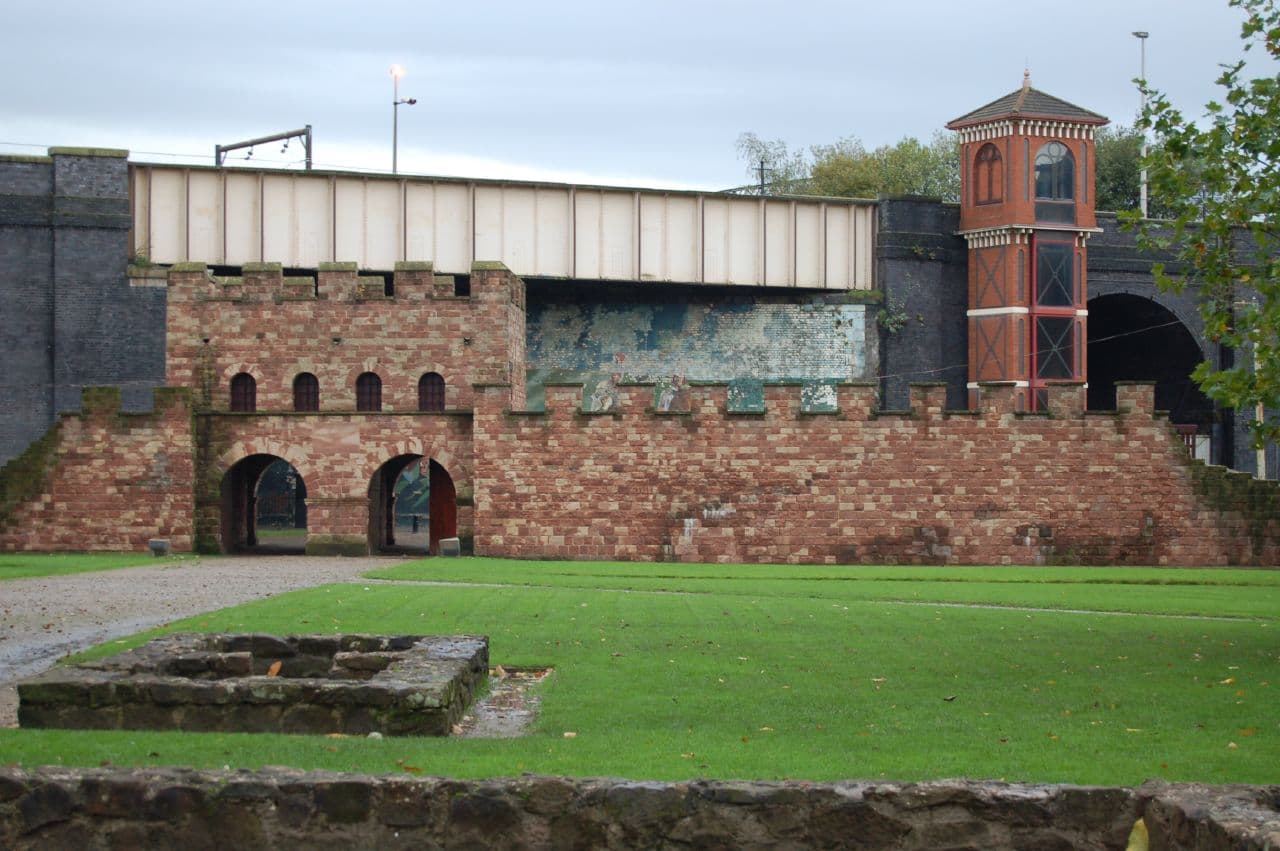 Mamucium Roman FortThe first half of the word Manchester traces back to this patch of ground. A sma7 minutes walk4.1
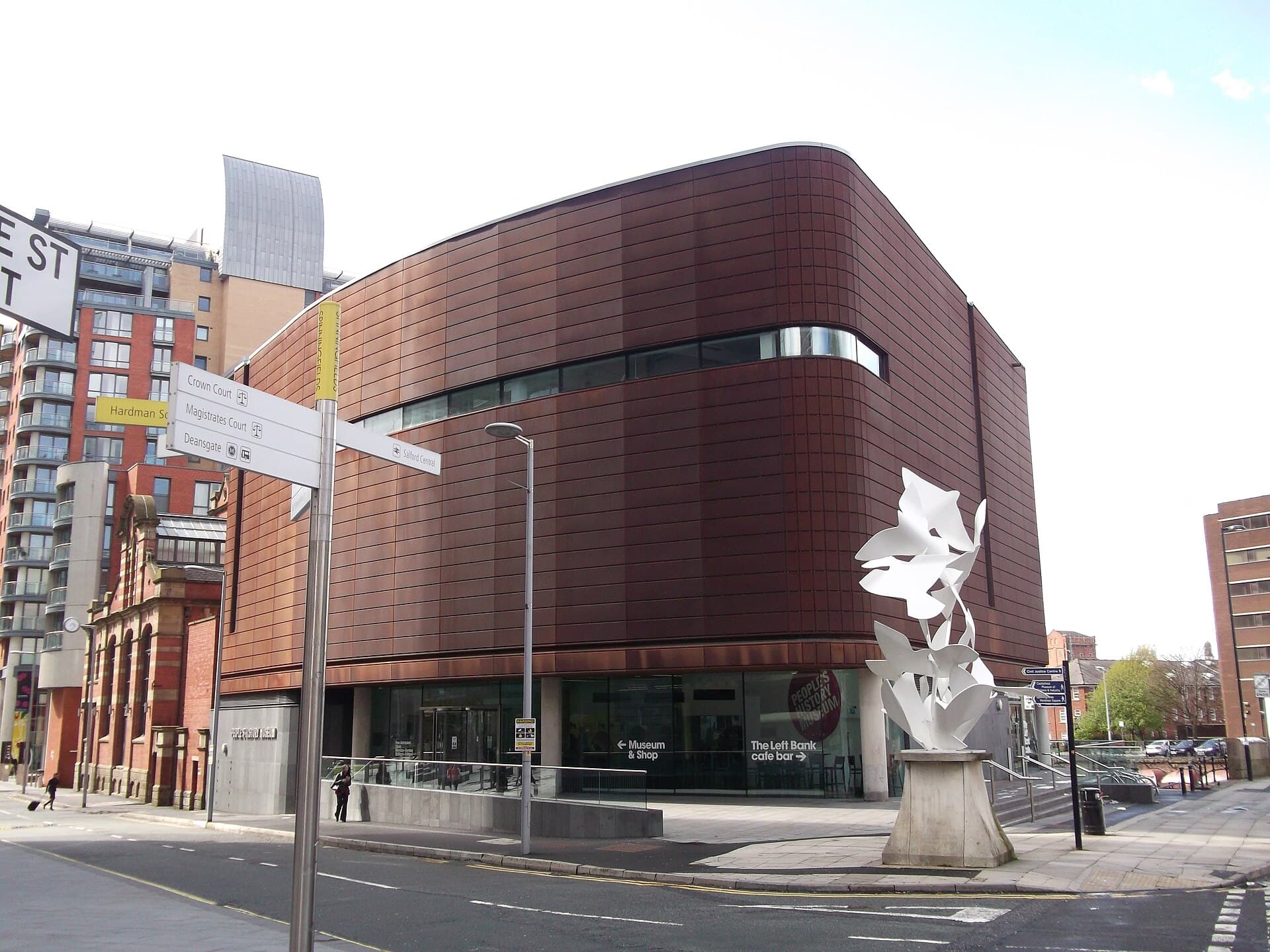 People's History MuseumThe largest collection of trade-union banners on earth, more than four hundred o7 minutes walk4.6
Just pass through. With the Town Hall interior shut until spring 2027, it is a fifteen-minute exterior stop that fits between St Peter's Square and the John Rylands Library. The exception is November and December, when the Christmas stalls and Ferris wheel fill it and it earns an hour with children.