
The banners
More than four hundred painted and embroidered union banners, the world's largest collection, rotated in a yearly banner exhibition.
Bernard Randall — CC BY-SA 3.0 · Patyo1994 — CC BY-SA 4.0 · Patyo1994 — CC BY-SA 4.0 · People's History Museum — Public domain
The largest collection of trade-union banners on earth, more than four hundred of them, painted and embroidered on silk and cotton, hanging inside an old hydraulic pumping station on the bank of the River Irwell. This is the People's History Museum, which calls itself the national museum of democracy: not a museum of kings or palaces, but of the people who demanded the vote, a shorter working day and a fair wage, and sometimes paid for it in blood. The building is half the story. Henry Price's red-brick pump house, opened in 1909, still stands, now Grade II listed, and a £12.5 million redevelopment bolted a four-storey modern extension onto it, with the museum reopening in February 2010. The two main galleries walk you through two centuries of struggle: the Peterloo Massacre of 1819, when cavalry charged a peaceful Manchester crowd asking for representation, then the Chartists, the unions, the suffragettes, and the founding of the Labour Party. Best of all, Main Gallery Two holds the textile conservation studio behind glass, so you watch conservators working on a century-old banner as you pass. Entry is free, with most visitors donating £10 according to the museum, and individuals do not need to book; only groups of more than six must. Doors open 10:00 to 17:00 every day except Tuesday, and that weekly closure catches people out, so check the calendar. It is an easy place with children: buggies are welcome, there is a Quiet Room, and the Gather café serves hot food until 15:00. Even in the summer holidays it rarely feels crowded, because most visitors are British with a taste for politics and social history. Who is it for? Readers of history who want to understand how the British became who they are, and anyone spending a week in Manchester who needs something free and dry on a wet afternoon. If you have a day or two and your list already holds the Science and Industry Museum and the National Football Museum, this comes third: an hour is plenty, and you may spend half of it on the banners alone.
More than four hundred painted and embroidered union banners, the world's largest collection, rotated in a yearly banner exhibition.
Textile conservators work behind glass in Main Gallery Two while you watch.
Henry Price's red-brick 1909 pumping station is Grade II listed, fused to a modern extension opened in 2010.
Left Bank, Bridge Street, Spinningfields, M3 3ER
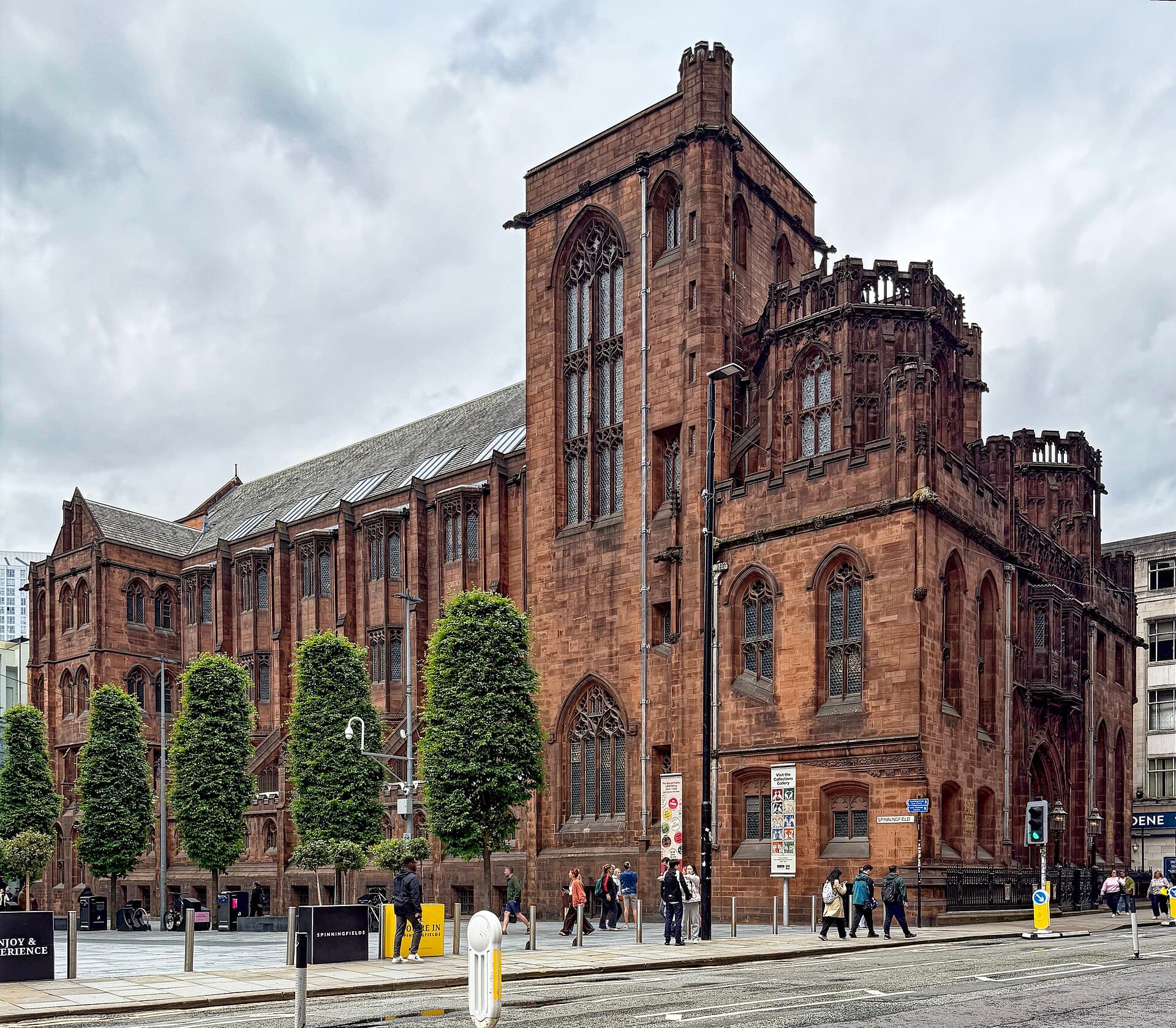 John Rylands LibraryHalfway along Deansgate, between the shops and restaurants, stands what looks li4 minutes walk4.9
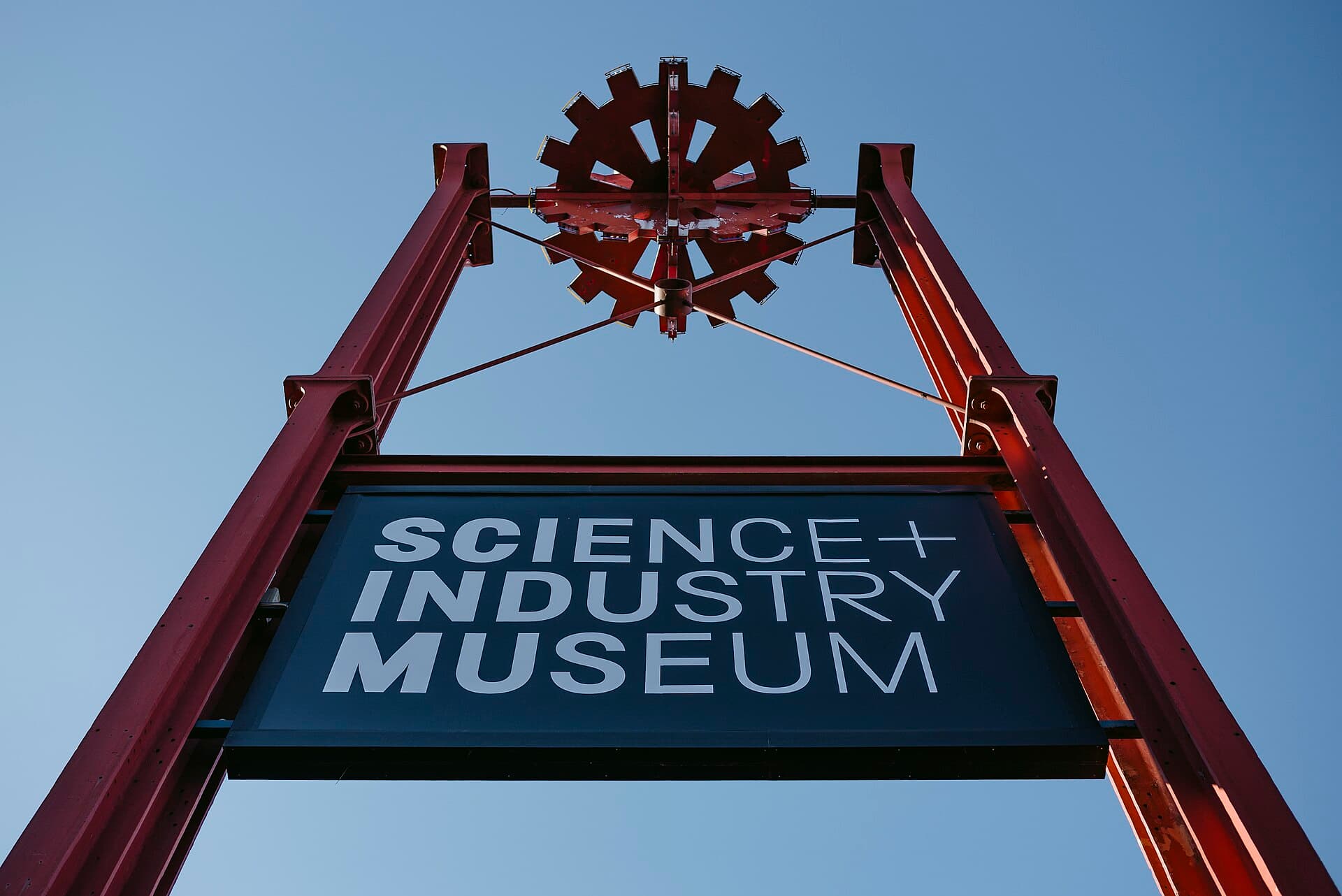 Science and Industry MuseumThe world's first inter-city passenger train left from exactly this spot in 18306 minutes walk4.3
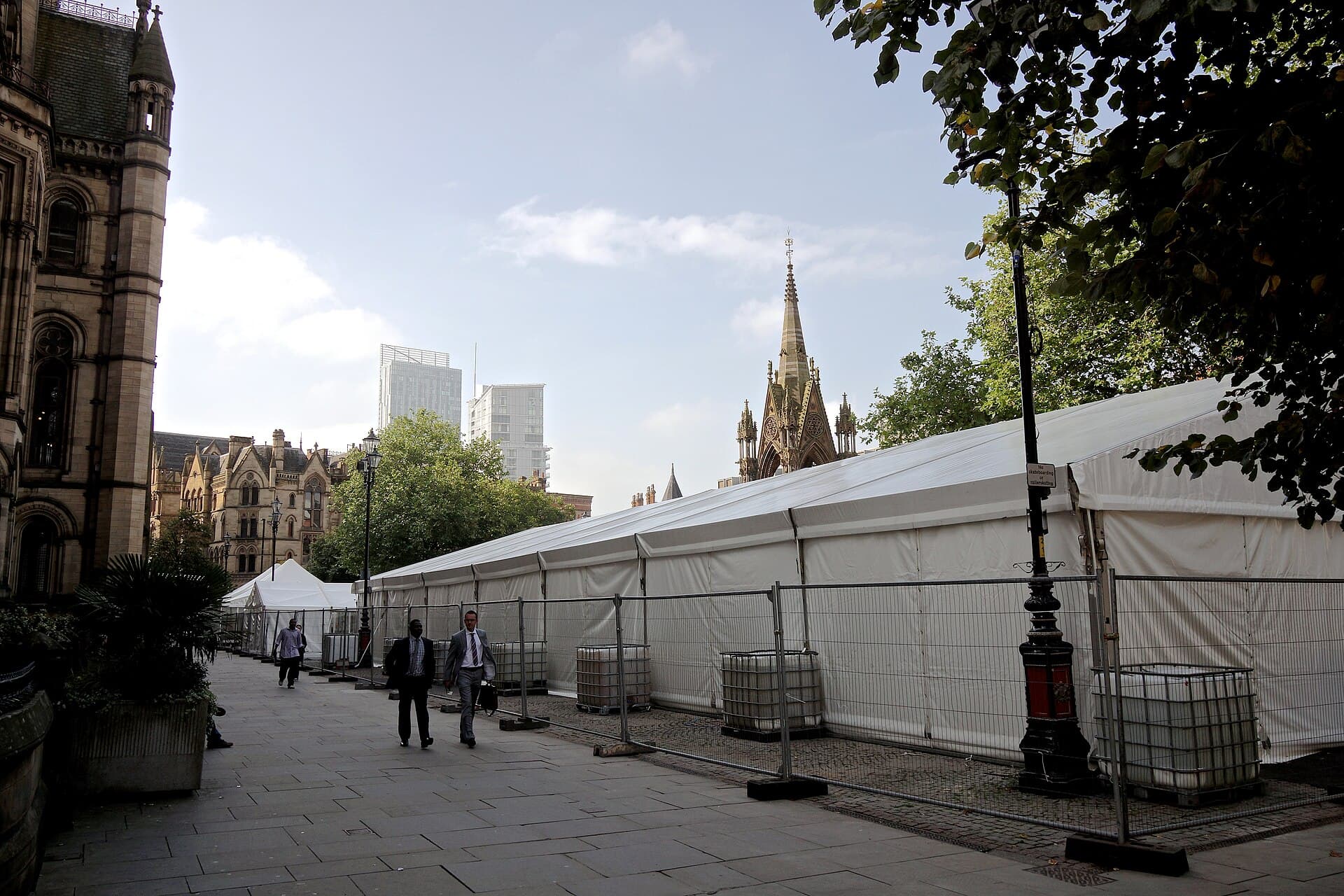 Albert SquareManchester got its Albert Memorial up years before London did. The Gothic canopy7 minutes walk4.3
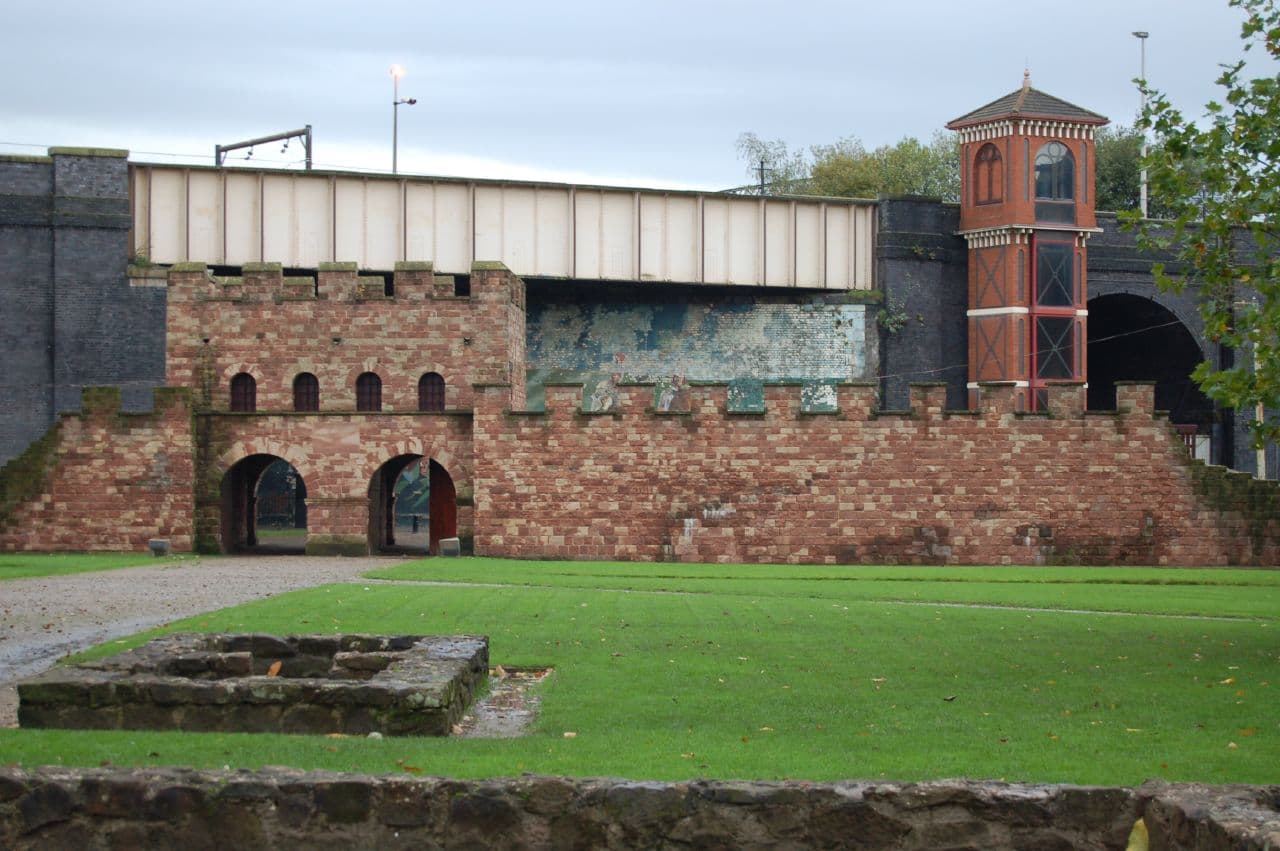 Mamucium Roman FortThe first half of the word Manchester traces back to this patch of ground. A sma8 minutes walk4.1
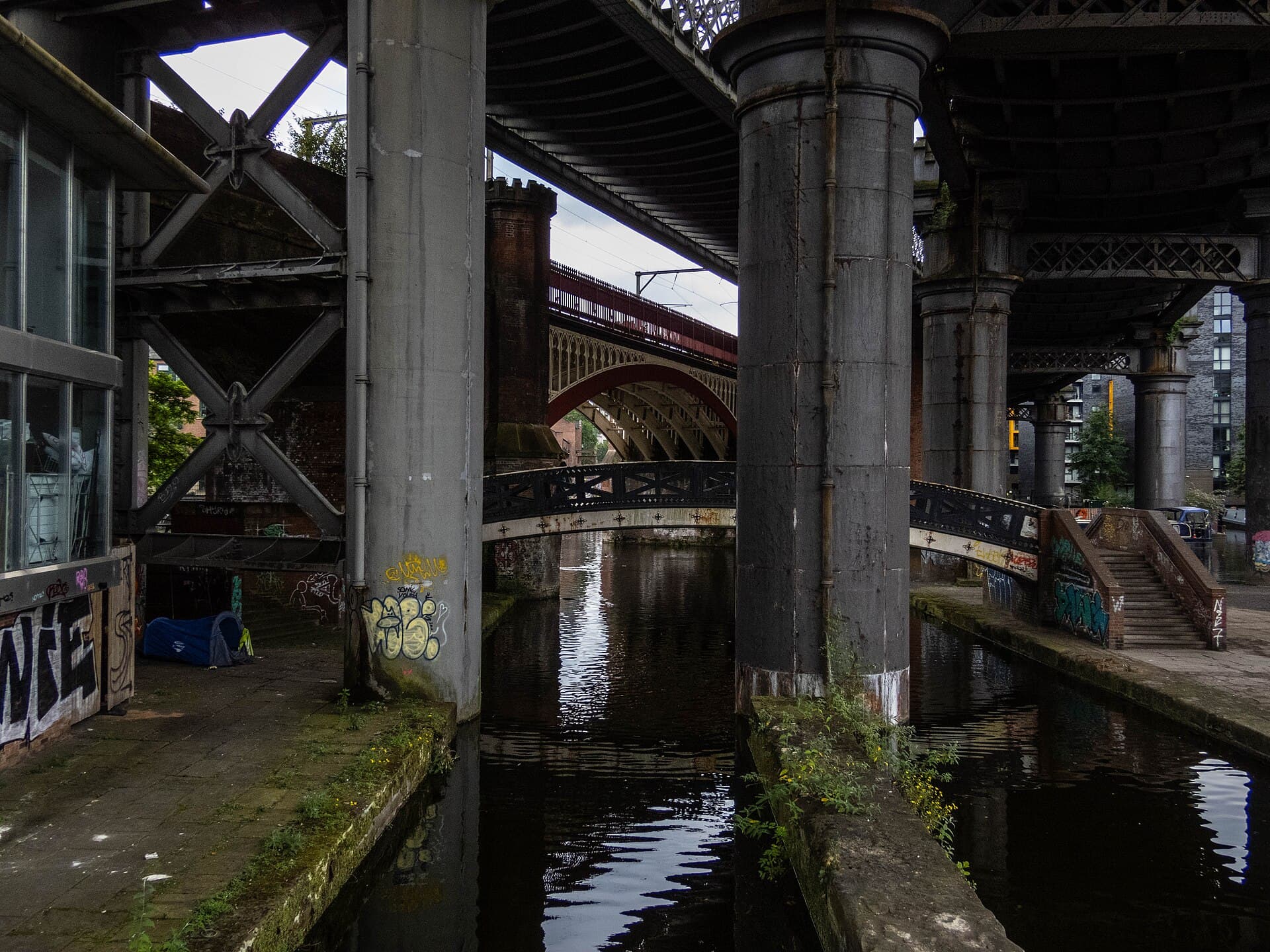 CastlefieldIn under ten minutes on foot you can stand on the footprint of a Roman fort buil9 minutes walk4.6
With young children the Science and Industry Museum wins outright: moving machines and hands-on experiments. The People's History Museum suits teenagers of ten and up who grasp what an election or a strike is; younger ones enjoy the colourful banners for a quarter of an hour, then drift. Its advantages are that it is free, uncrowded and has a Quiet Room and a café, so it makes a fair rainy-day stop rather than a destination in itself.
Yes, it is already in the city centre: about two minutes on foot from Salford Central station across the river, roughly ten minutes from the St Peter's Square tram stop, and fifteen from Deansgate-Castlefield or Victoria station. Car parks in Spinningfields are paid and fairly pricey, so walking or the tram is the better choice.