
The Historic Reading Room
Stone vaults, stained glass and oak reading bays make it one of the finest interiors in Britain.
Burkhard Mücke — CC BY-SA 4.0 · Burkhard Mücke — CC BY-SA 4.0 · Burkhard Mücke — CC BY-SA 4.0 · Burkhard Mücke — CC BY-SA 4.0
Halfway along Deansgate, between the shops and restaurants, stands what looks like a Gothic cathedral in dark red sandstone. It has never been a church. It is a library, built by a widow in memory of her husband: Enriqueta Rylands spent part of the fortune of Manchester's richest cotton merchant on a building by Basil Champneys that took the best part of ten years to finish and opened to the public on the first day of 1900, one of the earliest public buildings in the city lit by electricity. Today it belongs to the University of Manchester Library, and entry is free with no booking. The reason to come is the Historic Reading Room on the first floor: soaring stone vaults, stained glass, and oak reading bays down each side where people still sit in silence. The light is dim and golden even on a summer afternoon, and the moment you step out of the narrow corridor into that open space is what visitors remember more than any single exhibit. Linger longer than you think you need to. Photography is allowed for personal use, without flash or tripod. The collection itself is one of the great rare-book holdings anywhere: the scrap of papyrus known as Rylands P52, believed to be the oldest surviving witness to a New Testament text, a Gutenberg Bible, Caxton printings, and thousands of Arabic, Persian and Turkish manuscripts, most of them from the Crawford collection acquired in 1901. One caution: the displays in the two new galleries (opened in 2025 after a £7.6m refit) rotate, so the Arabic manuscripts or the papyrus may not be out on the day you visit. Do not build the trip around a single object. The library opens Wednesday to Saturday only, 10:00 to 17:00 with last entry at 16:40, and is shut Sunday, Monday and Tuesday, so plan your Manchester days around that. In the summer holidays a queue forms on the pavement by midday; arrive at opening. The modern wing has a lift, toilets and a small shop, but this is a working library: young children will be bored within twenty minutes and asked to keep quiet, so it suits adults and history-minded teenagers more than families with little ones. It is about an eight-minute walk from the Deansgate-Castlefield or St Peter's Square tram stops, and an hour is plenty.
Stone vaults, stained glass and oak reading bays make it one of the finest interiors in Britain.
Rylands P52, a Gutenberg Bible and Arabic and Persian manuscripts appear in rotation, never all at once.
The red sandstone front looks like a cathedral dropped onto Deansgate and is worth a look even from outside.
150 Deansgate, Manchester M3 3EH
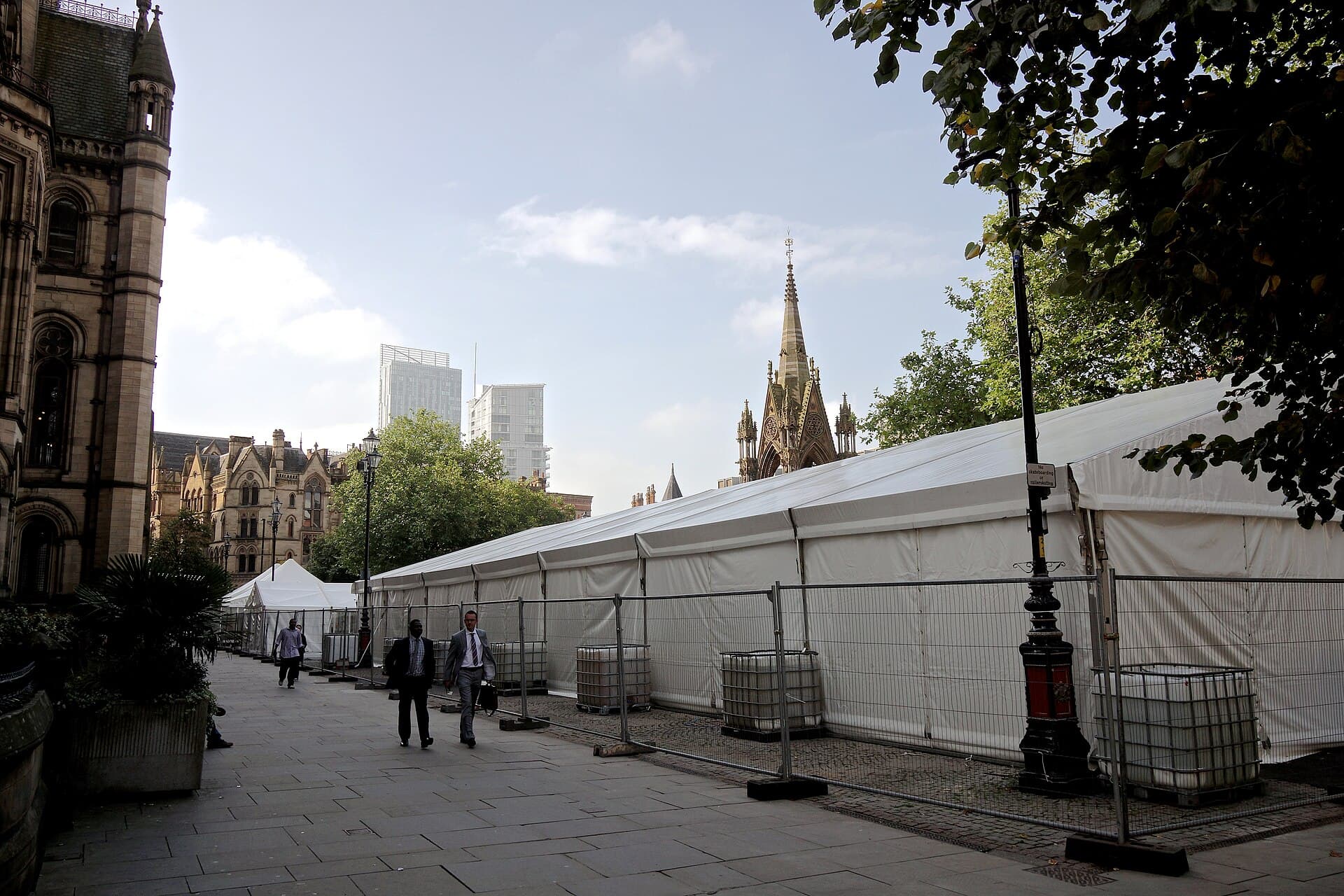 Albert SquareManchester got its Albert Memorial up years before London did. The Gothic canopy3 minutes walk4.3
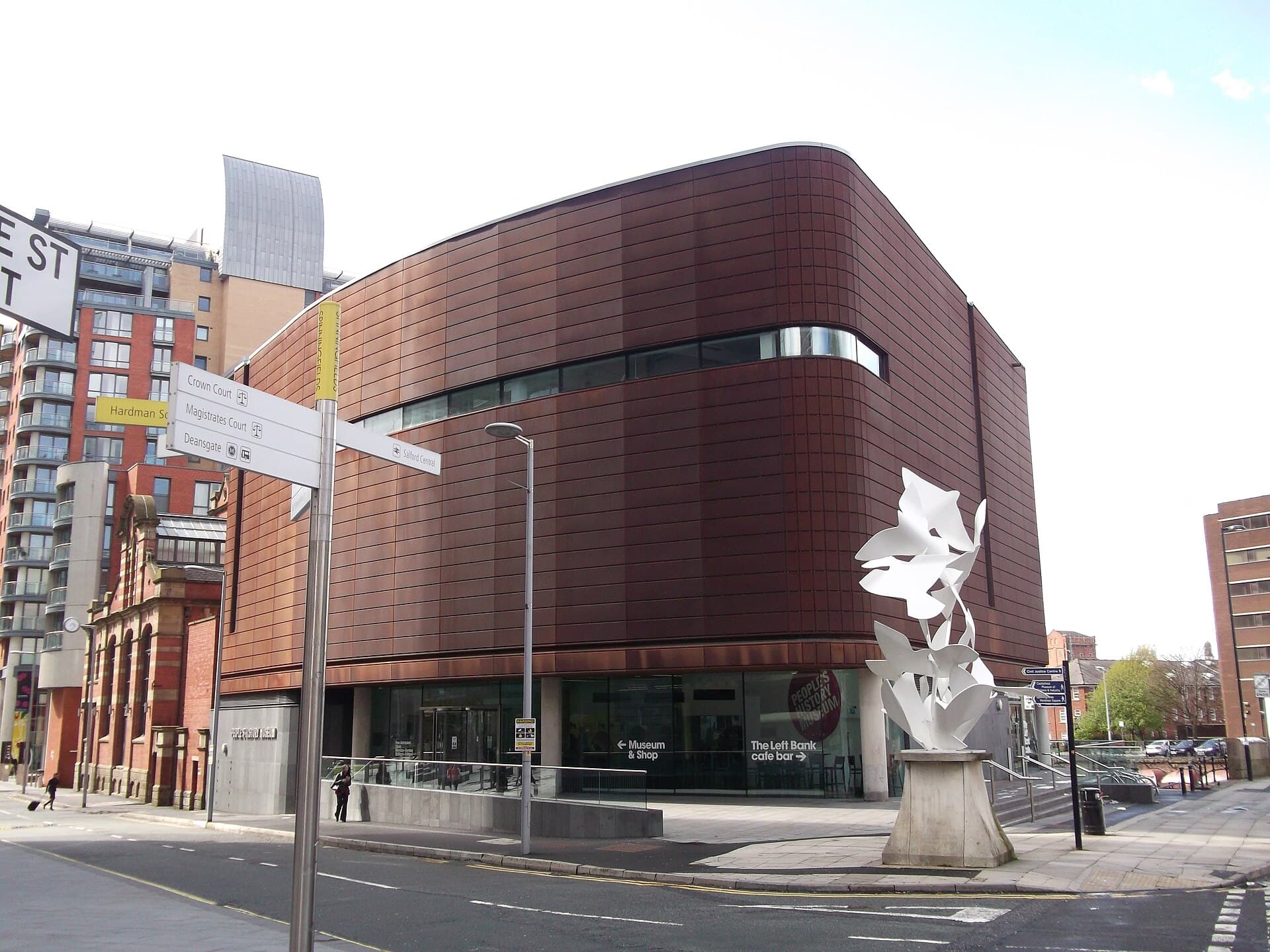 People's History MuseumThe largest collection of trade-union banners on earth, more than four hundred o4 minutes walk4.6
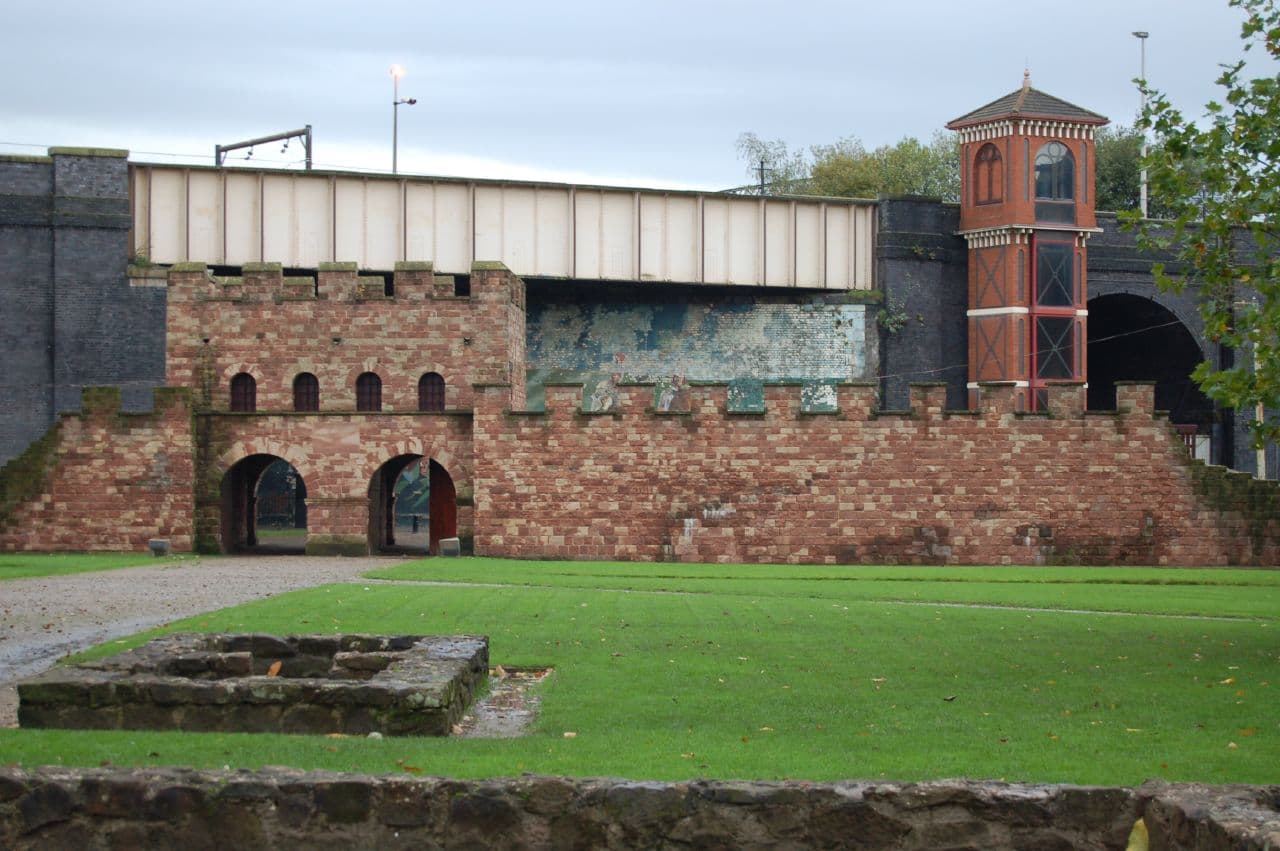 Mamucium Roman FortThe first half of the word Manchester traces back to this patch of ground. A sma6 minutes walk4.1
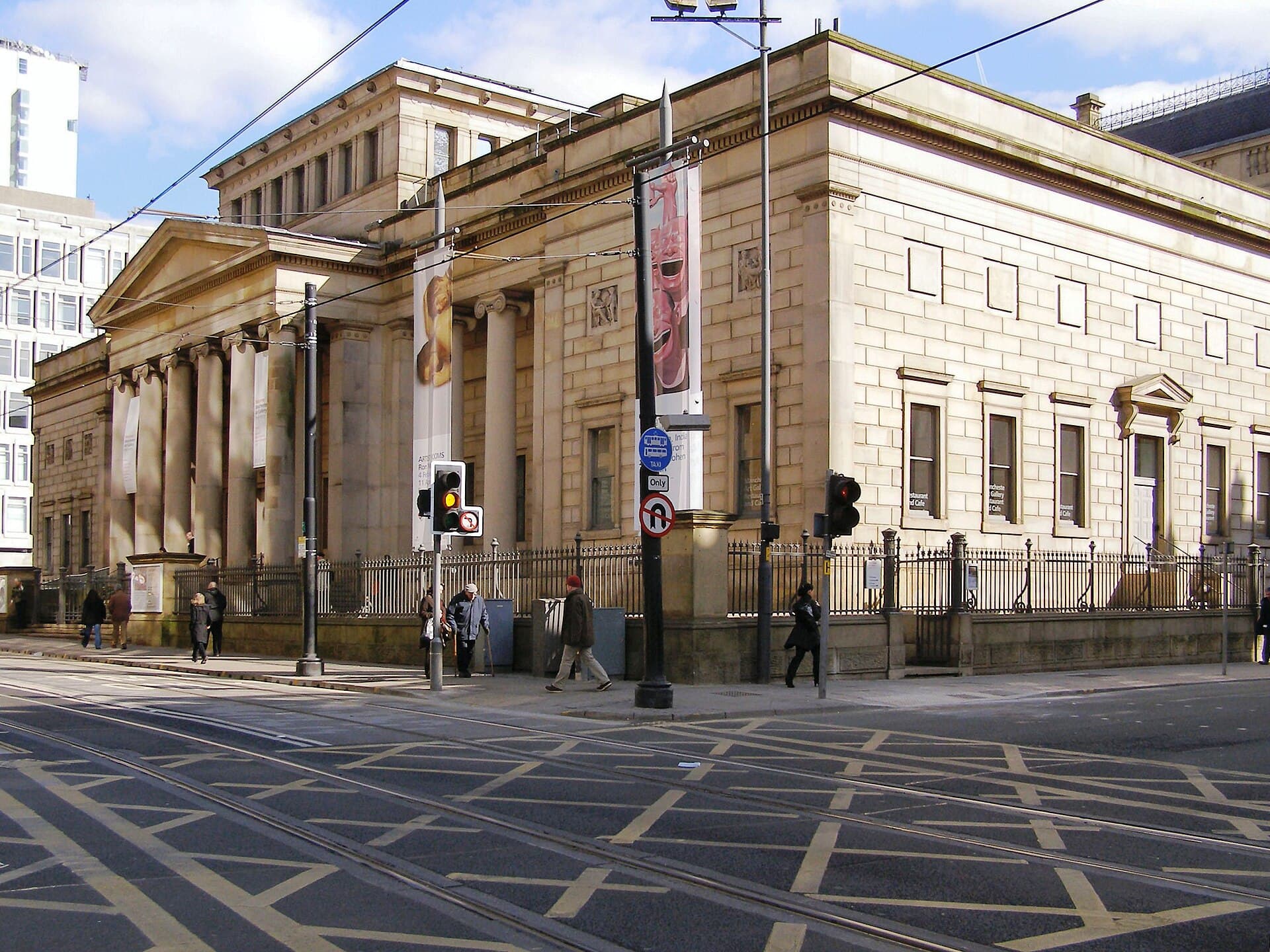 Manchester Art GalleryIn January 2018 this gallery took John William Waterhouse's 'Hylas and the Nymph7 minutes walk4.7
 Science and Industry MuseumThe world's first inter-city passenger train left from exactly this spot in 18307 minutes walk4.3
With children under ten, give the Reading Room fifteen minutes and leave; it is a working library where silence is expected and there is nothing for small kids to do. With history-minded teenagers, or anyone interested in Arabic calligraphy, a full hour is well spent.
No. The library holds thousands of Arabic and Persian manuscripts, but only a handful are out at any time and displays rotate. Researchers can request items in the research room by appointment; a casual visitor may find one or two pieces, or none.