
The rebuilt north gate
Reconstructed in 1984 on the original footprint, it is the one frame in the site worth a camera.
Maarten — CC BY 2.0 · Des Blenkinsopp — CC BY-SA 2.0 · Photograph by Mike Peel (www.mikepeel.net). — CC BY-SA 4.0 · Des Blenkinsopp — CC BY-SA 2.0
The first half of the word Manchester traces back to this patch of ground. A small Roman fort went up here around AD 79 during Agricola's campaigns and was called Mamucium; the Anglo-Saxons tacked their -chester onto it, and two millennia of wear turned that into the name of the city. The fort was a rectangle of roughly 160 by 130 metres, home to an auxiliary cohort of about 500 men, with a civilian town spreading over some 26 hectares around it. Around AD 200 the timber rampart was rebuilt in stone more than two metres thick, yet the town seems to have emptied by the mid-third century and a token garrison may have lingered into the early fourth before the place was simply left. What you see today is not ruin in the sense a visitor to Rome or Jerash would recognise. The fort was buried under a canal, a railway and nineteenth-century mills, and very little survived. In 1984 the north gate and a stretch of rampart were rebuilt on the original footprint, and the granary and a few building outlines were marked out in low stone on the ground. It is honest and tidy work, but it is modern reconstruction sitting beneath Victorian railway viaducts that dwarf it. There is no visitor centre, no museum on site, only a handful of interpretation boards. It is open day and night, free, flat enough for a pushchair, and needs about fifteen minutes. The plain verdict: do not make a trip of it, make it a stop on a Castlefield walk. The free Science and Industry Museum is a few minutes away, the canal basin with its cafes lies just beyond, and Deansgate-Castlefield Metrolink stop is a five-minute walk. Children studying the Romans at school will enjoy posing in the rebuilt gateway; for adults it is a single line of history that explains the city's name and then stops. In July and August the spot is shaded by the arches and never crowded, a rare quality in a city full of Gulf families in those months. In winter the daylight is short, the ground is wet and the corner is gloomy after four o'clock, so treat it as a quick daylight pass rather than an evening destination.
Reconstructed in 1984 on the original footprint, it is the one frame in the site worth a camera.
Low stone outlines that show the true scale of the fort, explained by a few boards.
The city's name descends from Roman Mamucium, and this is the ground it started on.
Duke Street, Castlefield
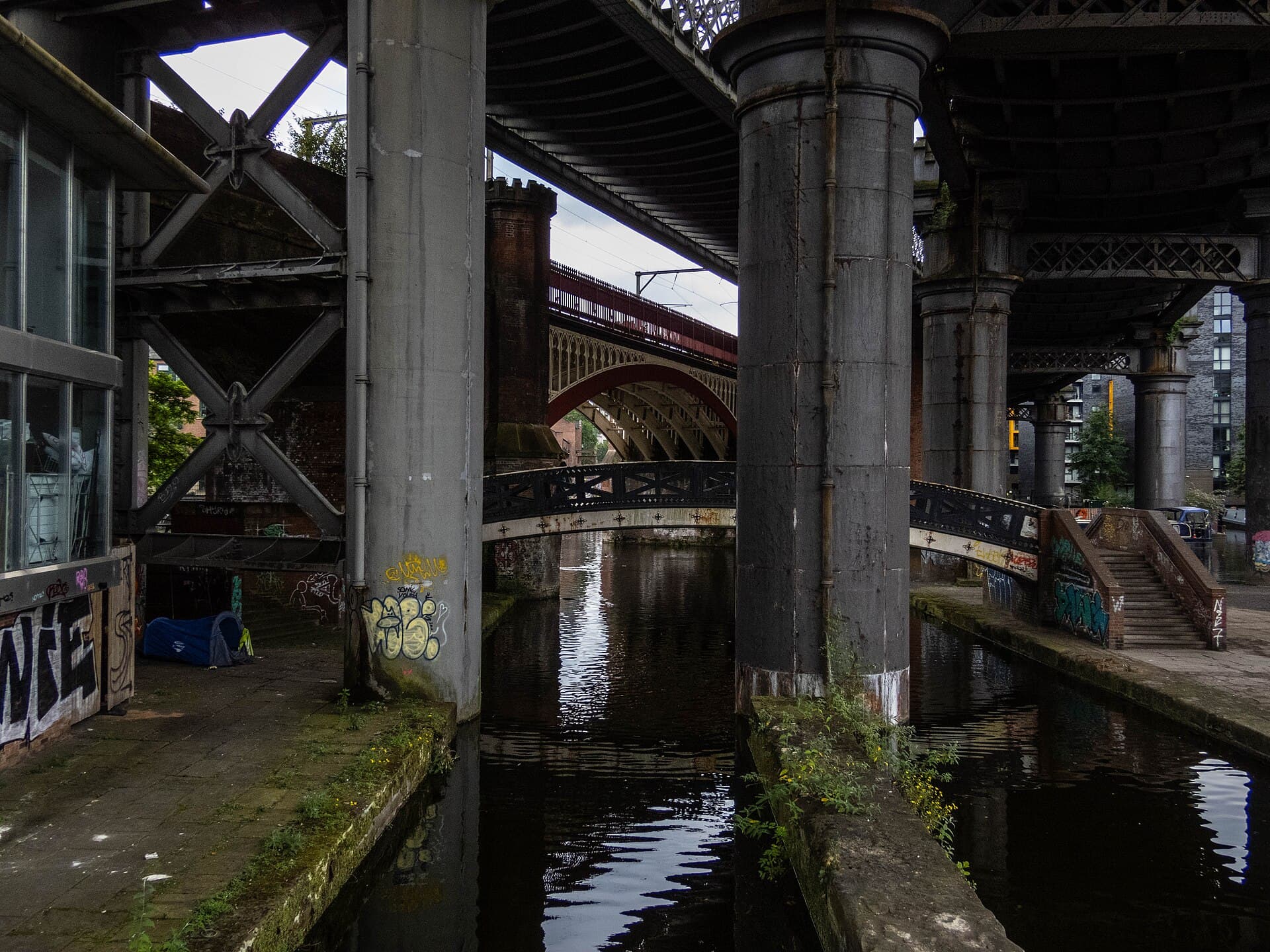 CastlefieldIn under ten minutes on foot you can stand on the footprint of a Roman fort buil4 minutes walk4.6
 Science and Industry MuseumThe world's first inter-city passenger train left from exactly this spot in 18304 minutes walk4.3
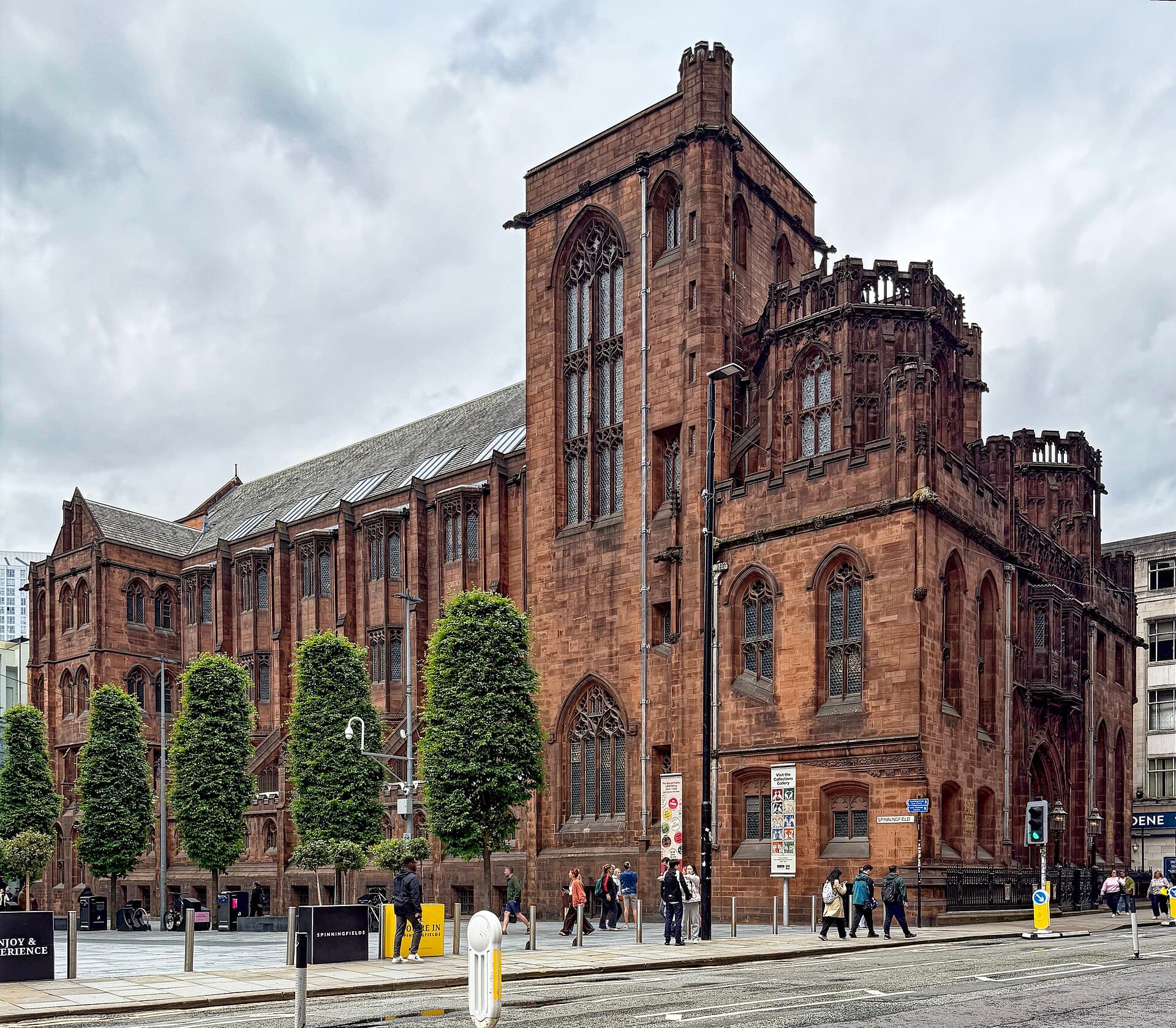 John Rylands LibraryHalfway along Deansgate, between the shops and restaurants, stands what looks li6 minutes walk4.9
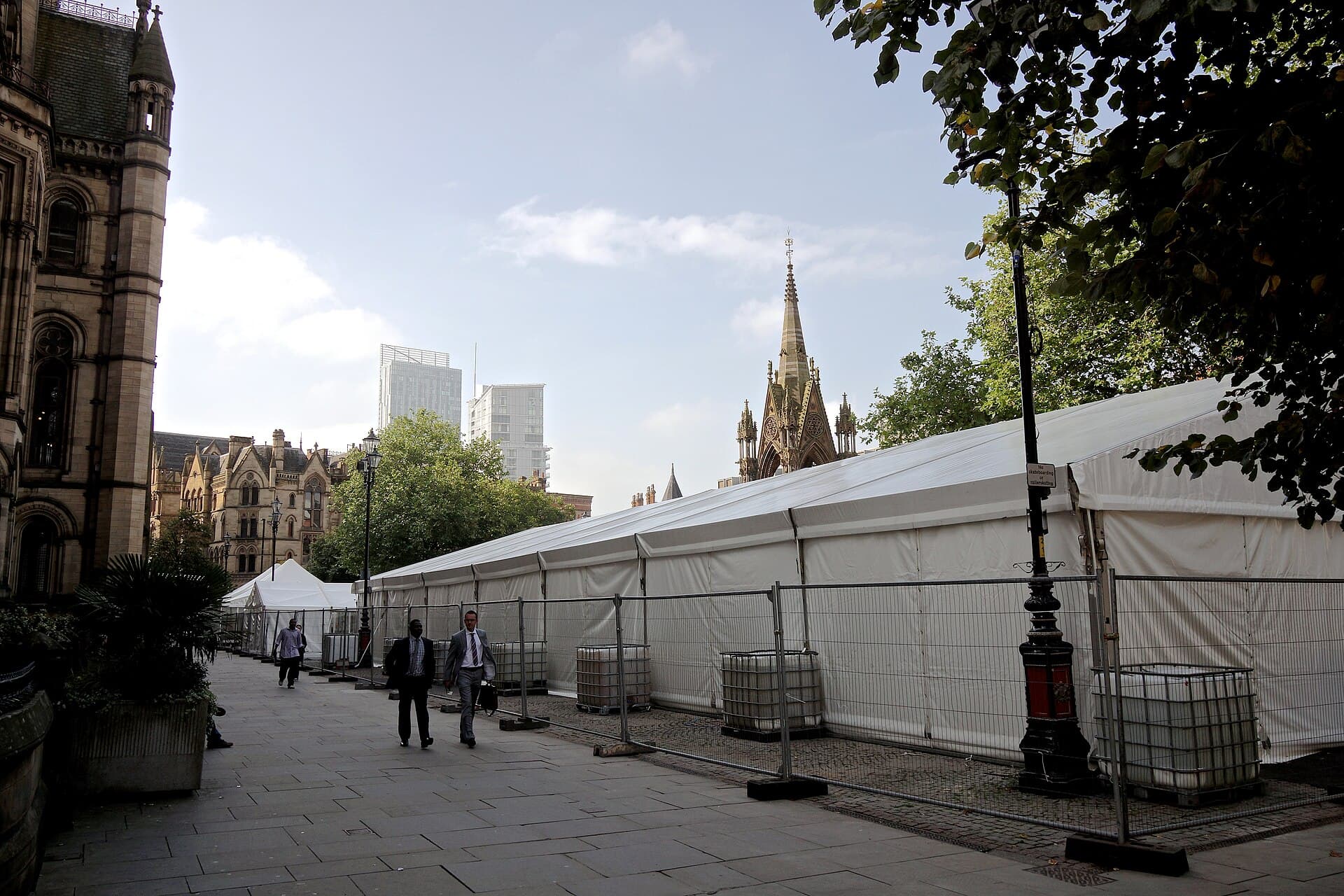 Albert SquareManchester got its Albert Memorial up years before London did. The Gothic canopy7 minutes walk4.3
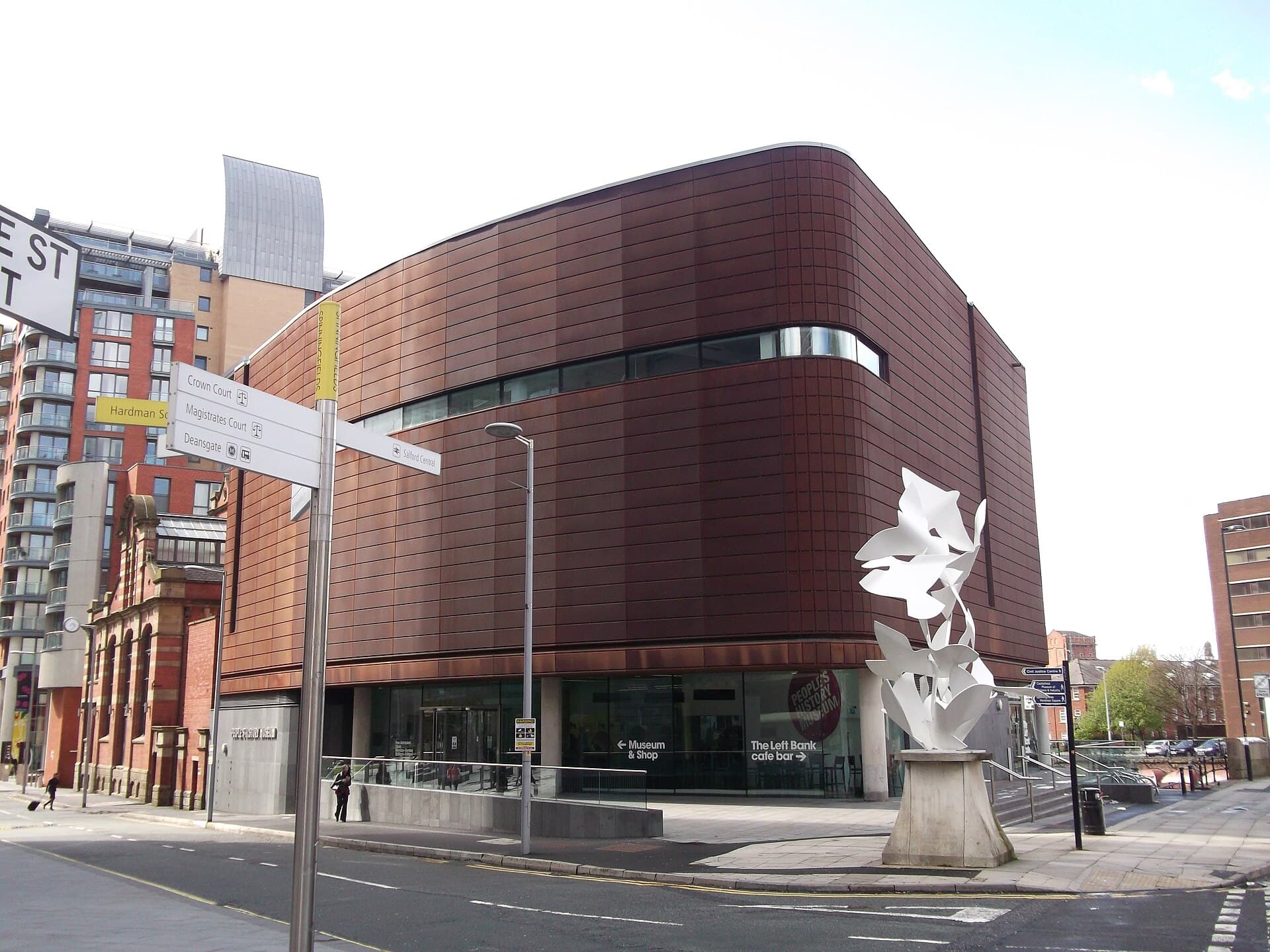 People's History MuseumThe largest collection of trade-union banners on earth, more than four hundred o8 minutes walk4.6
As a Roman monument, no: most of what stands is a 1984 reconstruction and it is small. It earns a look only if you are already in Castlefield for the Science and Industry Museum or the canal, when it costs you fifteen minutes.
Yes, the ground is flat, open and free, and children enjoy standing in the gateway, but it holds them for only a few minutes, so pair it with the Science and Industry Museum next door.