
Two buildings in dialogue
Sober classicism and coloured postmodernism side by side.
Flocci Nivis — CC BY 4.0 · Fred Romero from Paris, France — CC BY 2.0 · GFreihalter — CC BY-SA 4.0 · Laserlicht — CC BY-SA 4.0
The original building of the Baden-Württemberg state art gallery, completed in the mid nineteenth century in a neoclassical style, holding the historic collection from the Middle Ages to the nineteenth century. What makes the site important is what was built beside it later: in 1984 the Neue Staatsgalerie opened directly adjoining it, designed by the British architect James Stirling, and became one of the best-known postmodern buildings in the world. The two stand side by side, one sober and classical, the other coloured and released from the rules of symmetry. That juxtaposition is the architectural lesson: Stirling's building neither imitates its neighbour nor ignores it, but quotes its elements — the circular court, the stone, the columns — and reassembles them with a light irony. This was a contested position at the time and later became a reference point. The collection in the old building is strong in German, Italian and Dutch Old Master painting, including works by Cranach, Rembrandt and Rubens. Practical points: the ticket usually covers both buildings. It closes one day a week, and reduced-entry days may be offered.
Sober classicism and coloured postmodernism side by side.
Stirling took his neighbour's elements and reassembled them with irony.
The historic collection is strong in German and Dutch painting.
Upper Konigstrasse, Stuttgart
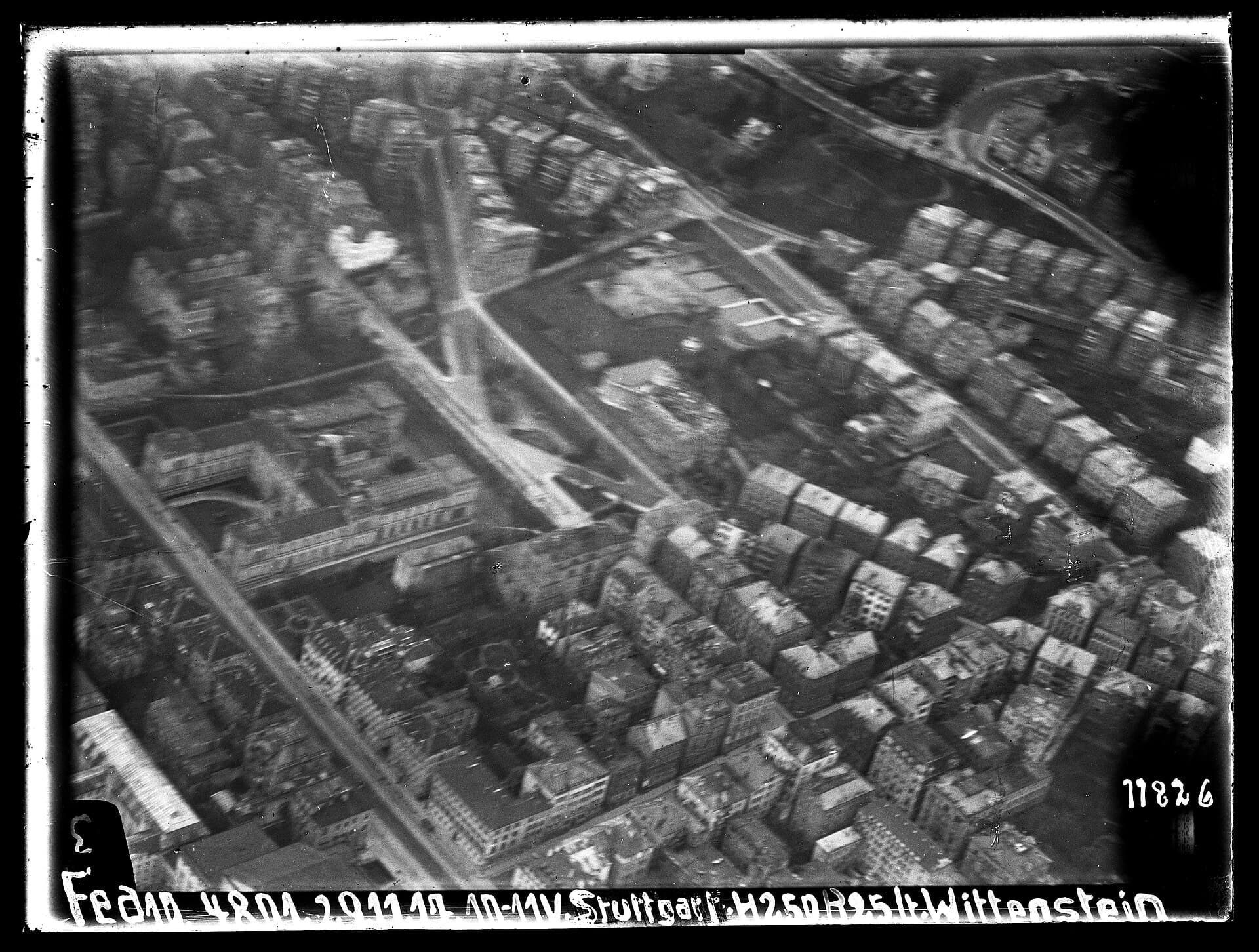 Staatsgalerie StuttgartThe Staatsgalerie Stuttgart is two adjoining museums rather than one: the neocla1 minute walk4.7
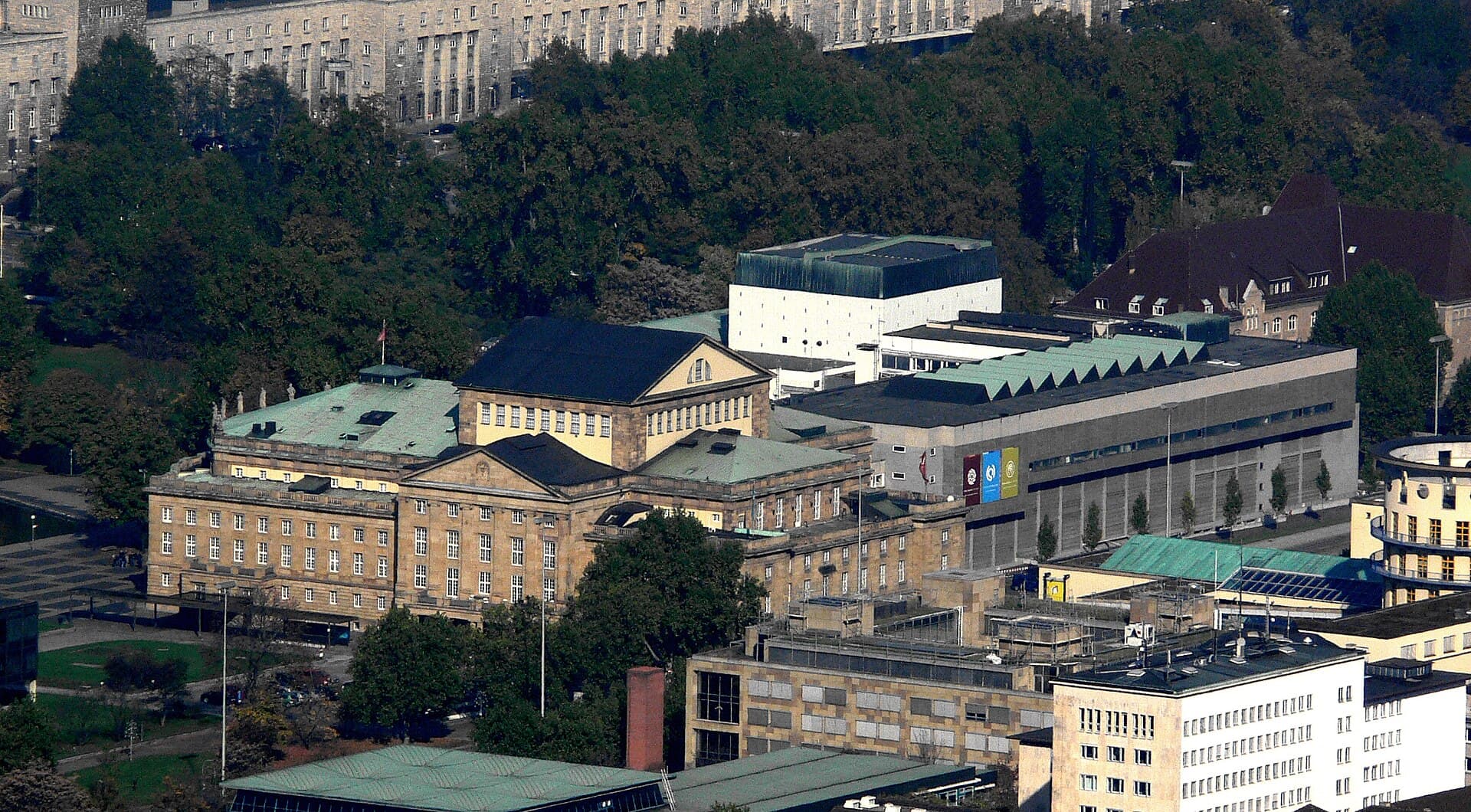 Staatstheater StuttgartThe Wuerttemberg State Theatres form the largest three-branch theatre in the wor2 minutes walk4.8
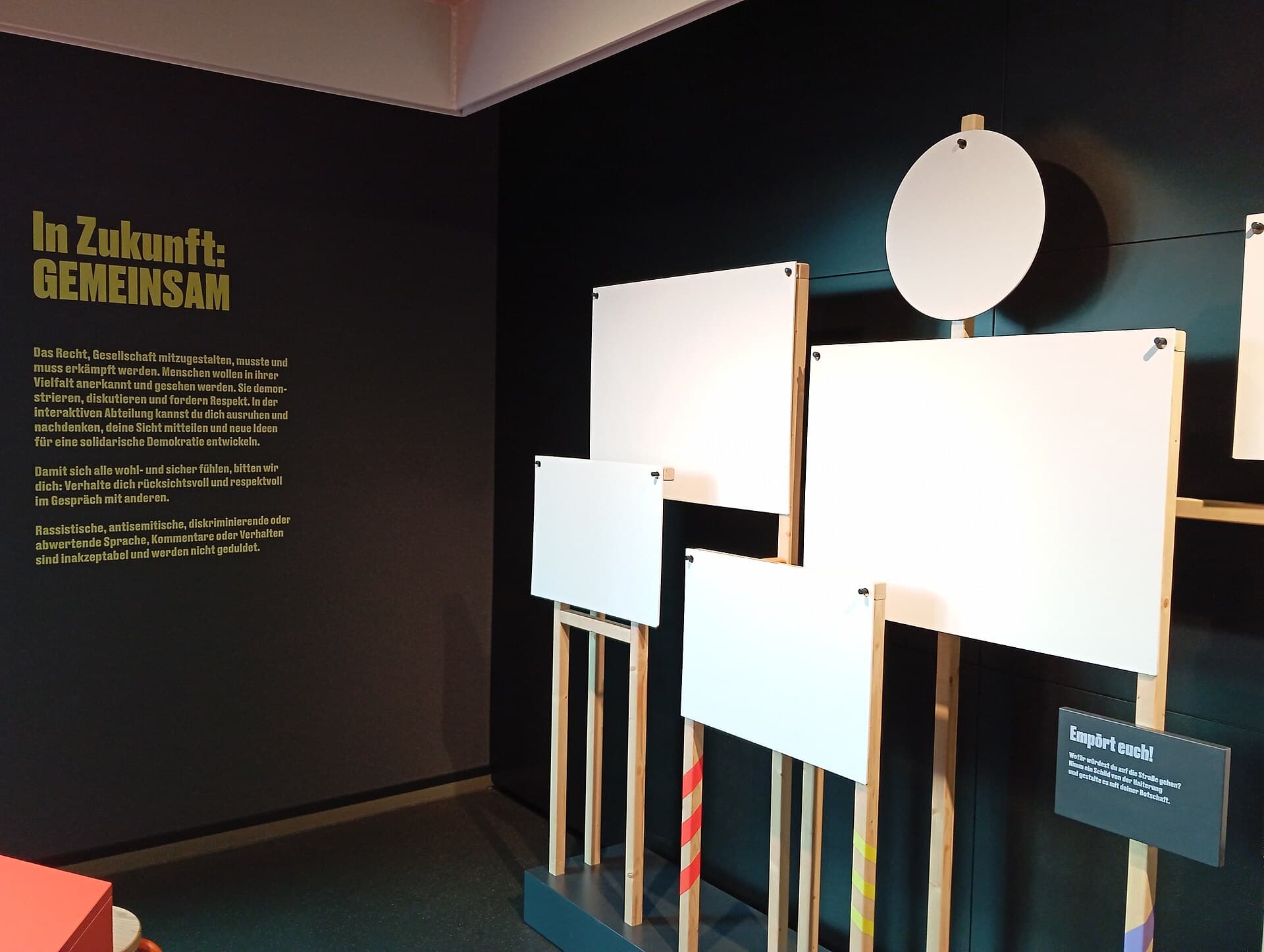 House of History Baden-WürttembergThe House of History of Baden-Württemberg explains the past two hundred years of3 minutes walk4.5
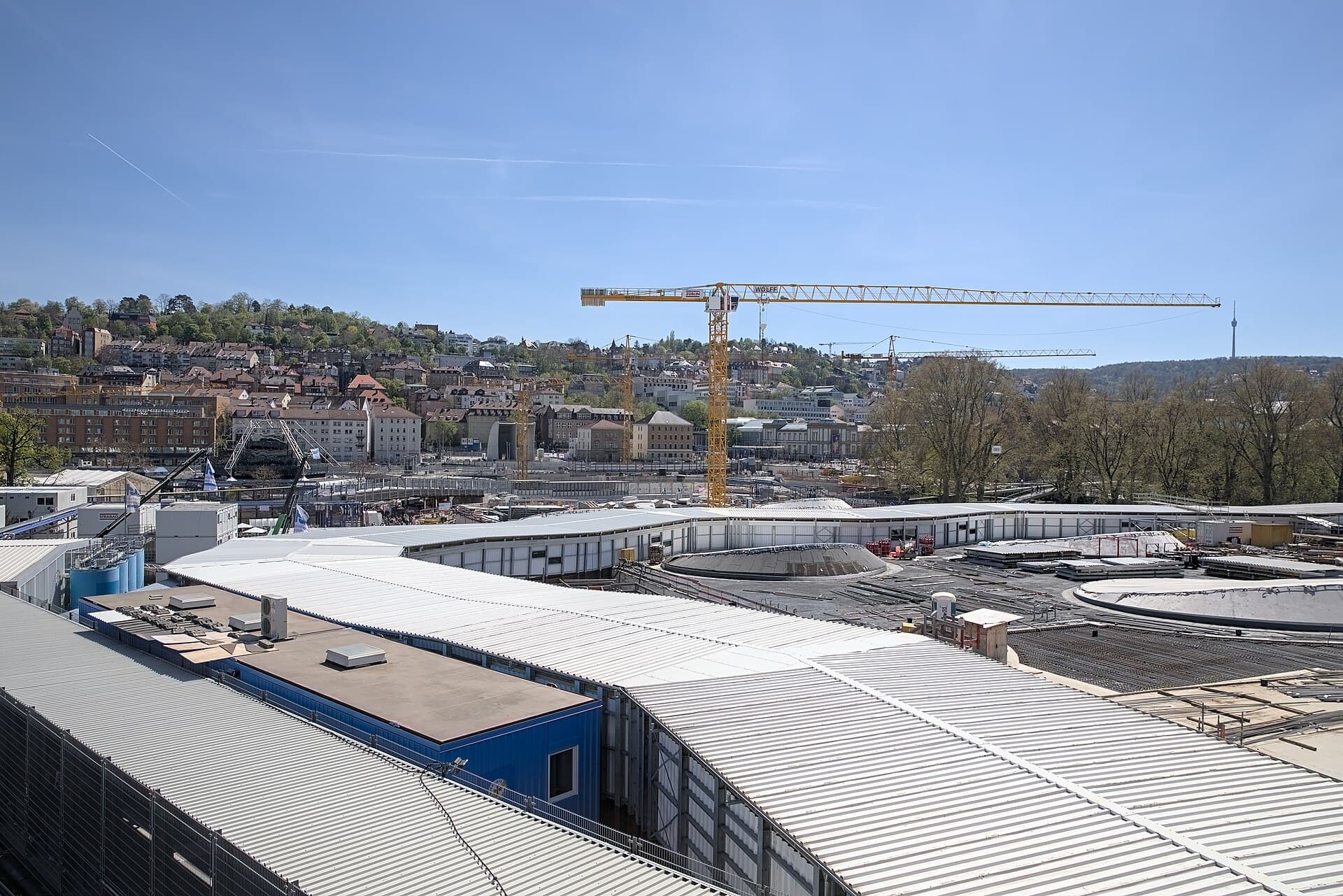 Carl Zeiss PlanetariumThe Carl Zeiss Planetarium in Stuttgart is among the most important in Germany, 4 minutes walk4.4
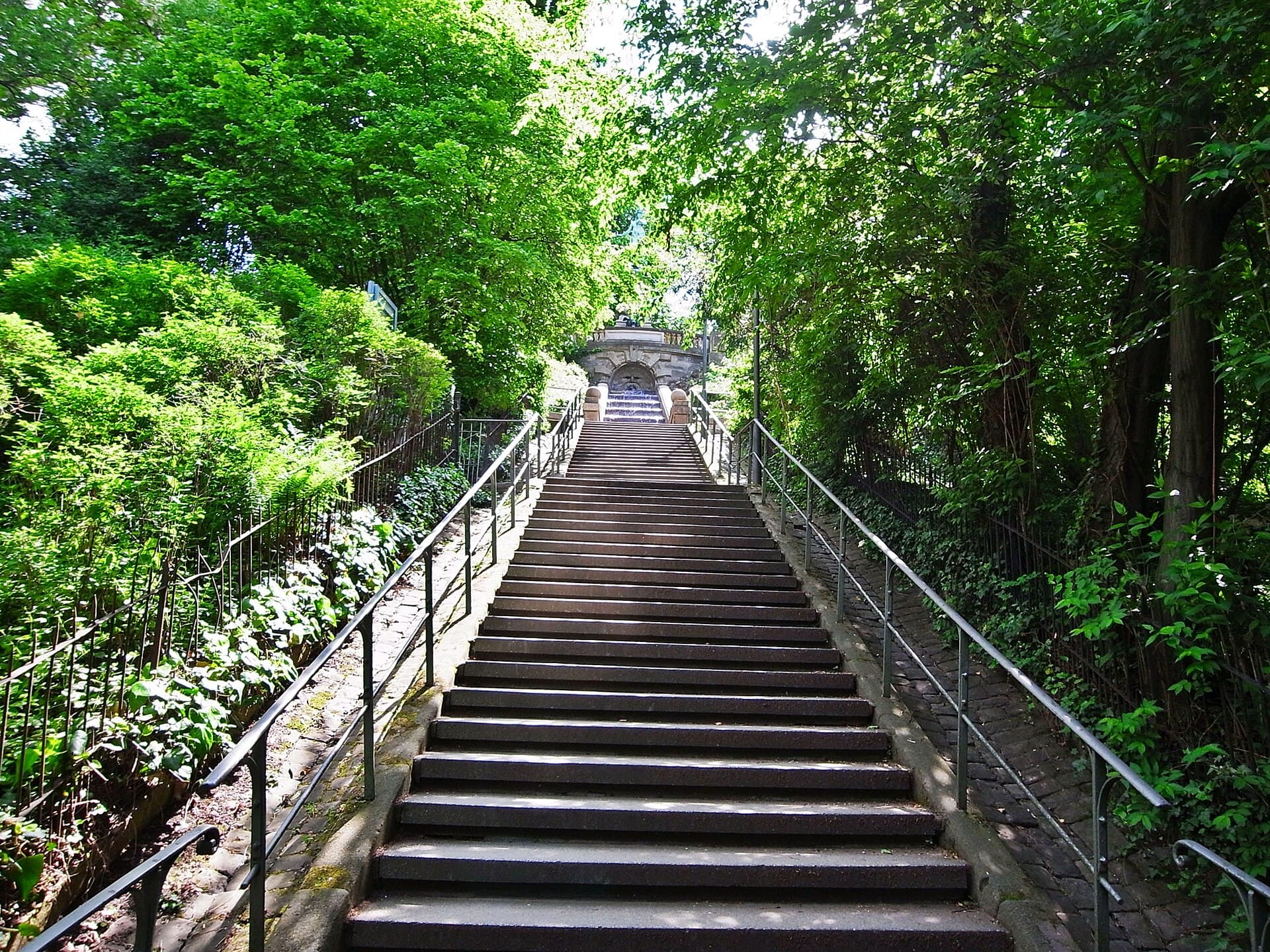 The EugenstaffelThe Eugenstaffel is Stuttgart's best-known Stäffele — a local word for a public 4 minutes walk4.6
Because it arrived at a moment when modernist architecture was accused of coldness and abstraction, and it offered an alternative using colour, curves and historical quotation without returning to imitation. The open circular court at its centre lets pedestrians pass through the museum without a ticket, a design decision that made the building part of the city rather than a sealed box within it. Many museums after it were influenced by this.
The two car museums — Mercedes-Benz and Porsche — both among the best industrial museums in the world and each worth half a day. And the Weissenhof estate, a 1927 exhibition of modernist housing with contributions from Le Corbusier and Mies van der Rohe, UNESCO-listed. The city is less touristed than Munich but its industrial and modern architecture is among Germany's strongest.