
The basin view
The whole city centre from the top.
Stephan Klage — CC BY-SA 3.0 · Martin Hahn — CC0 · Stefan Legeque — CC0
The Eugenstaffel is Stuttgart's best-known Stäffele — a local word for a public open-air staircase, and a phenomenon that distinguishes this city from any other in Germany. Stuttgart is built inside a steep basin ringed by hills on three sides, so stairs became a necessary means of transport rather than an ornament. The city holds more than four hundred public staircases with a combined length approaching twenty kilometres, most built in the nineteenth century to connect the climbing residential districts with the centre, and many of them pass between vineyards still planted inside the city limits — Stuttgart being one of few European cities producing wine within its built-up area. The Eugenstaffel climbs from Eugensplatz to a height overlooking the city centre, and it is carefully designed architecturally: intermediate landings, fountains, benches and an ornamented stone balustrade from the early twentieth century. The climb is tiring, but the view over the whole basin from the top earns it.
The whole city centre from the top.
Landings, fountains and an ornamented balustrade.
Eugenstaffel, 70184 Stuttgart
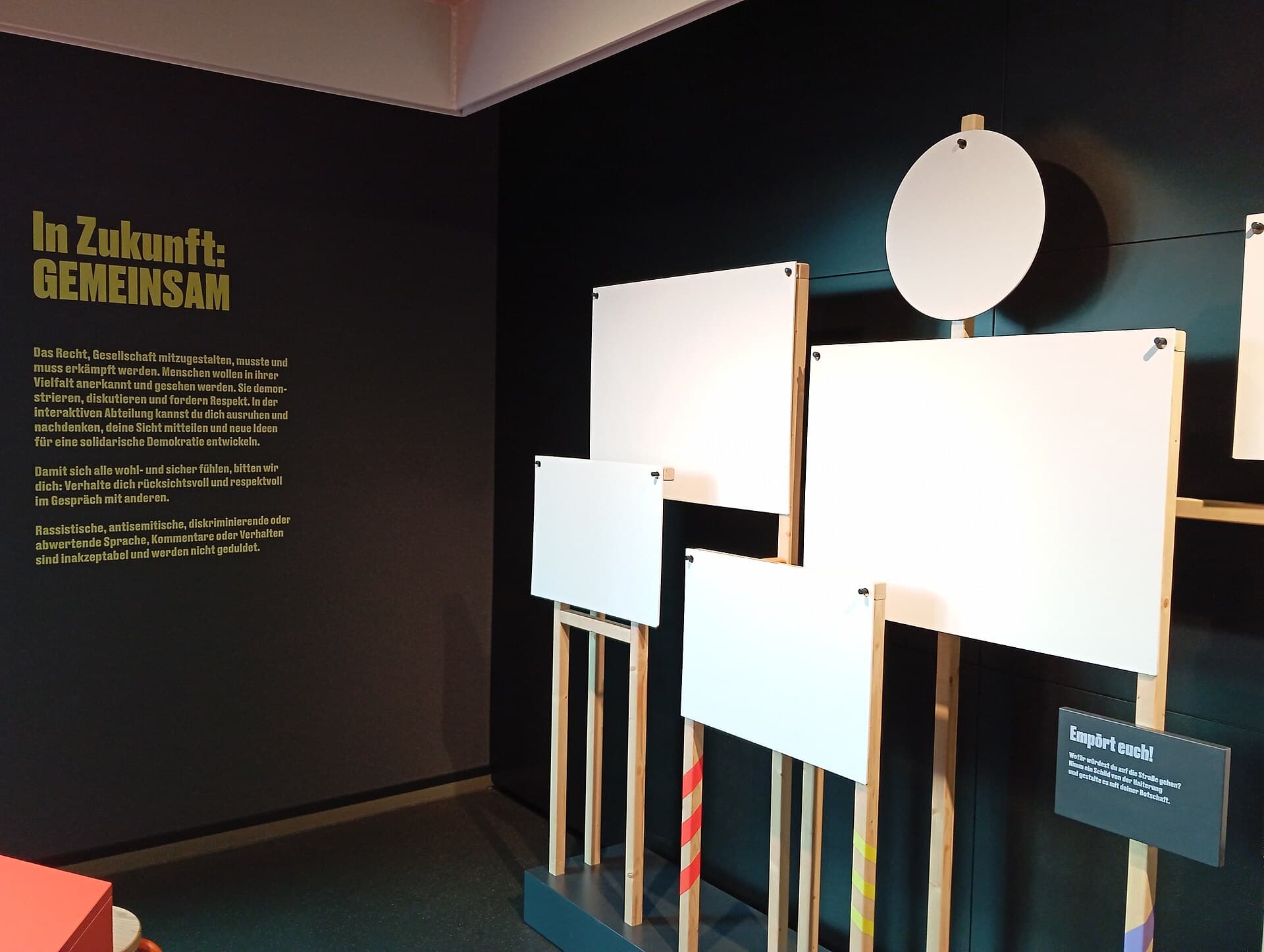 House of History Baden-WürttembergThe House of History of Baden-Württemberg explains the past two hundred years of4 minutes walk4.5
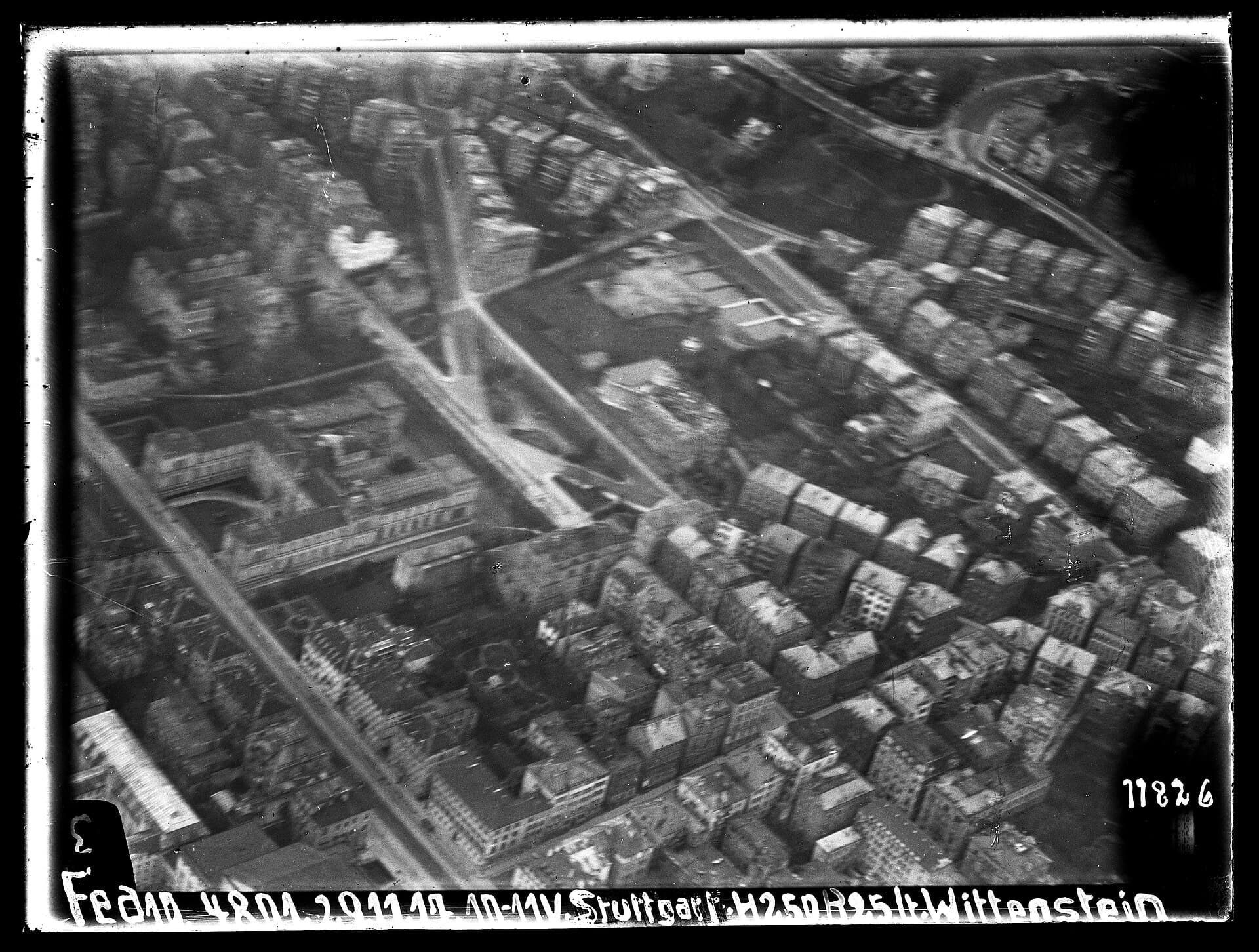 Staatsgalerie StuttgartThe Staatsgalerie Stuttgart is two adjoining museums rather than one: the neocla4 minutes walk4.7
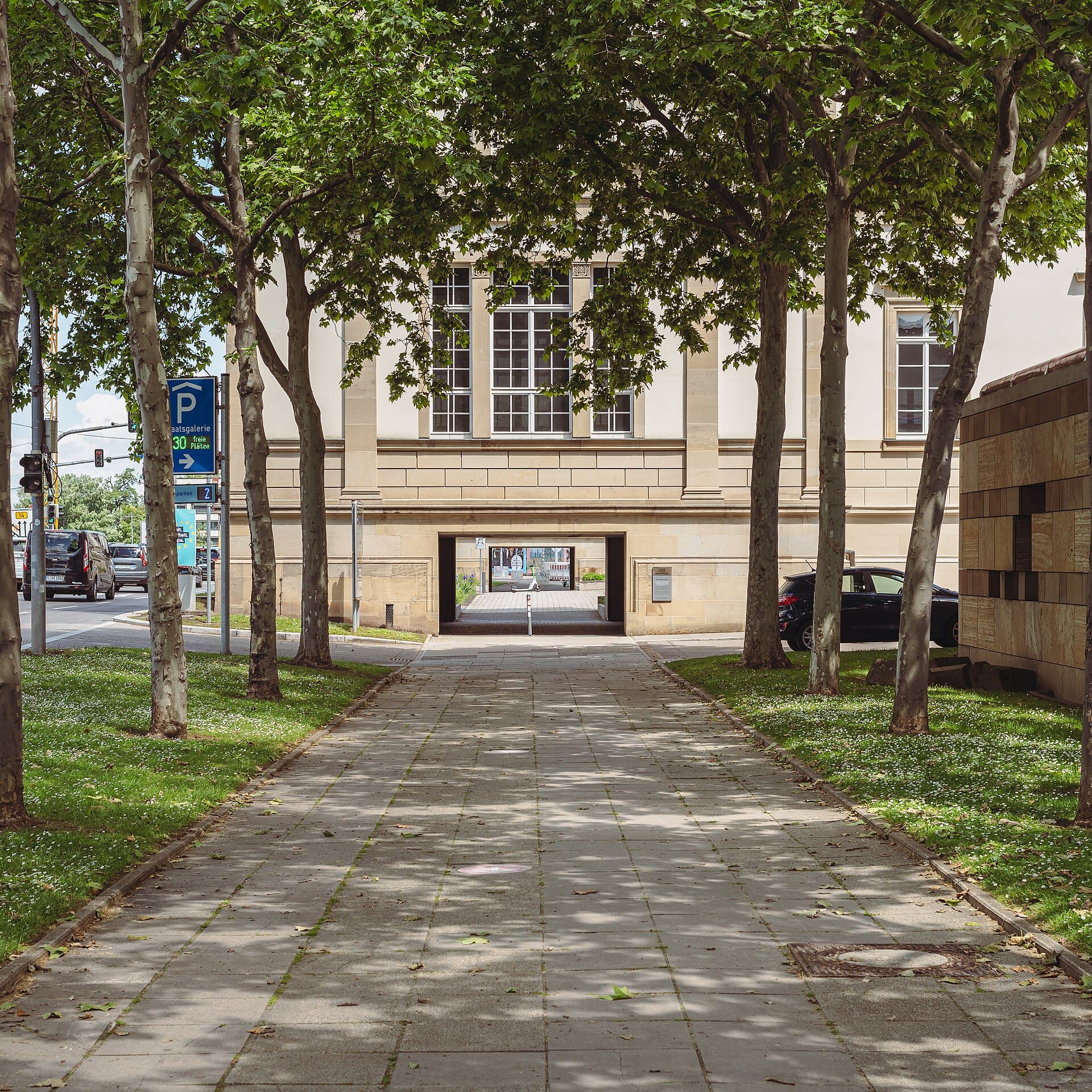 The Alte StaatsgalerieThe original building of the Baden-Württemberg state art gallery, completed in t4 minutes walk4.8
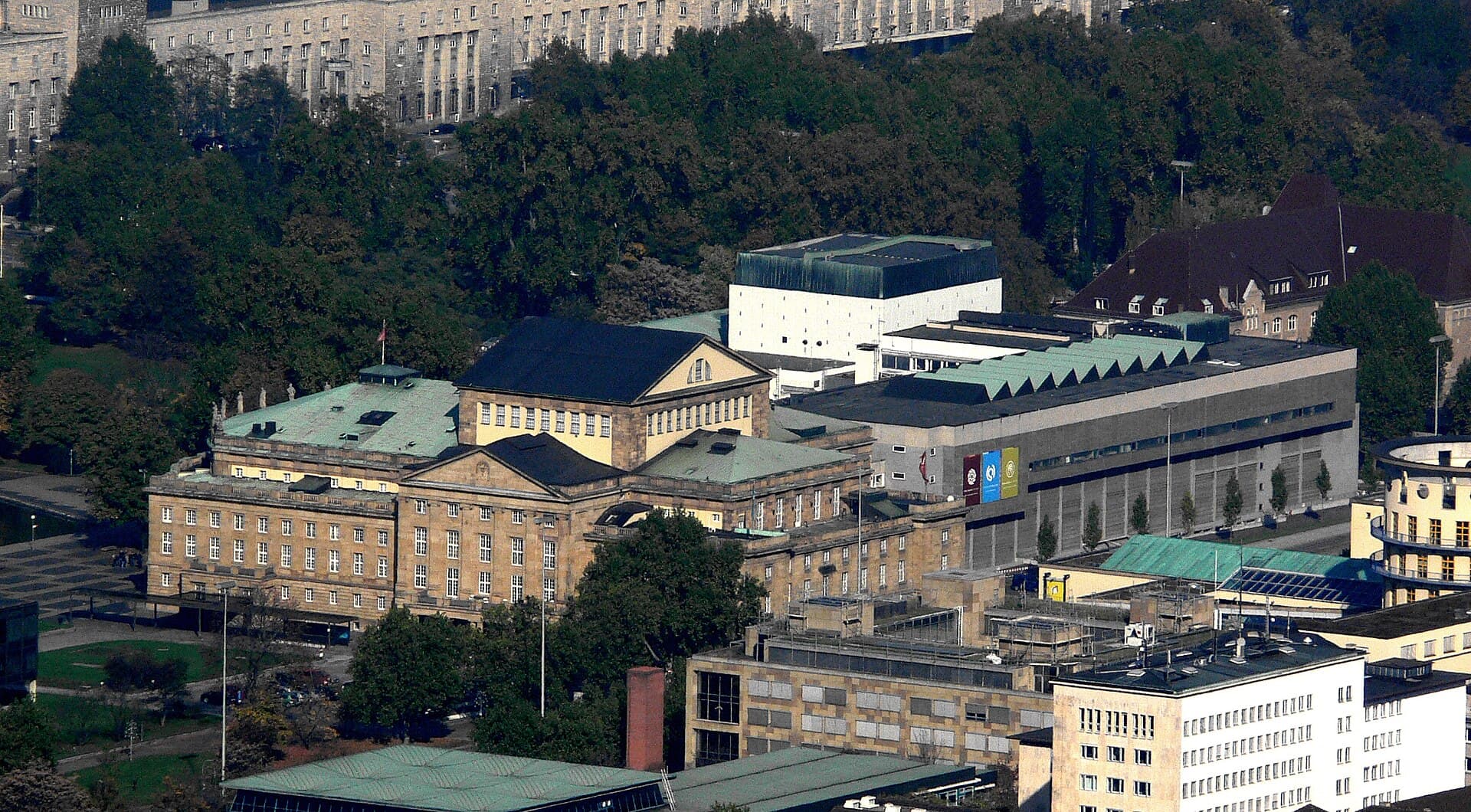 Staatstheater StuttgartThe Wuerttemberg State Theatres form the largest three-branch theatre in the wor5 minutes walk4.8
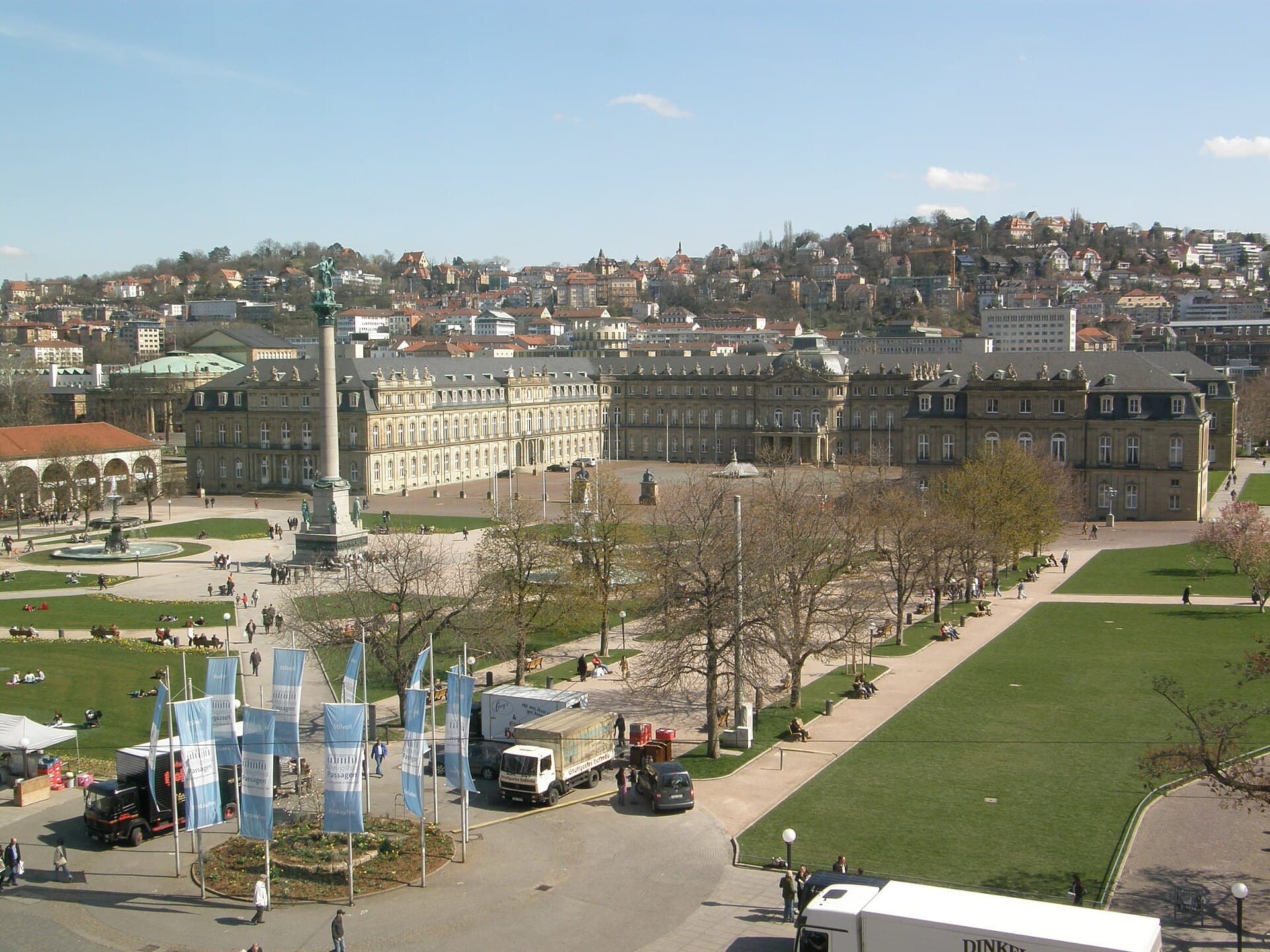 New PalaceThe New Palace is a large baroque building on Stuttgart's main square. It was bu7 minutes walk4.7
Because Stuttgart is built in a narrow, steep basin, so the difference between the city centre and the surrounding districts sometimes exceeds two hundred metres in height. When the city expanded in the nineteenth century and housing went up on the slopes, winding roads were not enough — so staircases were built as direct pedestrian routes. Many are still the daily commute for residents of those districts.