
The personal stories
Each section starts from one real person's life, objects and letters, then widens out.
Moleskine — CC BY 4.0 · Moleskine — CC BY 4.0 · Flo Sorg — CC0 · RudolfSimon — CC BY-SA 4.0
The House of History of Baden-Württemberg explains the past two hundred years of the region: how it formed out of small principalities, what happened to it through two wars, and how it became one of the wealthiest industrial parts of Germany. The display is modern and well organised, and it works through the stories of real people rather than dates and figures. You see everyday objects, documents, letters and photographs, with each section starting from one person's life and widening out. It also covers the Nazi period, migration and post-war reconstruction without softening them. That lifts it above a local museum: it is a good way into modern Germany generally. The building is modern, on Konrad-Adenauer-Straße directly beside the Staatsgalerie, so the two combine easily. The ticket is fairly cheap.
Each section starts from one real person's life, objects and letters, then widens out.
A direct, unsoftened account of what happened in the region during those years.
How the region became a centre of cars and engineering — which explains modern Stuttgart.
Konrad-Adenauer-Straße 16, 70173 Stuttgart
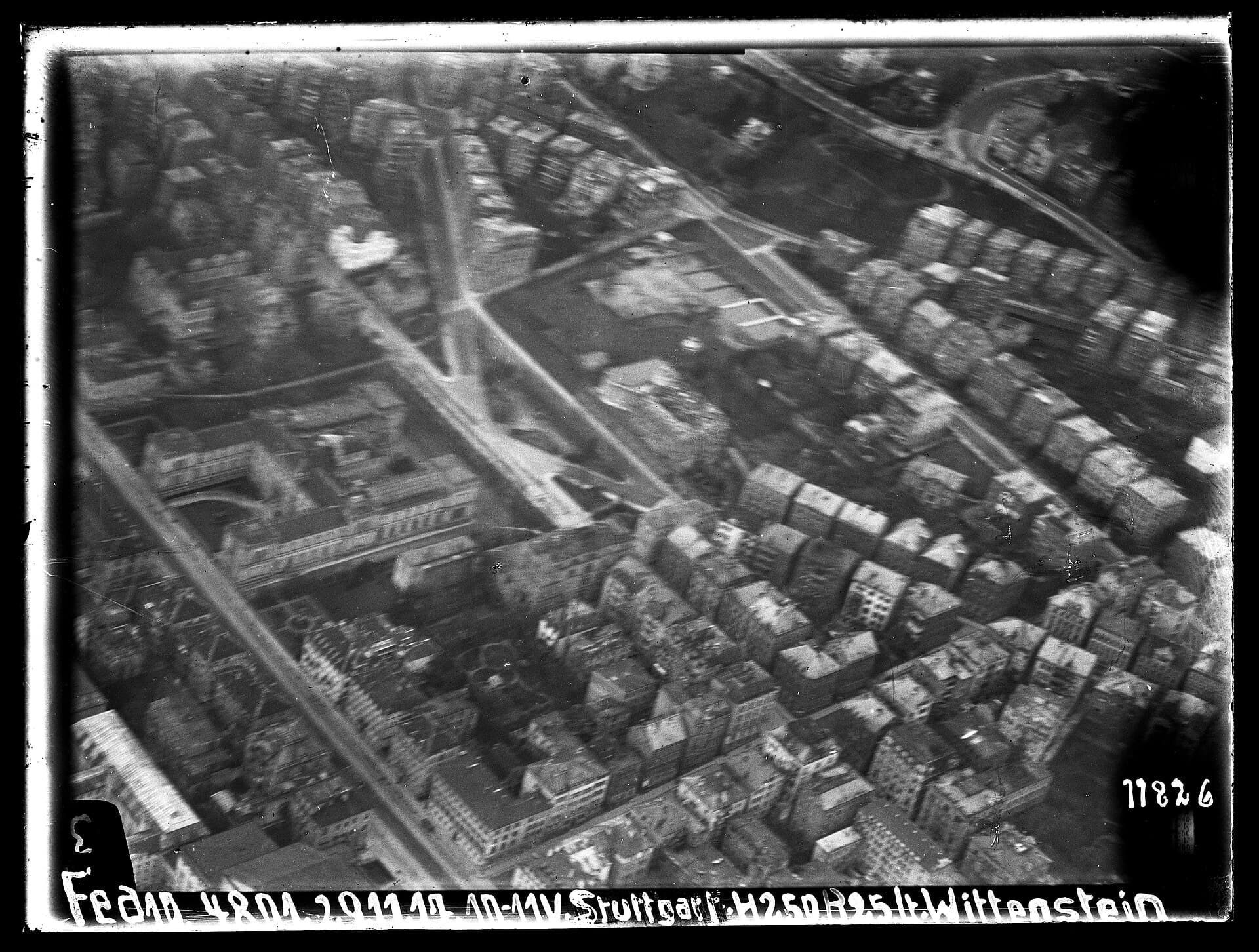 Staatsgalerie StuttgartThe Staatsgalerie Stuttgart is two adjoining museums rather than one: the neocla2 minutes walk4.7
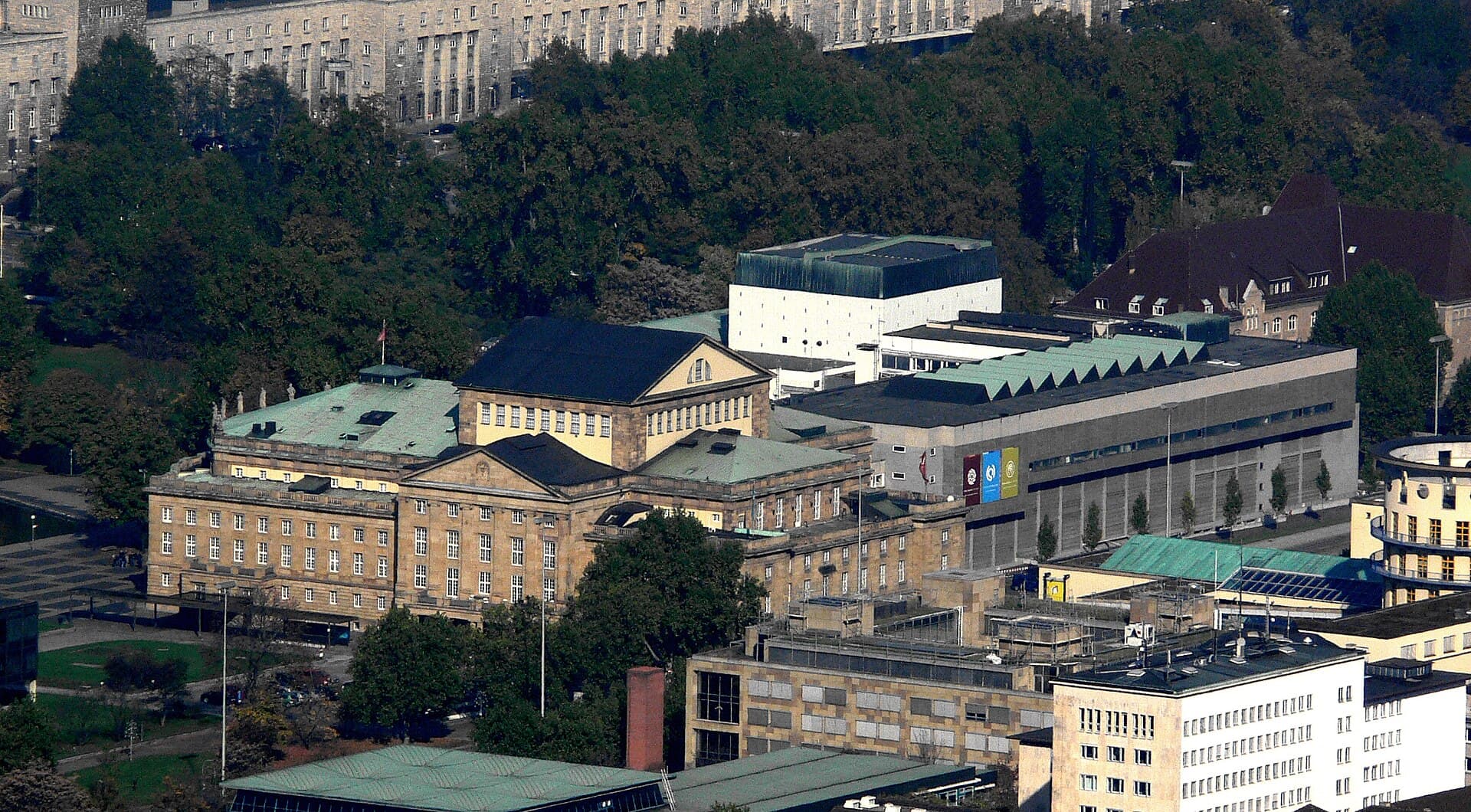 Staatstheater StuttgartThe Wuerttemberg State Theatres form the largest three-branch theatre in the wor2 minutes walk4.8
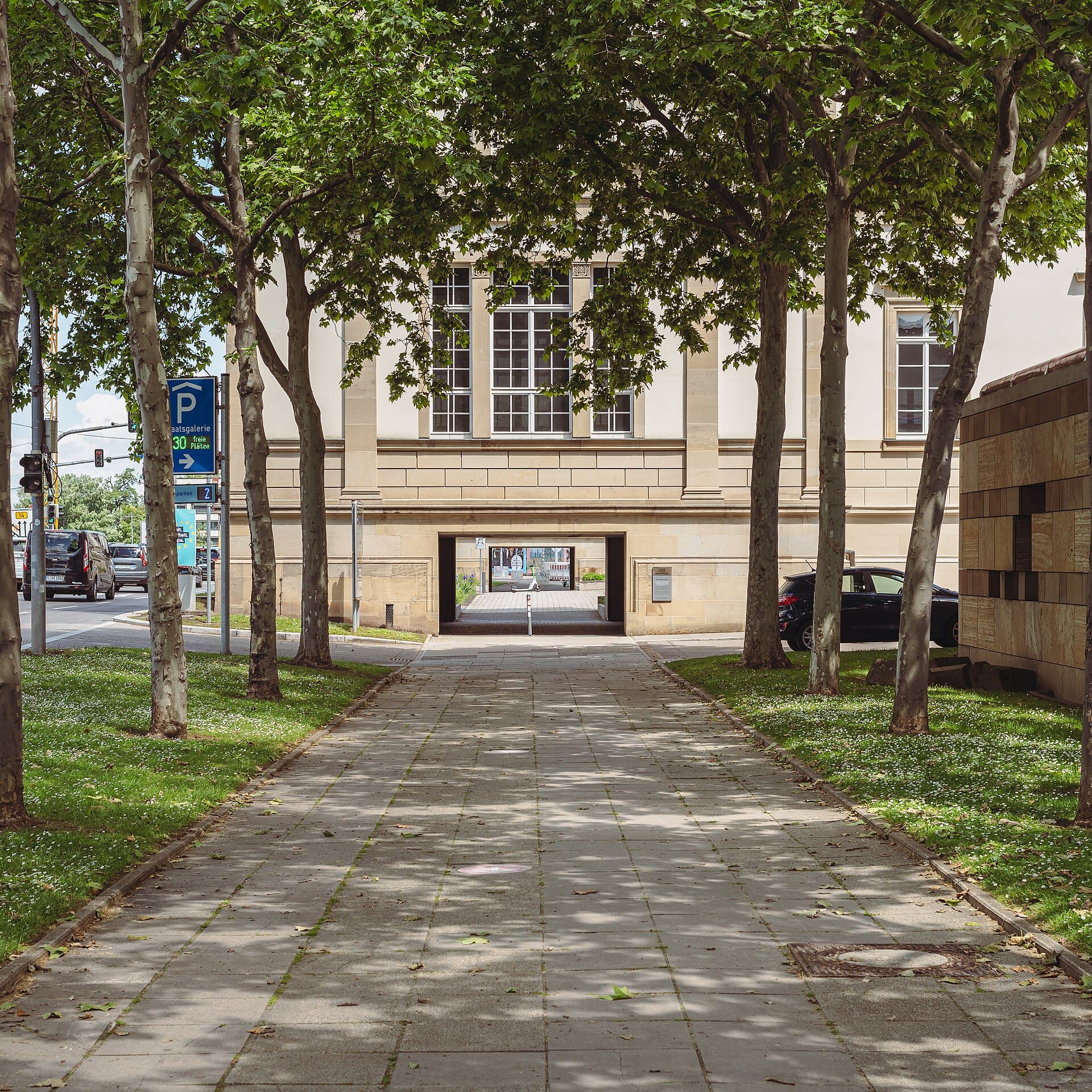 The Alte StaatsgalerieThe original building of the Baden-Württemberg state art gallery, completed in t3 minutes walk4.8
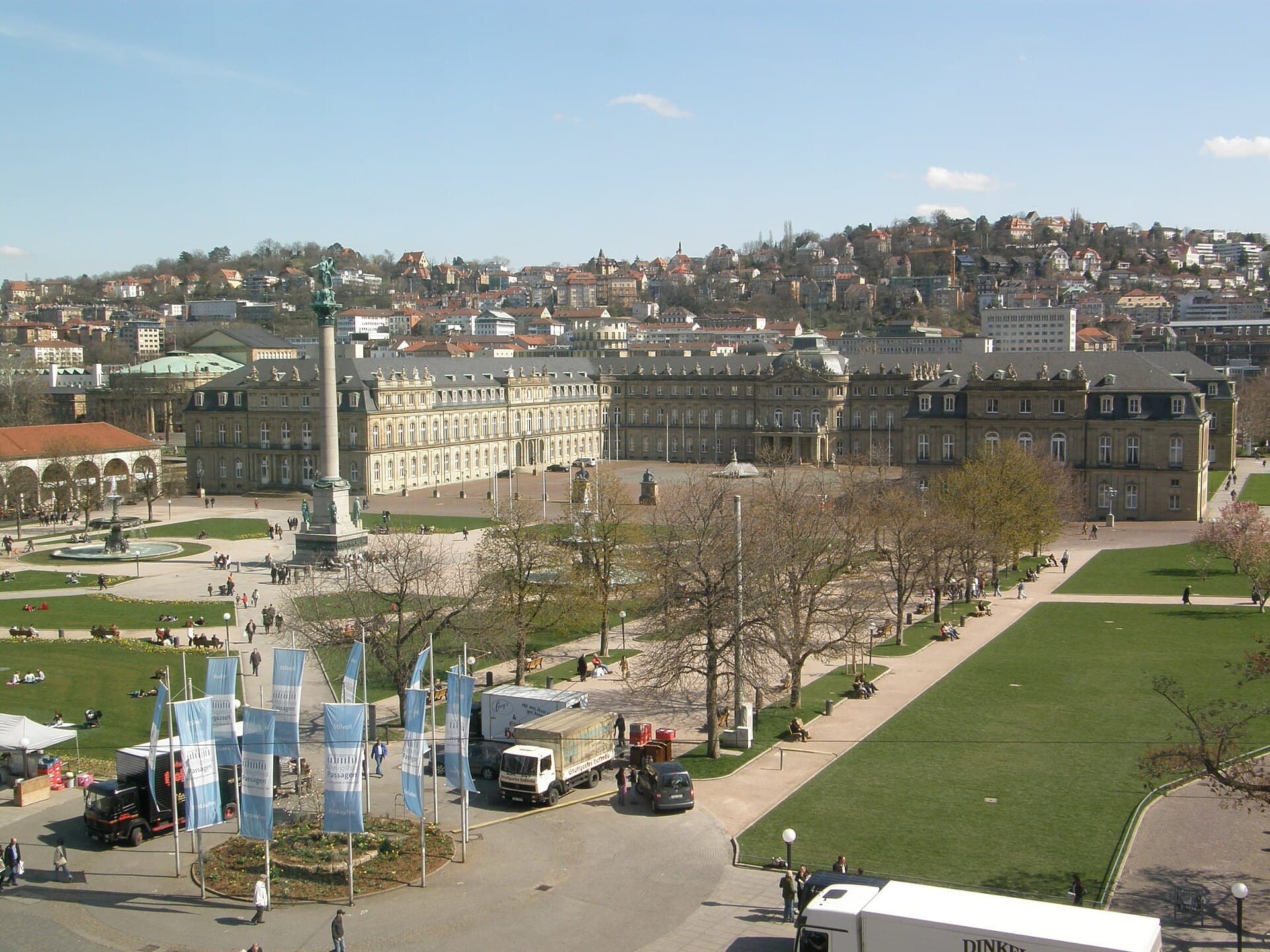 New PalaceThe New Palace is a large baroque building on Stuttgart's main square. It was bu4 minutes walk4.7
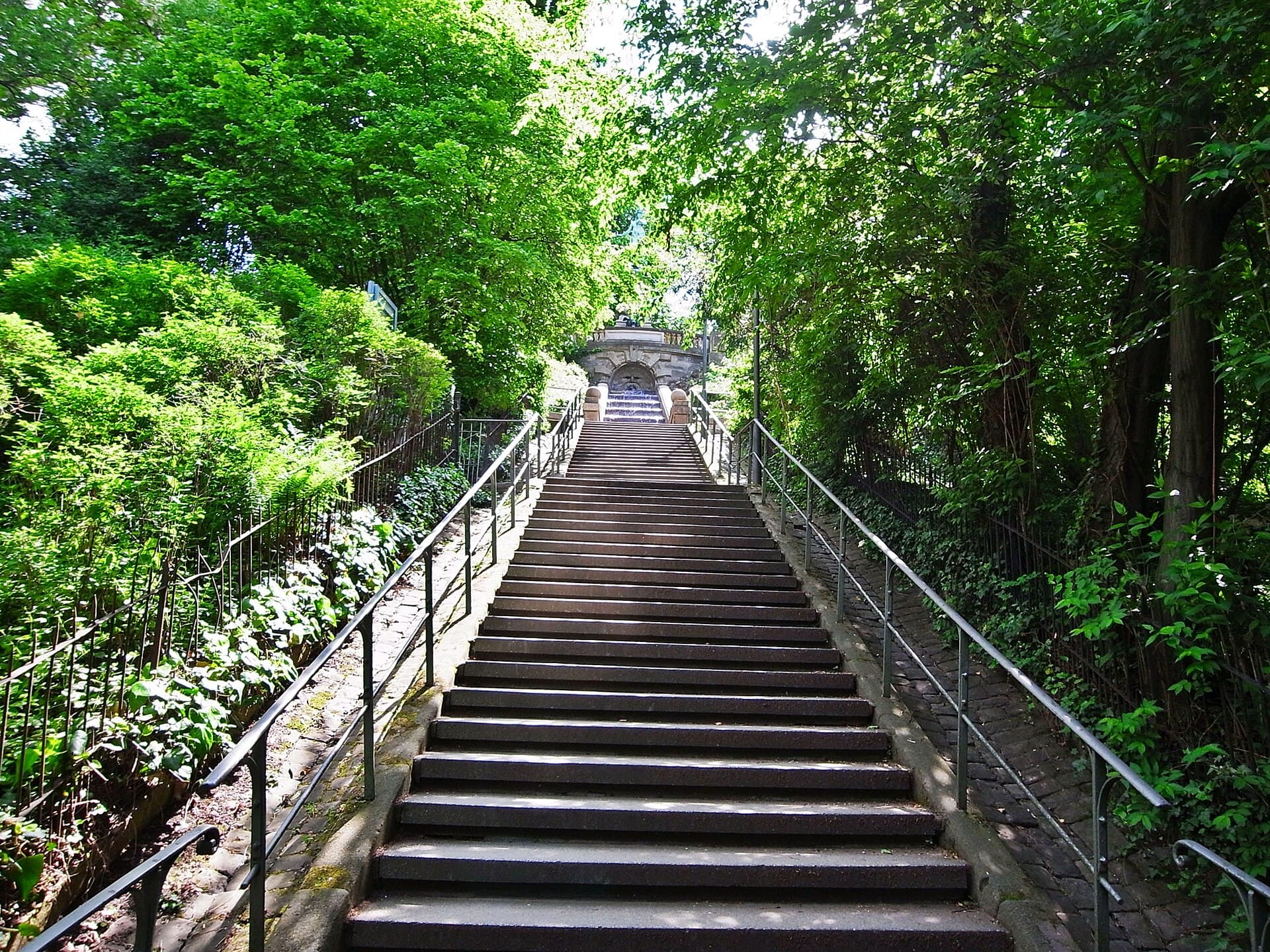 The EugenstaffelThe Eugenstaffel is Stuttgart's best-known Stäffele — a local word for a public 4 minutes walk4.6
Reasonably, yes — it explains modern Germany through one region, which is a clearer way in than general national history. But the panels are mainly German, with limited English.
The Landesmuseum shows artefacts and craft from antiquity to the nineteenth century. This starts about two hundred years ago and runs to the present, focusing on social and political history. They complement each other.