
Time's prisons
Lizards and feathers inside the drops.
Schlaier — Public domain · This photo was taken by Krzysztof SzelągAutorem zdjęcia jest Krzysztof SzelągWykorzystując zdjęcie proszę podać jako autora:Krzysztof Szeląg / Wikimedia Commons — CC BY-SA 4.0 · This photo was taken by Krzysztof SzelągAutorem zdjęcia jest Krzysztof SzelągWykorzystując zdjęcie proszę podać jako autora:Krzysztof Szeląg / Wikimedia Commons — CC BY-SA 4.0 · Michael Garlick — CC BY-SA 2.0
The Amber Museum is the vault of Baltic gold: Gdansk has been the world's amber capital since the Roman trade roads — and the museum (in the rebuilt medieval Great Mill, 2021) tells the forty million years: pine forests whose dripping resin imprisoned time — whole insects, lizards and feathers inside translucent pieces in displays that enchant children — then the centuries' craft: altars, kings' caskets and Ottoman prayer beads for the courts. Its luxuries crown it: Poland's largest preserved amber block, and rare white and milk grades — the top floor contemporary jewellery as art. It is the hour of understanding before buying: Mariacka street and the amber markets around hold thousands of pieces — and the museum teaches telling the true (it floats in salt water and charges when rubbed) before your wallet does.
Lizards and feathers inside the drops.
The rebuilt medieval home of the gold.
Wielkie Młyny 39/40, 80-835 Gdansk
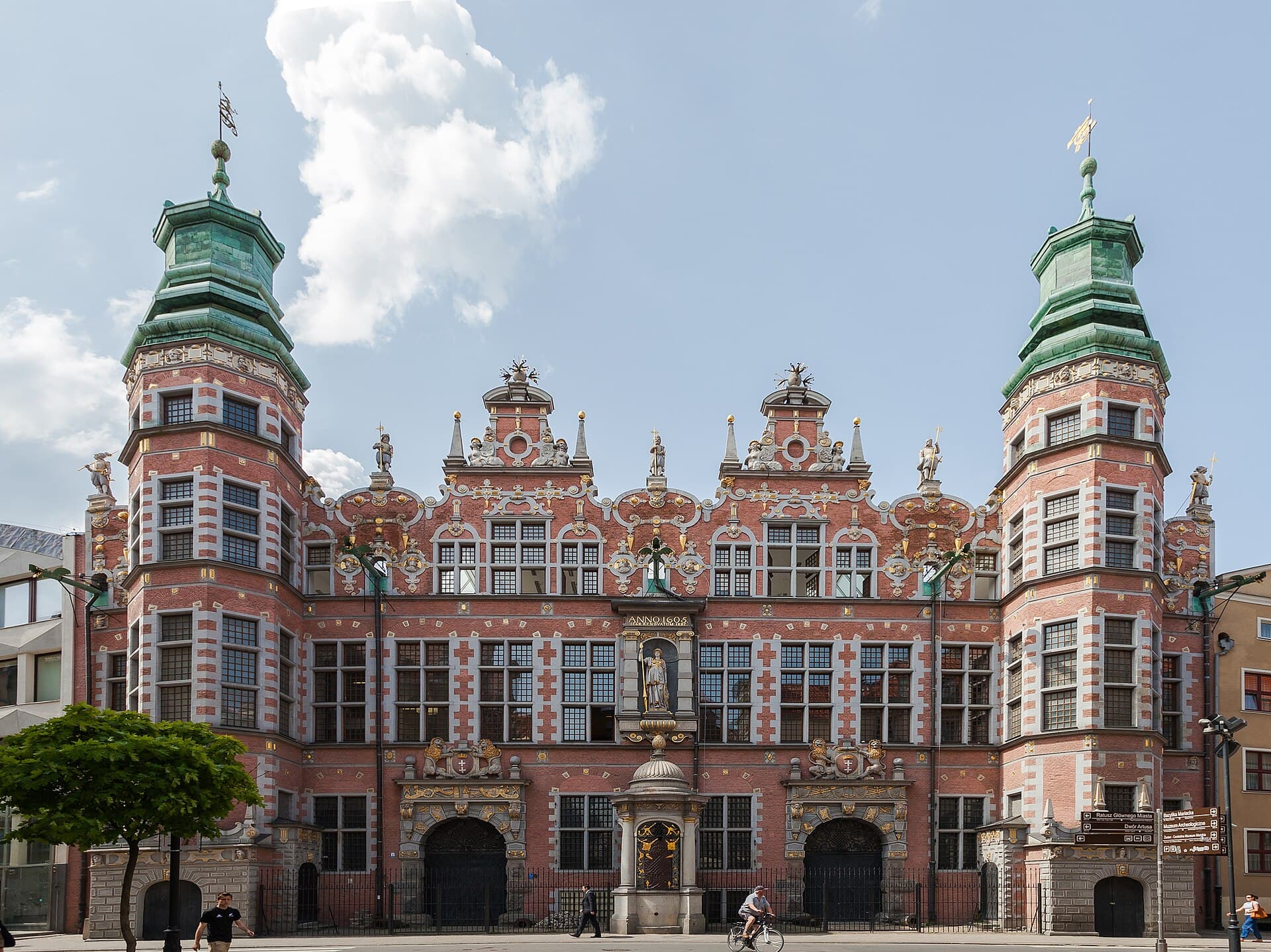 The Great ArmouryAn early seventeenth-century building at the western edge of the old town, and a2 minutes walk4.8
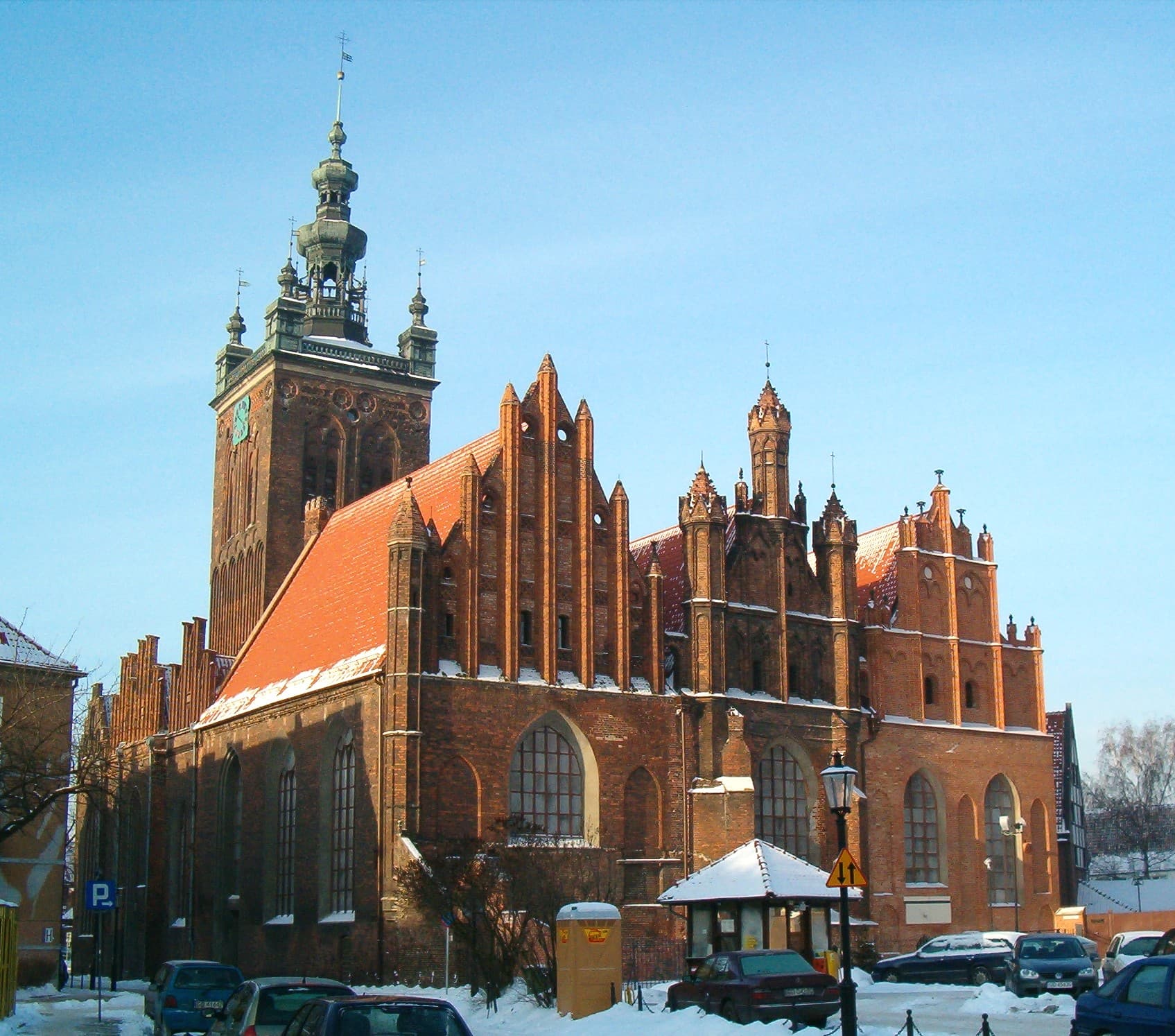 St Catherine's ChurchThe oldest church in Gdańsk, originating in the thirteenth century, north of the5 minutes walk4.5
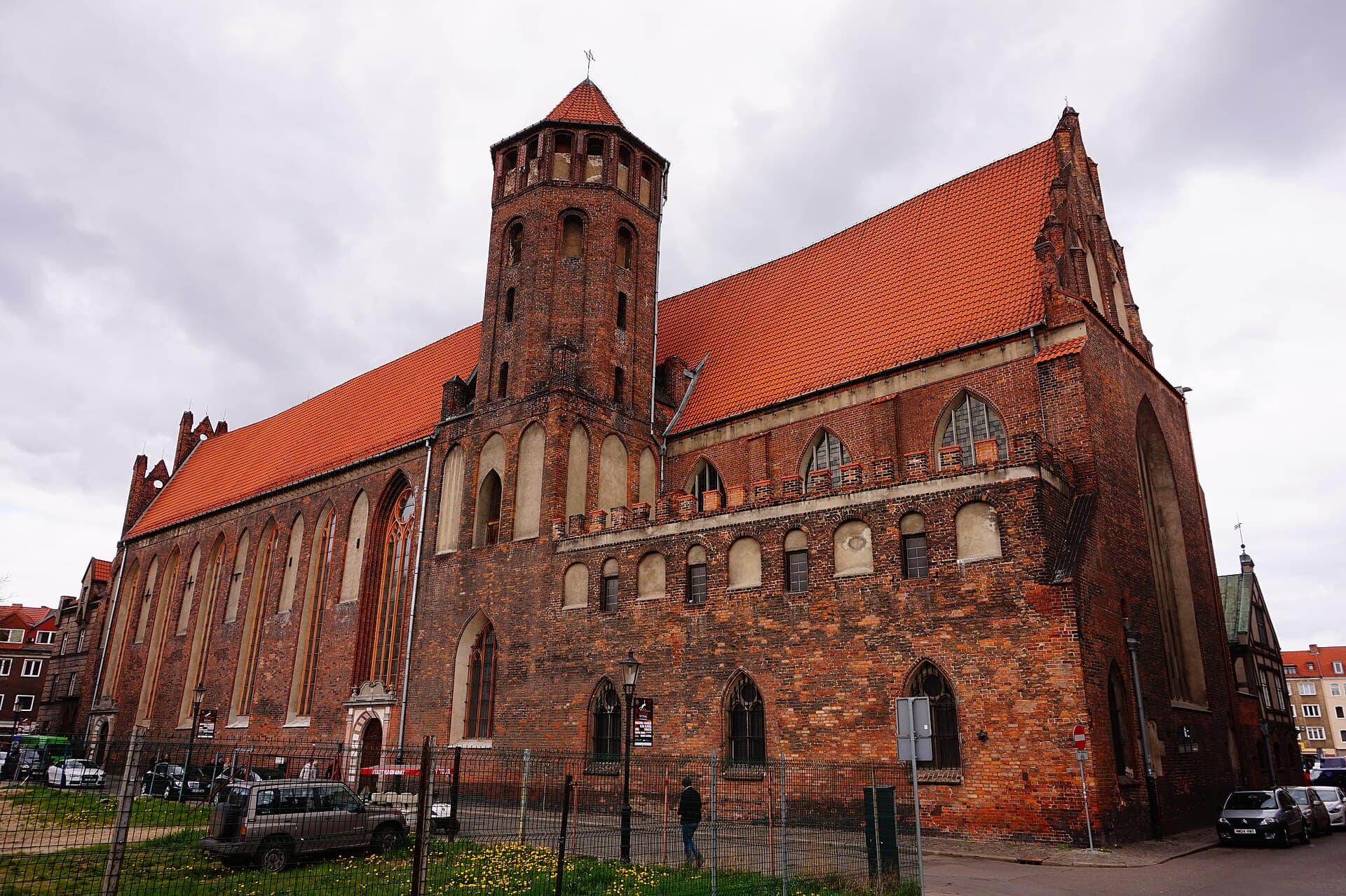 St Nicholas's BasilicaA thirteenth-century Dominican church north of the old town, and the only church5 minutes walk4.8
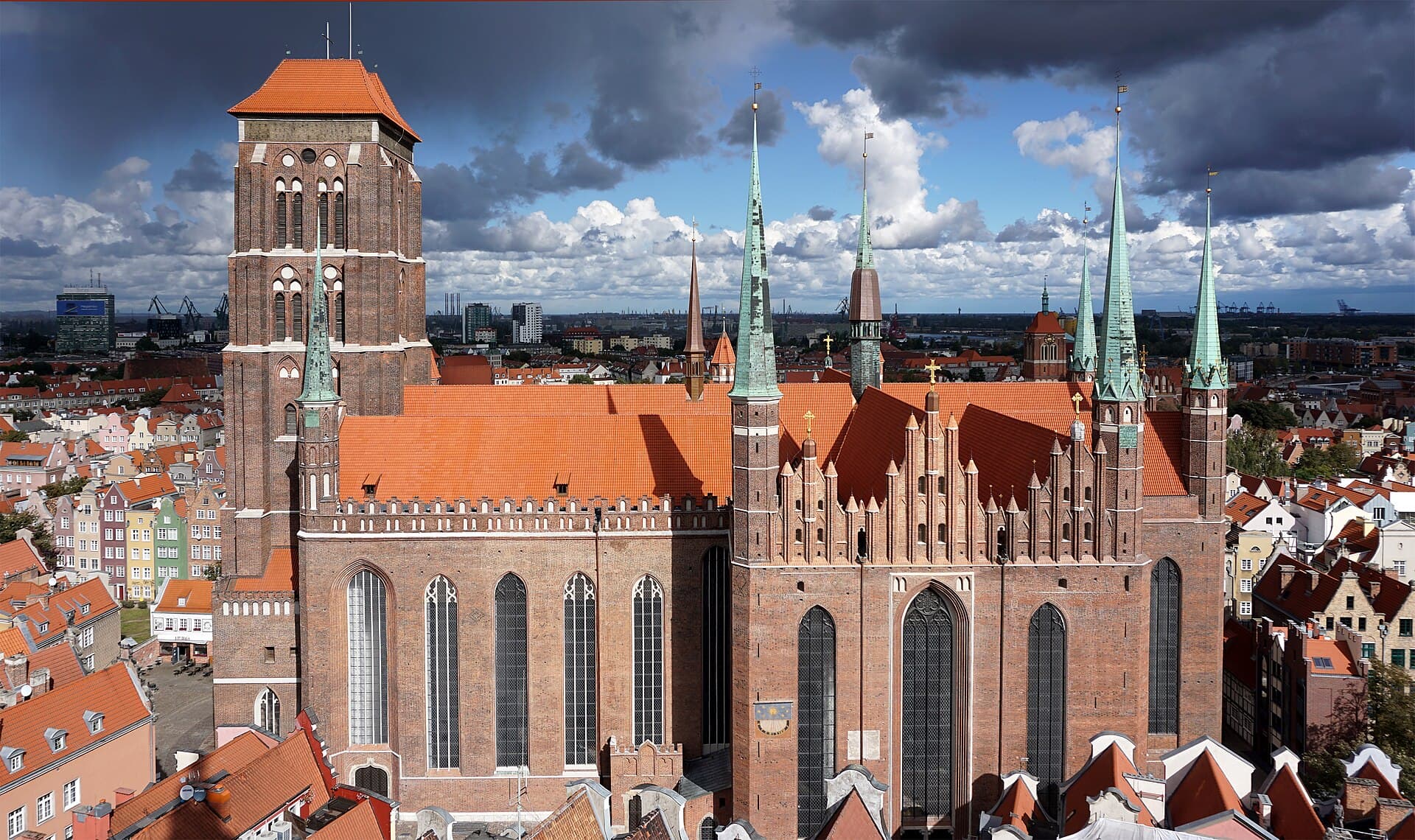 St. Mary's — the Largest Brick ChurchGdansk's St. Mary's is the largest brick church on earth: one hundred and five m5 minutes walk4.8
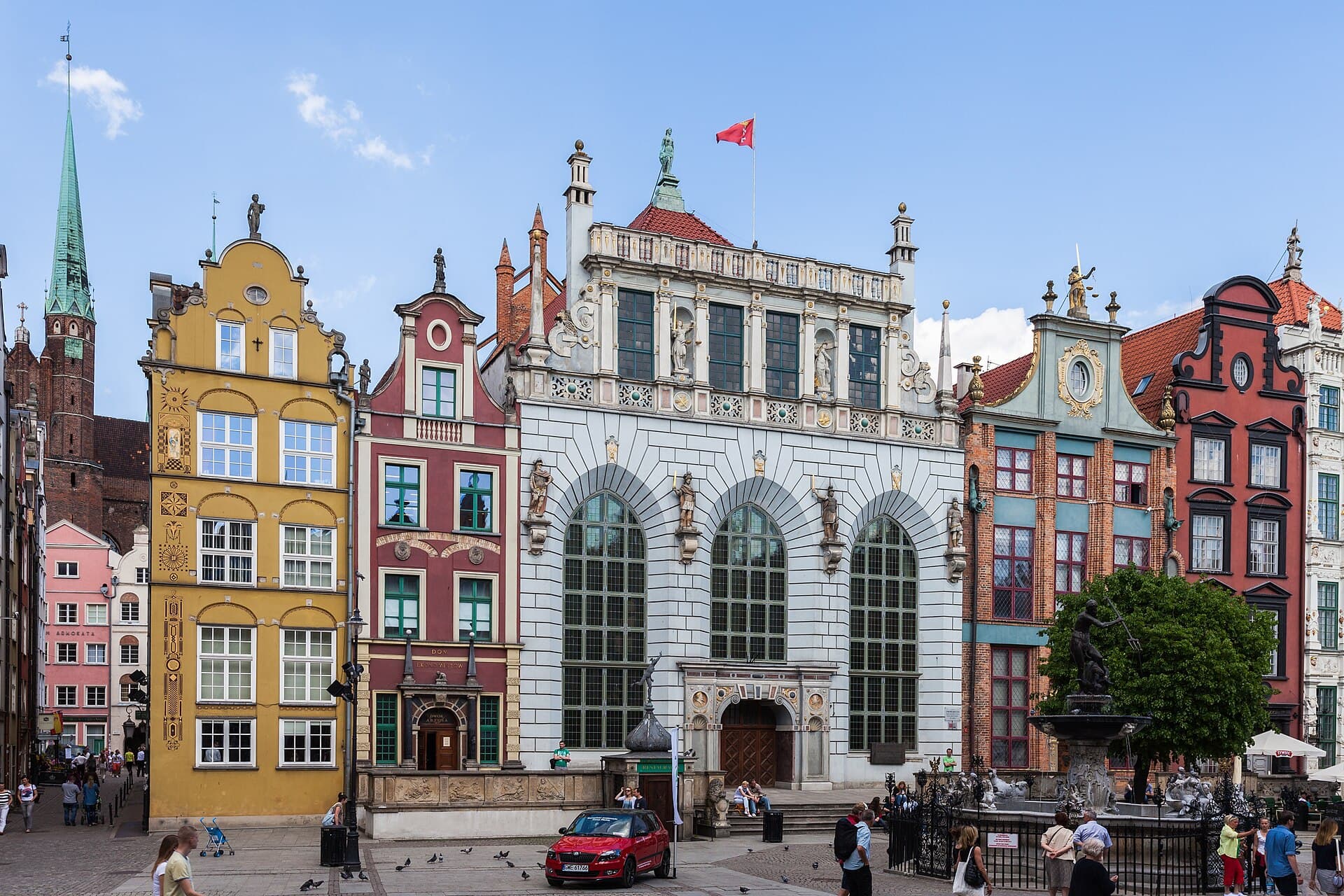 Artus CourtA merchants' hall in the heart of Gdańsk's Long Street, the centre of the city's5 minutes walk4.9
The market's four rules: a documented shop with written certificate first — the true floats in salt-saturated water, static-charges a straw when rubbed, and feels warm (glass feels cold) — absolute perfection is suspicion: bubbles and clouds are nature, not flaw — and the too-cheap is resin by verdict. Whole-insect pieces are rightly dear: their cheap versions are cast fakes.