
Dutch Renaissance
Among its finest examples in central Europe, completed in 1609.
Diego Delso — CC BY-SA 3.0 · Ermell — CC BY-SA 4.0 · Annemarie Schwarzenbach — Public domain · Annemarie Schwarzenbach — Public domain
An early seventeenth-century building at the western edge of the old town, and among the finest examples of Dutch Renaissance architecture in central Europe. What surprises a visitor is that this was an arms store. The eastern facade is designed as though it were four adjoining merchants' houses, with stepped ornamental gables, arched windows and sculpture — a deliberate concealment of a military function behind a civic appearance. The city wanted its powder magazine to look like part of its commercial street. It was designed by Anthonis van Obbergen, a Dutch architect who worked across the Hanseatic cities, and completed in 1609 at the height of Gdańsk's wealth. It was destroyed in 1945 and rebuilt, and is today used in part by the Academy of Fine Arts, with shops and exhibition space on the ground floor. The facade is the point and is free to see from the street at any time. Going inside depends on what is on — usually temporary exhibitions.
Among its finest examples in central Europe, completed in 1609.
The signature of Hanseatic Dutch building, seen across the old town.
Entry depends on temporary exhibitions; the facade is enough.
Piwna street, the western end of Long Street
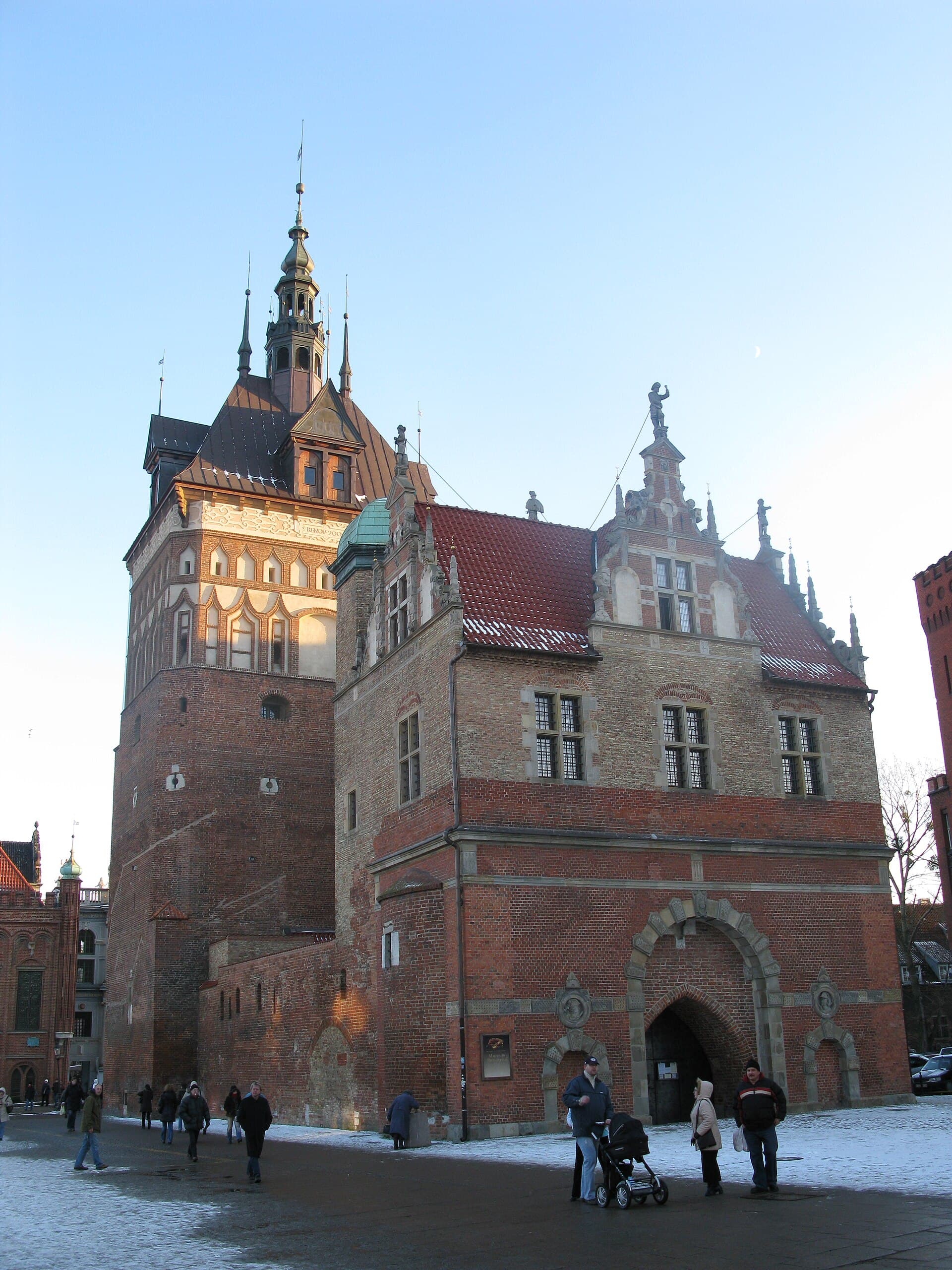 The Amber MuseumThe Amber Museum is the vault of Baltic gold: Gdansk has been the world's amber 2 minutes walk4.8
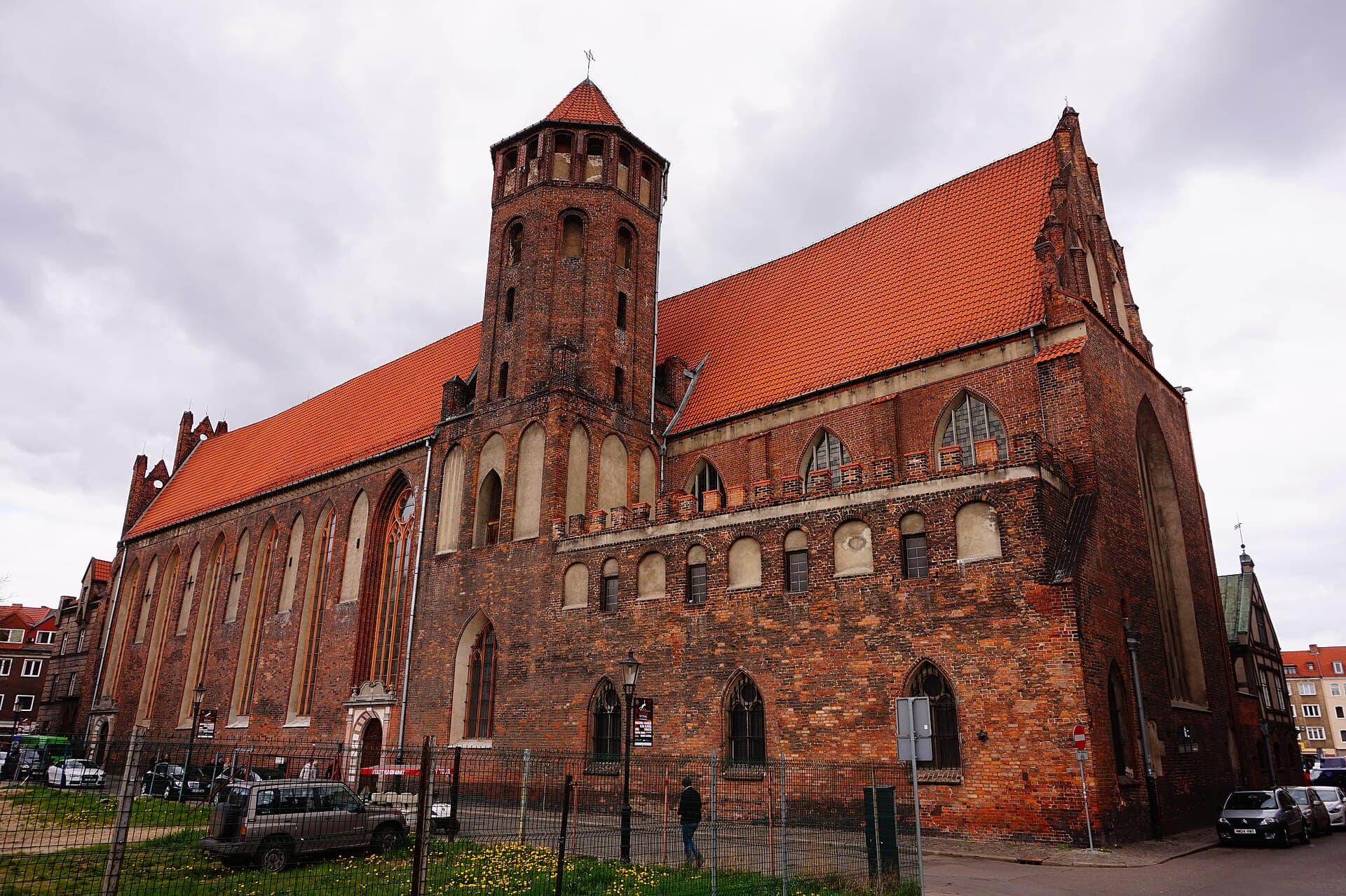 St Nicholas's BasilicaA thirteenth-century Dominican church north of the old town, and the only church3 minutes walk4.8
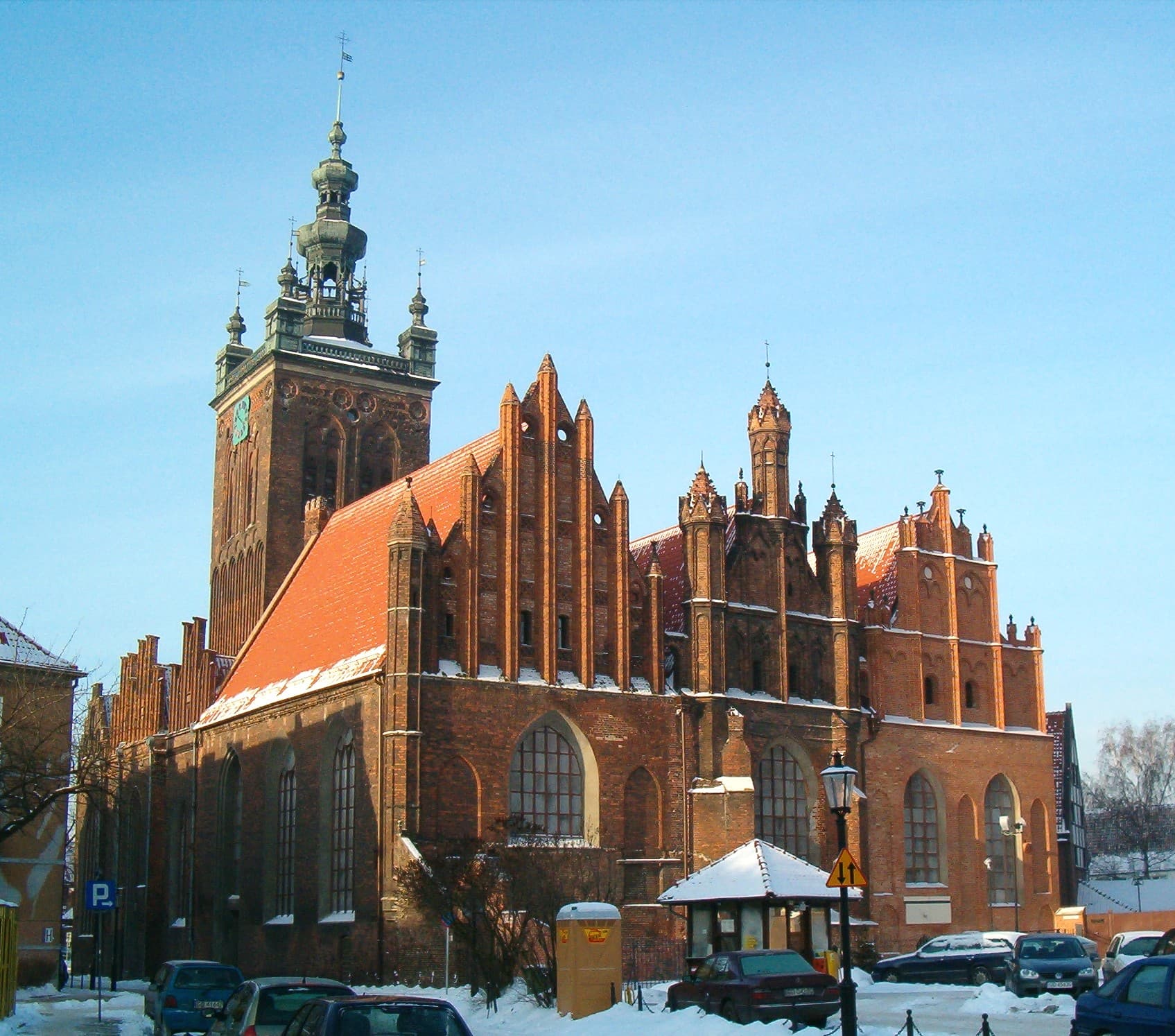 St Catherine's ChurchThe oldest church in Gdańsk, originating in the thirteenth century, north of the3 minutes walk4.5
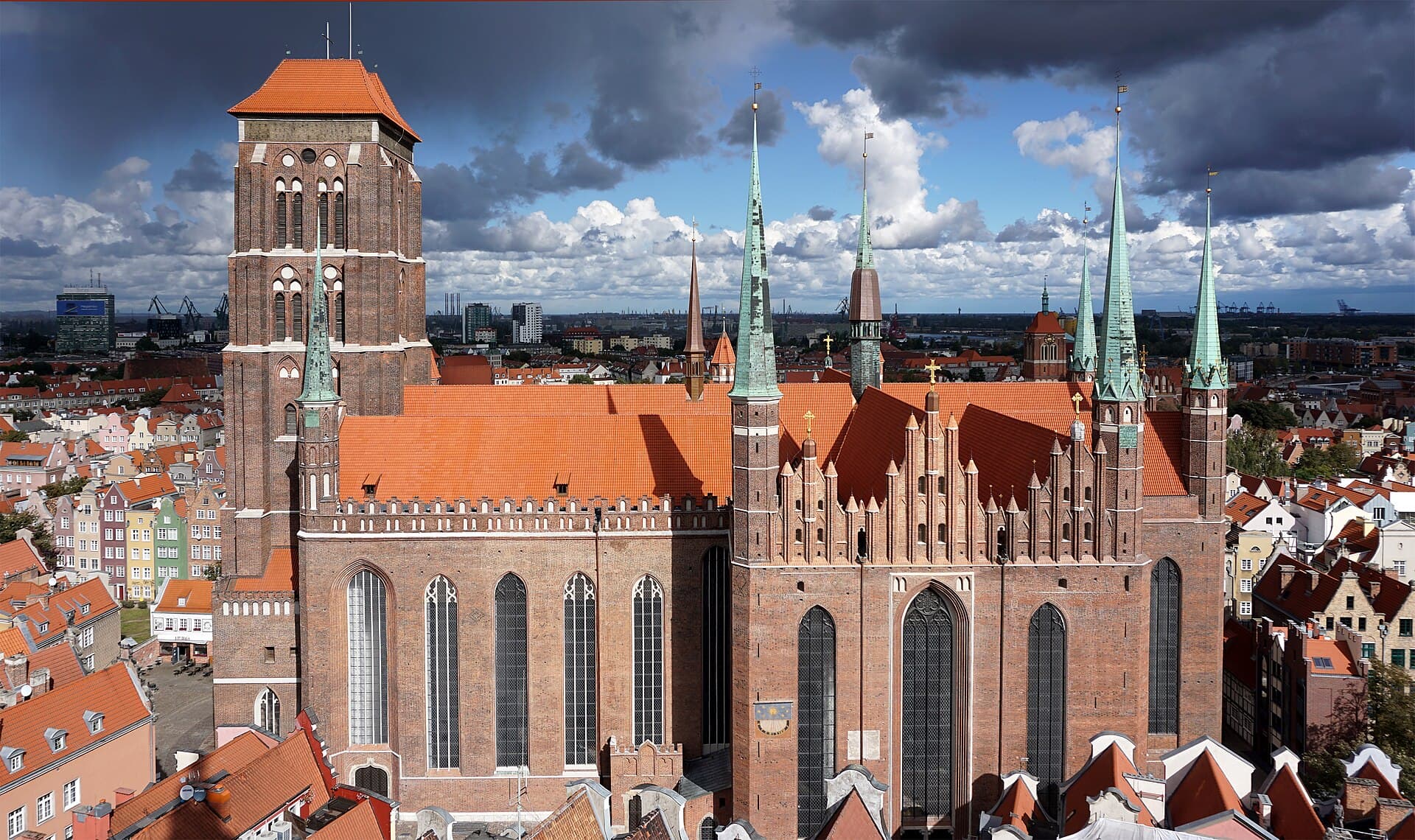 St. Mary's — the Largest Brick ChurchGdansk's St. Mary's is the largest brick church on earth: one hundred and five m4 minutes walk4.8
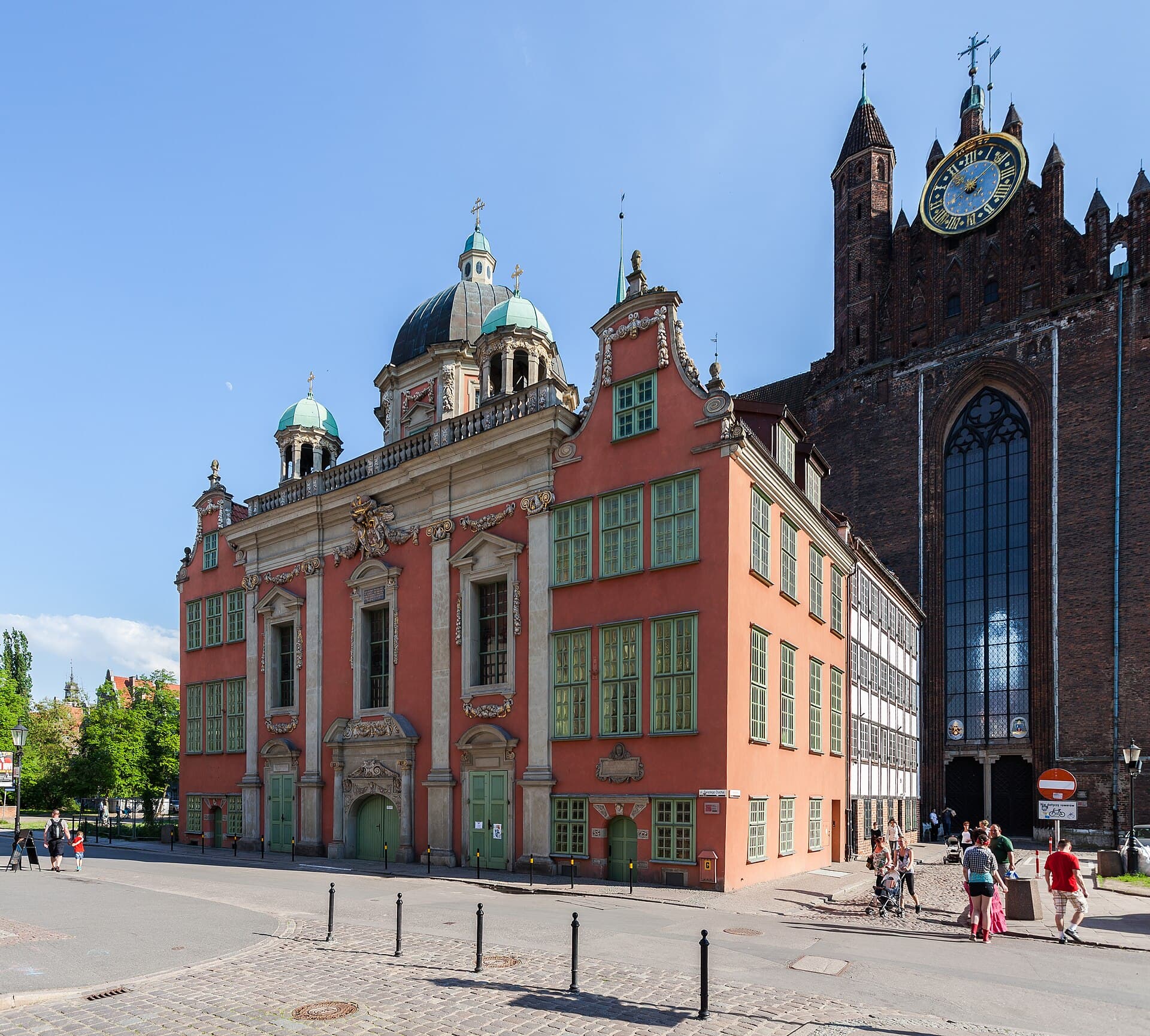 The Royal ChapelA small baroque church adjoining St Mary's, built between 1678 and 1681, and the4 minutes walk4.6
Because its wealth came from maritime trade with the Netherlands and Flanders, and because the city brought in Dutch architects and engineers throughout the sixteenth and seventeenth centuries — van Obbergen being the best known. The stepped gables, the stone ornament and the tall narrow houses all come from that exchange. When the city was rebuilt after 1945, this character was deliberately chosen and what had been built later under German rule was left out.
The facade is the real value and is free to see. The interior is used in part by the art academy and holds no permanent museum, so entering is worthwhile only if a temporary exhibition happens to interest you. Look at the eastern facade from Long Street — the finer one — and move on.