
The blue dome
Gur-e Amir style.
Shum3rR — CC BY-SA 4.0 · Doris Ingeborg Lohse — CC BY-SA 4.0 · BeshevI — CC BY-SA 4.0 · Khamirajjj — CC BY-SA 4.0 · Bobur Usupjonov — CC BY-SA 4.0 · Екатерина Борисова — CC BY-SA 4.0 · Sha849 — CC BY-SA 4.0 · შალვა მინდაძე 11 — CC BY-SA 4.0
The State Museum of Timurid History, a round building under a blue dome that recalls the Gur-e Amir mausoleum in Samarkand. It opened on 18 October 1996, the year Uzbekistan marked the 660th anniversary of Timur's birth, on the edge of Amir Timur Square in central Tashkent. The collection holds more than 5,000 items, over 2,000 of them on display, telling Timur's story: his lineage, rise to power and campaigns, his diplomatic and trade ties, and the flowering of architecture and science under his rule. Exhibits include weapons, copper and silver coins, miniatures, rare manuscripts, ceramics and jewellery, alongside large paintings of scenes from his age. The halls also follow the Timurid dynasty after him, with its scholars and builders. Entry is by a modest ticket, and photography may cost extra, per visitor guides. Timur's statue stands in the square outside, so the museum, the square and the clock tower fit into about an hour and a half.
Gur-e Amir style.
Timurid era.
Scenes of his age.
Amir Timur Street, by Amir Timur Square, Tashkent
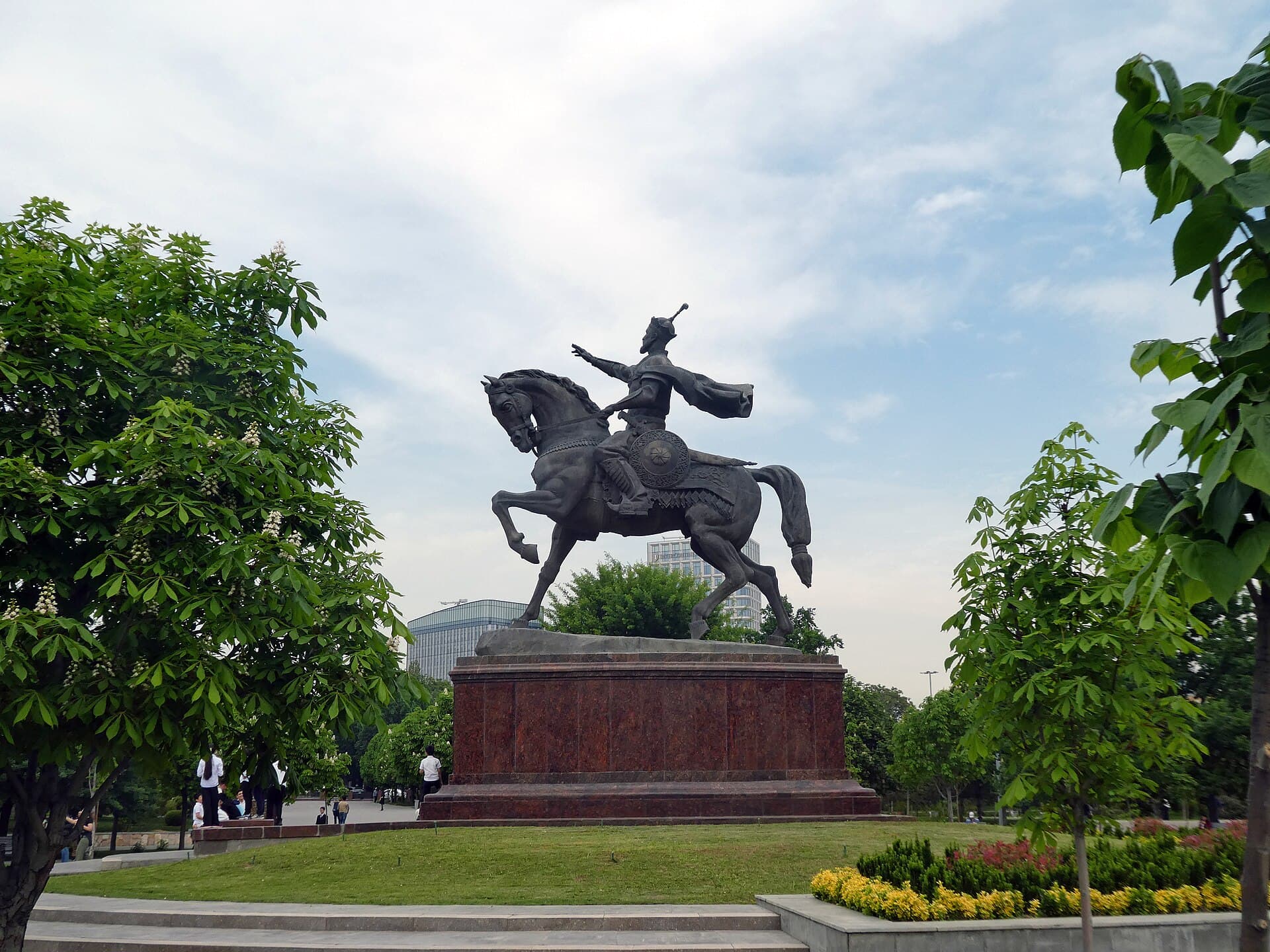 Amir Timur SquareTashkent's central square, a round park whose centrepiece since 1993 has been a 4 minutes walk
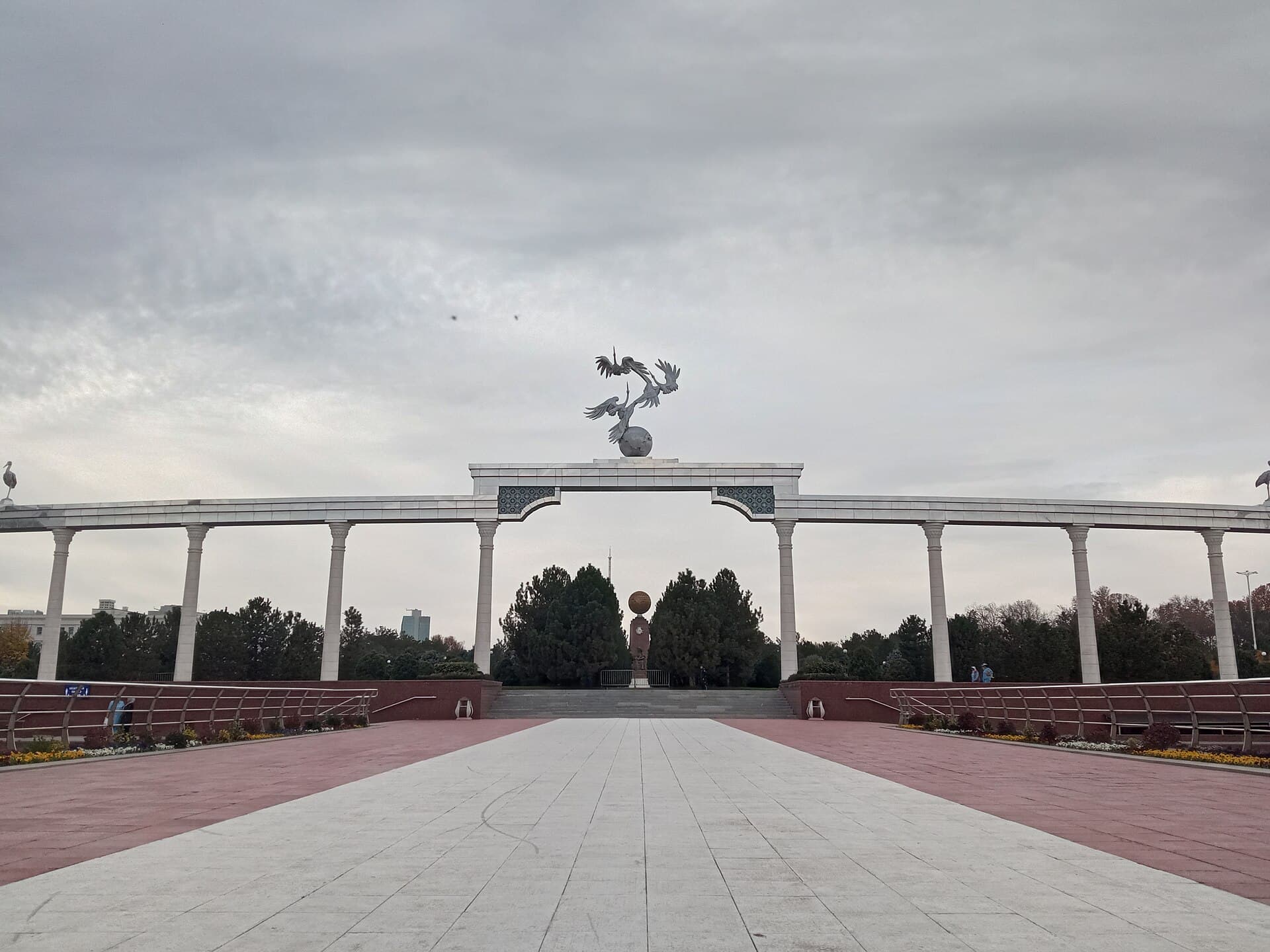 Independence Square, TashkentTashkent's largest square, more a vast park than a plaza. Once Lenin Square, it 11 minutes walk
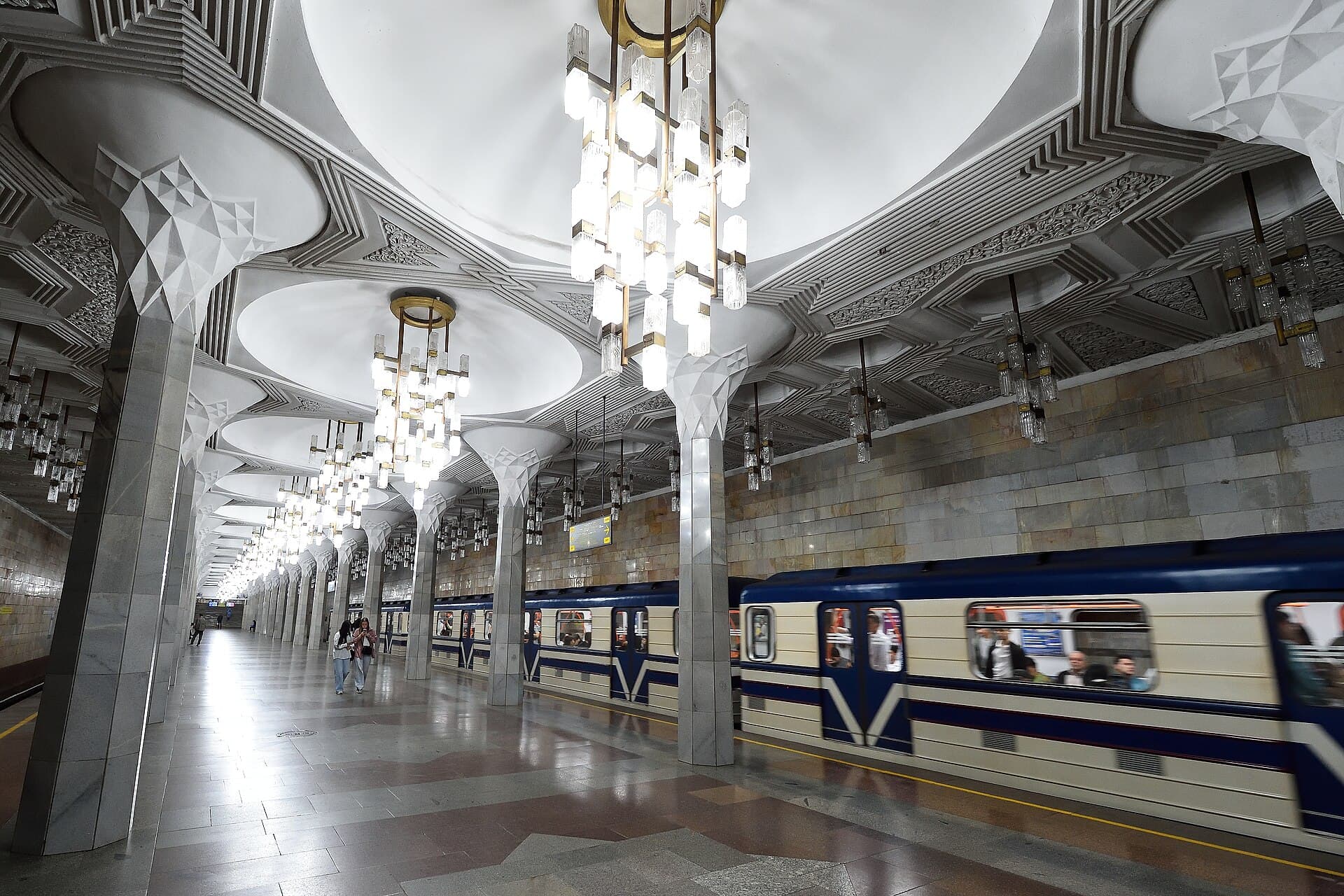 Tashkent MetroCentral Asia's first metro, opened on 6 November 1977 after the 1966 earthquake,19 minutes walk
On 18 October 1996, marking 660 years since Timur's birth; it holds more than 5,000 items.