
Kosmonavtlar
Space-blue walls.
Tim Adams — CC BY 4.0 · Tim Adams — CC BY 4.0 · Enric — CC BY 4.0 · Tim Adams — CC BY 4.0 · Mrshaxas — CC BY-SA 4.0 · VTCH — CC BY 3.0 · Mrshaxas — CC BY-SA 4.0 · Panpanchik — CC BY-SA 4.0
Central Asia's first metro, opened on 6 November 1977 after the 1966 earthquake, the seventh in the Soviet Union. Today it has four lines, about 70 km of route and 50 stations, carried some 287 million passengers in 2025, and its first three lines were built to resist strong earthquakes. It is famous for its decorated stations, each on its own theme: Kosmonavtlar with walls in shades of blue like outer space and medallions of cosmonauts; Alisher Navoiy with ornamented domes and panels inspired by the poet's verse; and Mustaqillik Maydoni with its crystal chandeliers. Photography was banned until 31 May 2018, because the stations counted as military sites and shelters; now you can take pictures freely. In 2026 Kosmonavtlar station was inscribed on the World Heritage List as part of «Tashkent Modernist Architecture». From 1 October 2026 a ride costs 2,500 som by transport card or 3,000 som in cash under the city's new tariff, up from 1,700 by card. Hopping between the showpiece stations takes one to two hours; avoid the rush hours.
Space-blue walls.
Ornate domes.
Chandeliers.
Stations across Tashkent; start at Kosmonavtlar
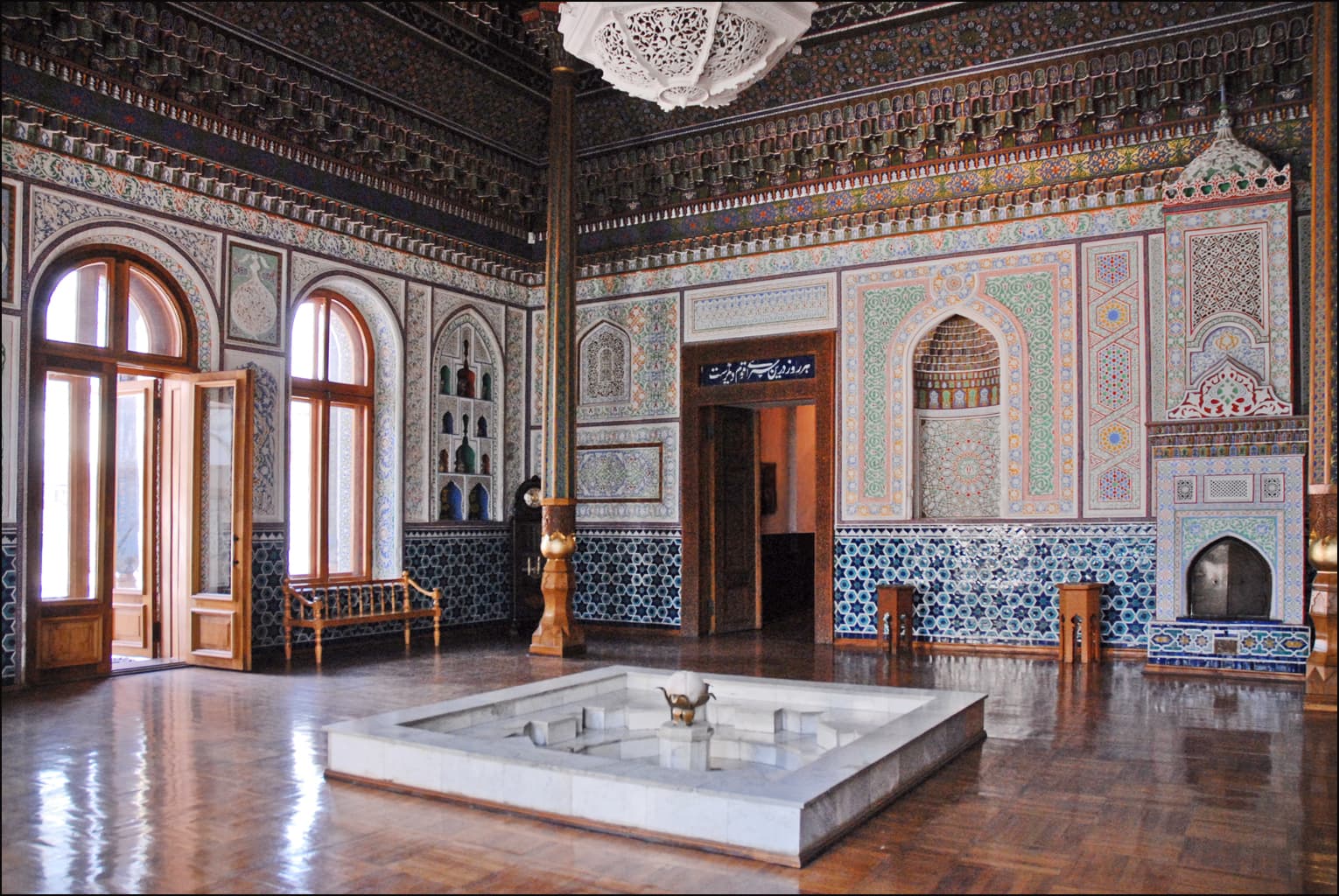 Museum of Applied Arts, TashkentUzbekistan's State Museum of Applied Arts occupies a remarkable late 19th-centur8 minutes walk
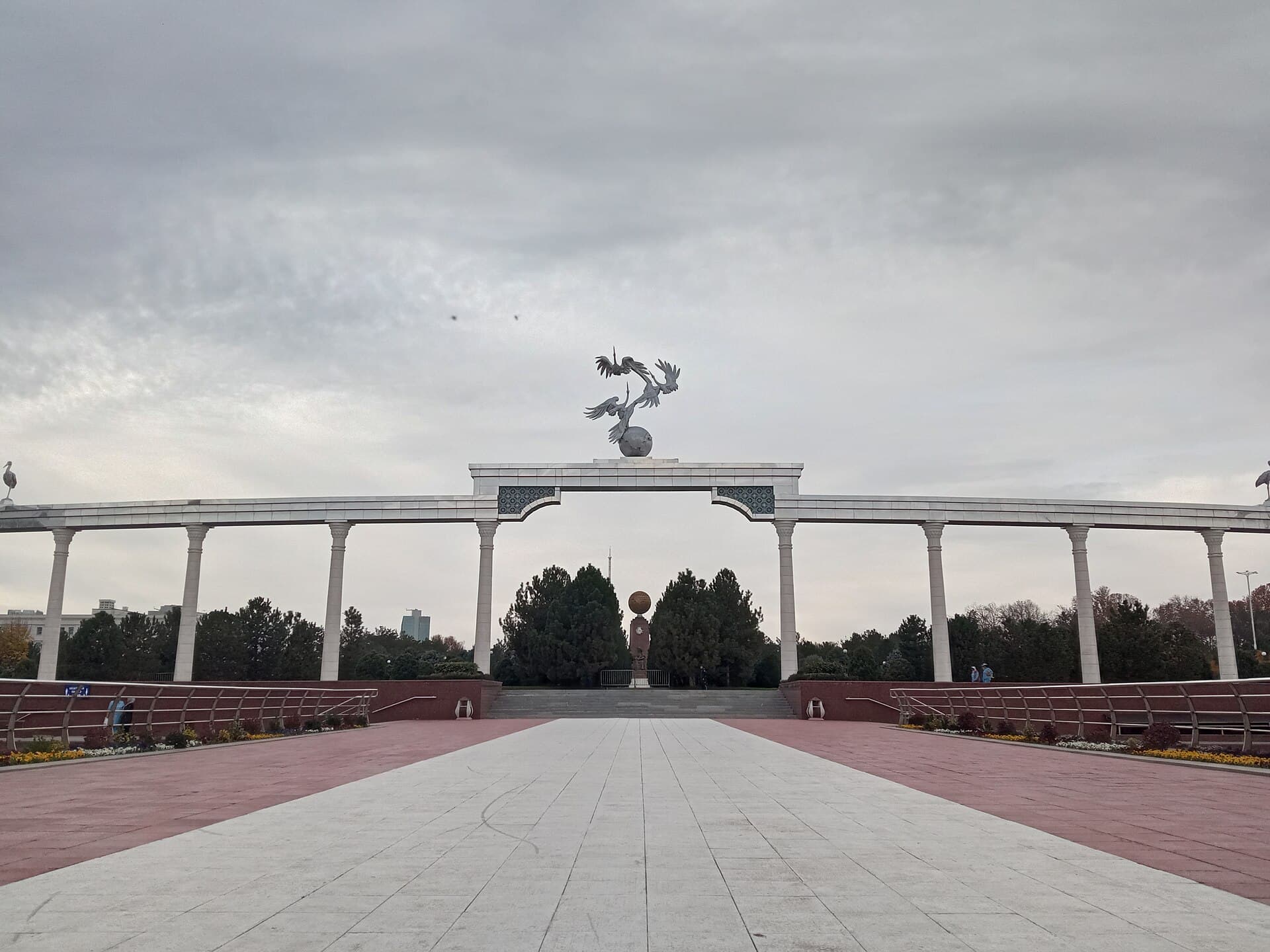 Independence Square, TashkentTashkent's largest square, more a vast park than a plaza. Once Lenin Square, it 15 minutes walk
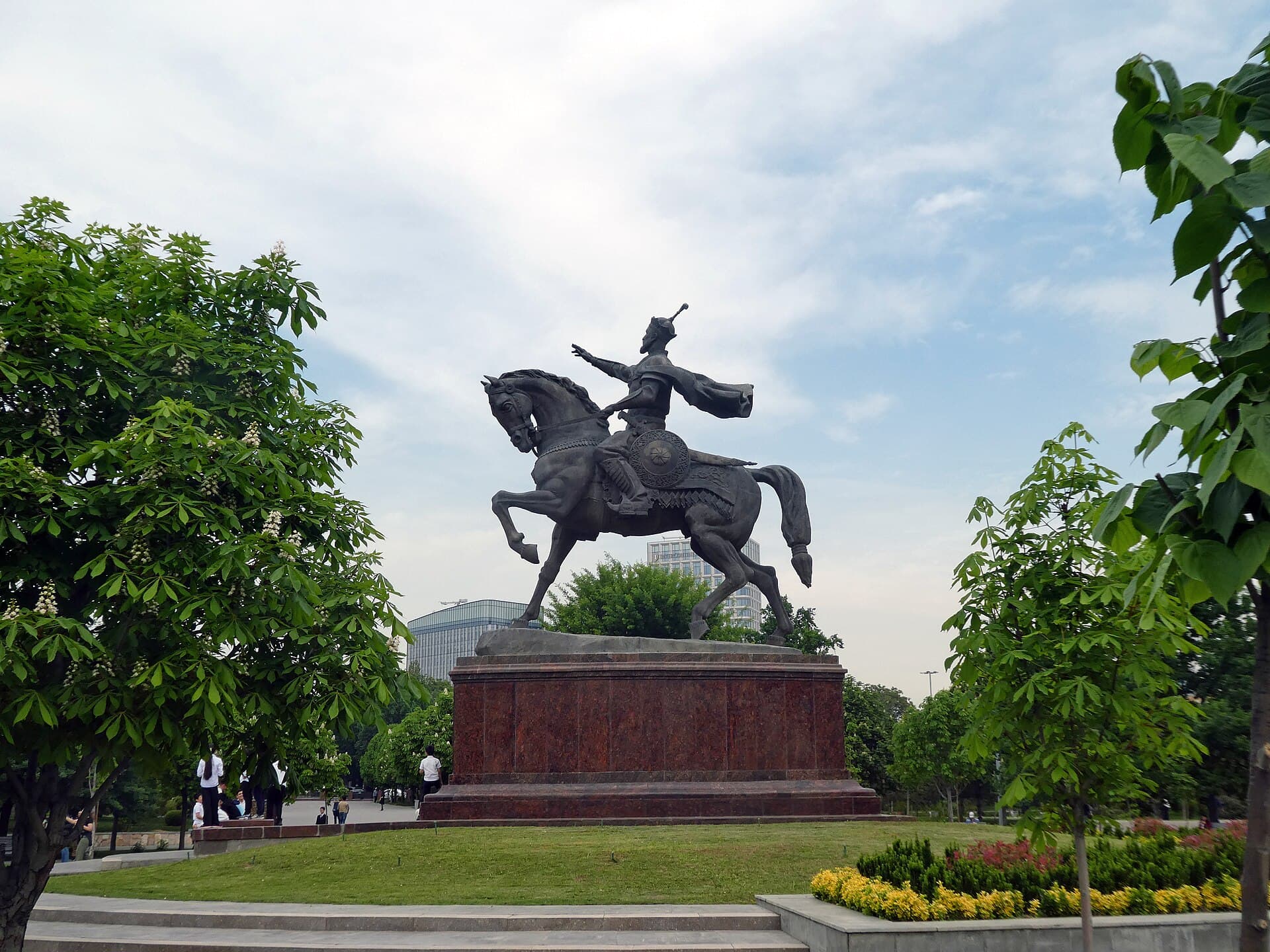 Amir Timur SquareTashkent's central square, a round park whose centrepiece since 1993 has been a 18 minutes walk
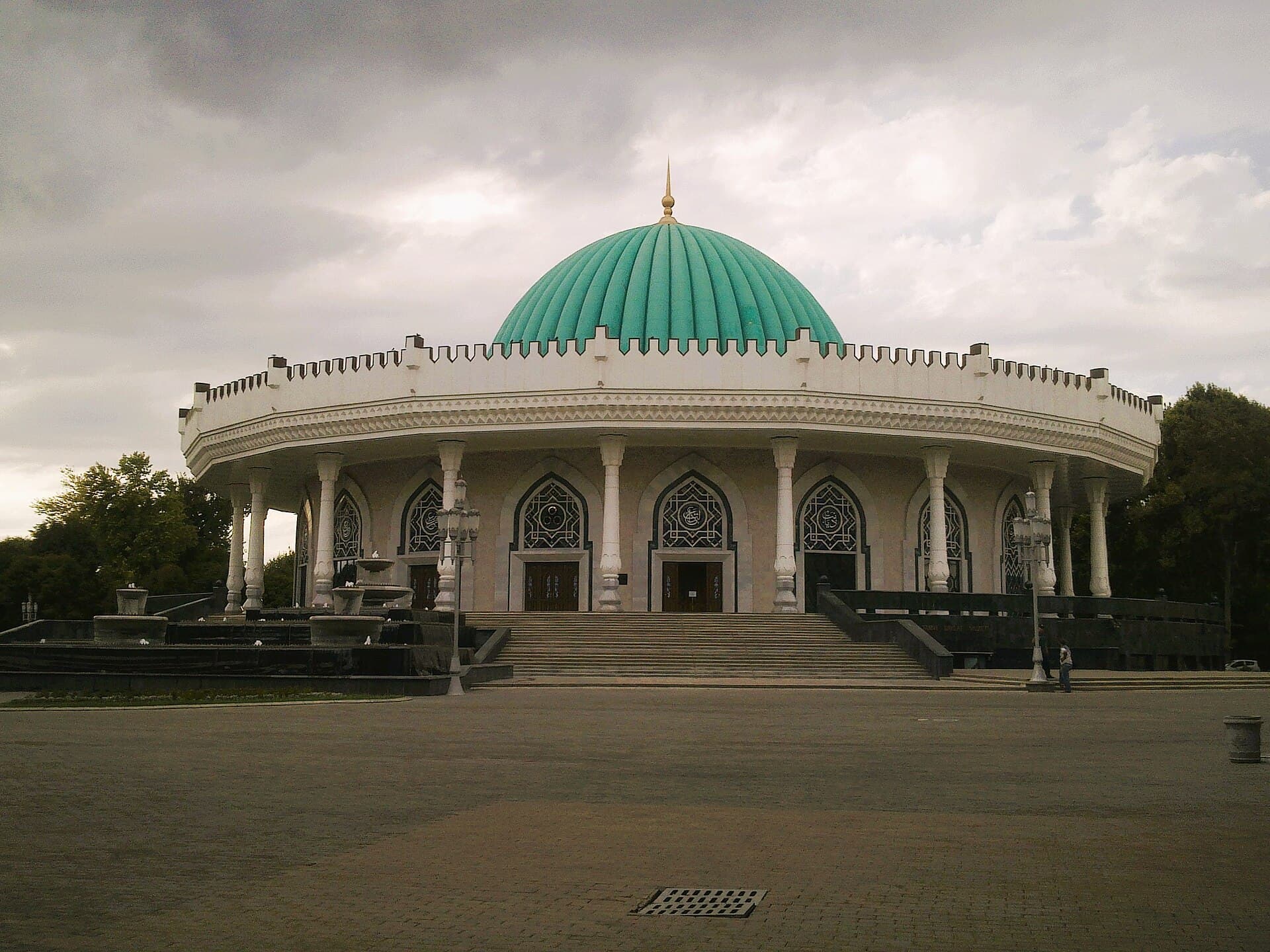 Amir Timur MuseumThe State Museum of Timurid History, a round building under a blue dome that rec19 minutes walk
Yes, since June 2018, after decades of a ban; a ride costs 2,500 som by card from 1 October 2026.