
Models before imaging
Nineteenth-century wax and plaster models that were how anatomy was taught.
Simon Legner (User:simon04) — CC BY-SA 4.0 · Luftschiffhafen — CC BY-SA 4.0 · Luftschiffhafen — CC BY-SA 4.0 · Kluibi (talk) — CC BY-SA 3.0 at
An anatomical collection belonging to the Medical University of Innsbruck, holding preparations, models and skeletons assembled for teaching medicine over more than a century. This is a university museum first, whose purpose is teaching medical students rather than receiving visitors. The displays include real preparations of organs and systems, along with nineteenth-century wax and plaster models that were the teaching medium before modern imaging. A decisive practical point: hours are very limited and usually by prior arrangement or on announced days, and entry is normally free. Do not go without checking first — this is not a place with an open door and a ticket window. A plain warning: the collection includes real human remains. That disturbs some visitors and it is not suitable for young children. On the other hand, anyone studying medicine or interested in the history of science will find something rare here that public museums do not show.
Nineteenth-century wax and plaster models that were how anatomy was taught.
The purpose is teaching medical students; a visit is an arranged exception, not a service.
Few cities open their anatomical collections at all — but on their own terms.
Medical University, Müllerstraße, Innsbruck
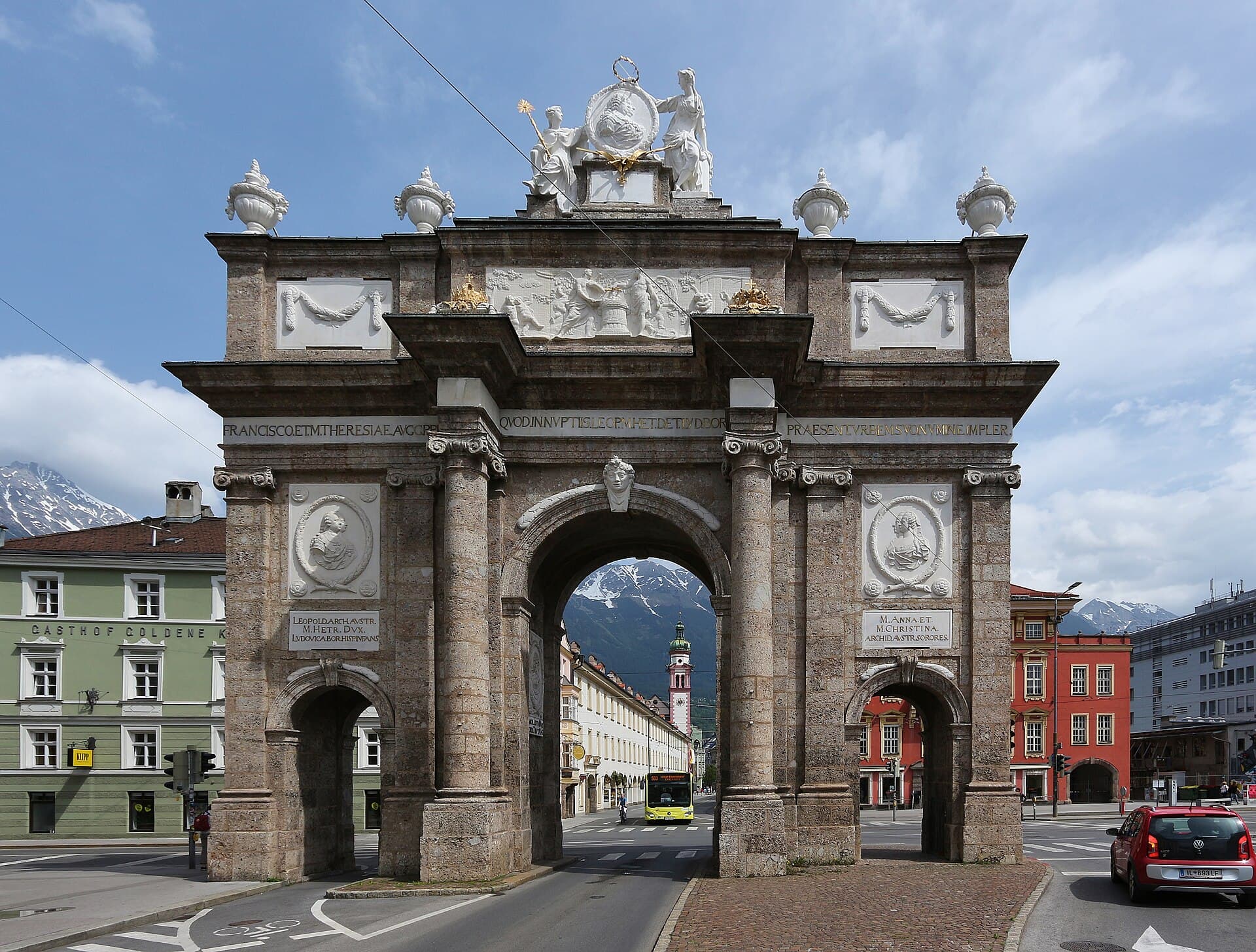 The Triumphal ArchThe Triumphal Arch closes the southern end of Maria-Theresien-Strasse, Innsbruck7 minutes walk4.4
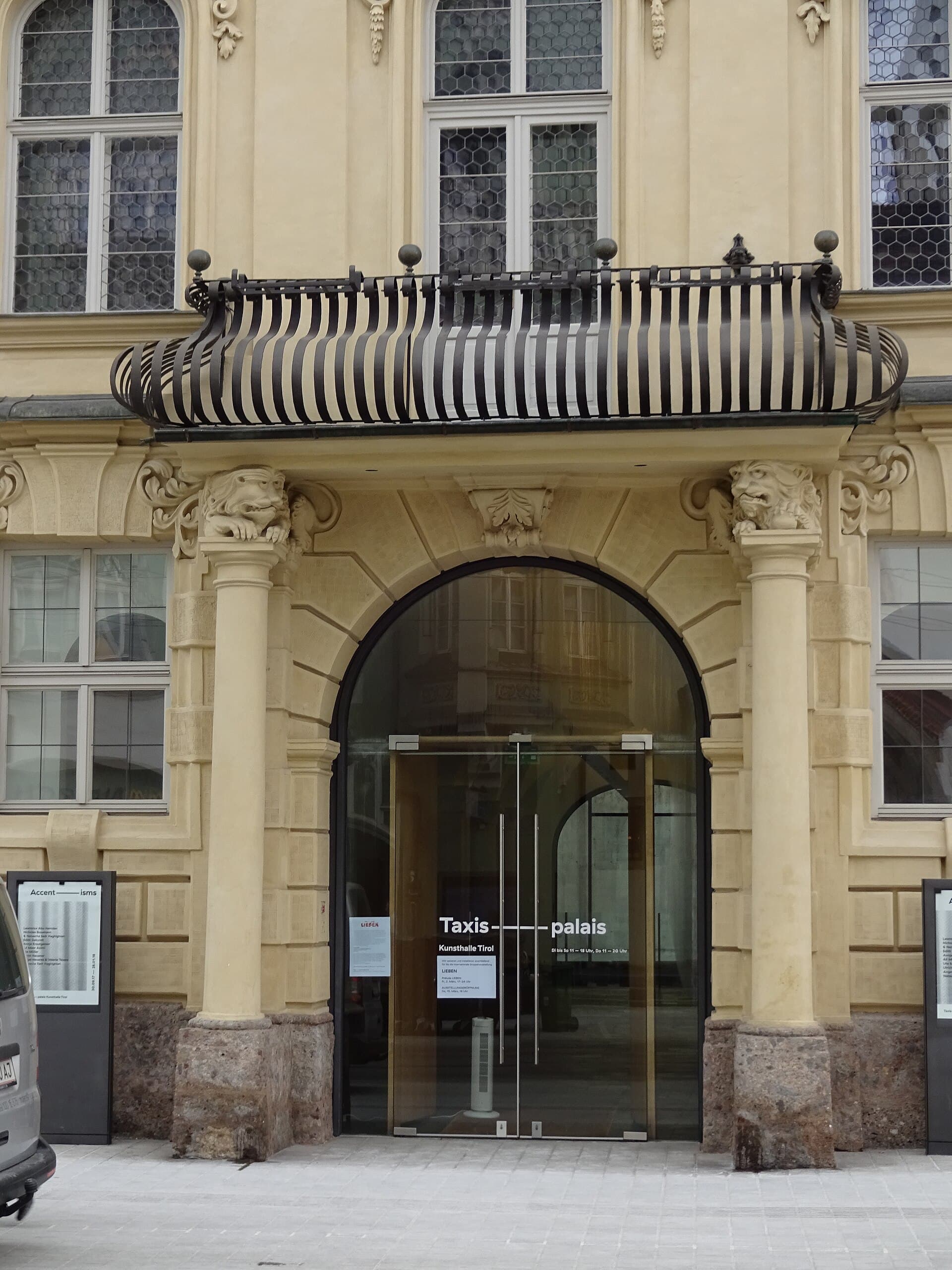 Taxispalais — Kunsthalle TirolA Baroque palace on Maria-Theresien-Straße, Innsbruck's main street, working tod9 minutes walk4.2
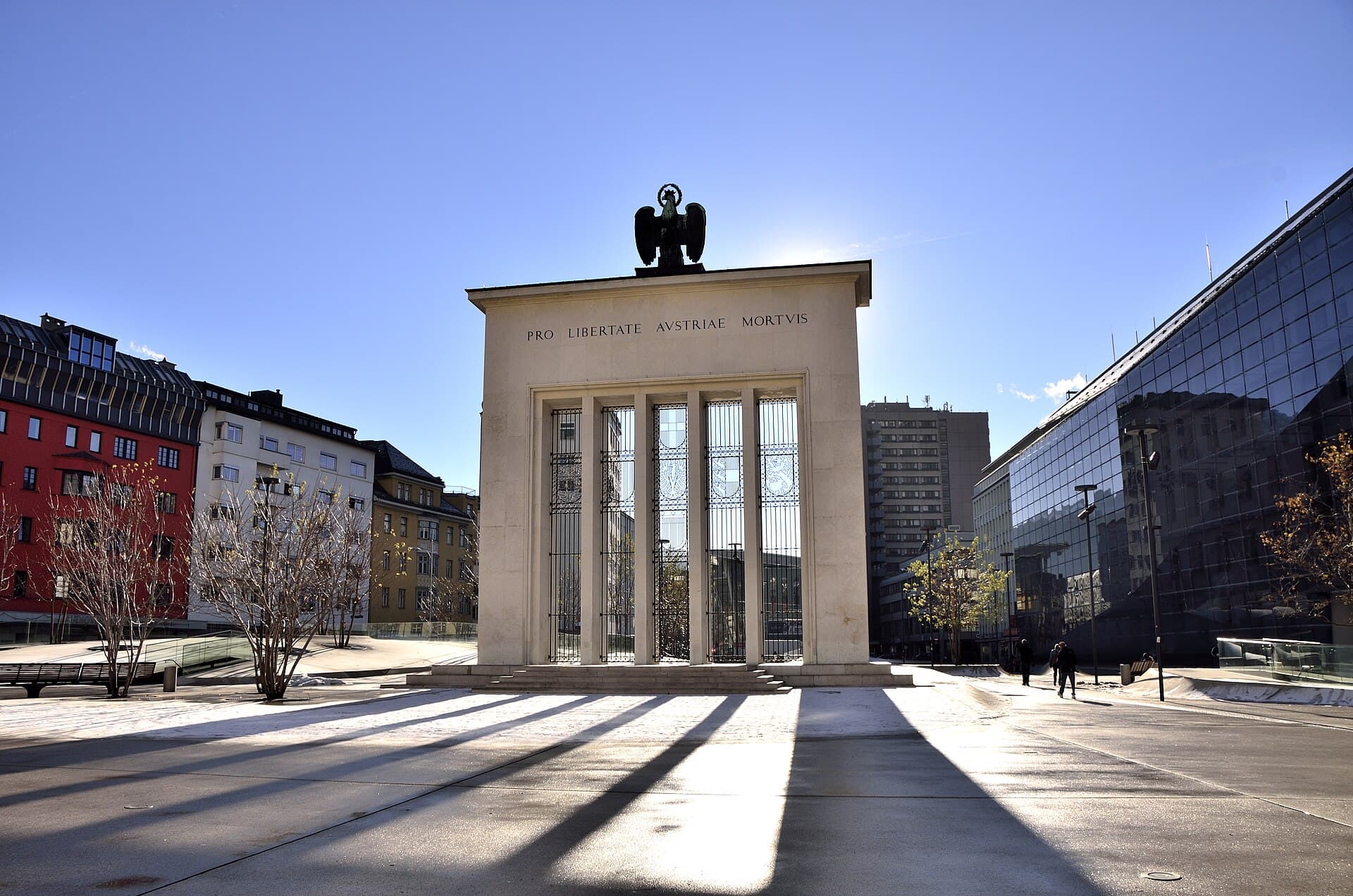 Eduard-Wallnöfer-PlatzA large square south of the old town, known locally as Landhausplatz, redesigned9 minutes walk4.2
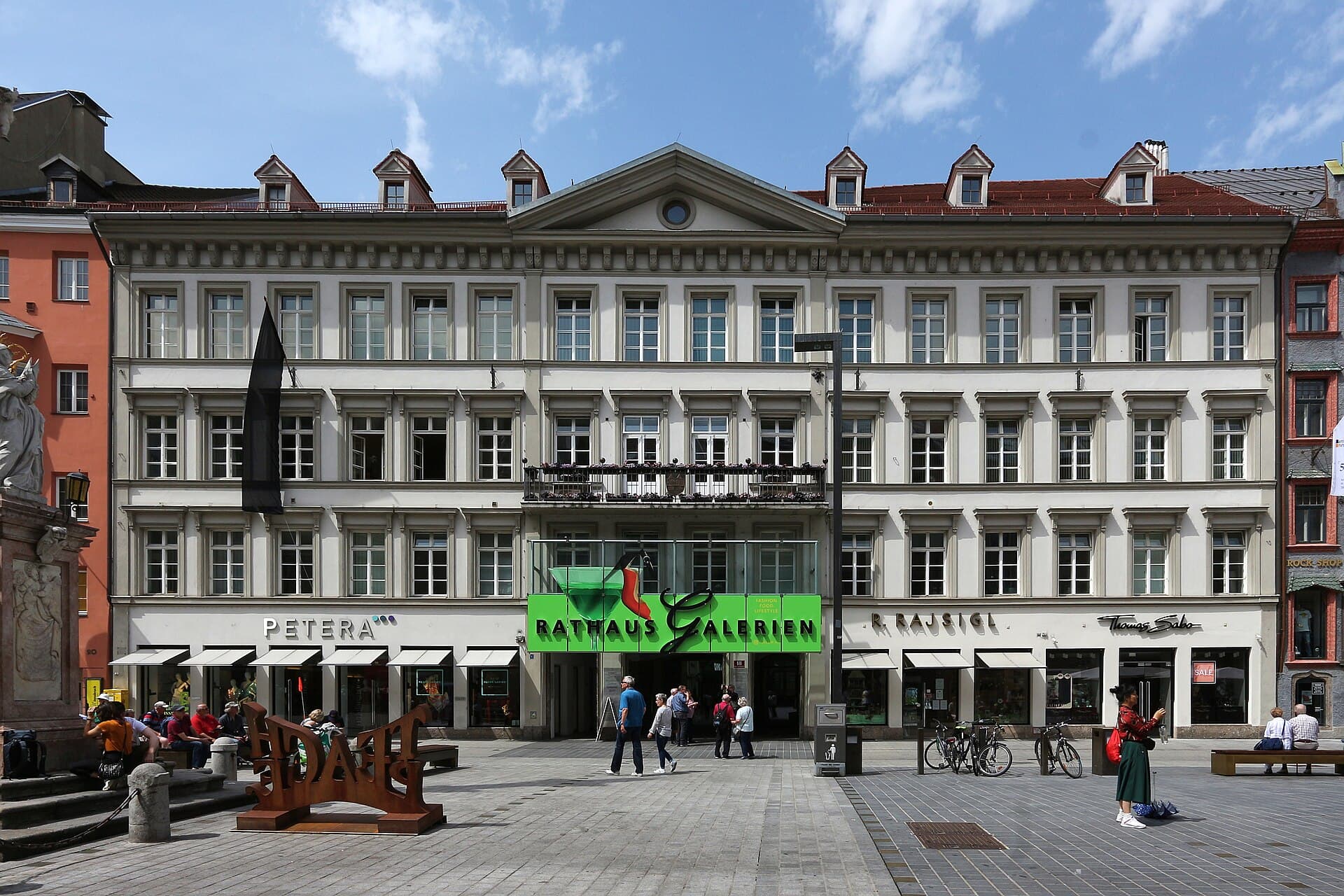 Innsbruck Town HallInnsbruck's town hall in the city centre, a complex combining historic buildings9 minutes walk3.8
Through the Medical University directly: check the anatomy department's page for announced times or to request an appointment. There is no ticket window and no open door, and arriving unarranged usually means being turned away.
It can be. The collection includes preparations of real human remains, which is different from plastic models. Do not bring young children, and if such sights affect you, skip it — Innsbruck has plenty else.