
A copy truer than the original
Some casts document sculptures damaged or lost after they were made.
An archaeological museum belonging to the University of Innsbruck, on its campus, showing a teaching collection that serves students of classical archaeology. The collection rests mainly on plaster casts: full-size copies of famous Greek and Roman sculptures, made in the nineteenth century to teach students when travelling to the originals was difficult. The practice was widespread in European universities and not much of it survives. The casts have a double value today: some document the condition of sculptures later damaged or lost, so the copy is now more accurate than the original. And they let you see works scattered across the world's museums gathered in one room. Be clear with yourself before going: these are copies rather than original pieces, and it is a small university museum rather than a major institution. It suits someone studying or specifically interested in archaeology, not a priority on a short visit to Innsbruck where the Hofburg, the Golden Roof and the Nordkette clearly come first.
Some casts document sculptures damaged or lost after they were made.
Works scattered across many museums seen together in one place.
University cast collections were widespread in Europe and few survive.
Langer Weg, University of Innsbruck campus
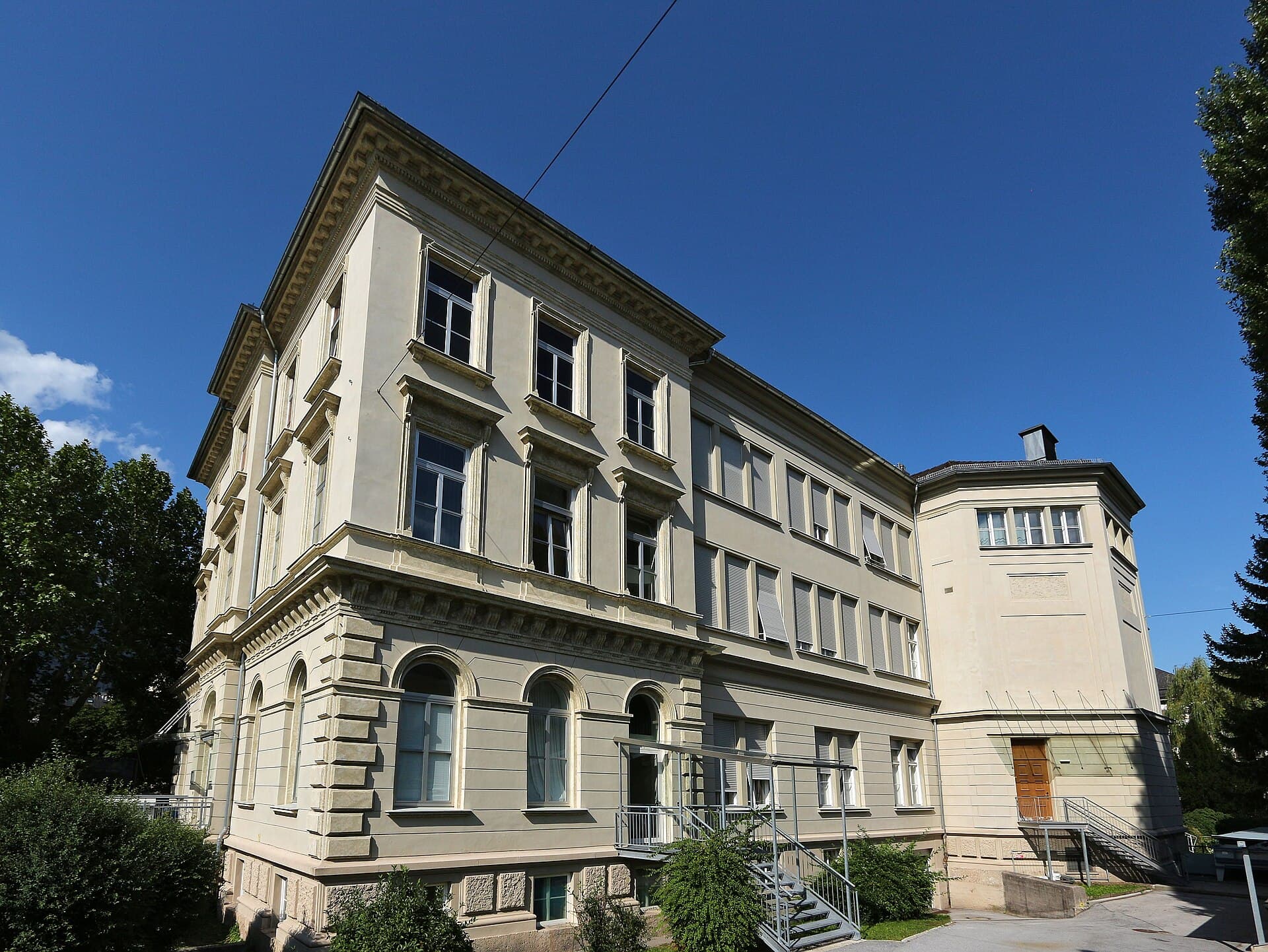 Anatomical Museum, InnsbruckAn anatomical collection belonging to the Medical University of Innsbruck, holdi4 minutes walk4.2
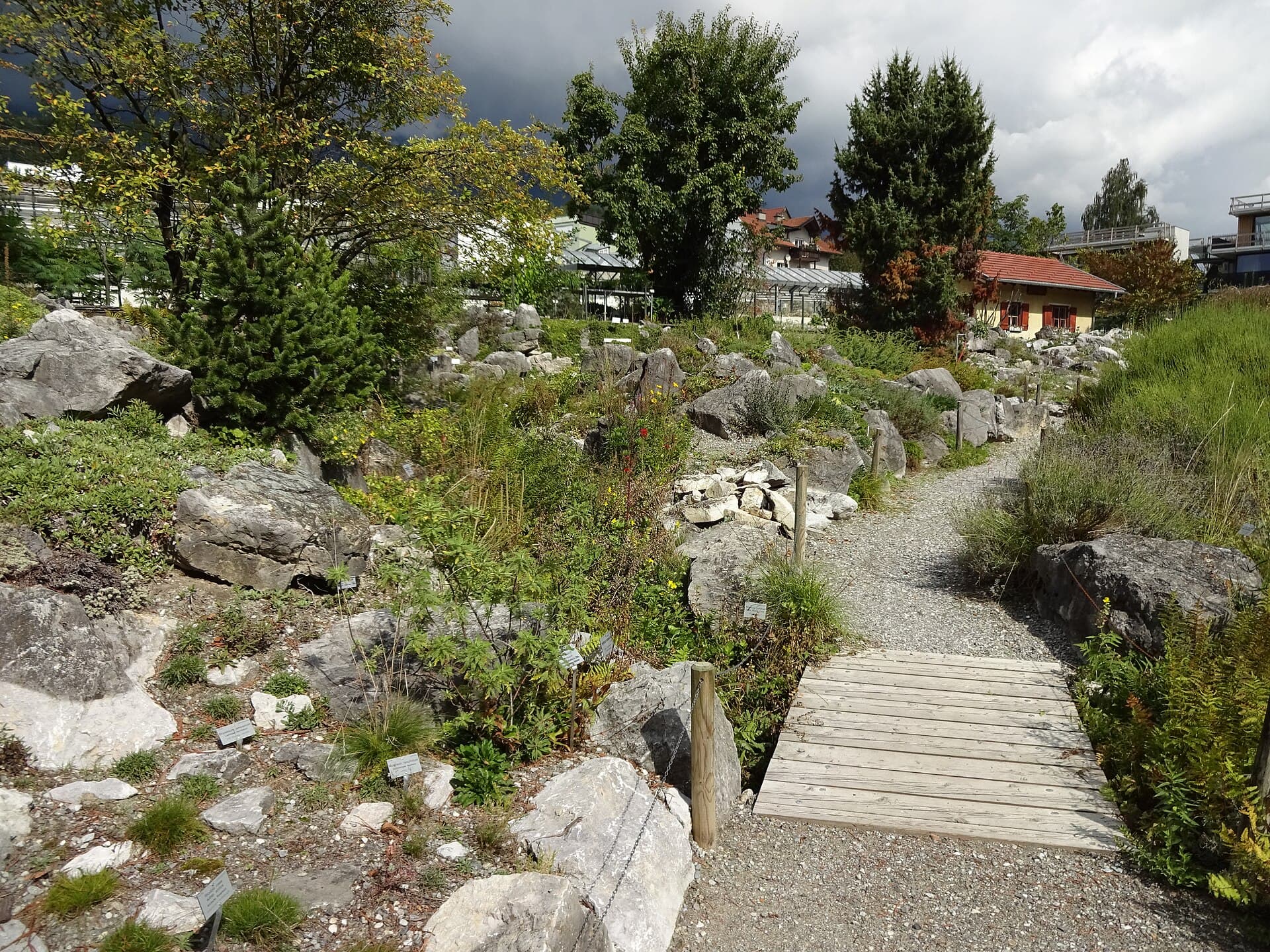 Innsbruck Botanical GardenA botanical garden belonging to the University of Innsbruck in the Hötting distr8 minutes walk4.6
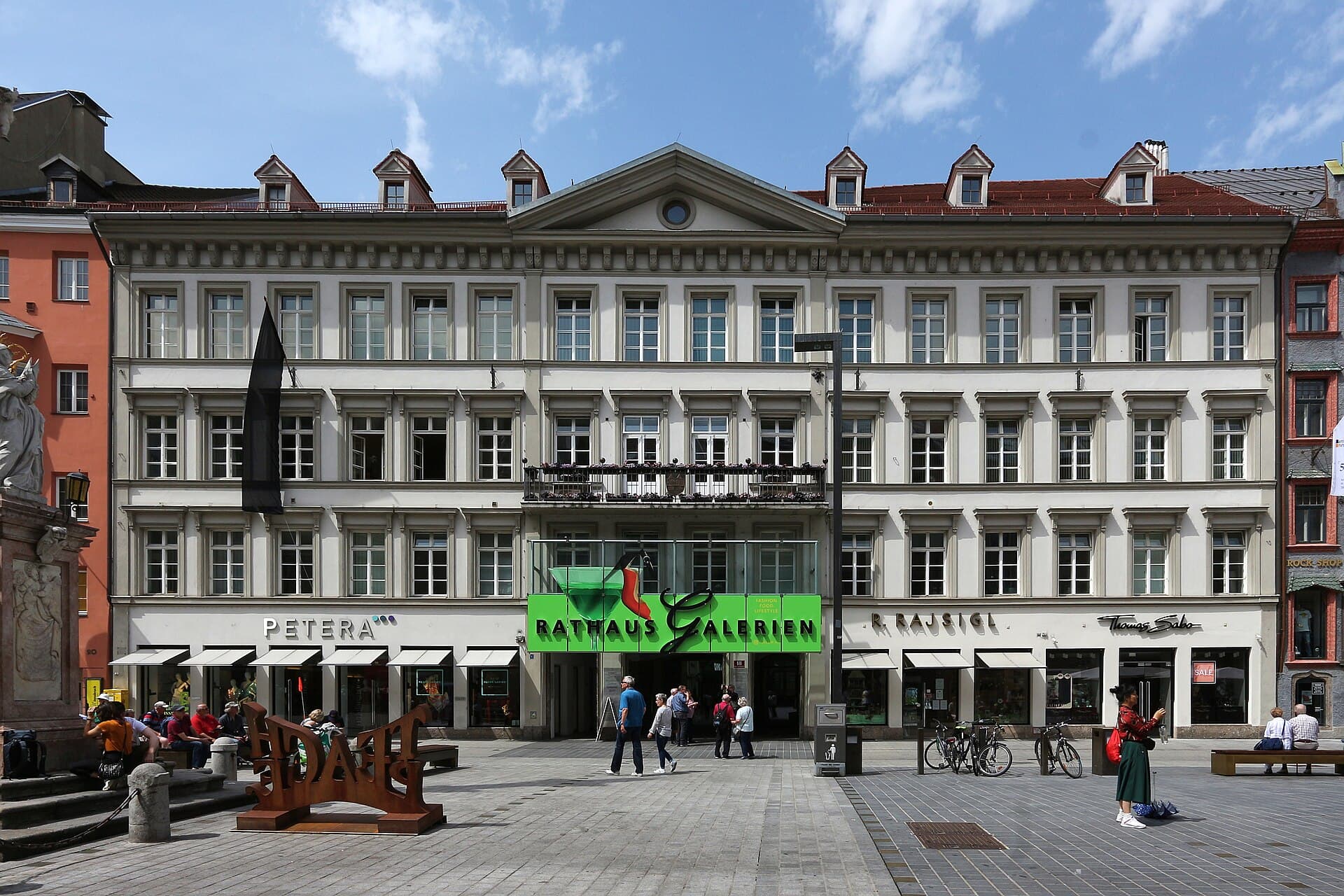 Innsbruck Town HallInnsbruck's town hall in the city centre, a complex combining historic buildings10 minutes walk3.8
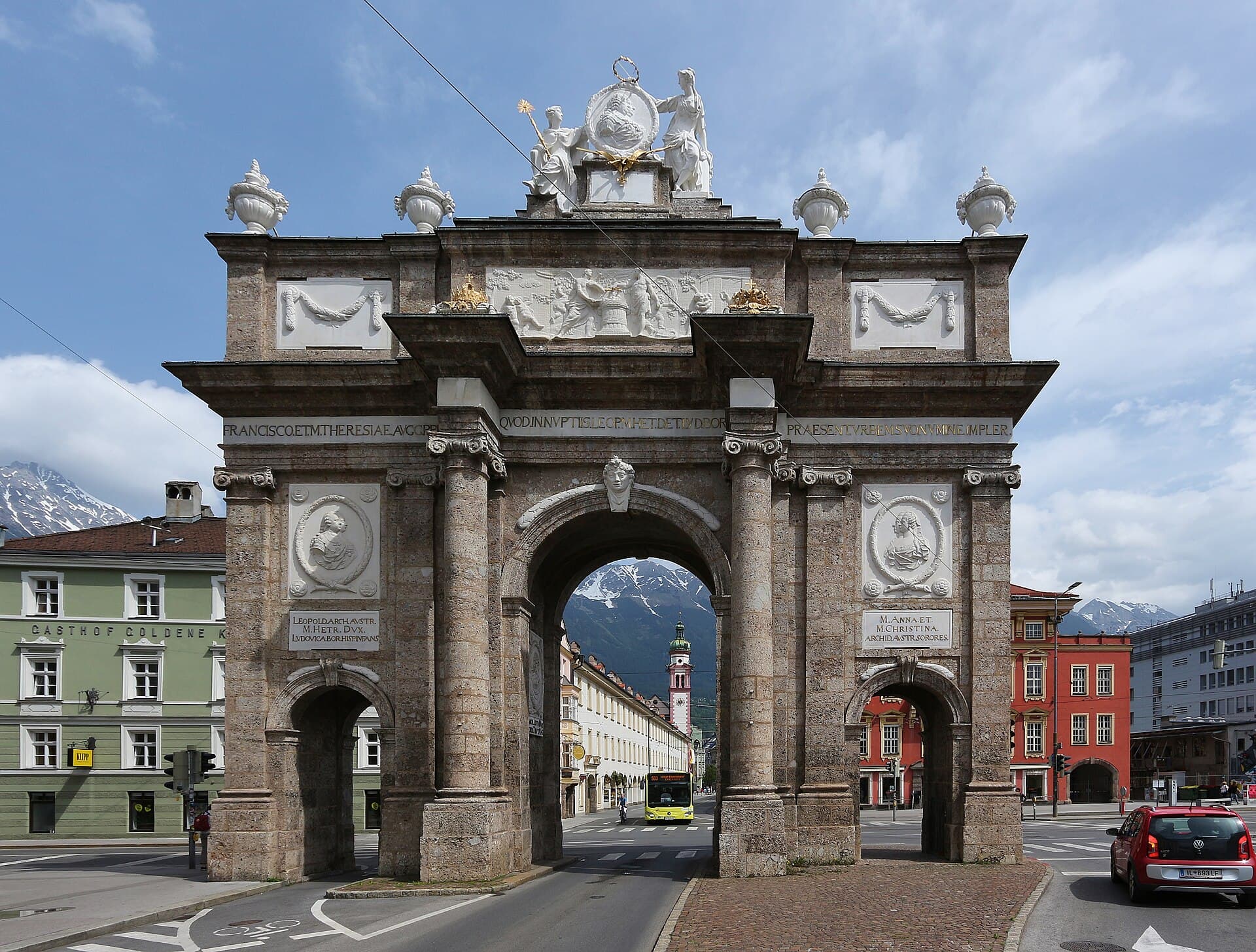 The Triumphal ArchThe Triumphal Arch closes the southern end of Maria-Theresien-Strasse, Innsbruck10 minutes walk4.4
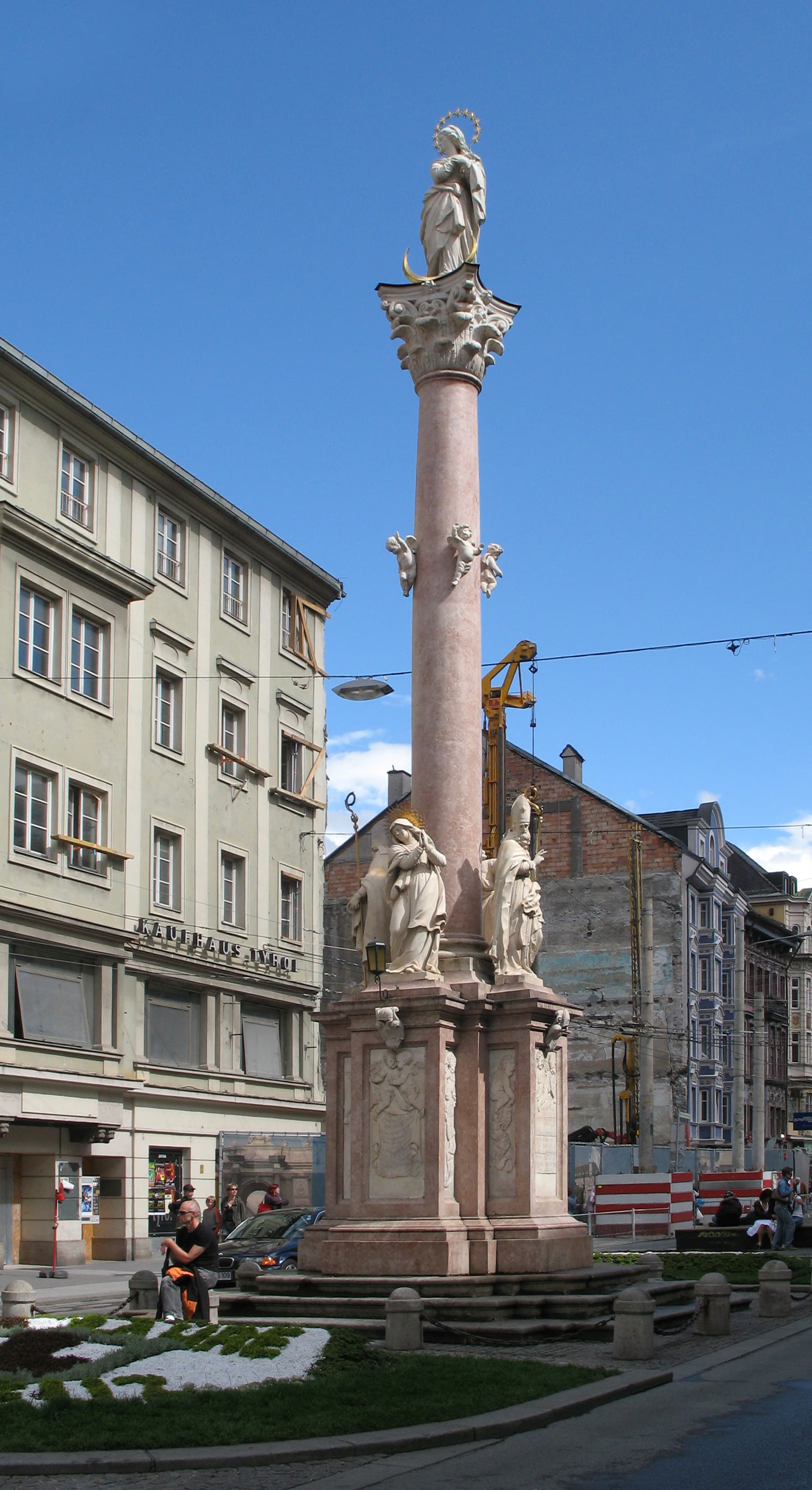 St Anne's ColumnSt Anne's Column stands in the middle of Maria-Theresien-Strasse, some thirteen 10 minutes walk4.4
It depends on your interest. For a specialist or student, yes, because seeing scattered works together is useful and the casts have documentary value in themselves. For a general visitor on a short trip, no — the time is better spent on Innsbruck's main sights.
Check the university's site before going. Hours may follow the academic term and shrink in holidays, which differs from public museums. Do not go without confirming, since the site is on the campus rather than somewhere you pass by chance.