
Houses without bathrooms
Municipal baths were public health policy, not a luxury.
Gzen92 — CC BY-SA 4.0 · Gzen92 — CC BY-SA 4.0 · Samuel Loxton (artist) — Public domain · Not known — Public domain
Colmar's former municipal baths, built in the early twentieth century when Alsace was under German rule, an example of the public health architecture of that period. Municipal baths are a phenomenon worth understanding: in the industrial cities of Europe, houses did not have bathrooms, so councils built public washing facilities as part of public health policy. These buildings were often given striking architectural care — patterned brick, large windows, cupolas — because they were presented as a civic achievement rather than a utility. Colmar's building is of that kind, with a brick facade and Jugendstil-era detailing. Many of its counterparts across Europe were demolished or left to decay once domestic bathrooms became ordinary, and the survival of the building is itself notable. A plain practical point: the building may be in other use or closed, and there is no organised tourist visit. The visit means looking at the facade from the street — minutes if you are in the area.
Municipal baths were public health policy, not a luxury.
Patterned brick and large windows — designed to be shown, not hidden.
Most of its counterparts vanished once domestic bathrooms spread.
Central Colmar, just outside the tourist quarter
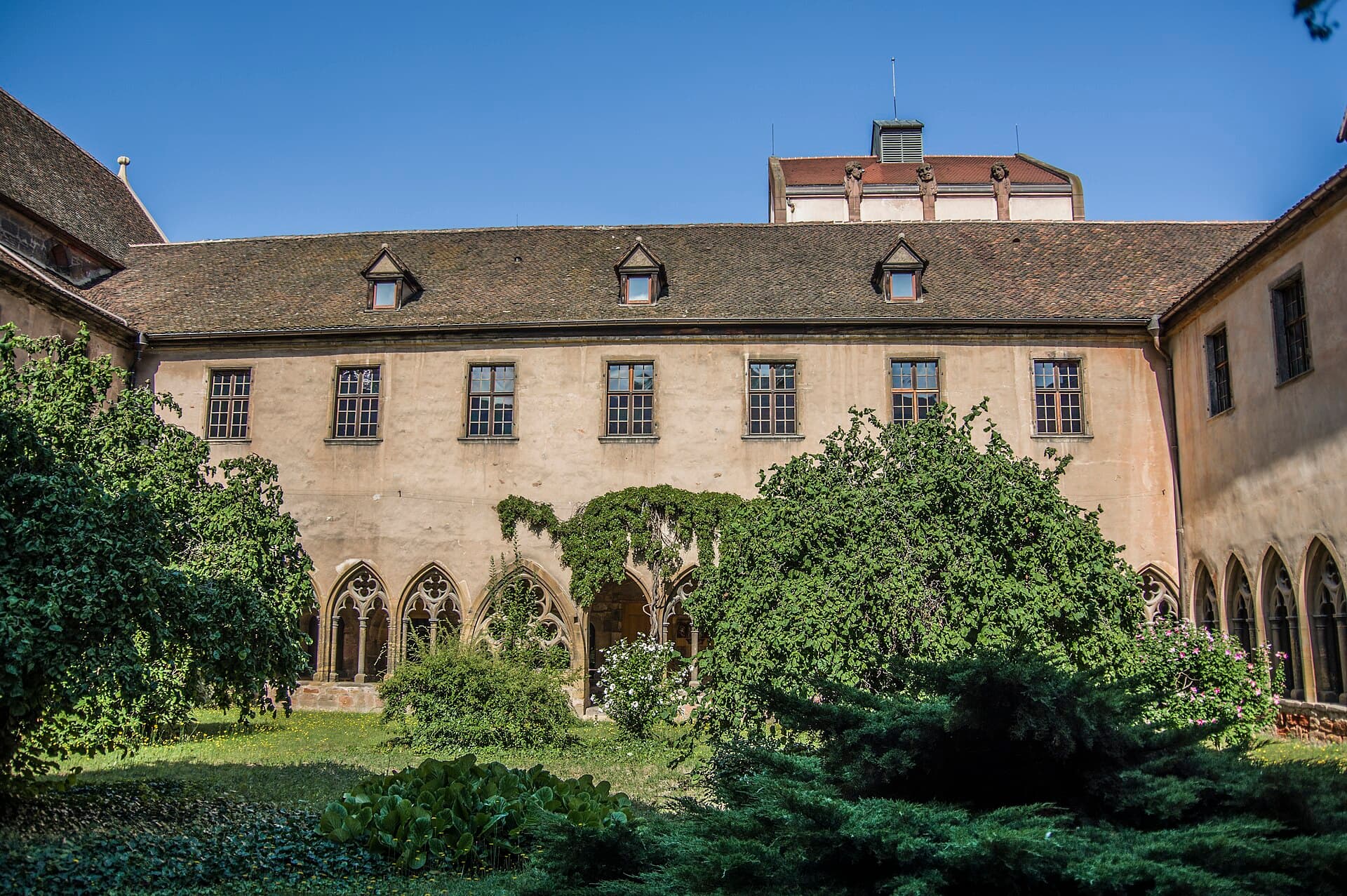 Unterlinden MuseumThe Unterlinden lives in a thirteenth-century convent with a quiet cloister, joi1 minute walk4.5
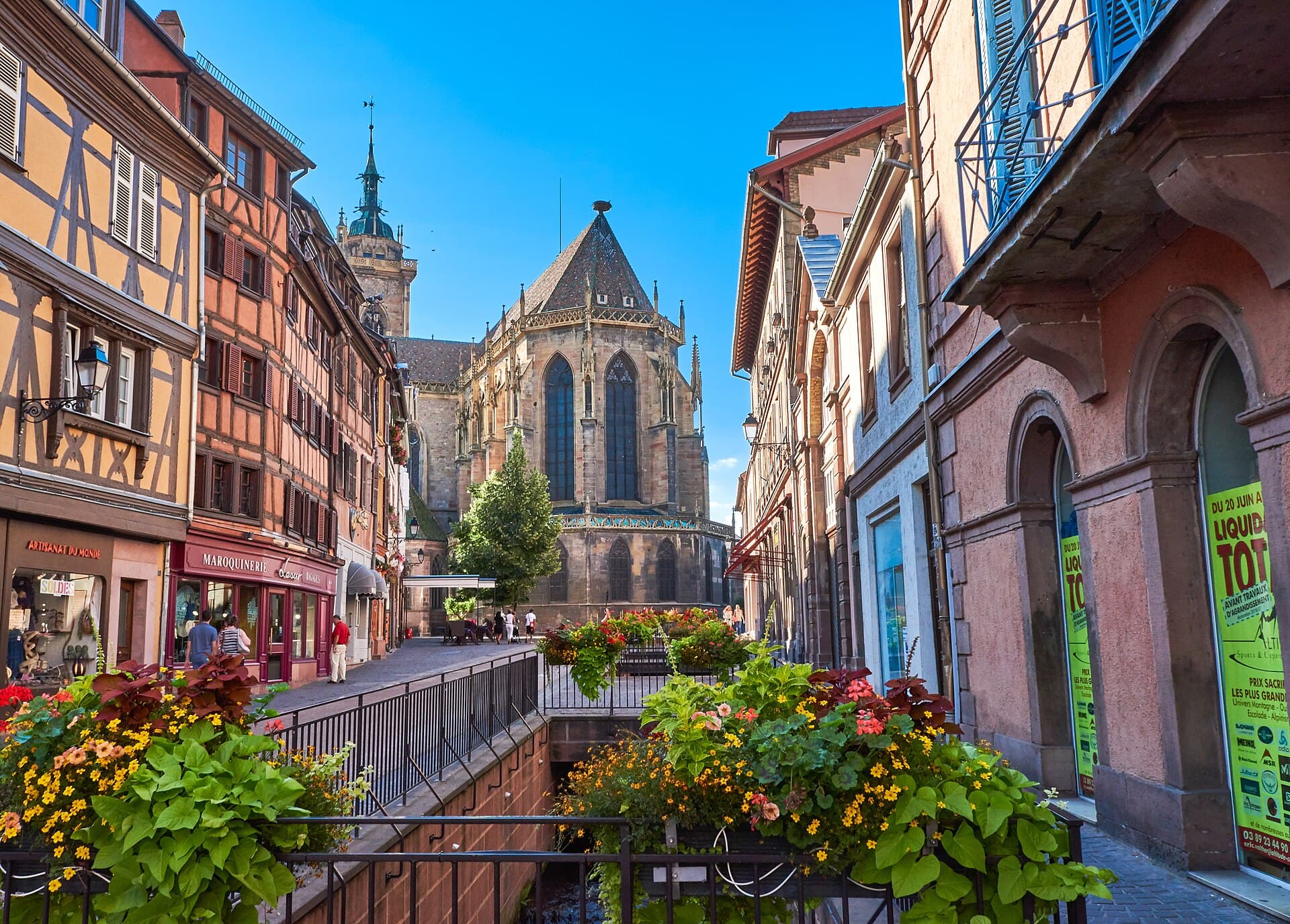 Colmar Old TownOld Colmar is the best-preserved of Alsace's towns: it came through two world wa1 minute walk4.9
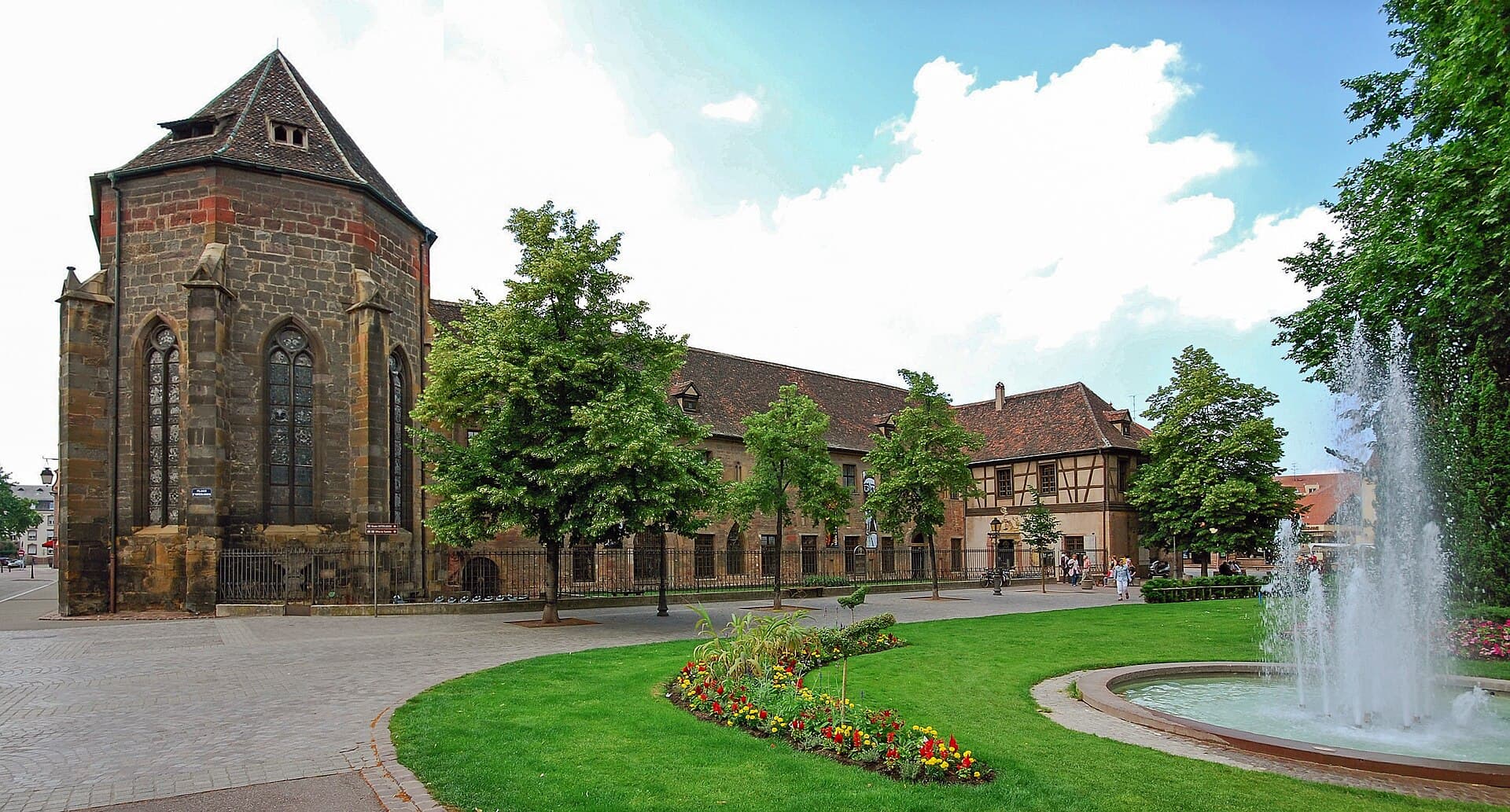 Place des UnterlindenA square in central Colmar in front of the Unterlinden museum, the northern entr1 minute walk4.6
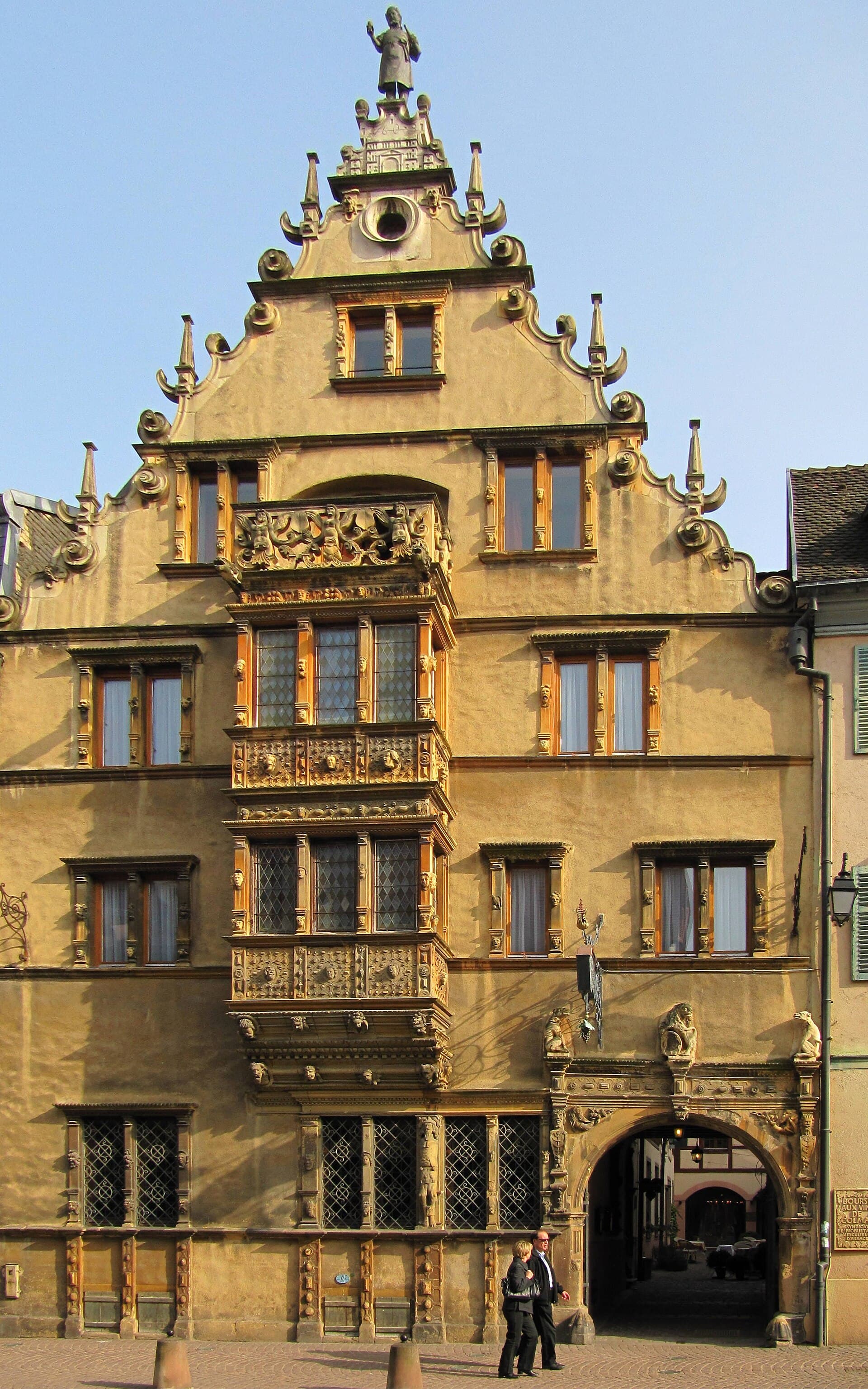 Maison des TêtesA hundred and six heads stare from one façade: the House of Heads (1609), Colmar2 minutes walk4.3
 Dominican Church of ColmarColmar's Gothic Dominican church is plain outside, but guards one of Alsace's mo3 minutes walk4.4
There is no organised tourist visit and the building may be in other use or closed. Treat it as a facade seen from the street. If the period's architecture interests you, Colmar's newer quarter holds other examples from the same years.
The Unterlinden museum and the Isenheim altarpiece first without question, then the Petite Venise, the tanners' quarter and the old town with its timber houses. This building is a side detail for anyone spending more than a day in Colmar.