
The Isenheim Altarpiece
Grünewald's masterpiece, the reason Colmar is a pilgrimage — a force the eye keeps.
stefano Merli from legnano, italy — CC BY-SA 2.0 · Gzen92 — CC BY-SA 4.0 · Caillot, A.. Cartographe Musée d'Unterlinden (Colmar). Cartographe — Public domain · Public domain
The Unterlinden lives in a thirteenth-century convent with a quiet cloister, joined by a modern extension to the old town baths through a gallery under the street — and it is one of France's most visited museums outside Paris, for one great reason. That reason is the Isenheim Altarpiece: an early sixteenth-century work by Matthias Grünewald, painted wings opening onto scenes of an emotional force European art had not seen before — it has marked painters for centuries since, and its hall alone justifies the trip to Colmar. Around the masterpiece is a rich collection: medieval and Renaissance art of the Rhine, a modern wing with Picasso, Monet and Léger, archaeology and Alsatian folk arts — a full multi-floor museum, not a single showpiece hall.
Grünewald's masterpiece, the reason Colmar is a pilgrimage — a force the eye keeps.
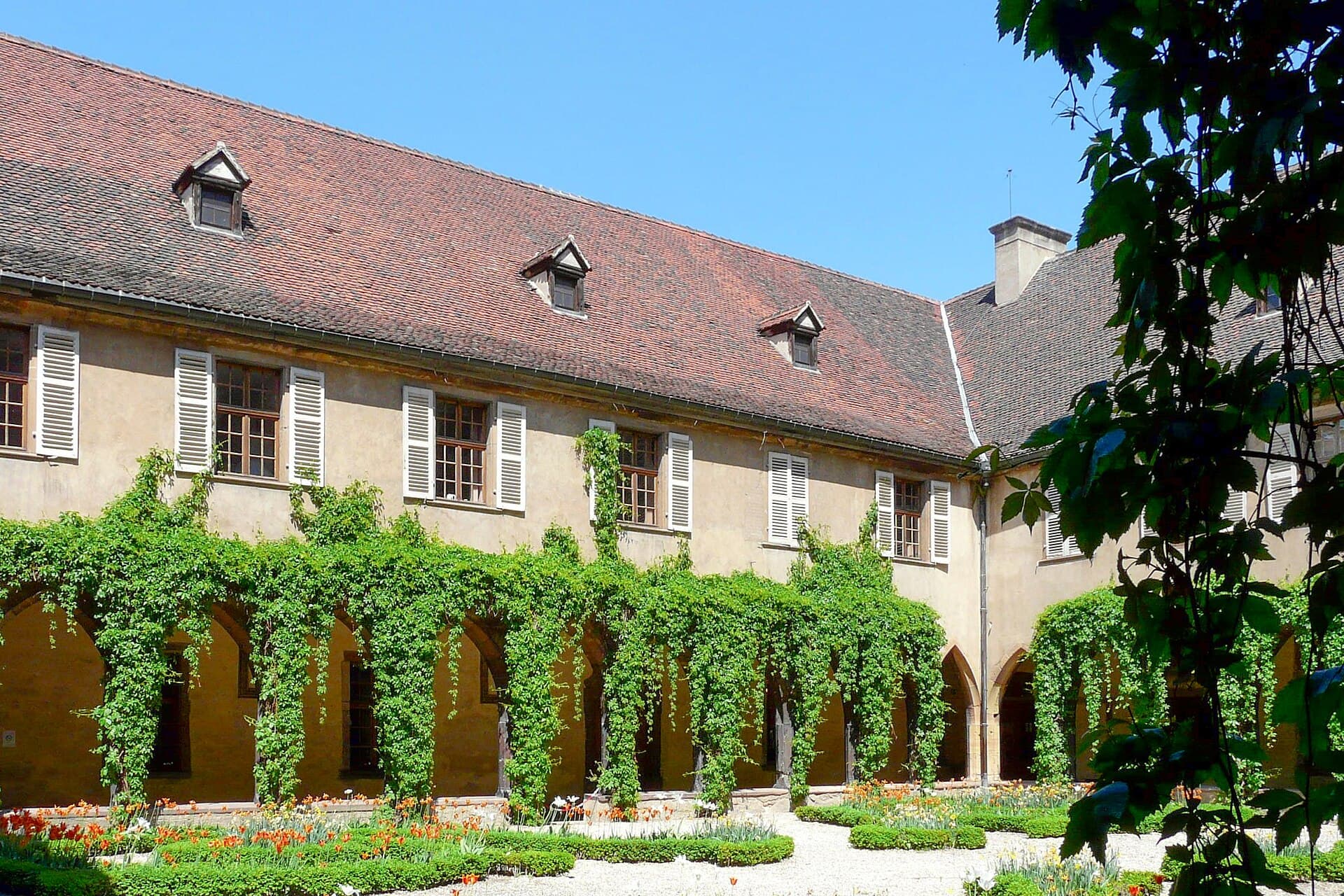
The convent's thirteenth-century cloister around a garden — calm before the storm.
Picasso and Monet in the converted town baths — the extension's surprise.
Place Unterlinden, 68000 Colmar
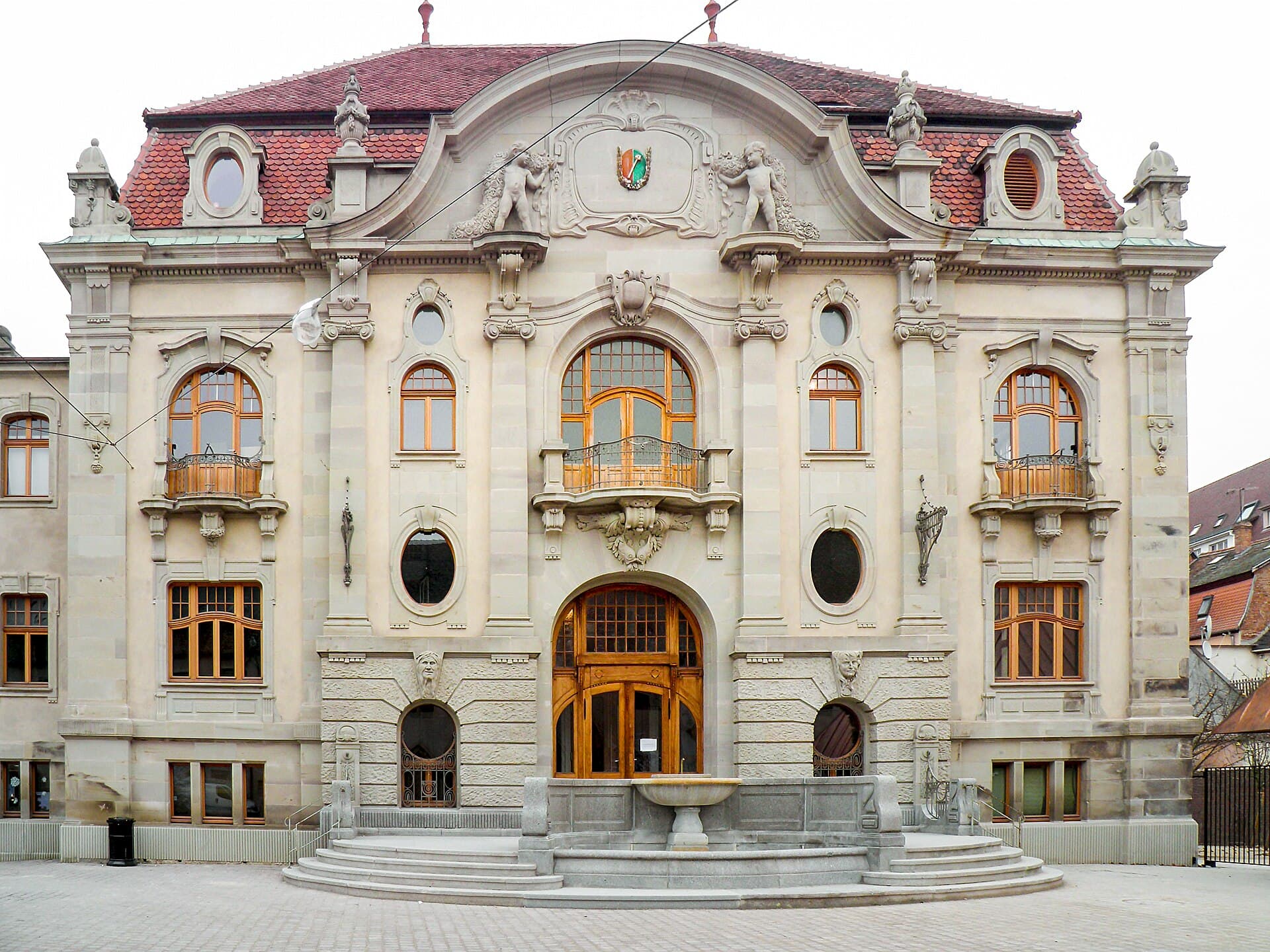 The Old Municipal BathsColmar's former municipal baths, built in the early twentieth century when Alsac1 minute walk4.6
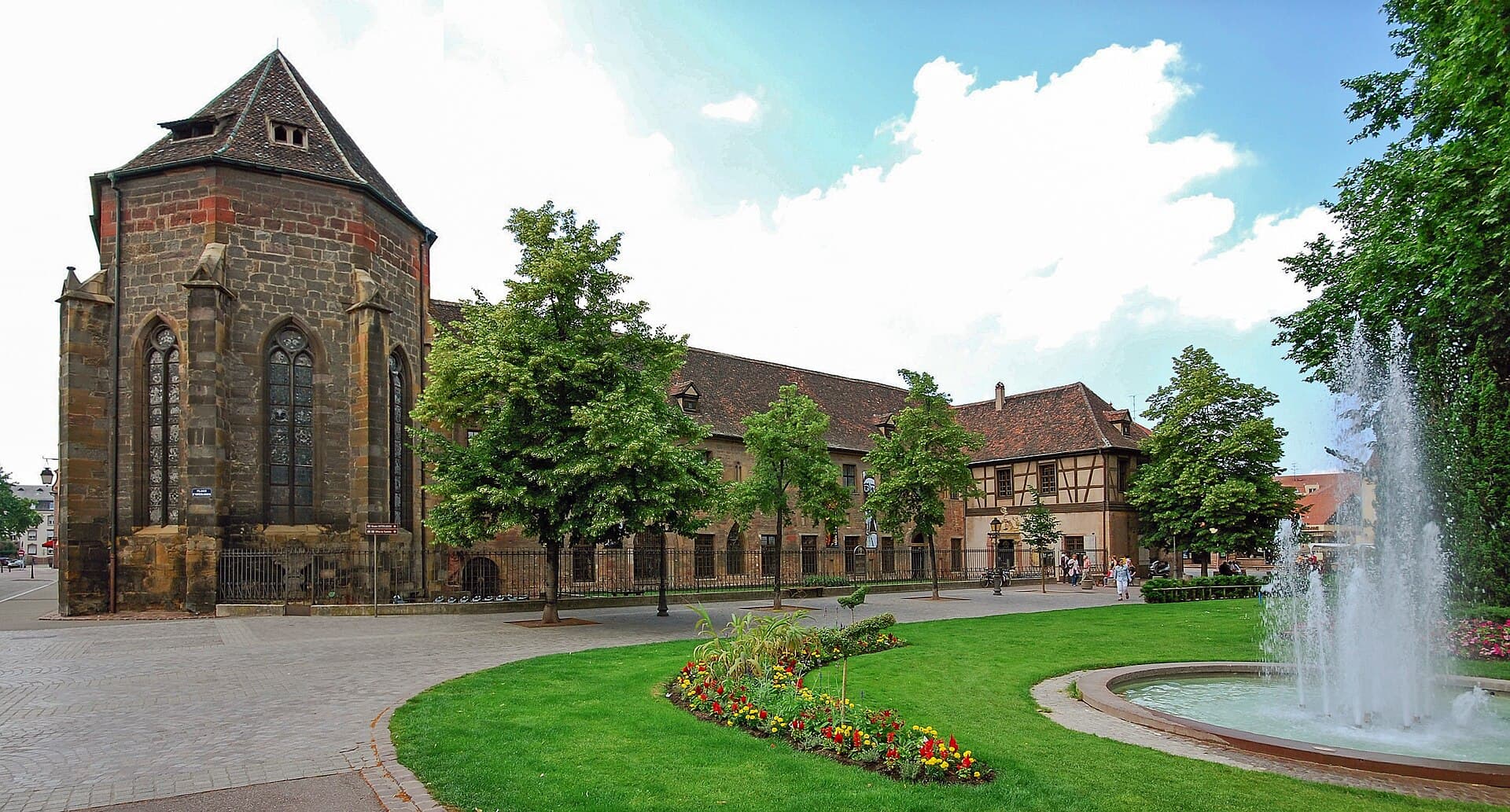 Place des UnterlindenA square in central Colmar in front of the Unterlinden museum, the northern entr1 minute walk4.6
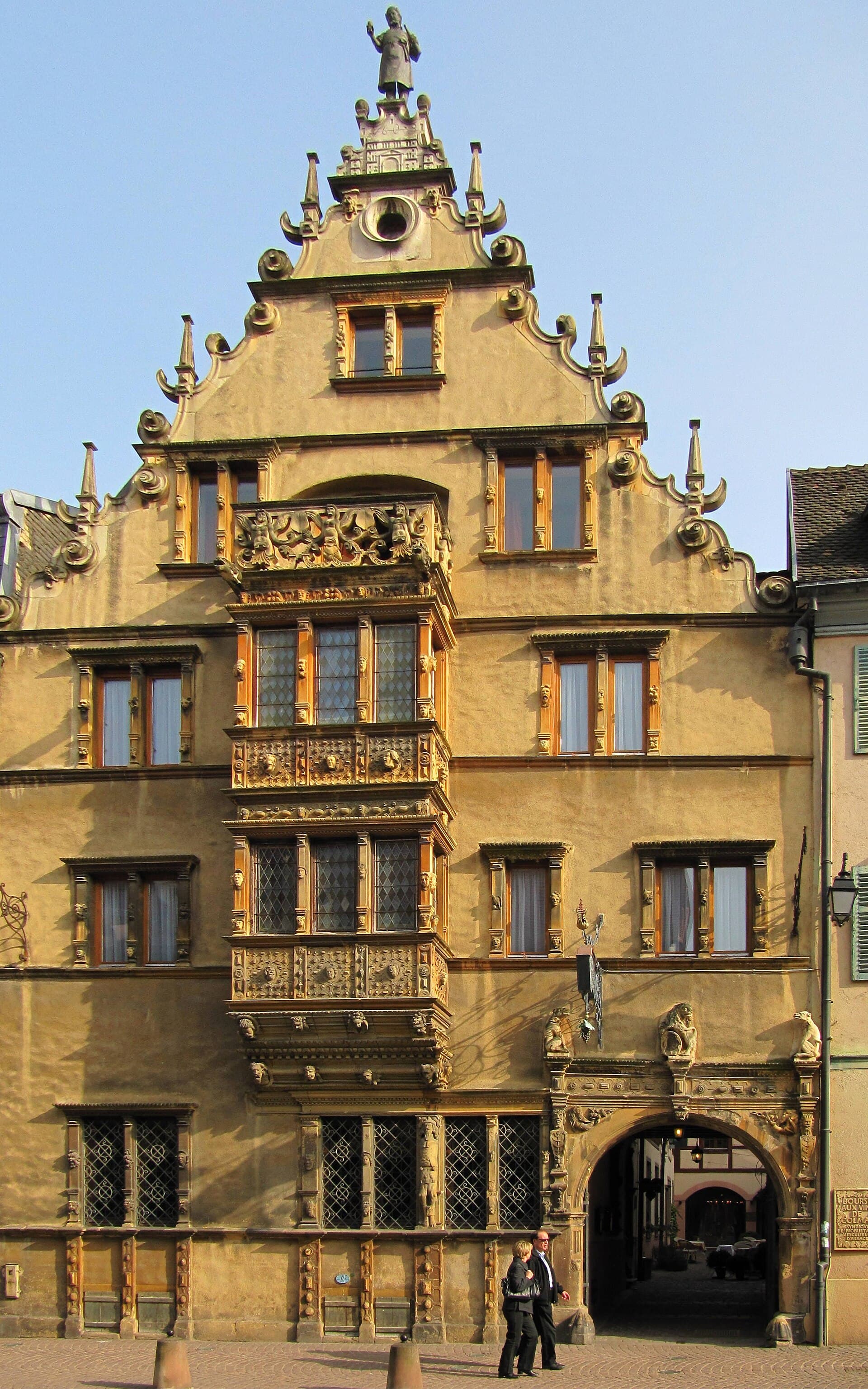 Maison des TêtesA hundred and six heads stare from one façade: the House of Heads (1609), Colmar2 minutes walk4.3
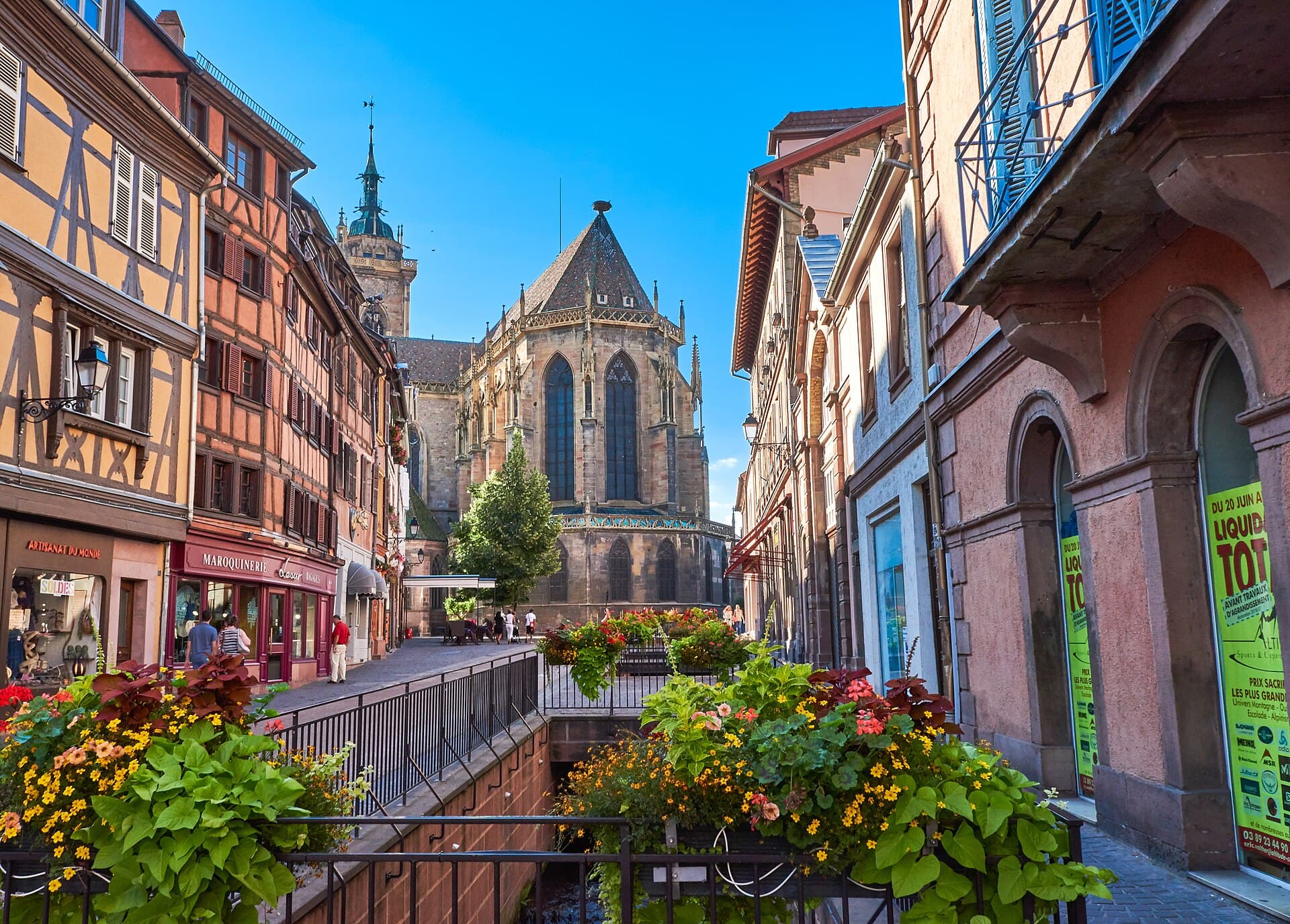 Colmar Old TownOld Colmar is the best-preserved of Alsace's towns: it came through two world wa2 minutes walk4.9
 Dominican Church of ColmarColmar's Gothic Dominican church is plain outside, but guards one of Alsace's mo2 minutes walk4.4
It was painted for a monastic hospital treating victims of 'Saint Anthony's fire', whose limbs rotted — so Grünewald painted suffering as they knew it, unbeautified, then the promise beyond it in unbelievable colour. That hard honesty is why twentieth-century painters made pilgrimages to it.
A typical ninety minutes: half for the altarpiece and medieval rooms, half for cloister and a quick modern wing. It opens before the lanes fill — do it first and leave having won both.
The altarpiece is strong imagery that may disturb sensitive ones — judge your child. Cloister, modern wing and archaeology are safer and lighter. With very young ones, cap it at an hour.