
The Isenheim Altarpiece
In the museum alongside — among the most powerful works in European painting.
– Wladyslaw [Disk.]. Taxiarchos228 — CC BY-SA 3.0 · stefano Merli from legnano, italy — CC BY-SA 2.0 · Gzen92 — CC BY-SA 4.0 · Gzen92 — CC BY-SA 4.0
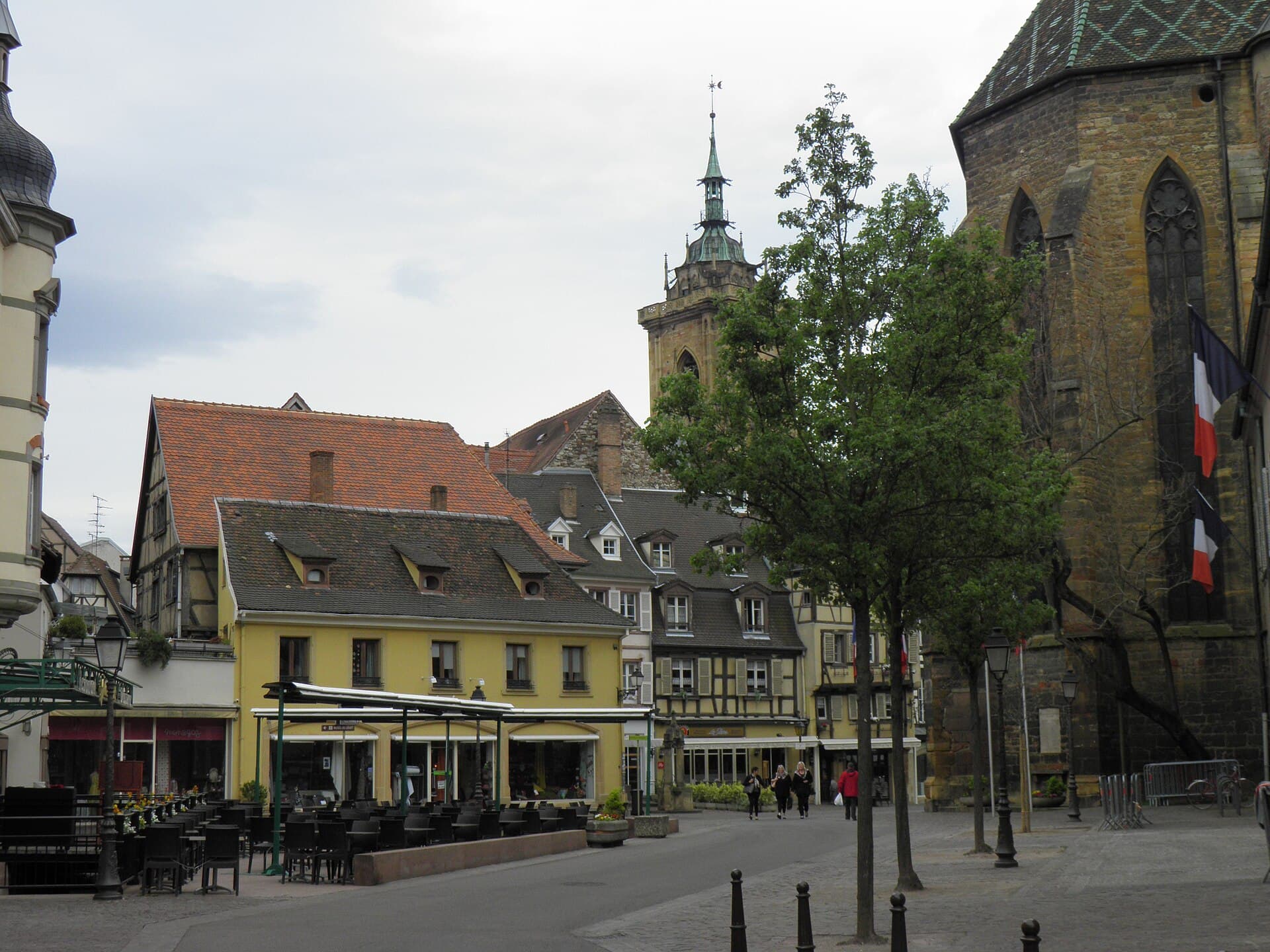
A square in central Colmar in front of the Unterlinden museum, the northern entrance to the old town and the meeting point of its routes. The square itself is not a monument but a position: the Unterlinden museum stands on it, the most important museum in Alsace and among France's most important outside Paris, and the streets leading into the old town and its timber houses start here. The Unterlinden occupies a thirteenth-century convent extended by a modern building, and its best-known holding is the Isenheim Altarpiece — a multi-panel work of the early sixteenth century counted among the most powerful in the history of European painting. It was made for a hospital treating patients beyond hope, and the harshness of its imagery was deliberate to that end. The square is free and open, with cafés, a fountain, events and a Christmas market in December. Use it as what it is: a starting point for a walk through Colmar, where you stand and look at the map before going into the lanes.
In the museum alongside — among the most powerful works in European painting.
A thirteenth-century building extended by a modern wing.
Colmar's old streets branch from here towards the timber houses and the canal.
In front of the Unterlinden museum, central Colmar
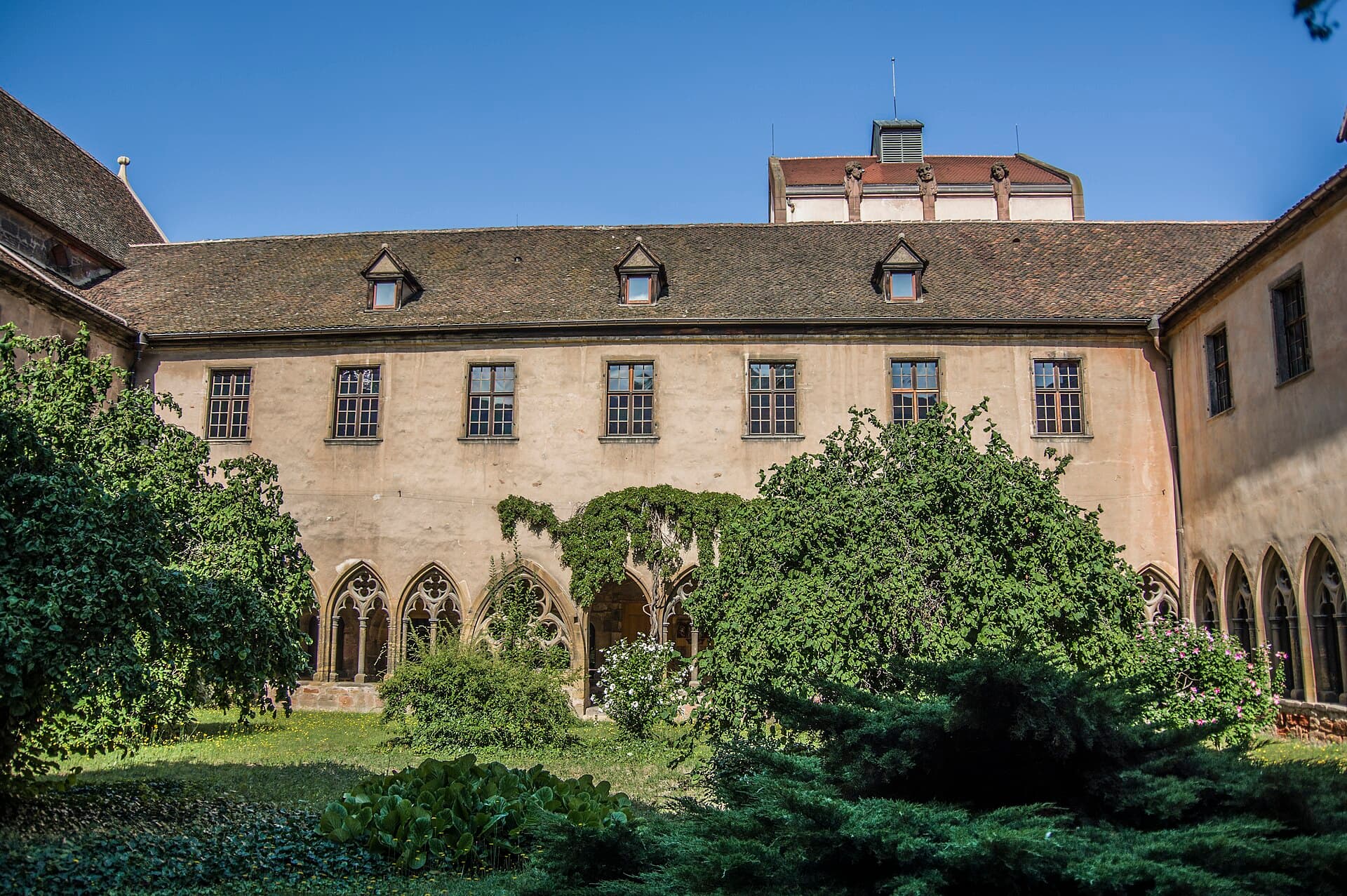 Unterlinden MuseumThe Unterlinden lives in a thirteenth-century convent with a quiet cloister, joi1 minute walk4.5
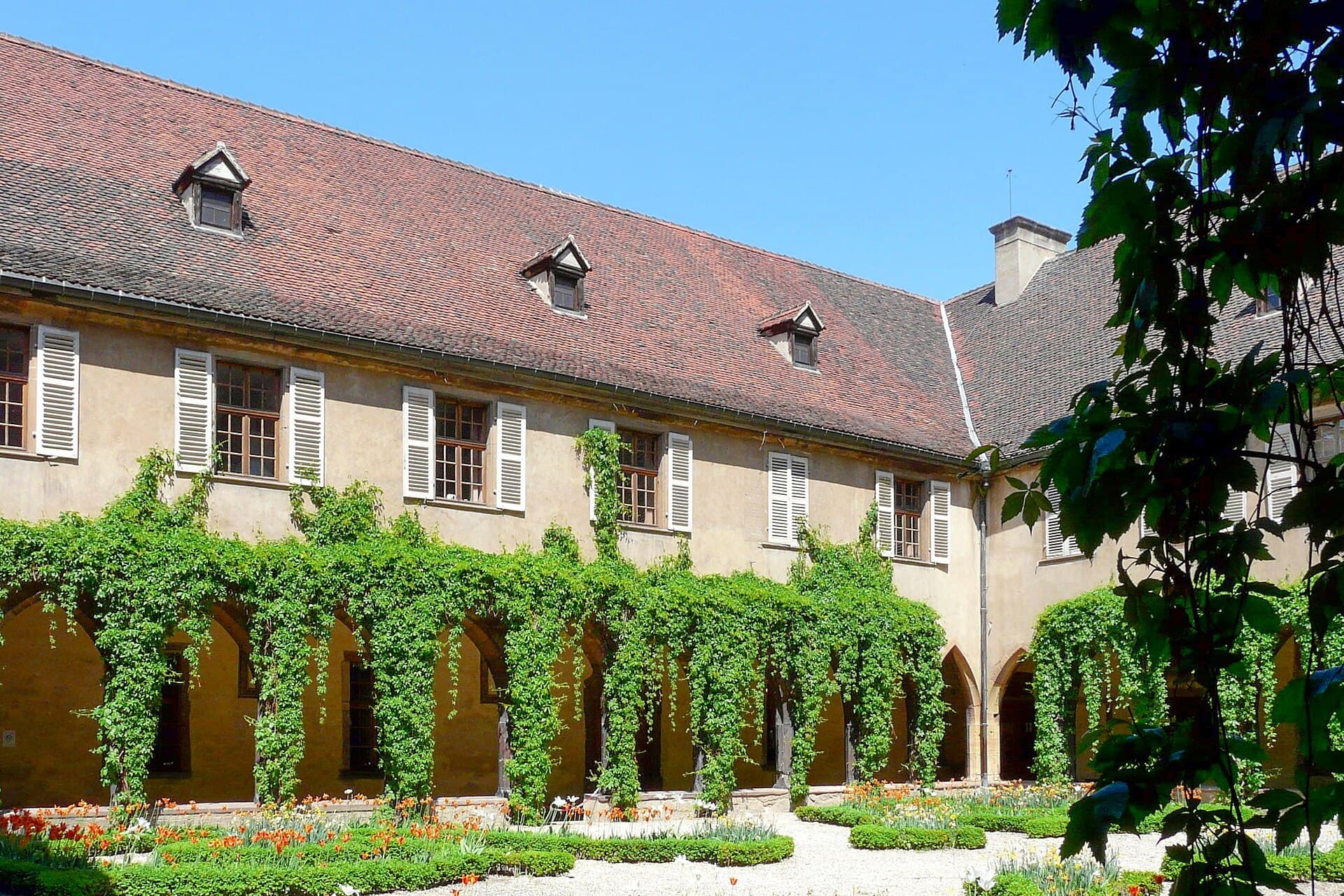 Dominican Church of ColmarColmar's Gothic Dominican church is plain outside, but guards one of Alsace's mo1 minute walk4.4
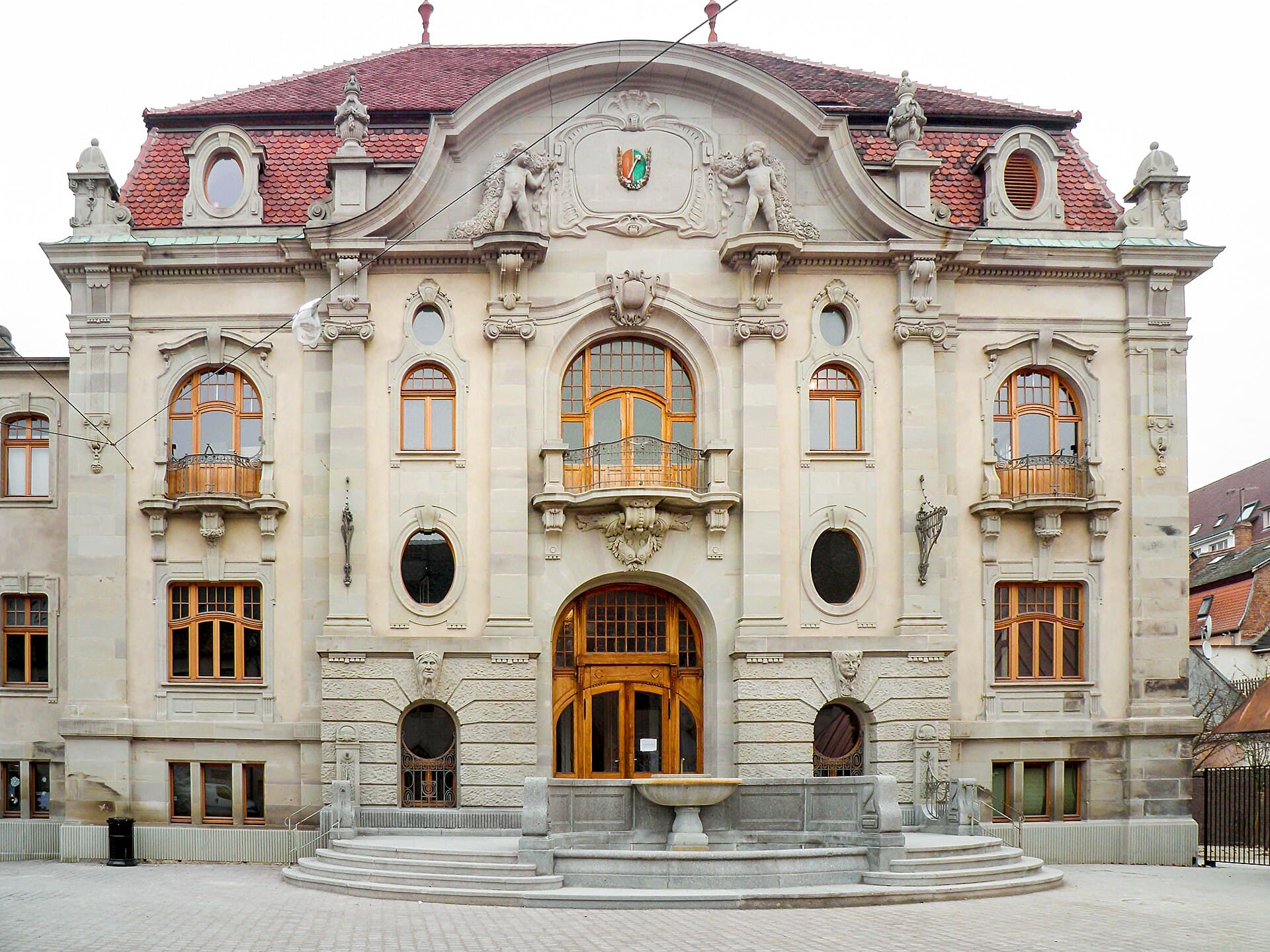 The Old Municipal BathsColmar's former municipal baths, built in the early twentieth century when Alsac1 minute walk4.6
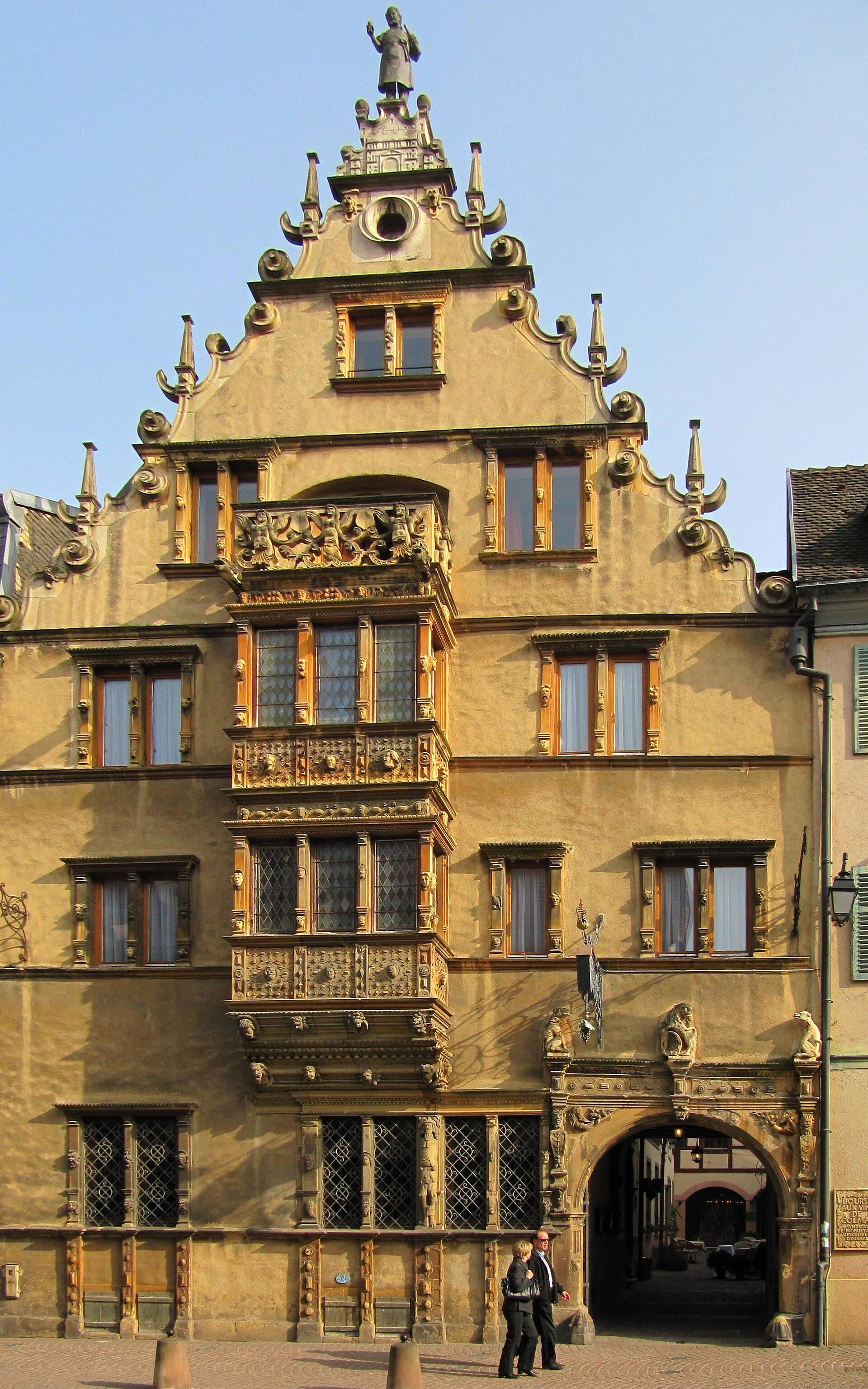 Maison des TêtesA hundred and six heads stare from one façade: the House of Heads (1609), Colmar1 minute walk4.3
 Place des Martyrs de la RésistanceA square in Colmar named in memory of the martyrs of the French Resistance, stan1 minute walk4.4
A multi-panel work painted by Matthias Grünewald in the early sixteenth century for a monastery hospital treating a painful, incurable skin disease. He showed Christ with wounds resembling the patients' own symptoms, so they would see their suffering reflected before them. That makes it among the harshest and most affecting works in European painting.
At least two hours. The altarpiece alone deserves half an hour standing in front of it, and the museum also holds medieval art, modern art in the new wing and archaeological material. Book or go early in season, as it fills.