
The hundred and six
Mocking, demonic, animal faces — every look finds new ones.
francois from Strasbourg, france — CC BY 2.0 · Kent Wang from Barcelona, Spain — CC BY-SA 2.0 · © Ralph Hammann - Wikimedia Commons — CC BY-SA 4.0 · Morio60 — CC BY-SA 2.0
A hundred and six heads stare from one façade: the House of Heads (1609), Colmar's late-Renaissance showpiece, built by a merchant who wanted an unforgettable front and had carvers cover it with strange masks and faces — mocking, demonic, animal — climbing to the stepped gable. Atop stands a bronze Alsatian cooper raising his cup — Bartholdi's addition (yes, him again) of 1902, when the building housed the town's wine exchange — completing the alliance: a wine-trade house with weird heads crowned by a wine-server. Today it is a fine hotel and restaurant, the façade belonging to the street: a ten-minute stand counting what heads you can (you will fail before a hundred) on the street bearing its name, three minutes from the Unterlinden museum.
Mocking, demonic, animal faces — every look finds new ones.
The bronze wine-server atop the gable — the city son's recurring signature.
1609: the last pre-Thirty Years' War extravagance — and the oddest.
19 Rue des Têtes, 68000 Colmar
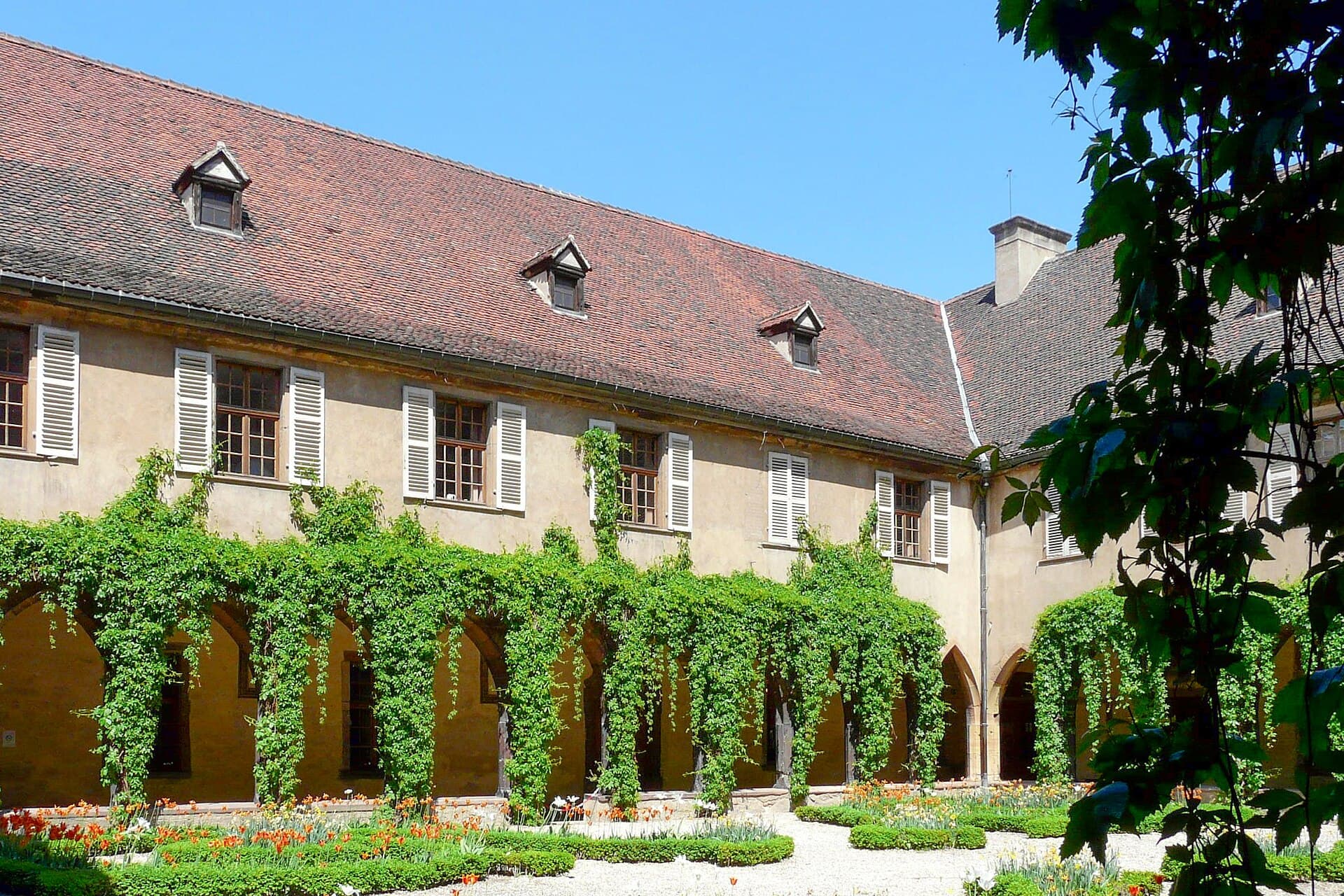 Dominican Church of ColmarColmar's Gothic Dominican church is plain outside, but guards one of Alsace's mo1 minute walk4.4
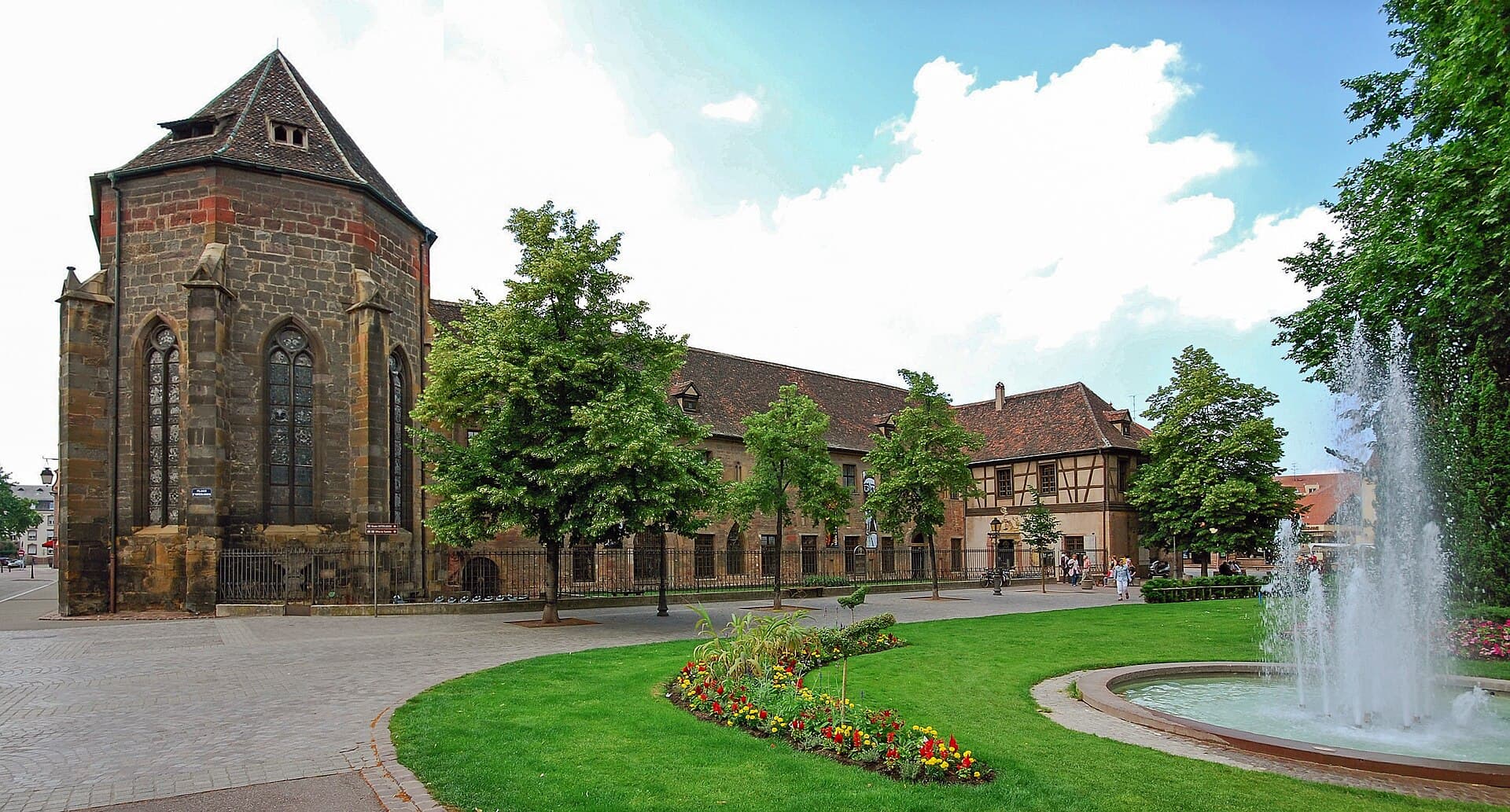 Place des UnterlindenA square in central Colmar in front of the Unterlinden museum, the northern entr1 minute walk4.6
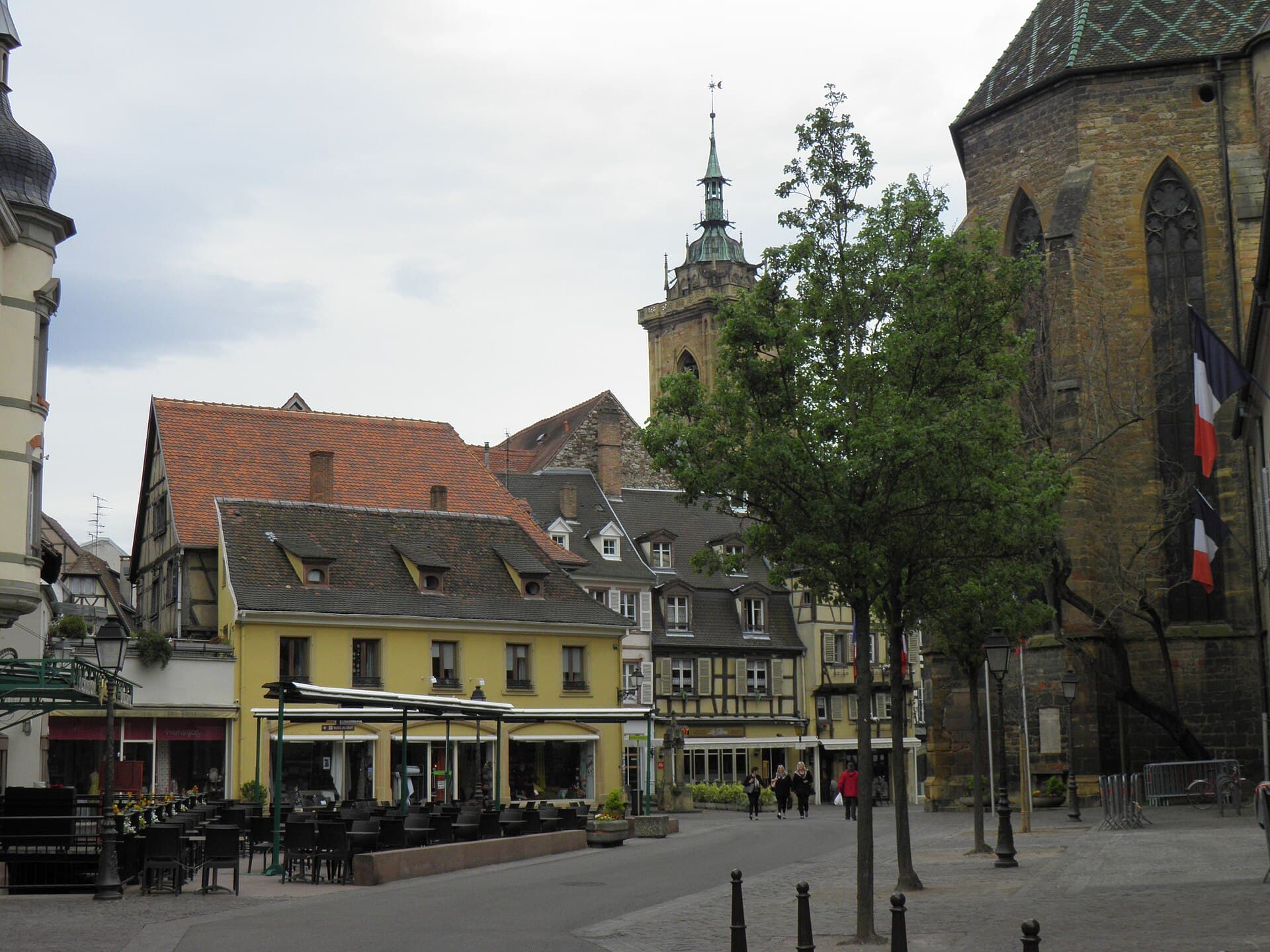 Place des Martyrs de la RésistanceA square in Colmar named in memory of the martyrs of the French Resistance, stan1 minute walk4.4
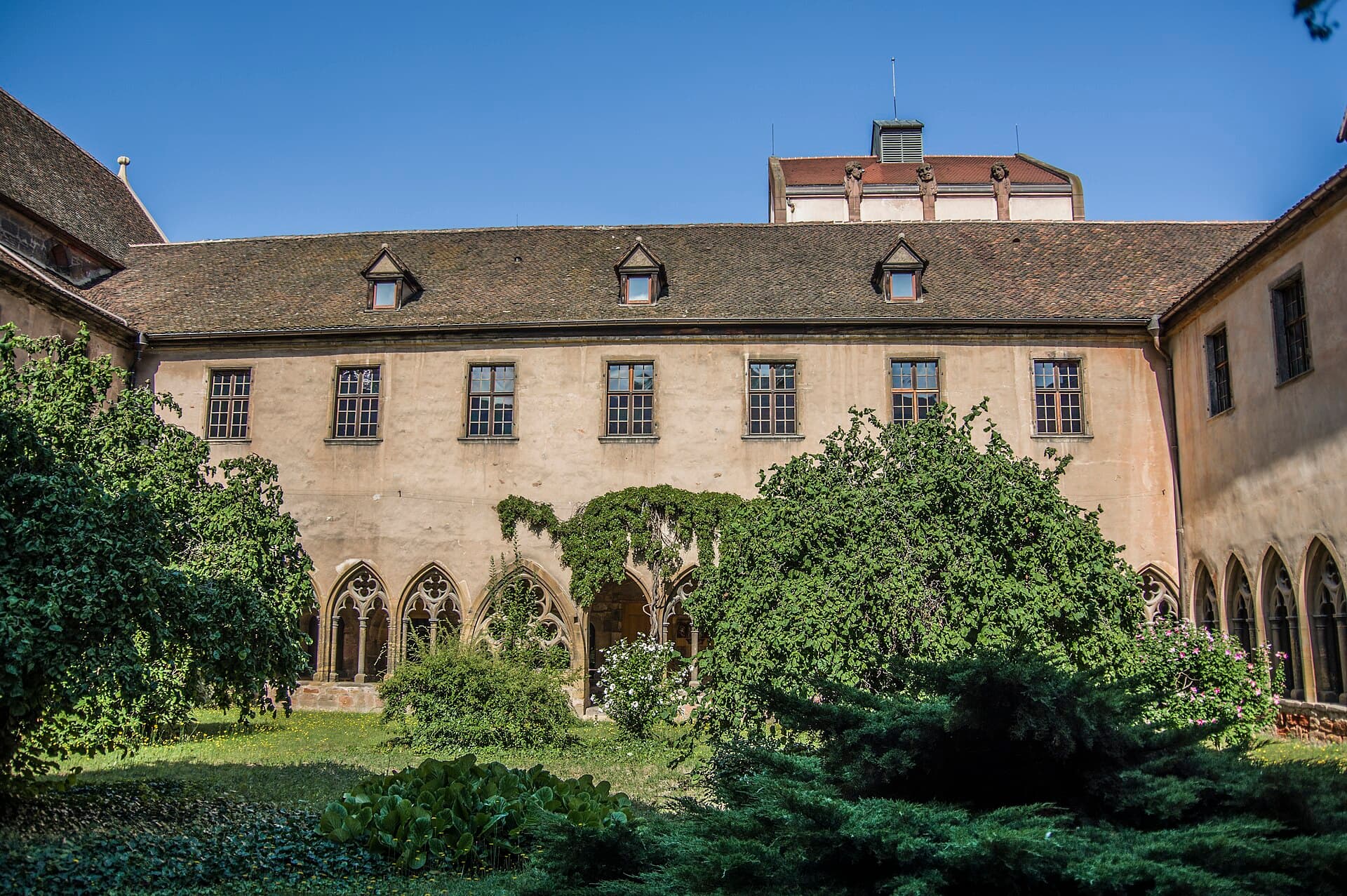 Unterlinden MuseumThe Unterlinden lives in a thirteenth-century convent with a quiet cloister, joi2 minutes walk4.5
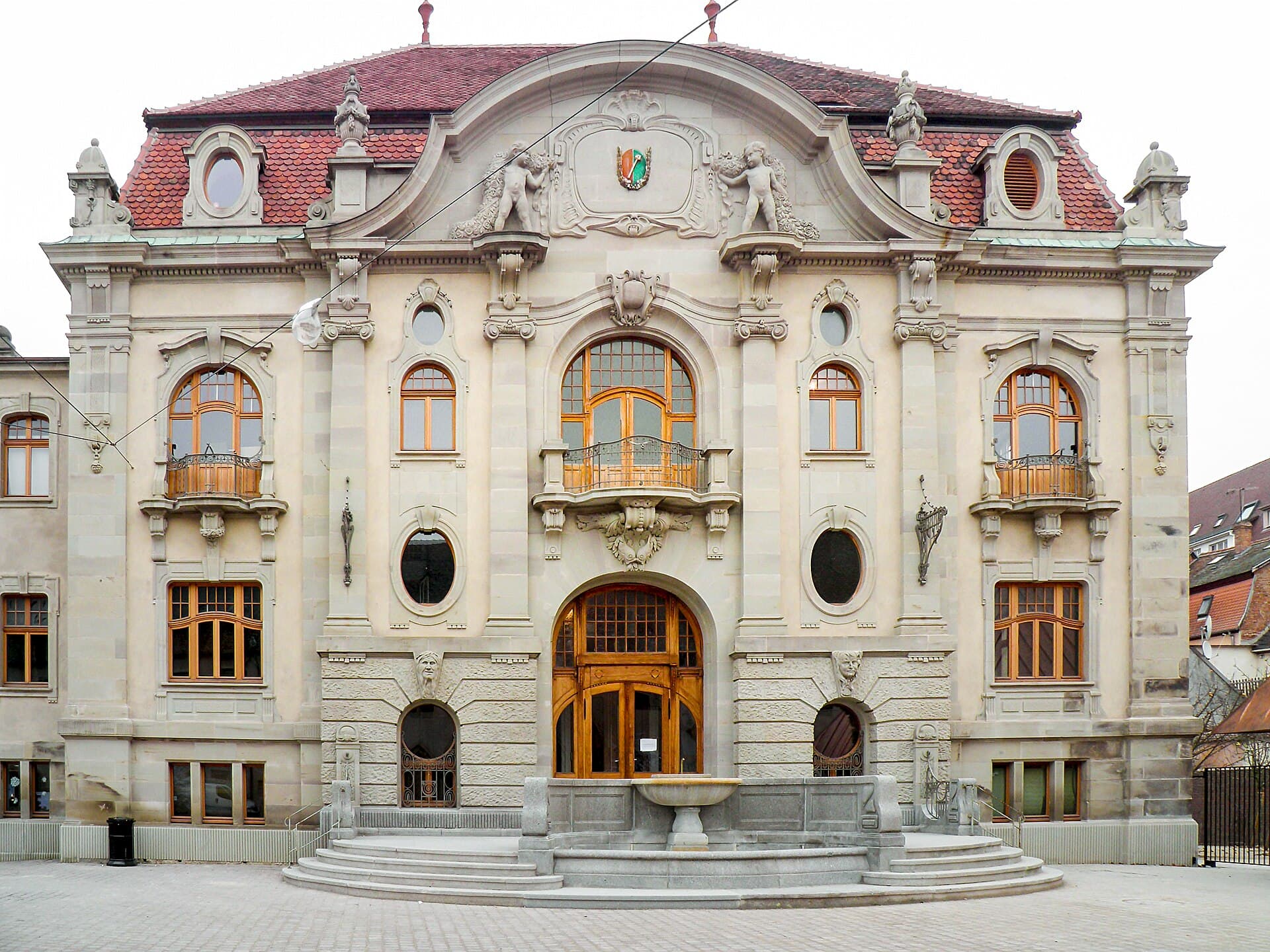 The Old Municipal BathsColmar's former municipal baths, built in the early twentieth century when Alsac2 minutes walk4.6
No document explains — readings run from envy-warding charms to loud commercial advertising to sheer sculptural excess in Europe's mascaron fashion of the day. The mystery is half the draw: every visitor leaves with a theory, which may have been the point all along.
A known Alsatian institution (starred on and off with seasons) for a booked special occasion — not a passing walk lunch. For daily reality: the winstubs around the collegiate and Little Venice at half price and double simplicity.
The ideal walking order: Heads first (near Unterlinden), then the collegiate and square, then Pfister and Schongauer on Rue des Marchands, ending at the Koïfhus towards Little Venice — five architecture gems in one sweet kilometre.