
The noon procession
Twelve figures crossing in sequence, each with its own music — a free daily show worth timing your day around.
Thomas Ledl — CC BY-SA 4.0 · Politikaner — CC BY-SA 3.0 · Joseolgon — CC BY-SA 4.0 · Herzi Pinki — CC BY-SA 4.0
A gilded metal clock bridging two buildings on Hoher Markt, designed by the painter Franz Matsch in 1914 in art nouveau style. It does not tell time with hands but with figures that walk. Every hour one figure from Vienna's history crosses the dial — Marcus Aurelius, Charlemagne, Prince Eugene, Maria Theresa, Haydn — twelve in a day, each with its own music. At exactly noon all twelve process in a single parade lasting about twelve minutes, and that is the show people gather for. The practical advice is simple: arrive ten minutes before noon and stand on the opposite side of the square. At any other hour you get one figure passing in seconds — pleasant, but not worth a long wait.
Twelve figures crossing in sequence, each with its own music — a free daily show worth timing your day around.
Fine art nouveau ornament across the metal bridge — look at it before the movement starts.
Beneath the same square lie the ruins of a Roman camp — few realise Vienna began here.
Hoher Markt, Vienna
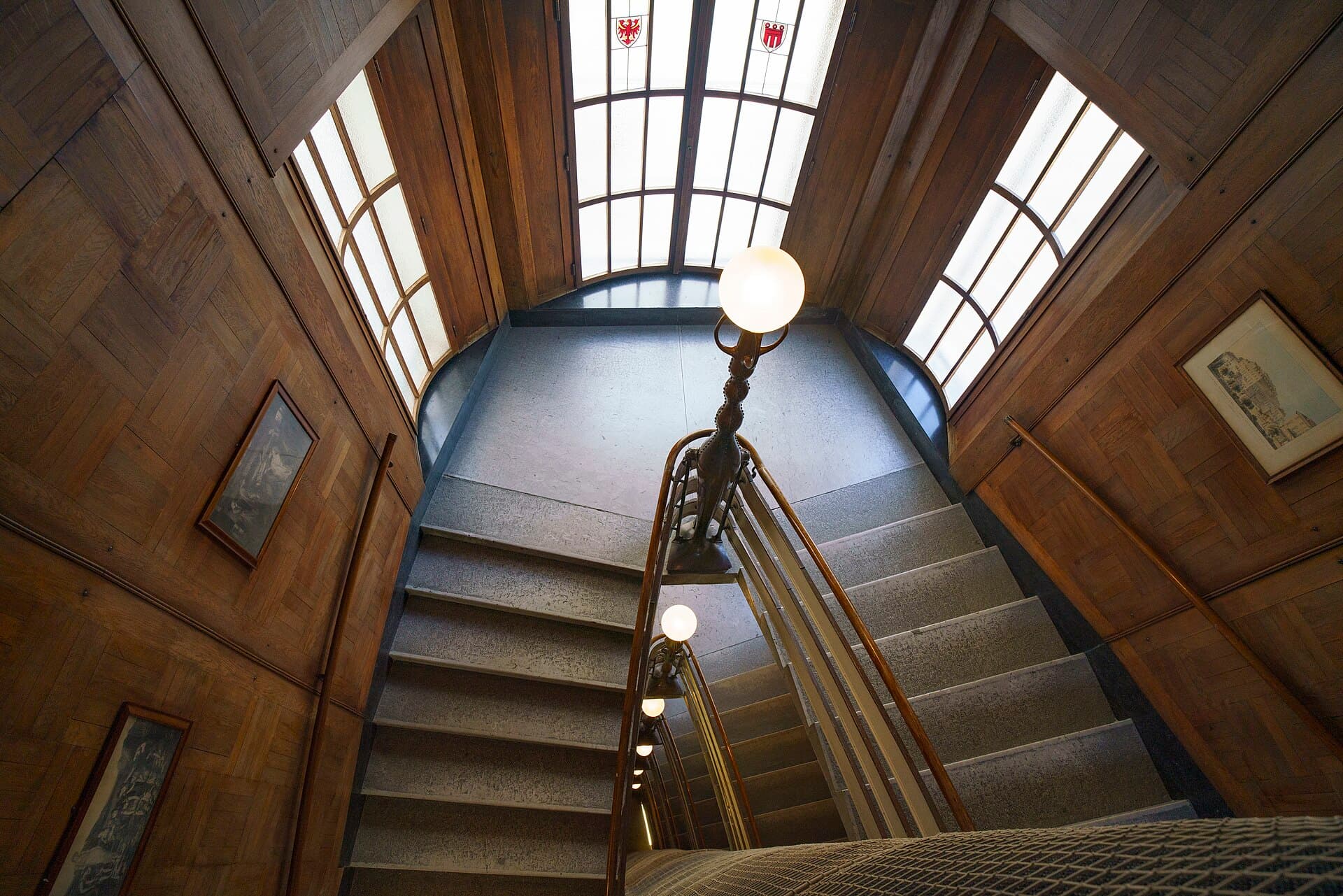 ZacherlhausAn early twentieth-century residential and commercial building in central Vienna2 minutes walk4.3
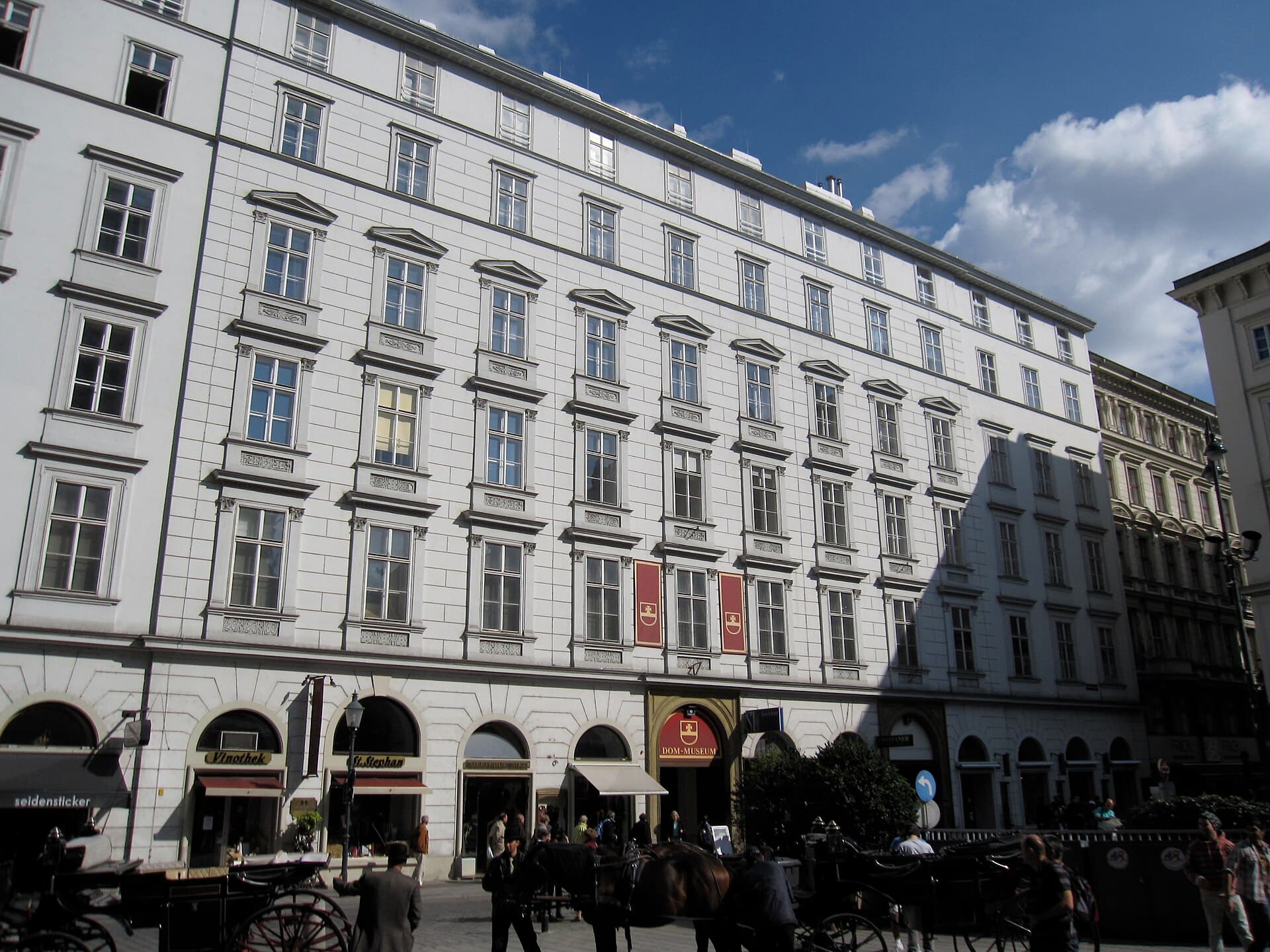 Dom Museum WienA museum on Stephansplatz beside St Stephen's Cathedral, combining the cathedral3 minutes walk4.1
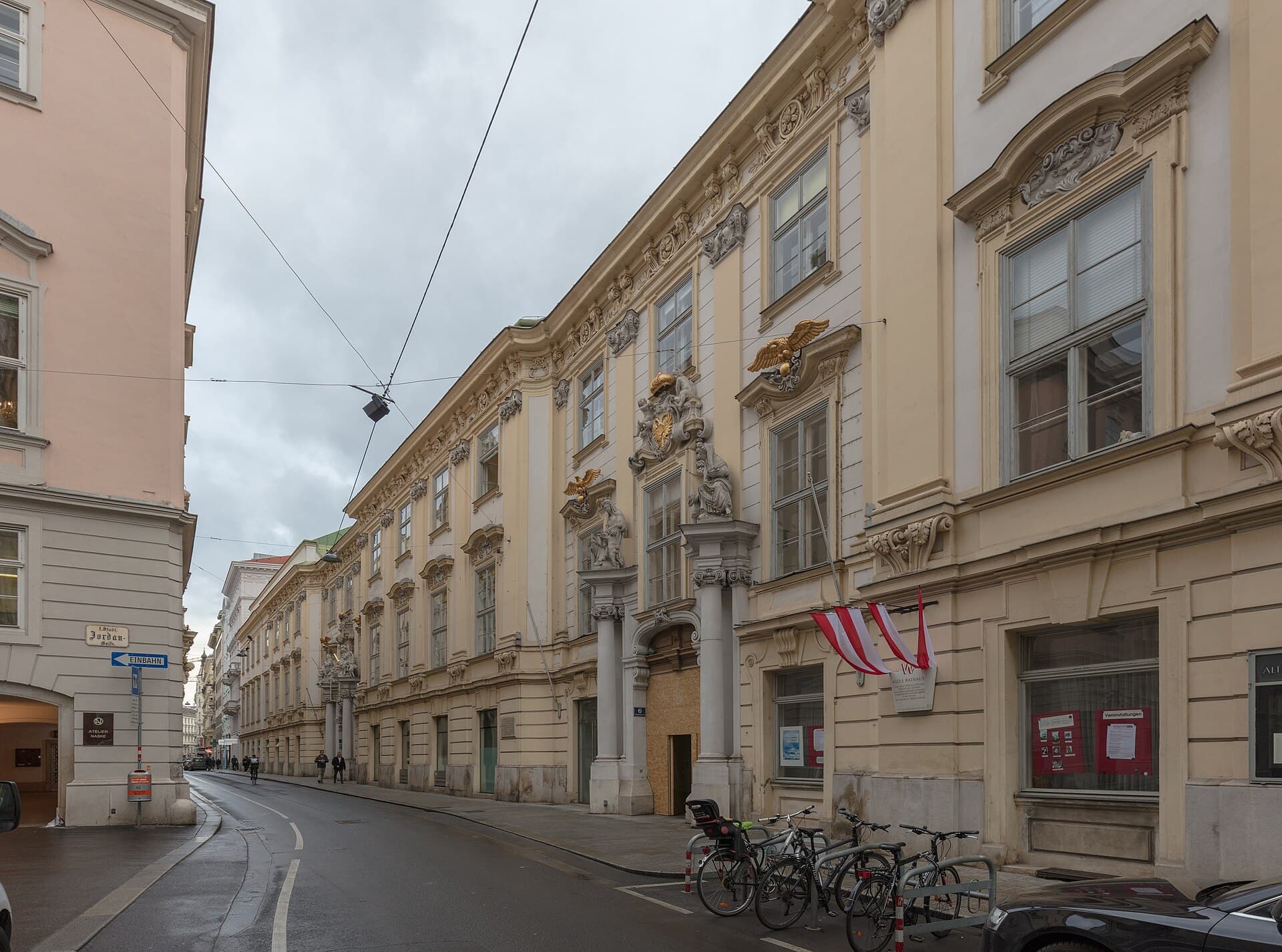 Altes Rathaus, ViennaVienna's old city hall, before the municipality moved to the vast Gothic buildin3 minutes walk4.7
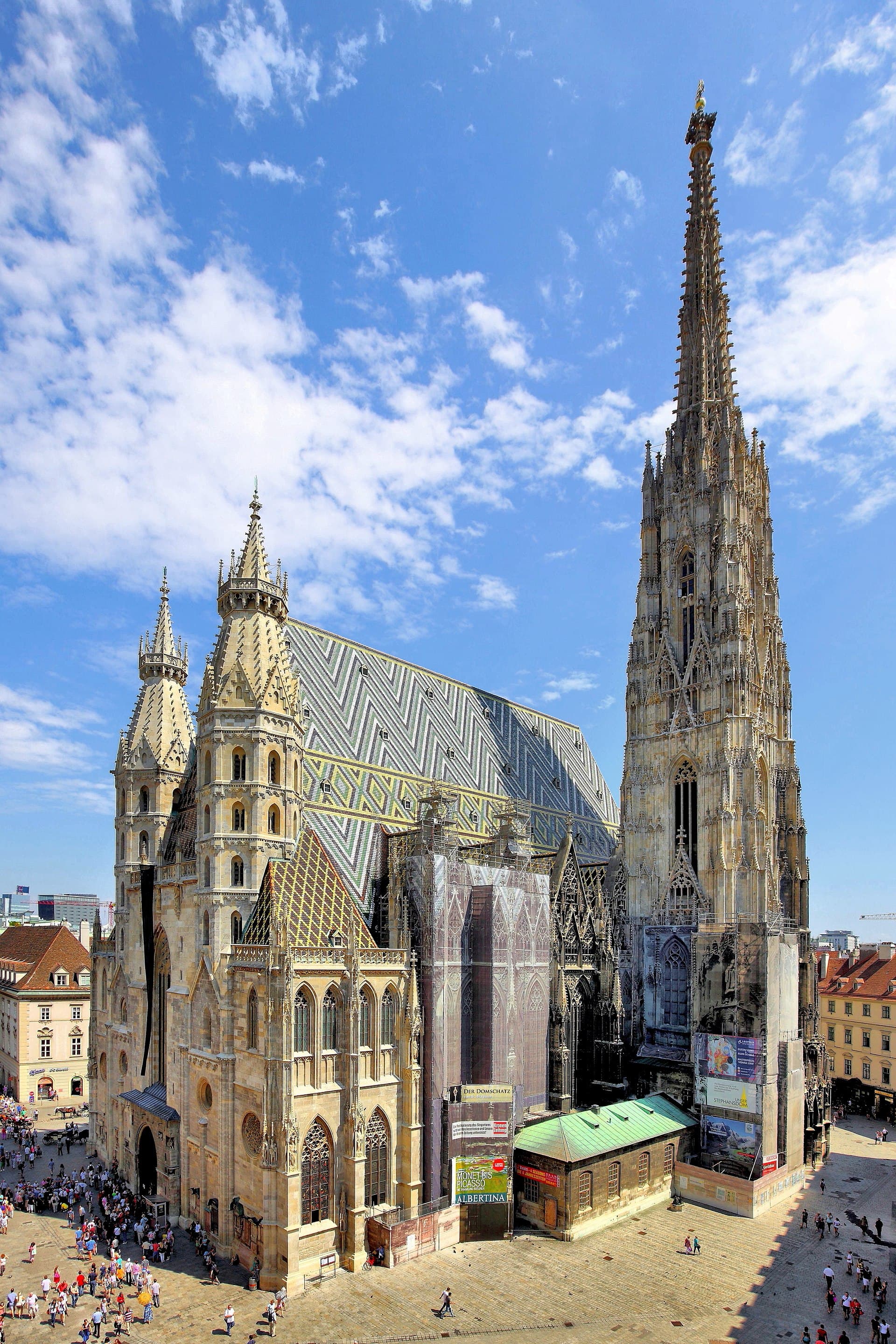 St. Stephen's CathedralVienna's geographic and symbolic heart at once: a Gothic cathedral whose oldest 3 minutes walk4.6
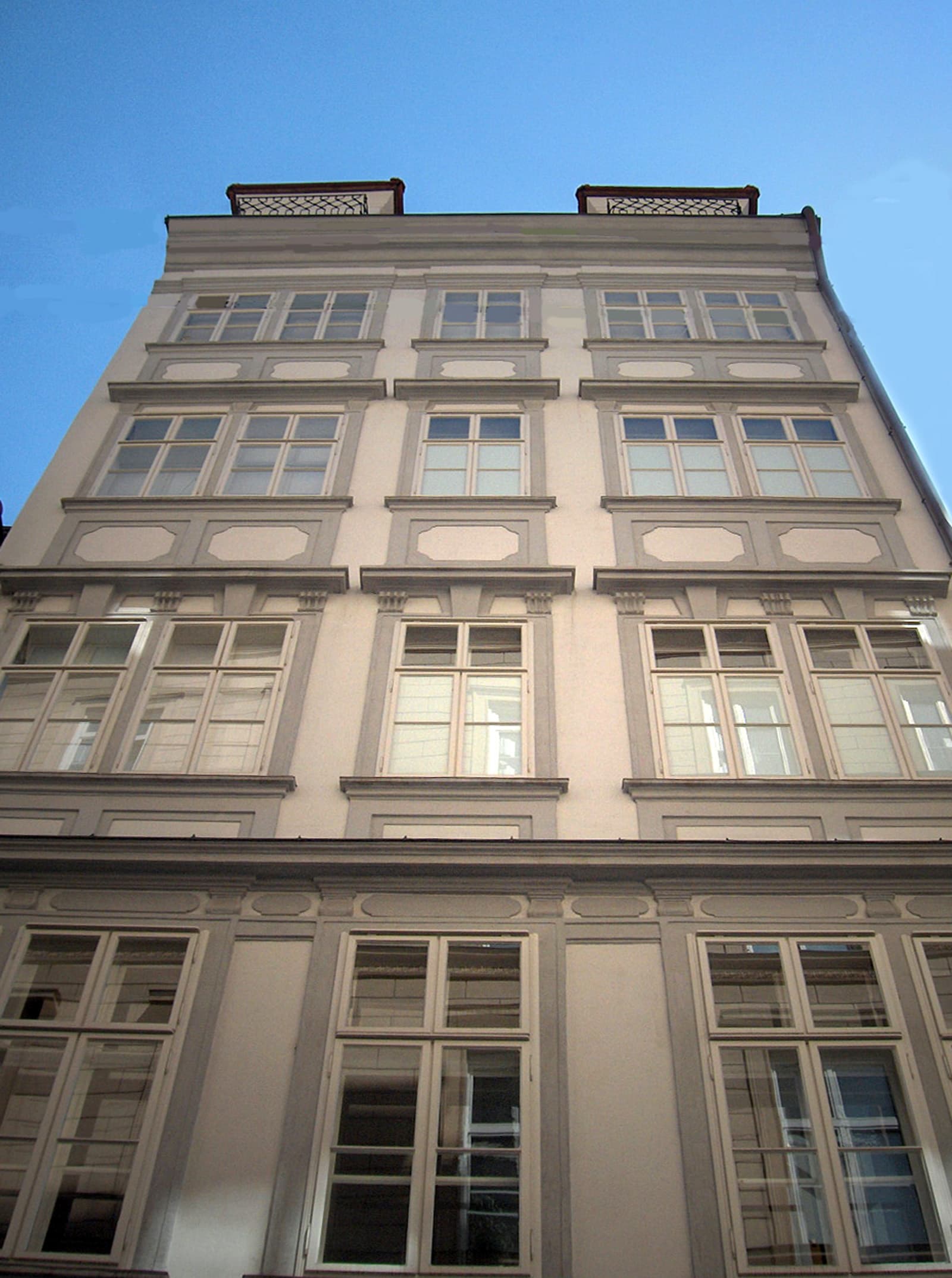 Mozarthaus ViennaThe only surviving flat among the dozens Mozart moved through in Vienna. He live4 minutes walk4.2
Worth fifteen minutes if you're in the centre near midday, which you usually are. Rearranging your whole route for it, no.