
The Andromeda Fountain
Donner's final work, from 1741, in fine relief — an important baroque piece in a courtyard nobody knows.
Diego Delso — CC BY-SA 4.0 · Thomas Ledl — CC BY-SA 4.0 · Flocci Nivis — CC BY-SA 4.0 · Papergirl — CC BY-SA 4.0
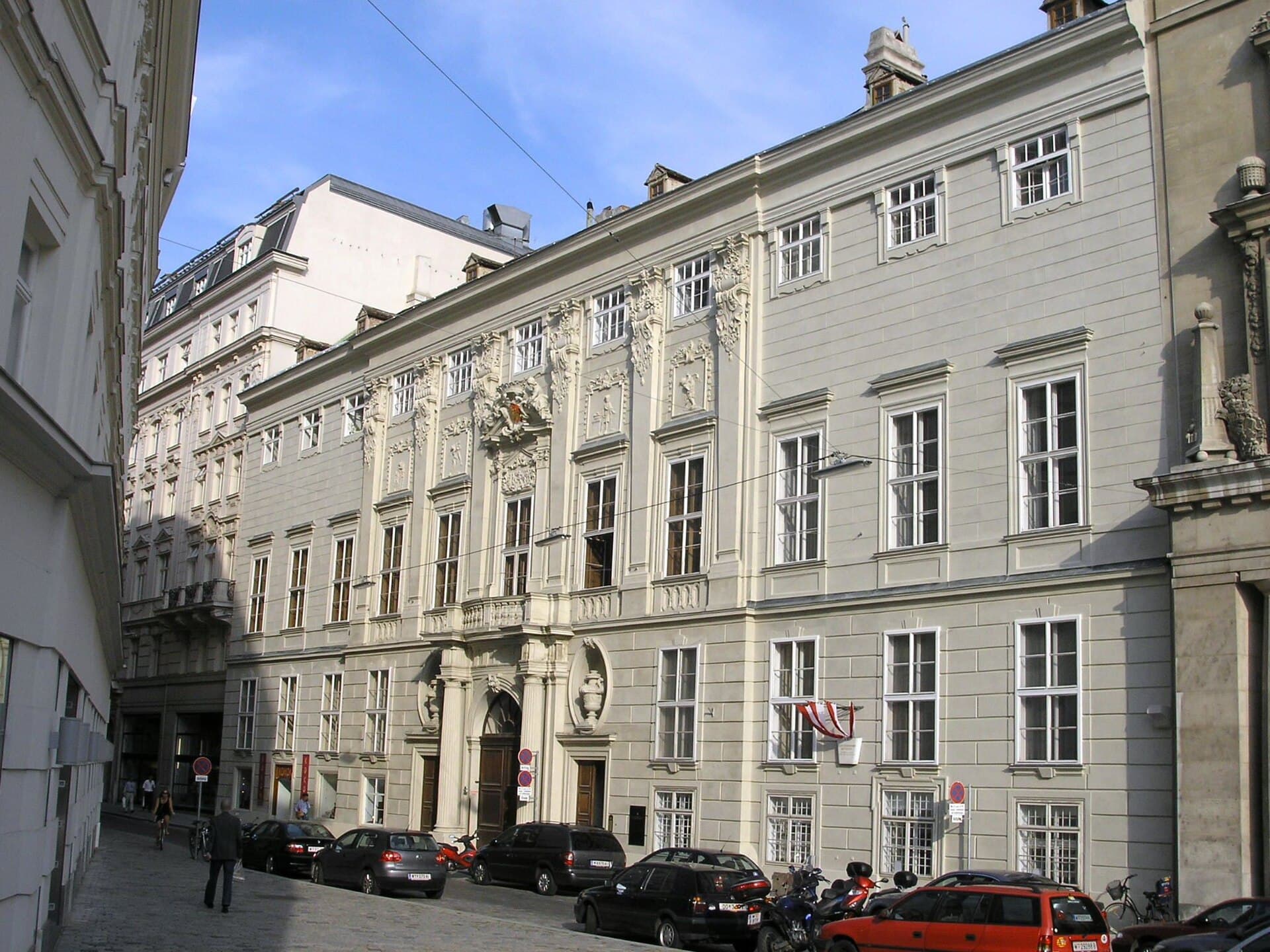
Vienna's old city hall, before the municipality moved to the vast Gothic building on the Ring in 1885. The building itself is far older — used as a town hall since the fourteenth century — and its present façade is baroque, added in the eighteenth. Two things earn a stop. One is the small inner courtyard with the Andromeda Fountain, the last work of the baroque sculptor Georg Raphael Donner, made in 1741, rendering a Greek myth in delicate relief. The courtyard is open to anyone, free, during working hours. The other is that the building now houses the Museum of Austrian Resistance, documenting resistance to Nazism in Austria — a small, serious section, free to enter, and rarely found in guidebooks. The whole place is a twenty-minute stop between the cathedral and Hoher Markt.
Donner's final work, from 1741, in fine relief — an important baroque piece in a courtyard nobody knows.
A serious record of resistance to Nazism in Austria — small, free and rarely on visitor itineraries.
Wipplingerstraße, Vienna
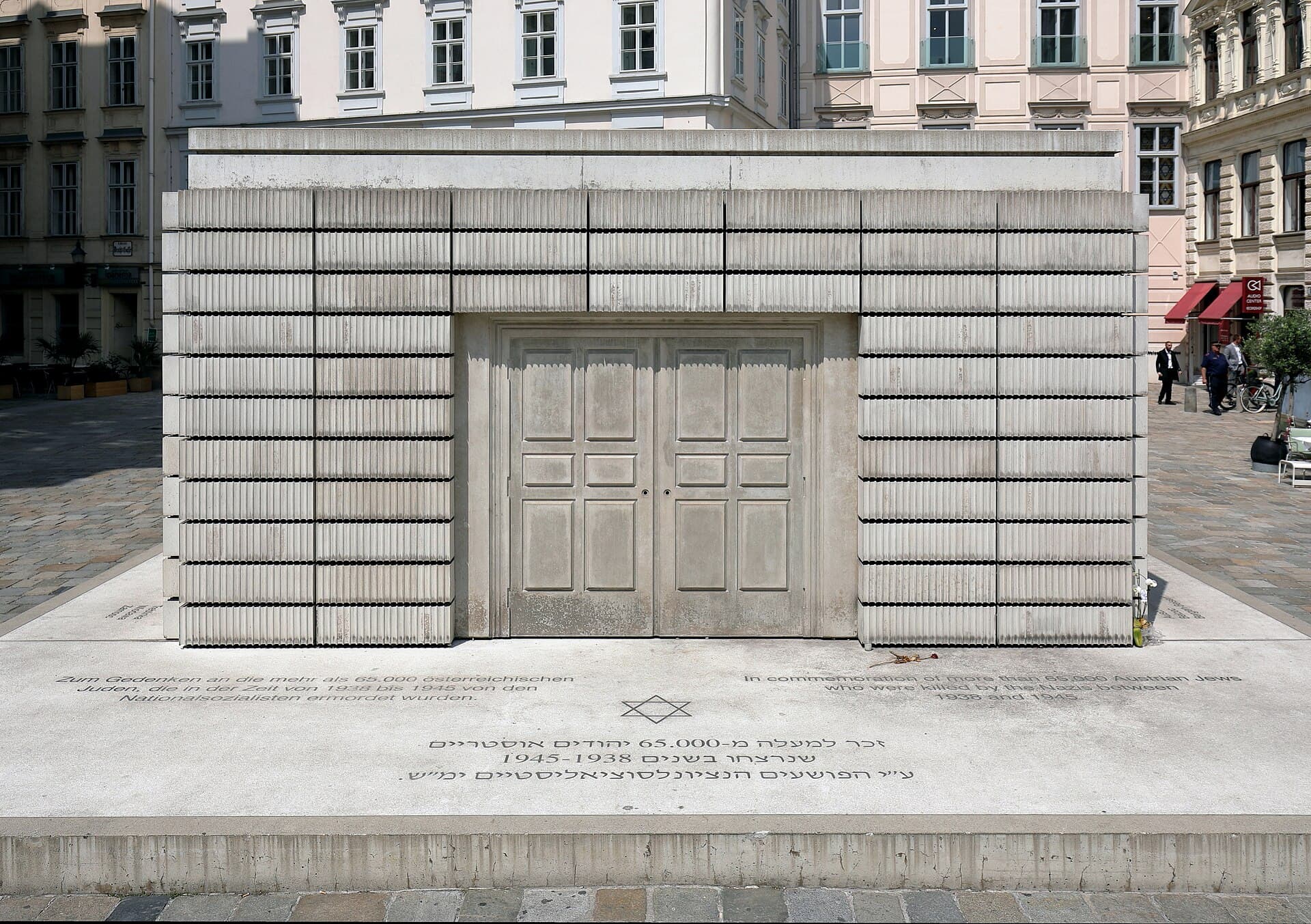 Judenplatz Holocaust MemorialA concrete block in the middle of a small quiet square, designed by the British 1 minute walk4.4
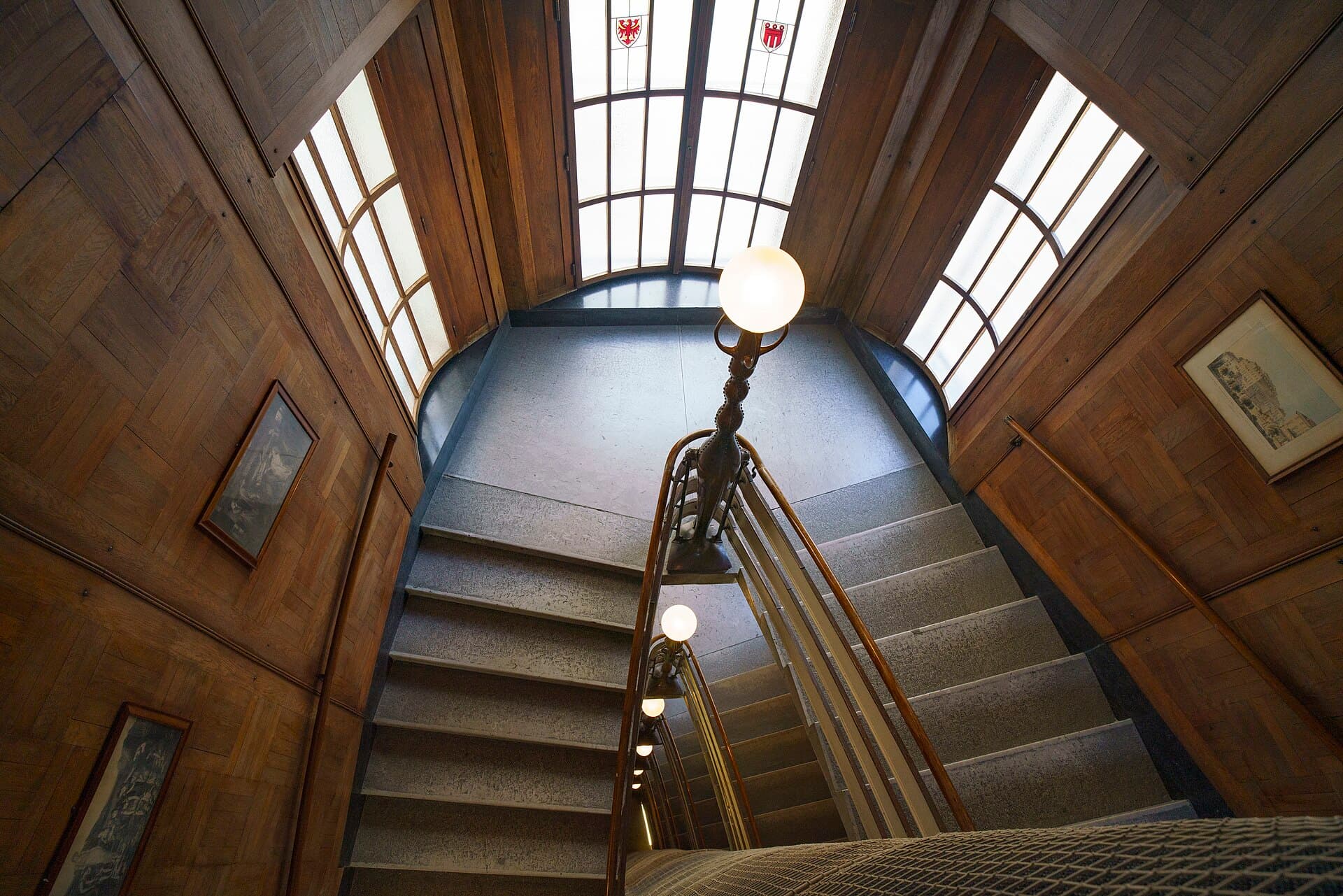 ZacherlhausAn early twentieth-century residential and commercial building in central Vienna3 minutes walk4.3
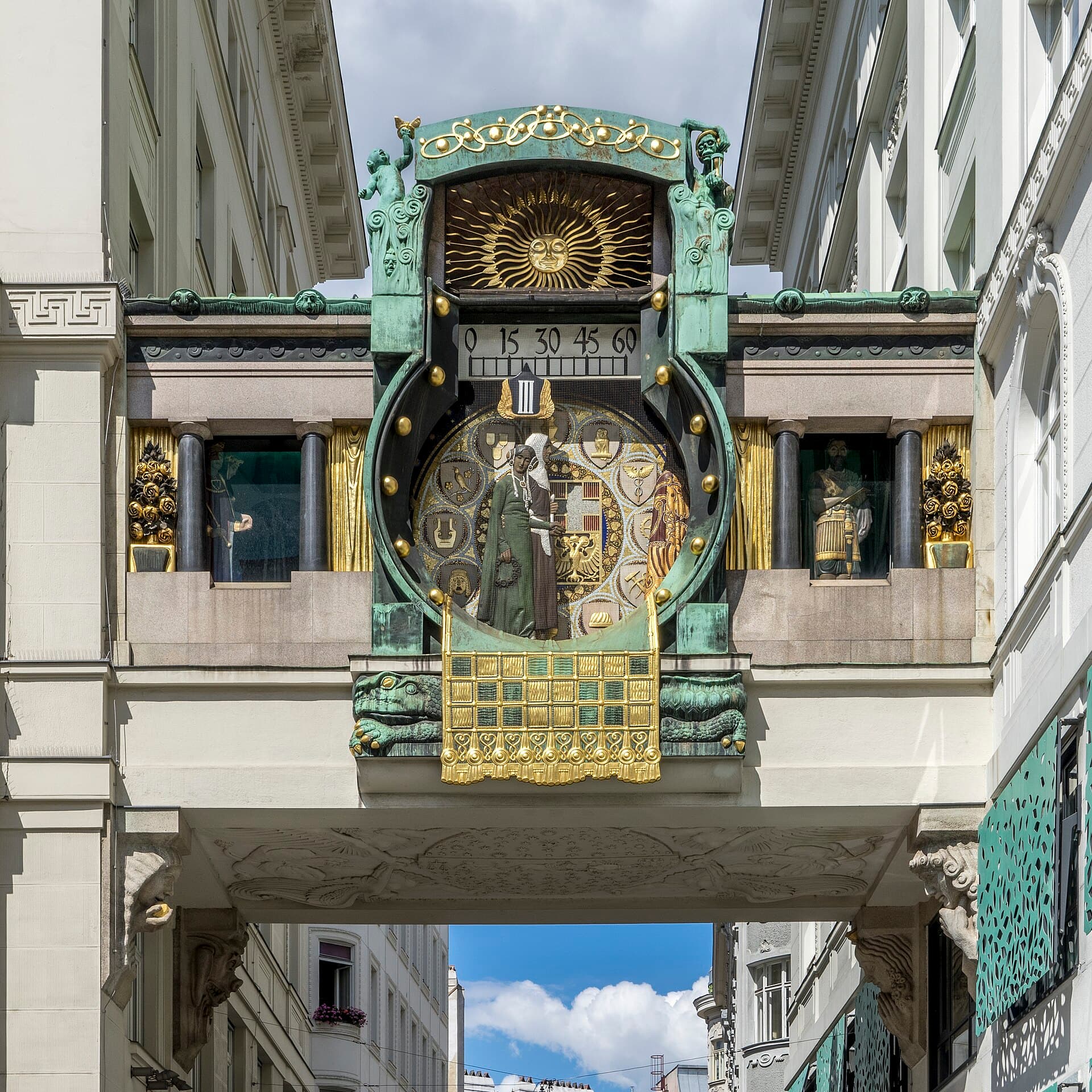 AnkeruhrA gilded metal clock bridging two buildings on Hoher Markt, designed by the pain3 minutes walk4.3
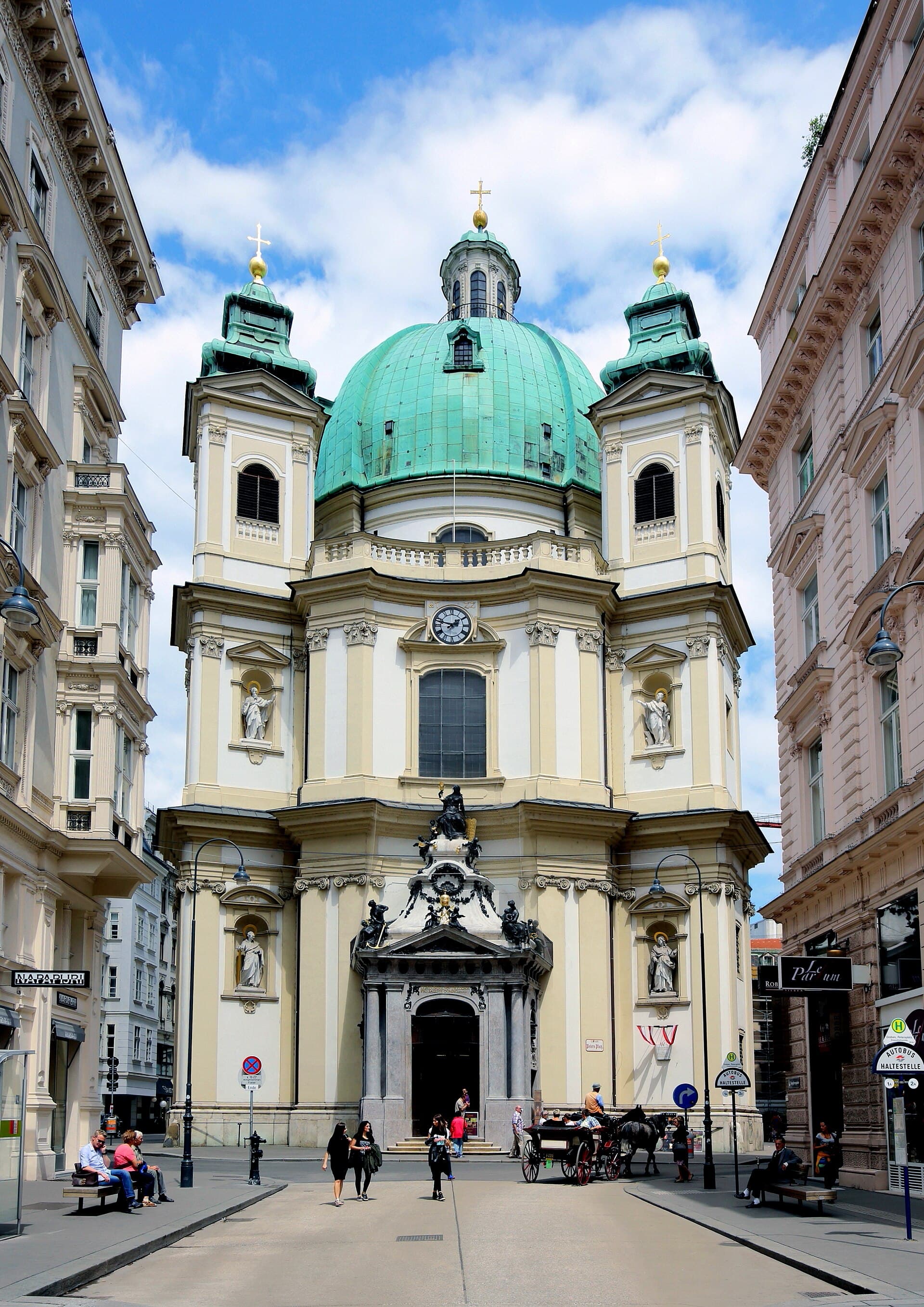 St. Peter's ChurchThe Peterskirche is the Graben's hidden surprise: you turn off Vienna's grandest4 minutes walk4.6
 Palais Schönborn-BatthyányA Baroque palace on Renngasse in the 1st district, by Johann Bernhard Fischer vo4 minutes walk4.4
Worth twenty minutes in passing, especially for the courtyard and fountain. It is not a destination in its own right on a short Vienna trip.