
The life-size mammoth
A 1928 model with its calf in a hall several storeys high.
Harold — CC BY-SA 4.0 · che (Please credit as "Petr Novák, Wikipedia" in case you use this outside Wikimedia projects.) — CC BY-SA 3.0 · Zde — CC BY-SA 4.0 · che (Please credit as "Petr Novák, Wikipedia" in case you use this outside Wikimedia projects.) — CC BY-SA 3.0
A museum of human origins and prehistory in a park west of Brno, a branch of the Moravian Regional Museum. Its best-known exhibit is a life-size mammoth model with its calf, standing in a central hall several storeys high. The model was made originally for a 1928 exhibition and has become the museum's emblem. But the scientific value lies in the collections rather than the model. Moravia is among the richest regions in the world for Palaeolithic sites: the Venus of Dolní Věstonice was found here, a small clay figure some twenty-nine thousand years old and among the oldest known ceramic works in human history. The region was inhabited by mammoth hunters during the ice age. The display is modern and carefully designed after a full renovation, and it explains human evolution clearly in a way that works for children and adults alike. The site is outside the centre in a park, reached by tram.
A 1928 model with its calf in a hall several storeys high.
Among the world's richest regions for Palaeolithic sites and mammoth hunters.
The display is clear and built to be understood without a science background.
Pisárky park, western Brno
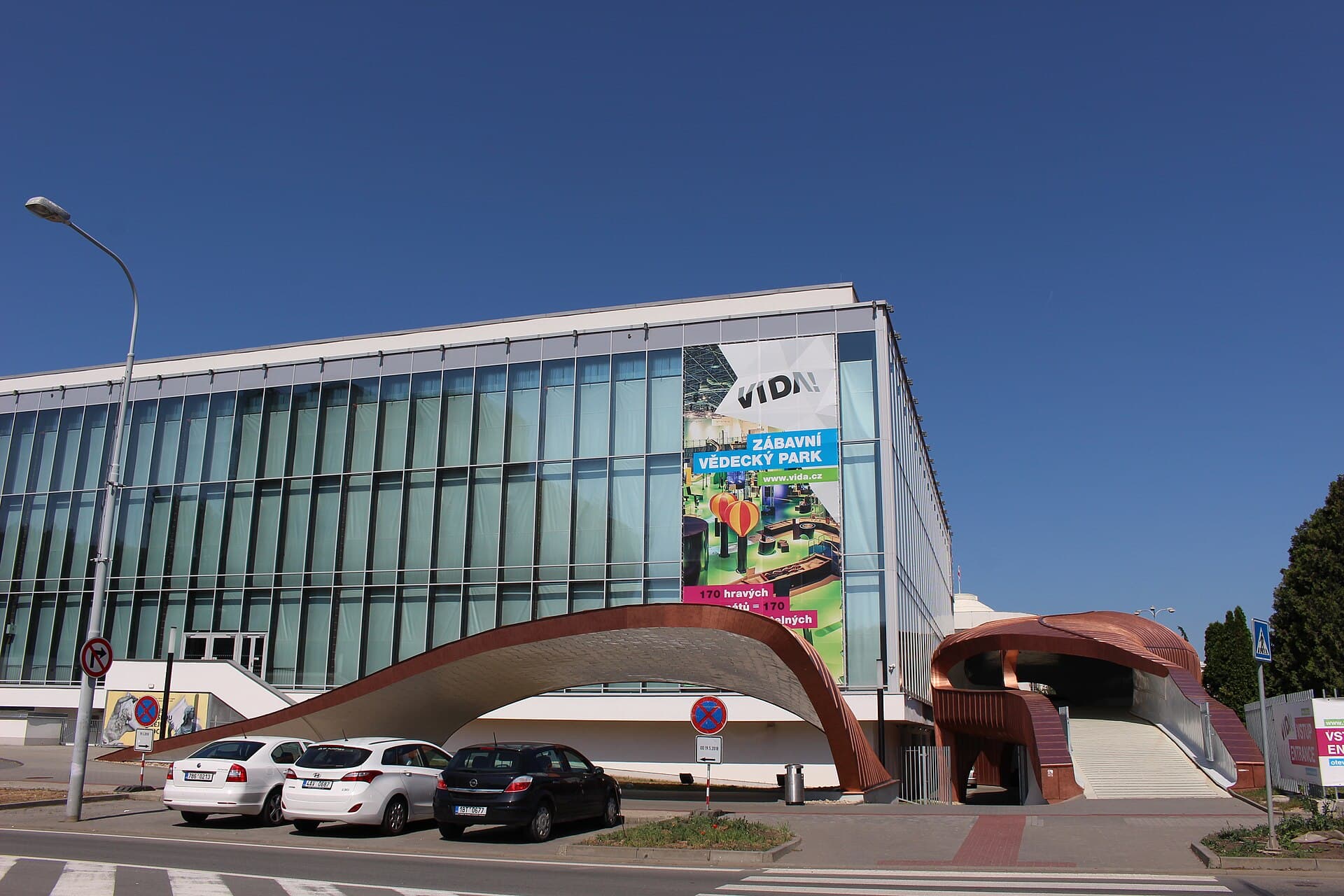 VIDA! Science CentreCzechia's biggest playground of science: VIDA!, in the former exhibition pavilio17 minutes walk4.5
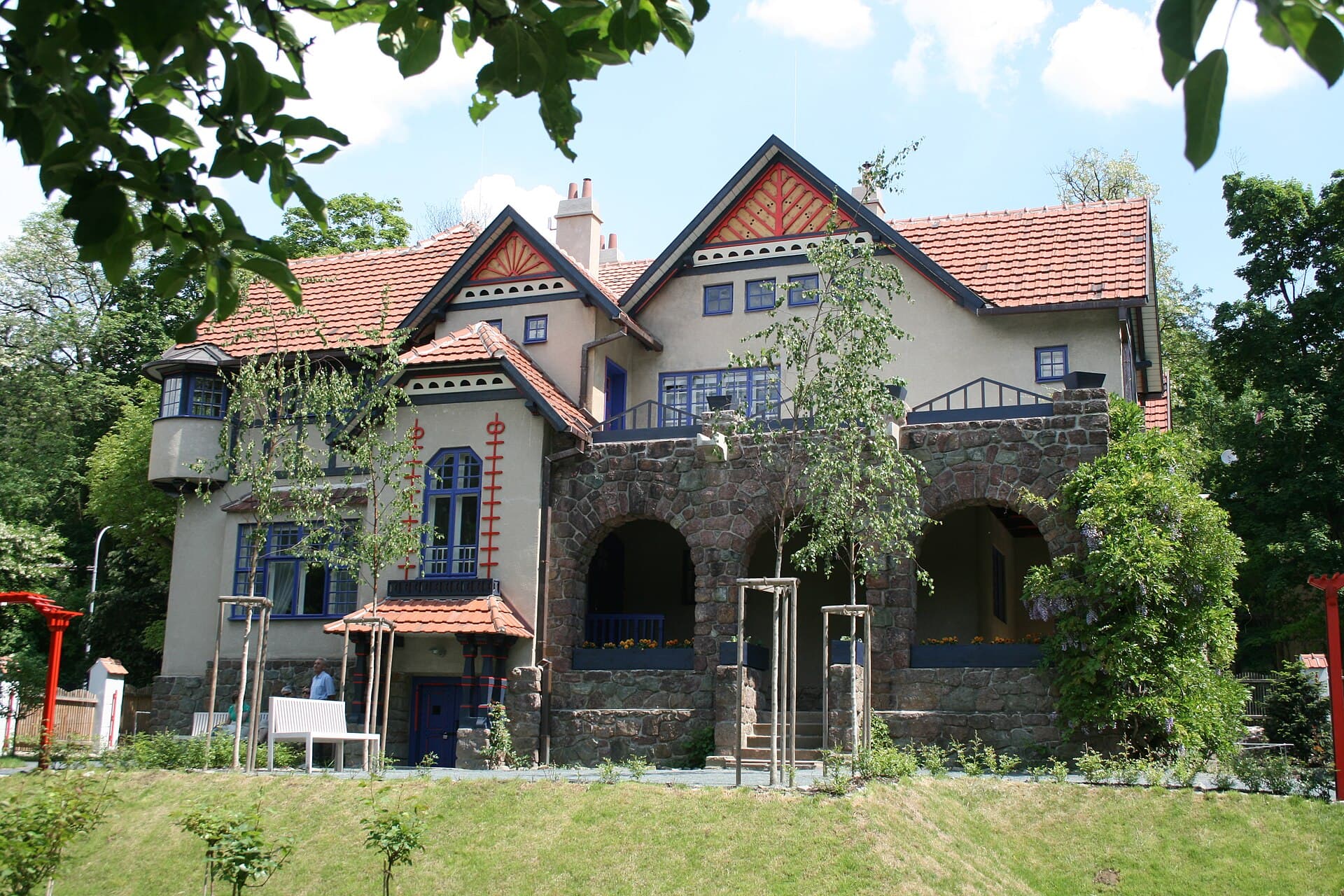 Jurkovič VillaA house built by the Slovak architect Dušan Jurkovič for himself in 1906, now a 22 minutes walk4.6
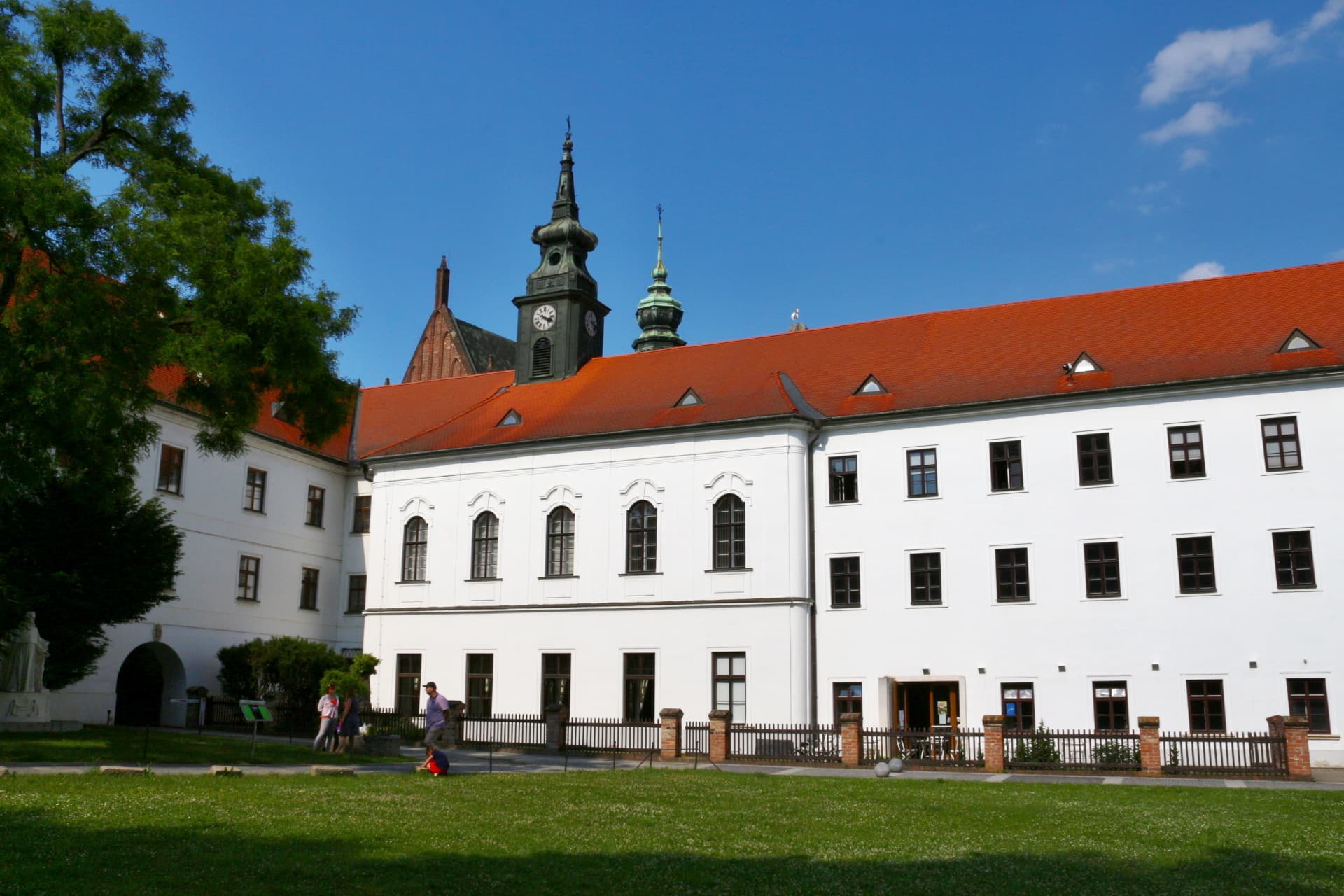 The Museum of the Old Brno AbbeyA museum inside the Augustinian Abbey of St Thomas in the Old Brno district — th25 minutes walk4.9
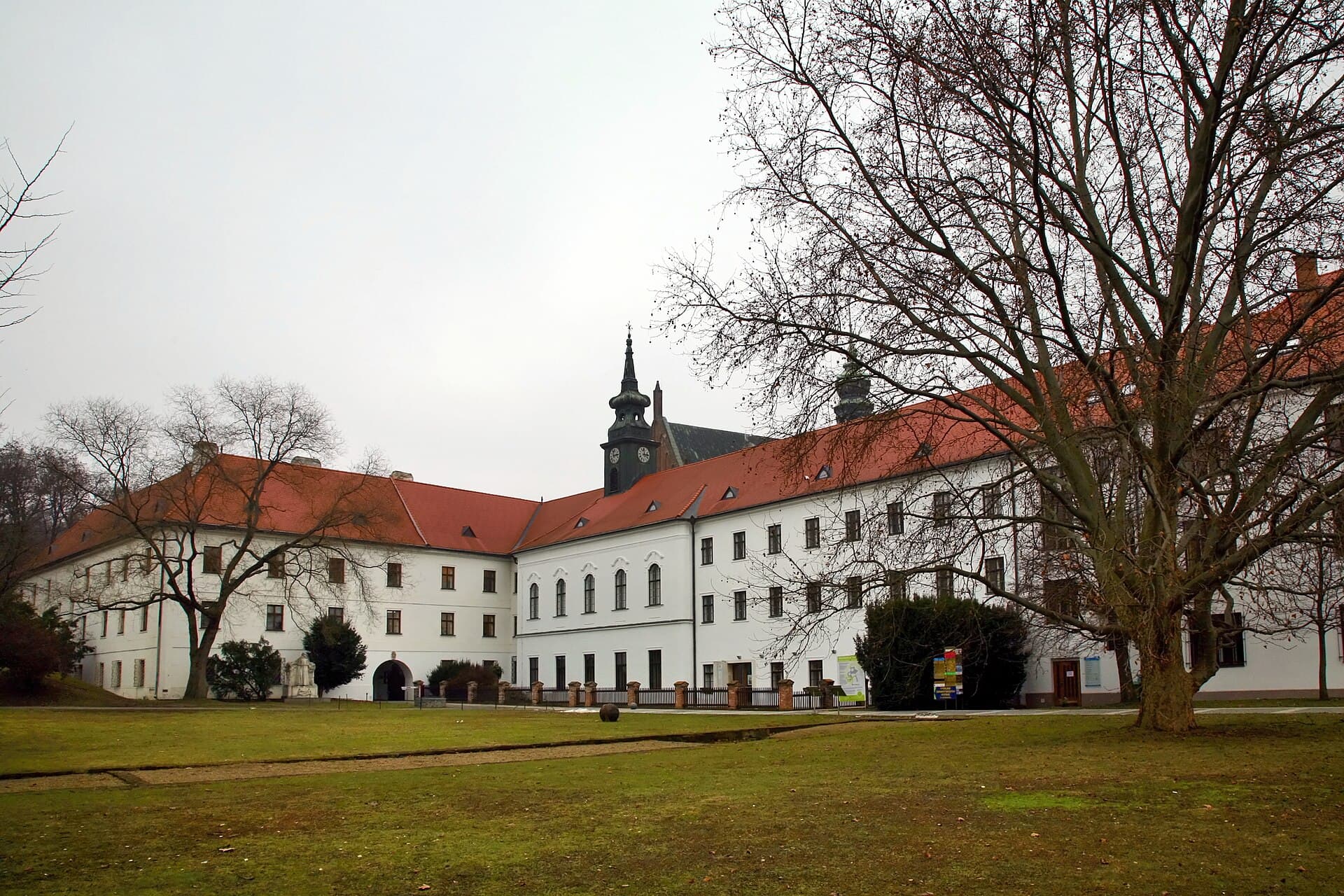 Mendel MuseumA museum in an Augustinian abbey in Brno, and the place where genetics was born.25 minutes walk4.4
A small clay figure of a woman found at the Dolní Věstonice site in Moravia, dating to about twenty-nine thousand years ago. Its importance is that it is among the oldest known objects made of fired clay in human history — meaning people were firing clay to make figures thousands of years before they used it for vessels.
Yes, well. The life-size mammoth draws them immediately, and the display rests on images and models more than text. The surrounding park allows time outdoors afterwards.