
Twenty-eight thousand plants
The scale is what made the results statistical rather than impressionistic.
VitVit — CC BY-SA 4.0 · Dominikmatus — CC BY-SA 4.0 · Dominikmatus — CC BY-SA 4.0 · Dominikmatus — CC BY-SA 4.0
A museum inside the Augustinian Abbey of St Thomas in the Old Brno district — the abbey where Gregor Mendel lived and worked. Mendel (1822–1884) was a friar here and later its abbot, and in its garden between 1856 and 1863 he carried out his experiments on pea plants: he grew about twenty-eight thousand plants and traced how specific traits passed through the generations — flower colour, seed shape, stem length — recording the results statistically. What he concluded is the foundation of all genetics: that traits pass through discrete units that do not blend, that each trait has a copy from each parent, and that some are dominant and some recessive. He published his results in 1866 and nobody took notice. He died scientifically unknown, and his work was rediscovered in 1900, sixteen years after his death. The museum shows the abbey, its history and its manuscripts, with the original garden standing beside it. Visited together with the neighbouring Mendel museum.
The scale is what made the results statistical rather than impressionistic.
His results appeared in 1866 and nobody noticed.
Sixteen years after he died scientifically unknown.
The Augustinian Abbey of St Thomas, Old Brno
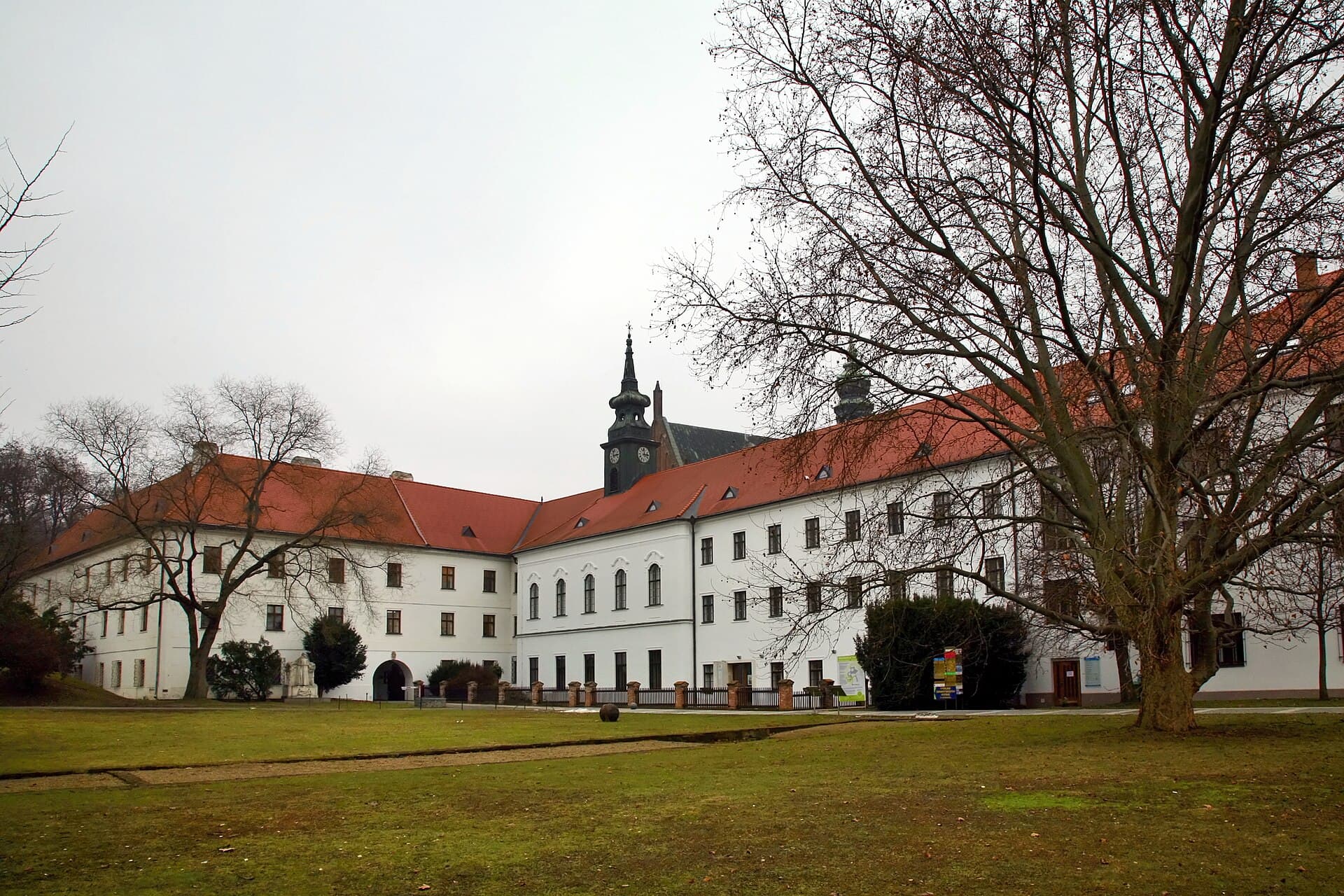 Mendel MuseumA museum in an Augustinian abbey in Brno, and the place where genetics was born.1 minute walk4.4
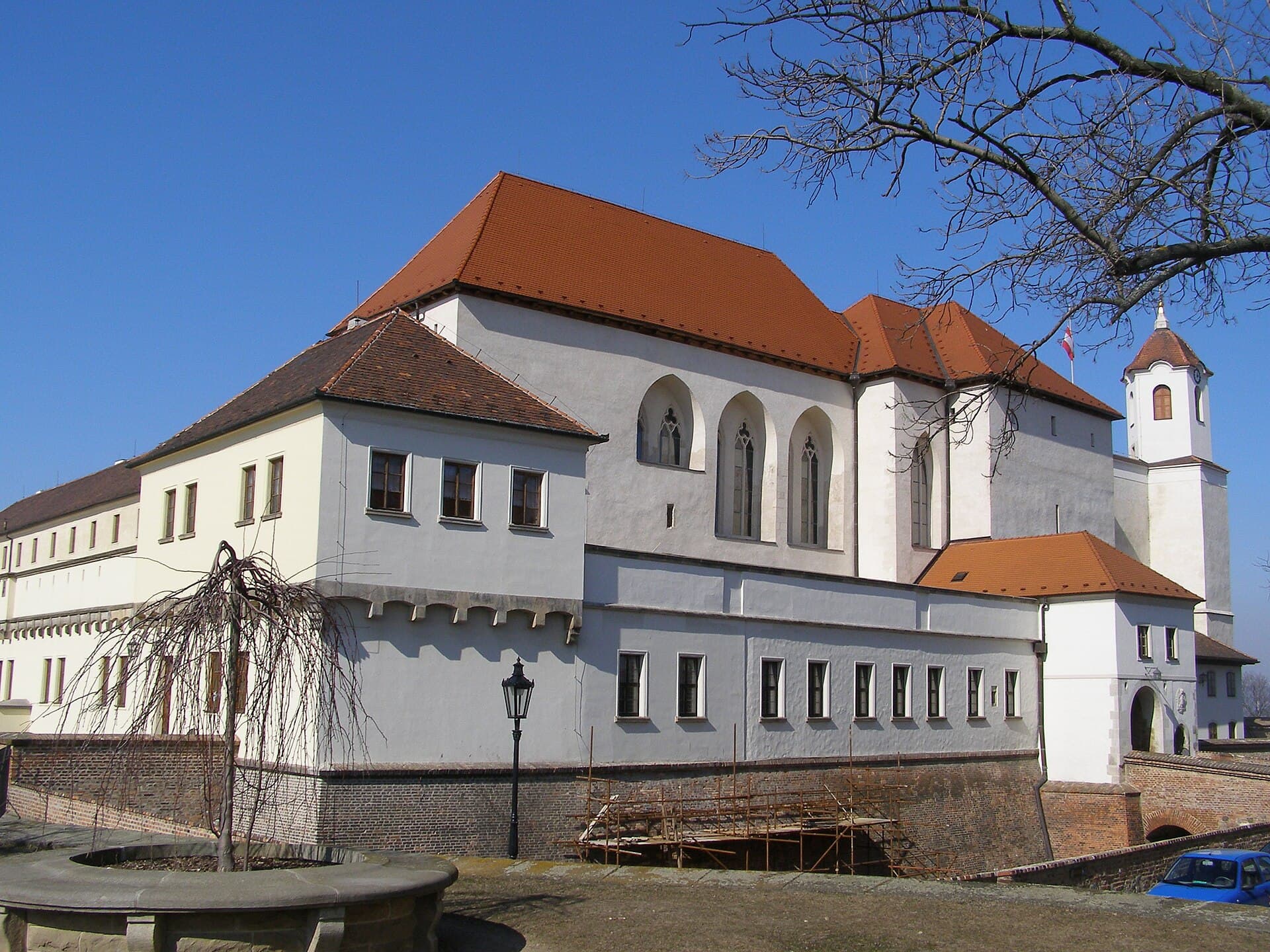 Špilberk CastleBrno's crown and its historic dread at once: the thirteenth-century castle on it6 minutes walk4.6
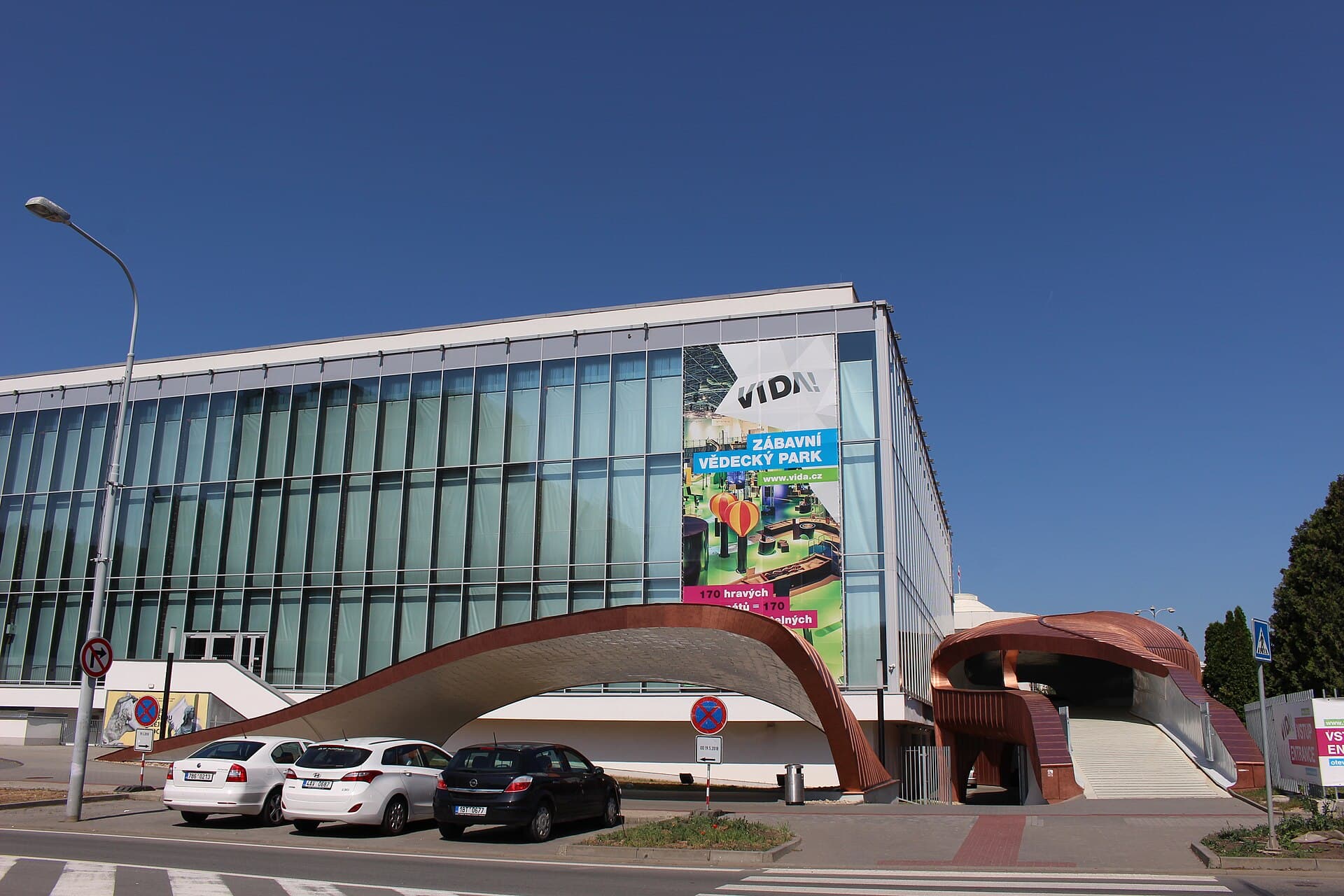 VIDA! Science CentreCzechia's biggest playground of science: VIDA!, in the former exhibition pavilio11 minutes walk4.5
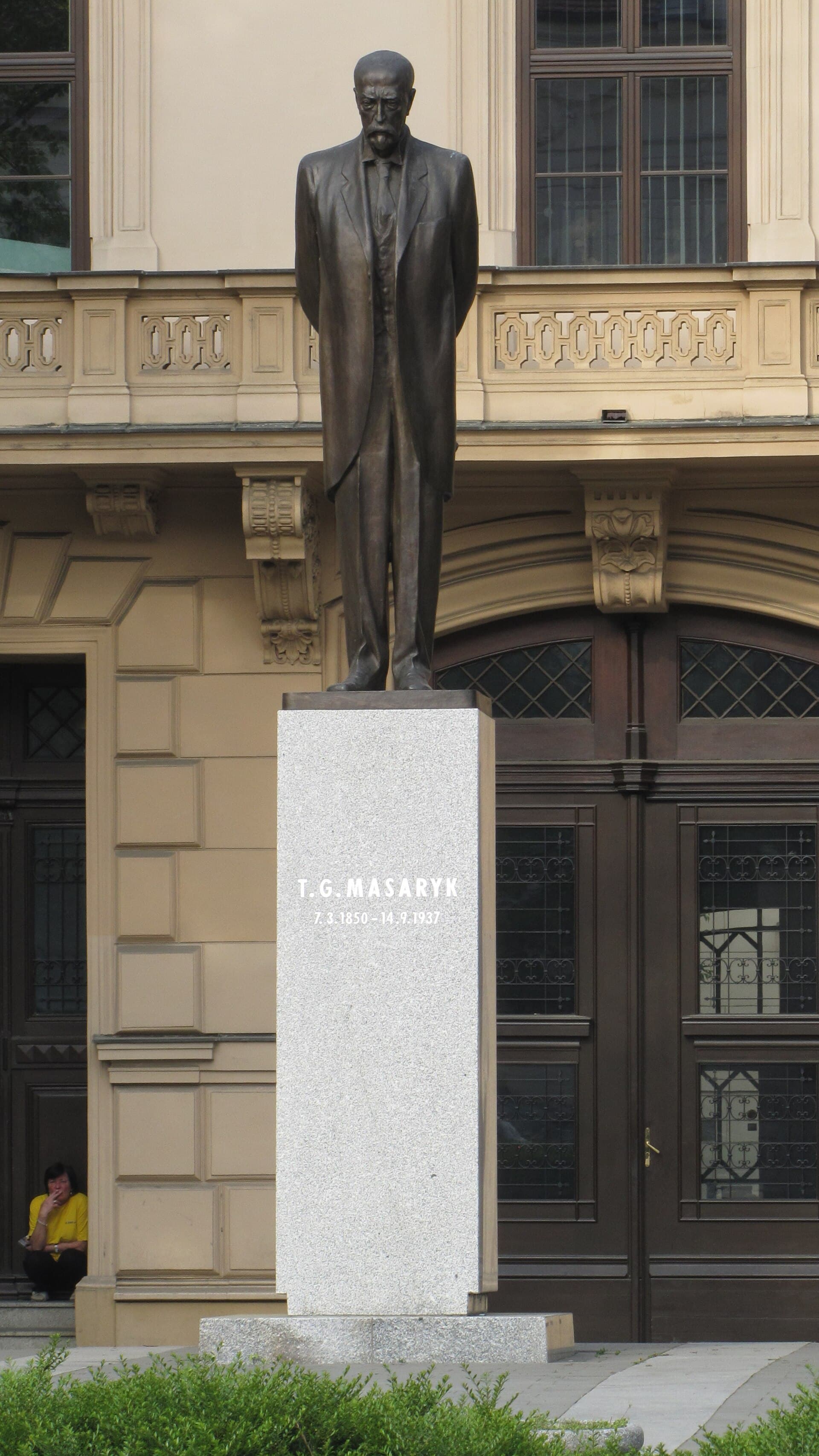 Statue of Tomáš Garrigue MasarykA statue of Tomáš Garrigue Masaryk, the first president of Czechoslovakia, in ce11 minutes walk4.7
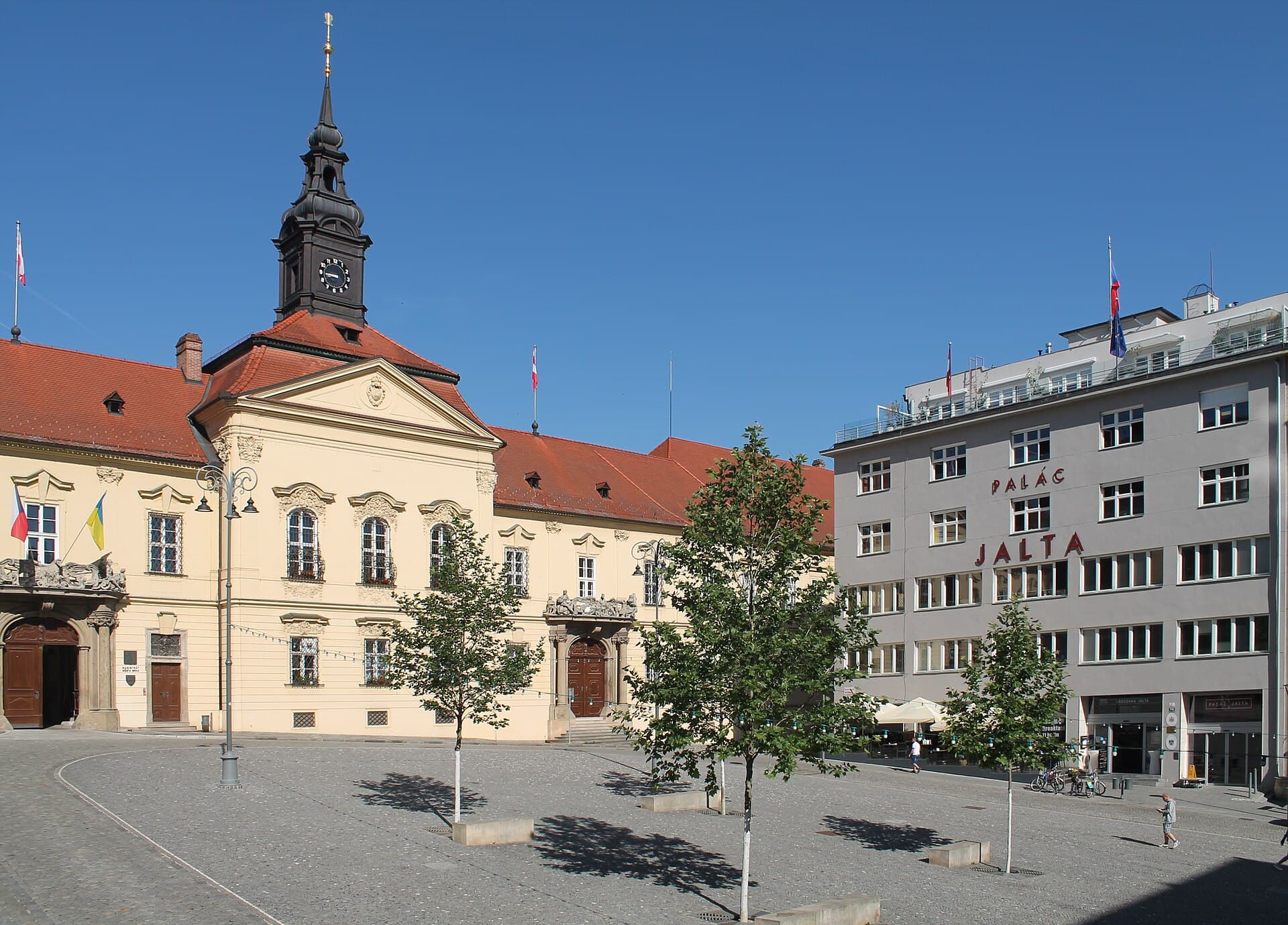 Dominican SquareA square in old central Brno holding the New Town Hall, the Dominican monastery 12 minutes walk4.8
For several reasons: he published in a small local journal with little circulation; his mathematical, statistical approach was strange to the biologists of the day, who were not used to quantitative analysis; and most importantly the prevailing idea was that traits blend like fluids — an idea his results directly contradict. Even Darwin, whose theory needed exactly such a mechanism of inheritance, never read it. His work was rediscovered independently in 1900 by three researchers at once.
The Mendel Museum is run by Masaryk University and concentrates on the science: the experiments, genetics and their consequences, in a modern display aimed at the general public and schools. The abbey museum concentrates on the place itself — the history of the Augustinian order, the building, the library and the monastic life Mendel was part of. The two adjoin and complement each other, and can be visited together in two hours.