
A discovery its age ignored
He published in 1866 and nobody noticed; he died unknown as a scientist in 1884.
Misa.jar — CC BY-SA 3.0 · Dominik Matus — CC BY-SA 4.0 · Dominik Matus — CC BY-SA 4.0 · Dominik Matus — CC BY-SA 4.0
A museum in an Augustinian abbey in Brno, and the place where genetics was born. Here the monk Gregor Mendel grew some twenty-eight thousand pea plants between 1856 and 1863 and recorded how traits passed from one generation to the next. What he concluded was revolutionary: traits do not blend like liquids but pass as discrete units, some dominant and some recessive, in mathematical ratios that can be predicted. Those units later became known as genes. The most striking part of the story is what happened next: Mendel published his results in 1866 and almost nobody noticed, and he died in 1884 unknown as a scientist. His work was rediscovered in 1900, sixteen years after his death, when three independent researchers reached the same conclusions and found he had got there first. The museum shows his instruments and manuscripts and the abbey garden where the experiments were run. This is a scientific site of the first rank in a city that sees few visitors.
He published in 1866 and nobody noticed; he died unknown as a scientist in 1884.
In 1900 three independent researchers reached his results and found he had preceded them.
The ground where the peas were grown is still part of the site.
St Thomas's Abbey, Old Brno
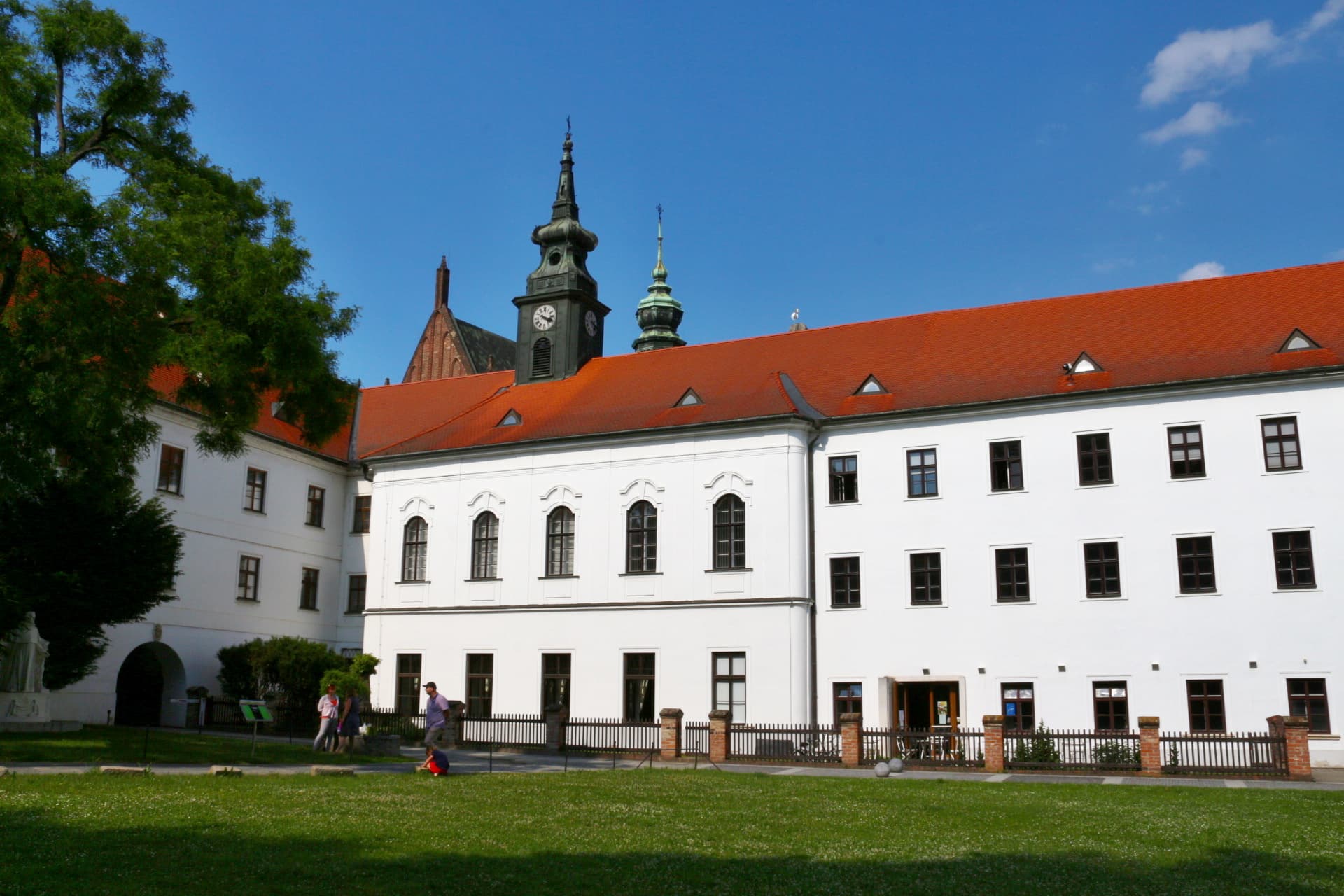 The Museum of the Old Brno AbbeyA museum inside the Augustinian Abbey of St Thomas in the Old Brno district — th1 minute walk4.9
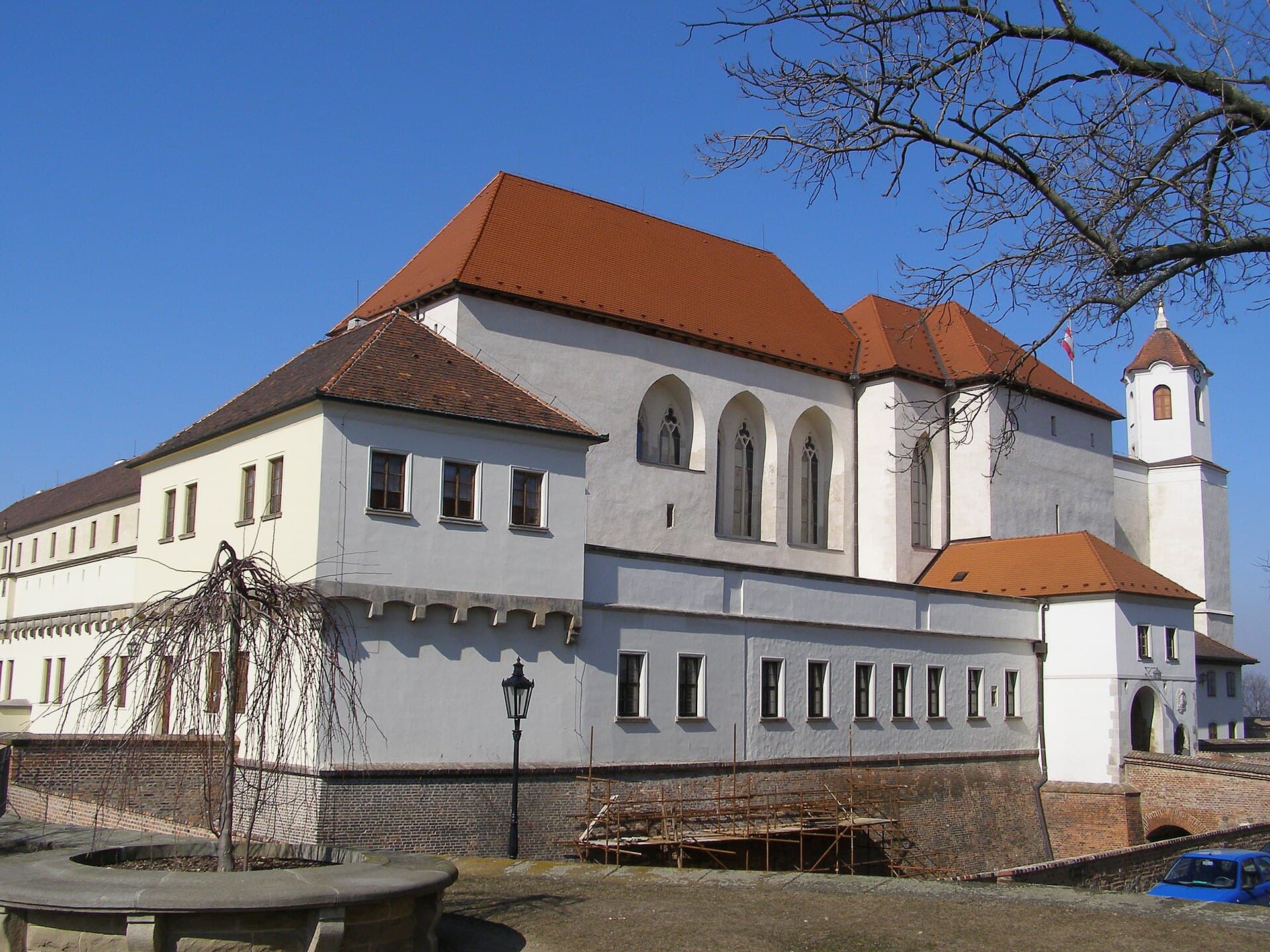 Špilberk CastleBrno's crown and its historic dread at once: the thirteenth-century castle on it7 minutes walk4.6
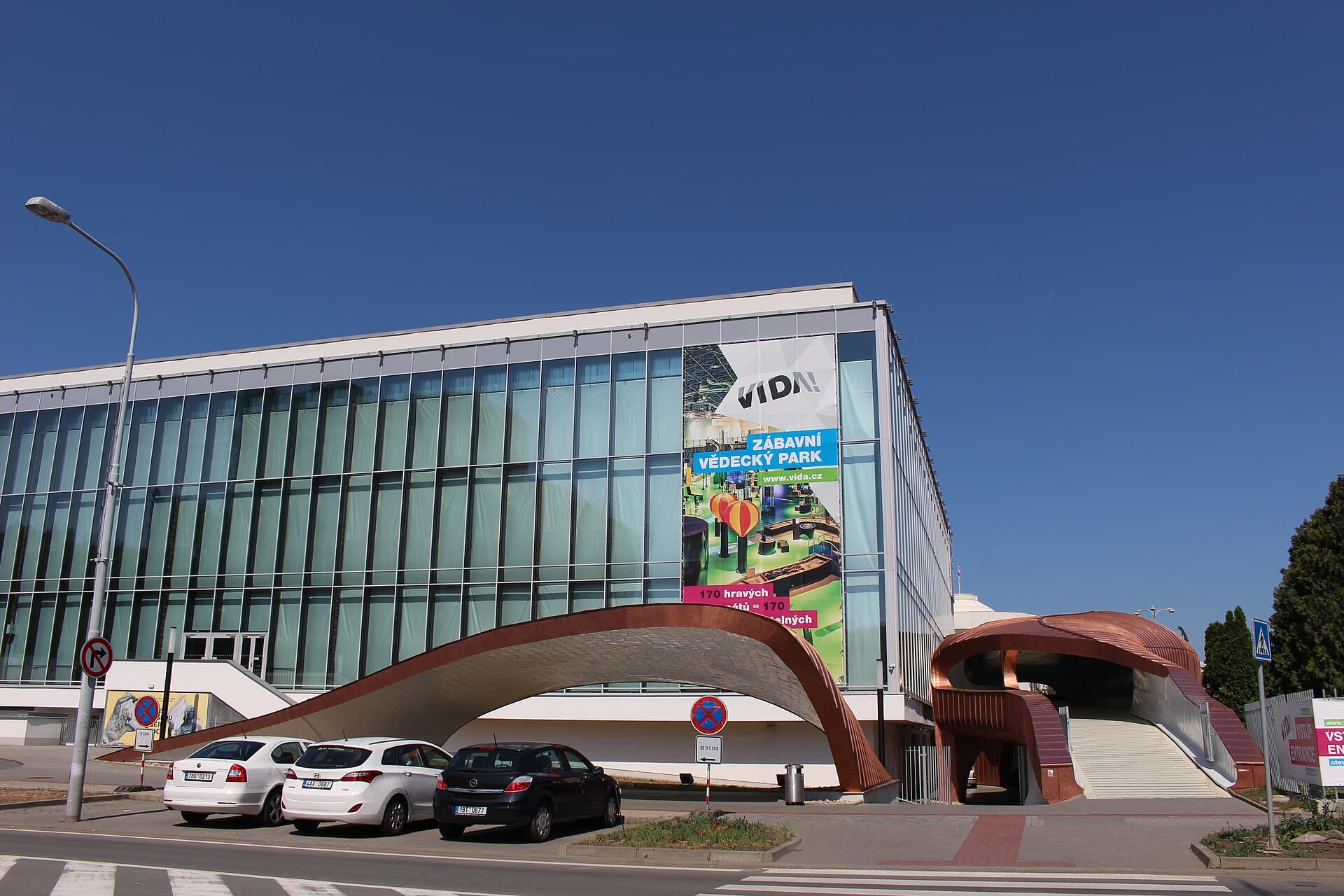 VIDA! Science CentreCzechia's biggest playground of science: VIDA!, in the former exhibition pavilio11 minutes walk4.5
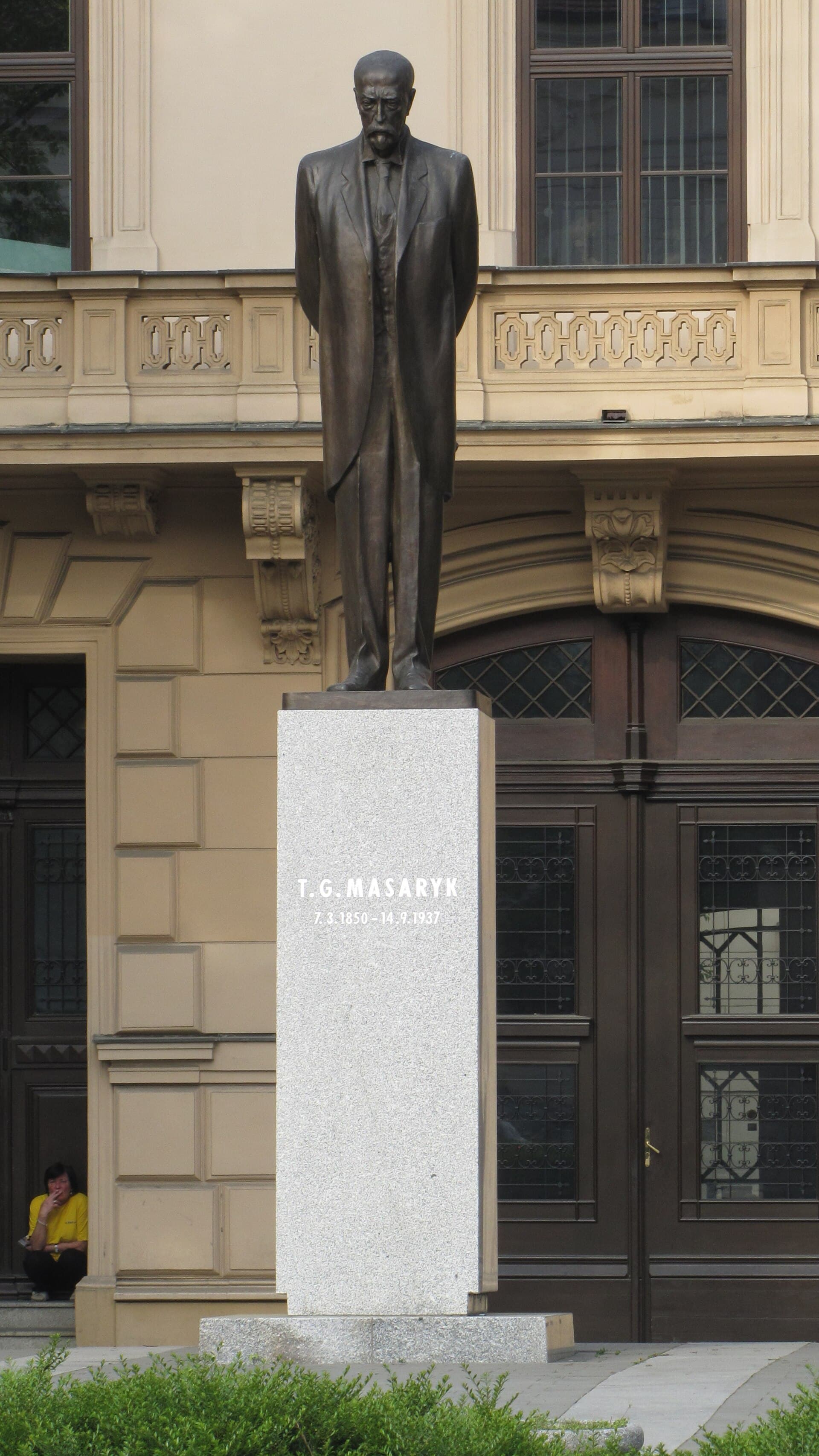 Statue of Tomáš Garrigue MasarykA statue of Tomáš Garrigue Masaryk, the first president of Czechoslovakia, in ce12 minutes walk4.7
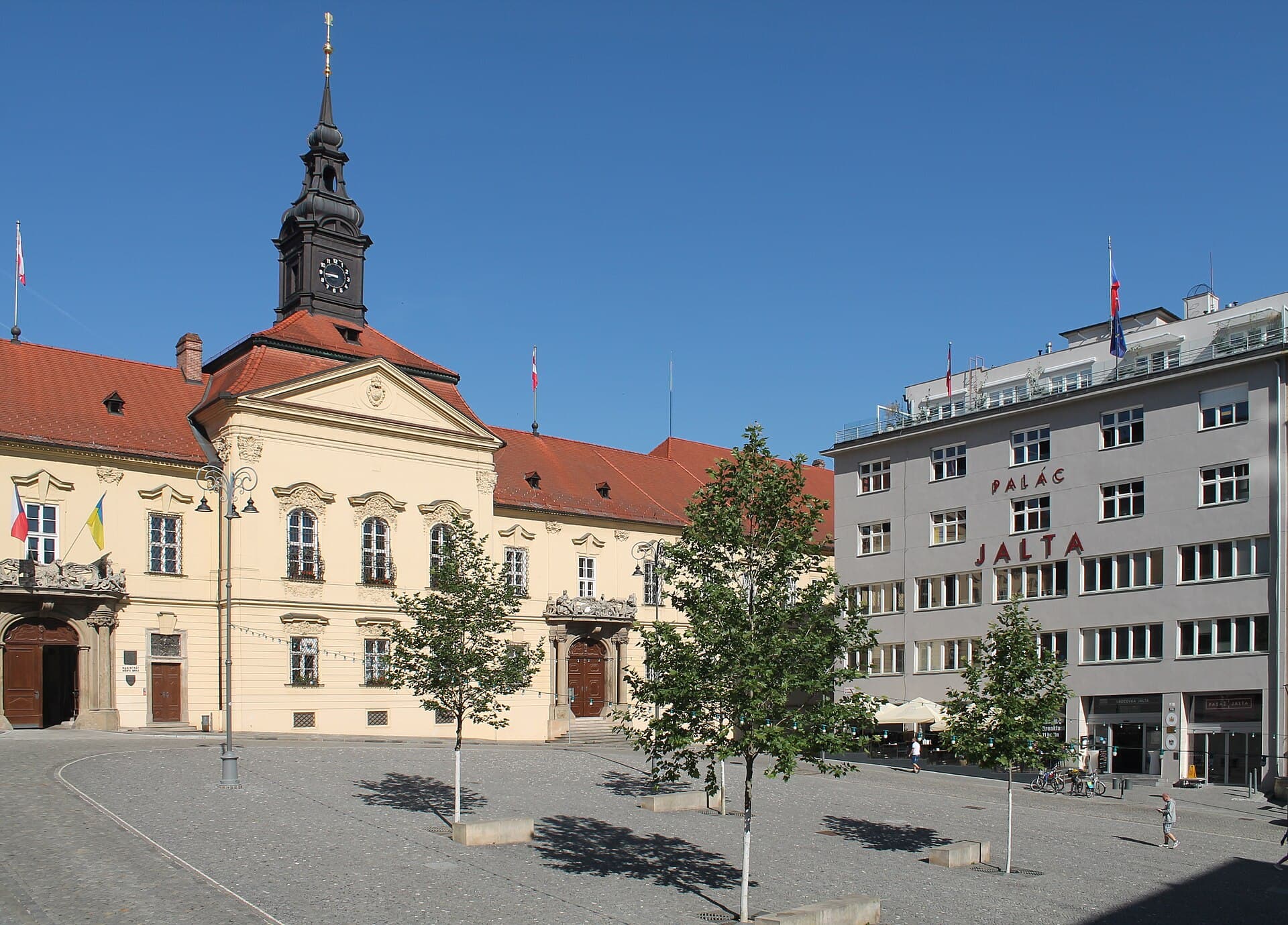 Dominican SquareA square in old central Brno holding the New Town Hall, the Dominican monastery 12 minutes walk4.8
Before him it was assumed parents' traits blended in their children as two liquids blend. Mendel showed they pass as discrete units in calculable ratios, and that is the foundation of the whole of genetics and of everything later built on it in understanding DNA. Everything we know about heredity today begins in this abbey garden.
Brno deserves a day in itself: it holds the UNESCO-listed Villa Tugendhat, and the city is far quieter and cheaper than Prague. The Mendel Museum is among its strongest sites, and if science interests you it is reason enough on its own to add Brno to a Czech itinerary.