
Punic quarter
Houses and streets on the slope.
Mietek Ł — CC BY-SA 3.0 · Noomen9 — CC BY-SA 4.0 · Touzrimounir — CC BY-SA 4.0 · Verity Cridland — CC BY 2.0
An archaeological museum on top of Byrsa Hill, where Phoenician Carthage had its citadel and Roman Carthage its centre. Founded in 1875 to show the first excavation finds, it now covers the Punic, Roman, Vandal, Byzantine and Islamic periods, and with the Bardo is one of the country's two main archaeological museums. Tradition dates Carthage's founding to 814 BC by settlers from Tyre. It became a great sea power until Rome destroyed it in 146 BC, then rose again as a prosperous Roman city. The museum shows Punic gravestones, masks, amulets and mosaics, along with models of the city in its different ages. On the slope of the hill lie the excavated houses and streets of a Punic quarter. The terrace in front of the museum looks out over the Gulf of Tunis and the Punic ports below, beside the former Cathedral of Saint Louis, now a concert hall. The same ticket covers the other Carthage sites, so start on the hill to understand the city, then head down to the baths and the ports.
Houses and streets on the slope.
From Punic to Islamic times.
Over the ports and gulf.
Byrsa Hill, Carthage, about 15 km north-east of central Tunis
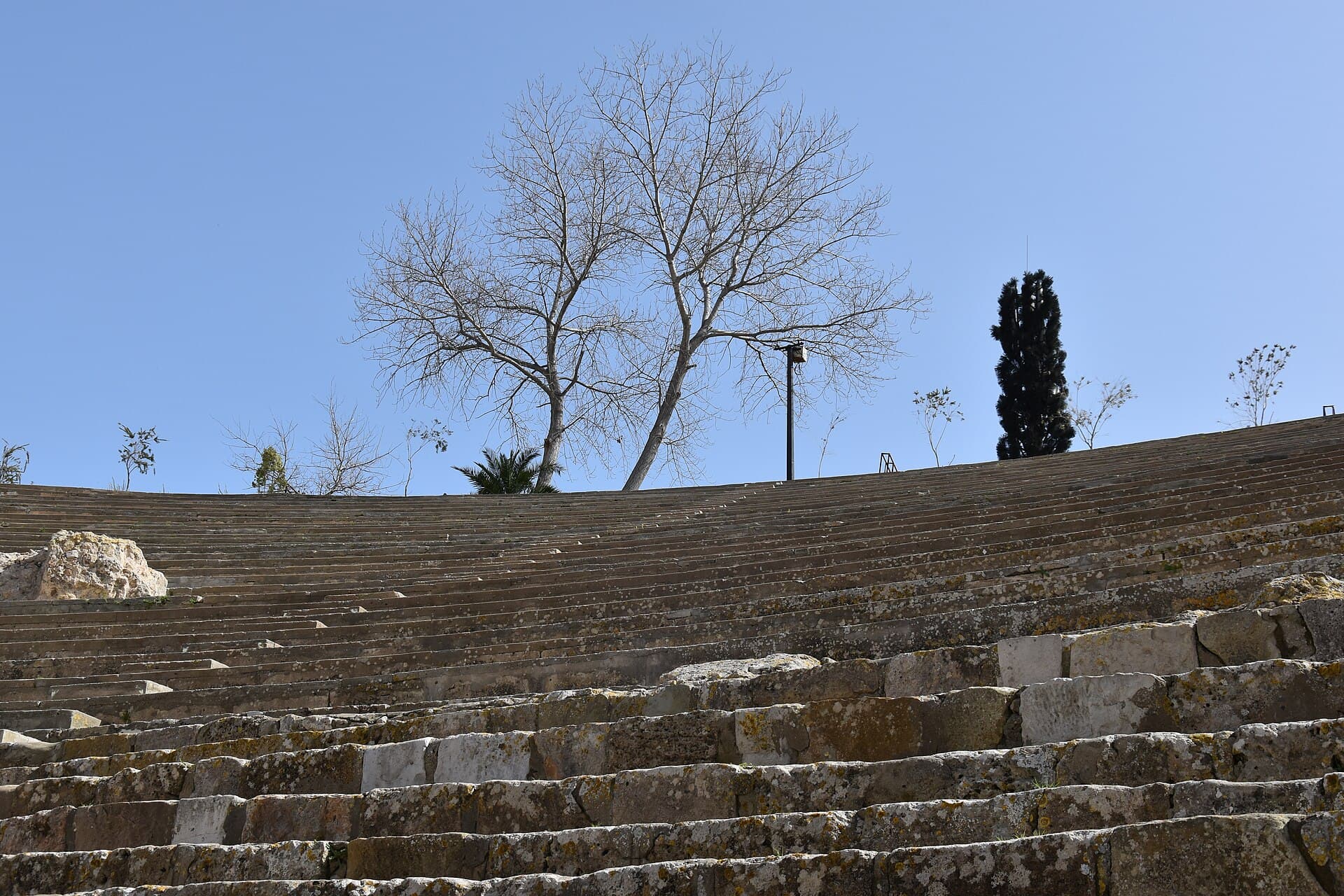 Theatre of Carthage and Roman Villas ParkA second-century Roman theatre on Odeon Hill in Carthage, extensively restored i9 minutes walk4.3
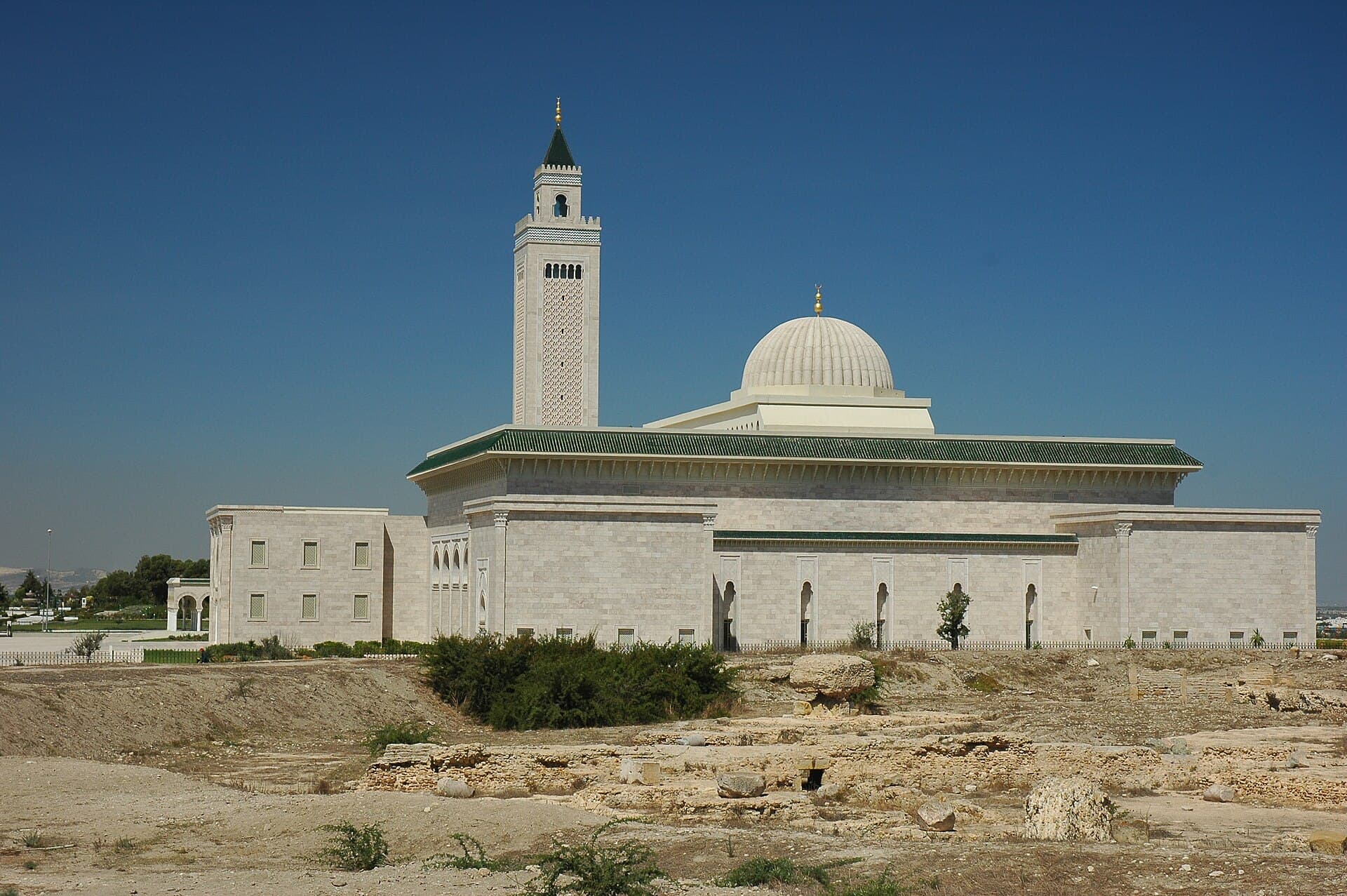 Malik ibn Anas Mosque, CarthageA large modern mosque on Odeon Hill in Carthage, built between 2000 and 2003 and10 minutes walk4.9
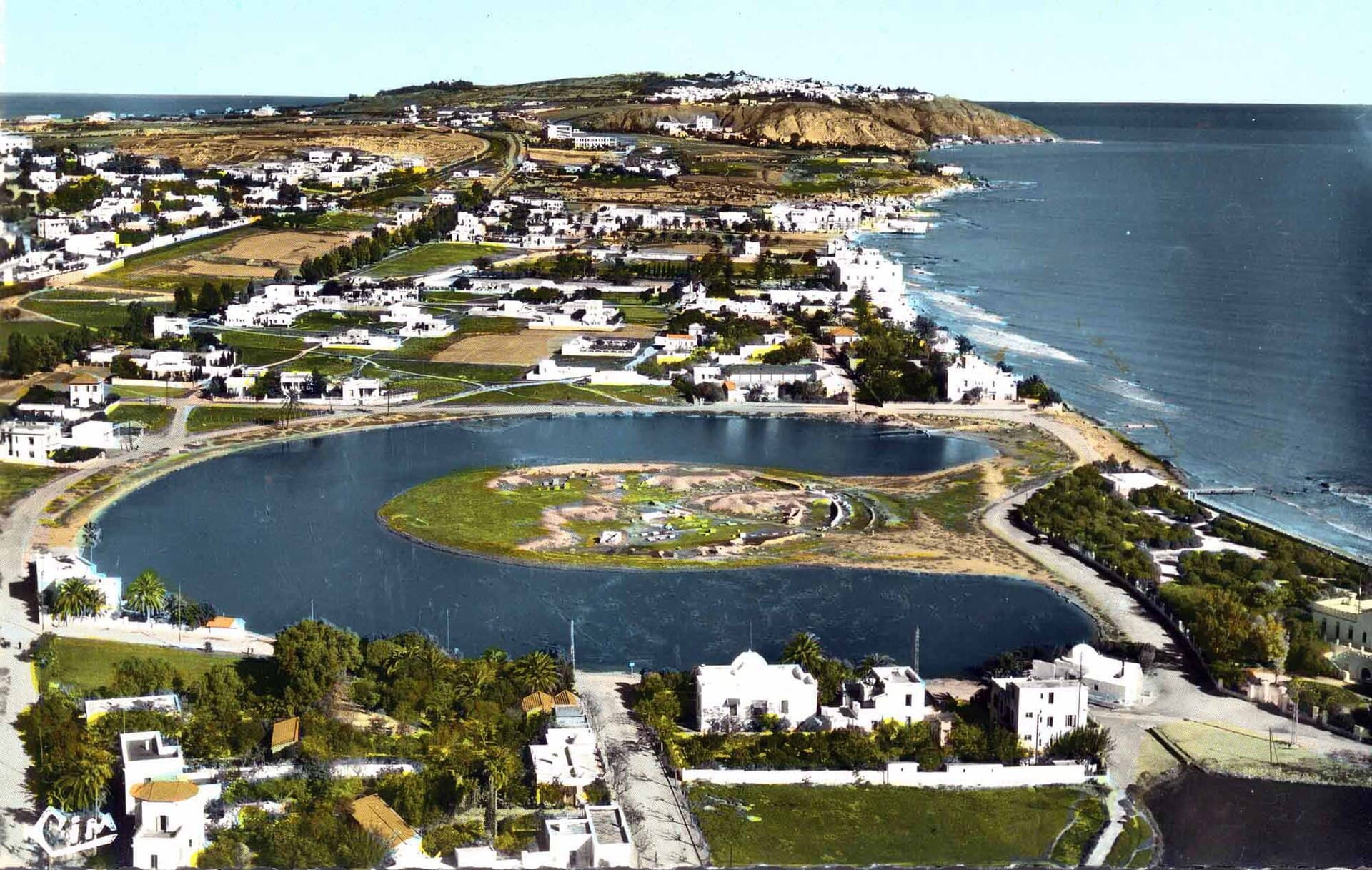 Punic Ports of CarthageThe remains of the two harbours that made Carthage a sea power: a rectangular me12 minutes walk4.2
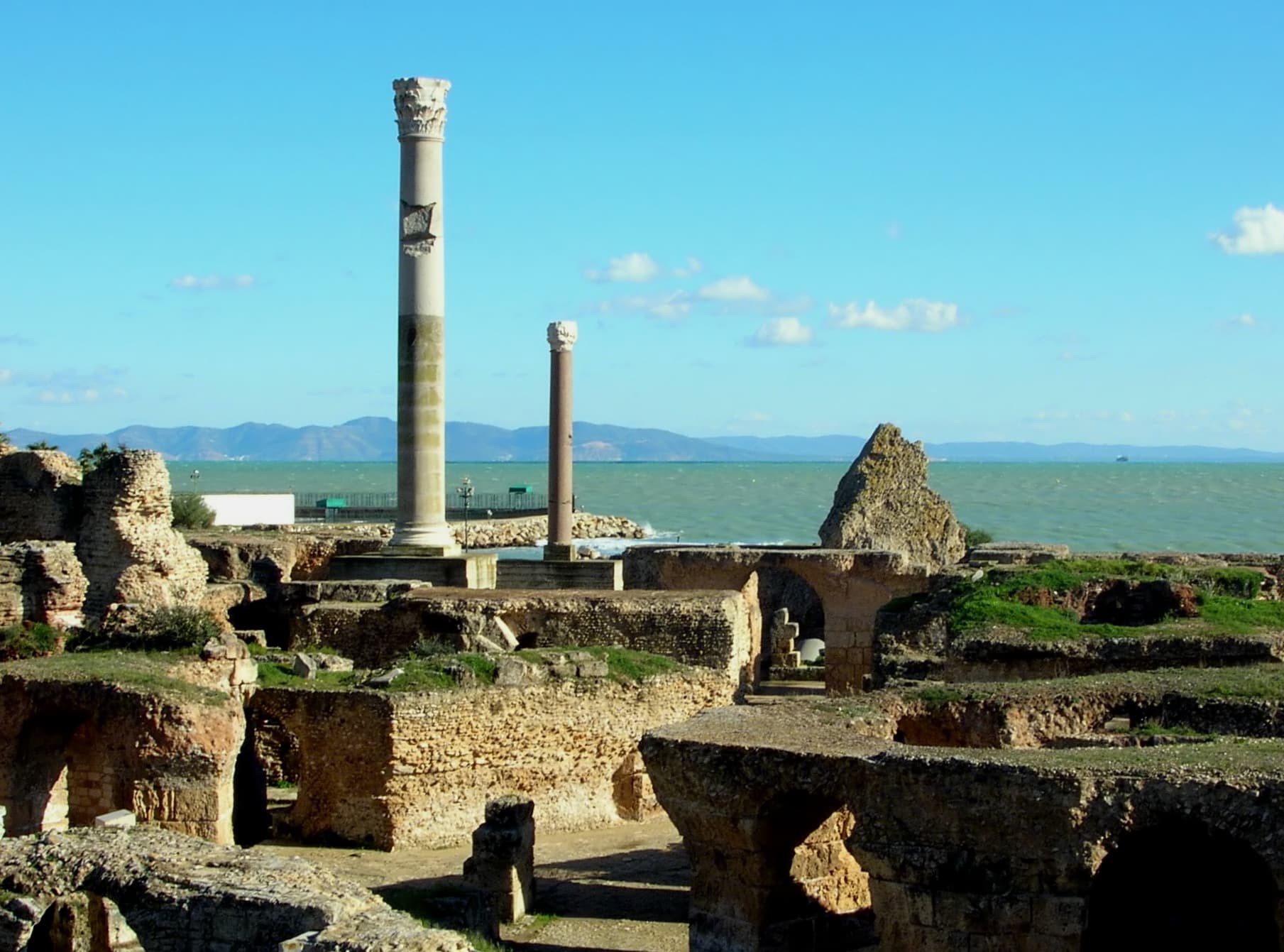 Antonine BathsThe largest Roman baths built on the African continent and one of the three larg12 minutes walk4.7
Yes, one ticket covers the main Carthage sites, including Byrsa Hill and its museum, the Antonine Baths, the theatre and the Punic ports, per visitor guides.
Take the TGM suburban train from Tunis Marine to one of the Carthage stops, about half an hour.