
Admiralty island
In the naval harbour.
Unknown authorUnknown author — Public domain · Cheima fezzani — CC BY-SA 4.0 · Manel makdoly — CC BY-SA 4.0 · Harzi Wissem — CC BY-SA 4.0
The remains of the two harbours that made Carthage a sea power: a rectangular merchant harbour linked to a circular naval harbour with an island at its centre. Today they look like two quiet lagoons ringed by houses, but their shapes are still plain from the air and from Byrsa Hill. The island at the centre of the circular harbour held the fleet's command, and around its rim and the island ran covered slipways for the warships; archaeologists estimate room for some two hundred ships. The fleet could fit out inside the naval harbour, hidden from passing vessels. A small bridge crosses to the island, where a modest display with models explains how the harbour worked, beside the stone footings of the slipways. A pleasant path rings the merchant lagoon, with small fishing boats at their moorings. The site is small and pairs well with the nearby Tophet. The Carthage ticket covers it.
In the naval harbour.
How the harbour worked.
A lagoon-side path.
Salammbô, Carthage, near Carthage Salammbô station
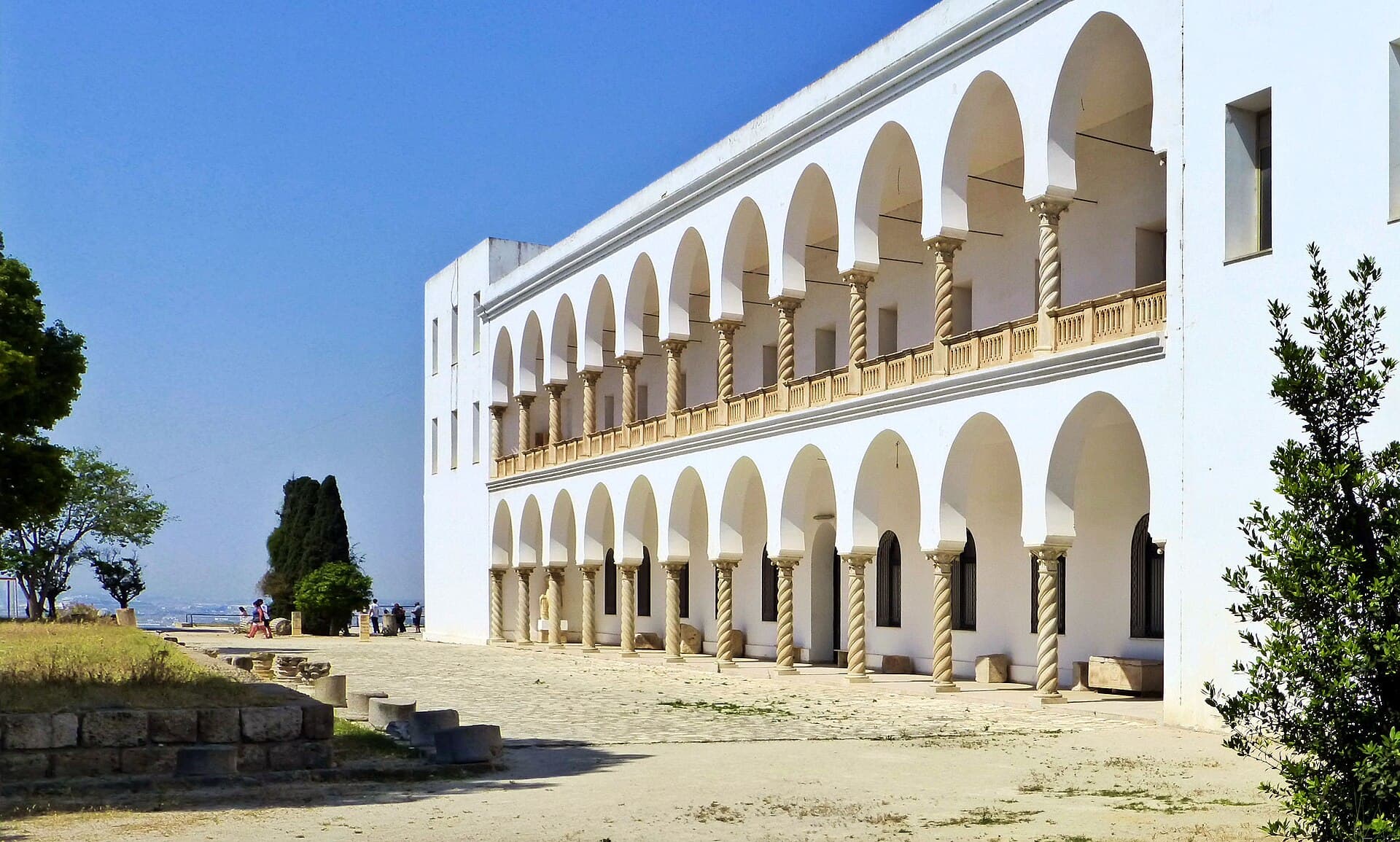 Carthage National Museum and Byrsa HillAn archaeological museum on top of Byrsa Hill, where Phoenician Carthage had its12 minutes walk4.0
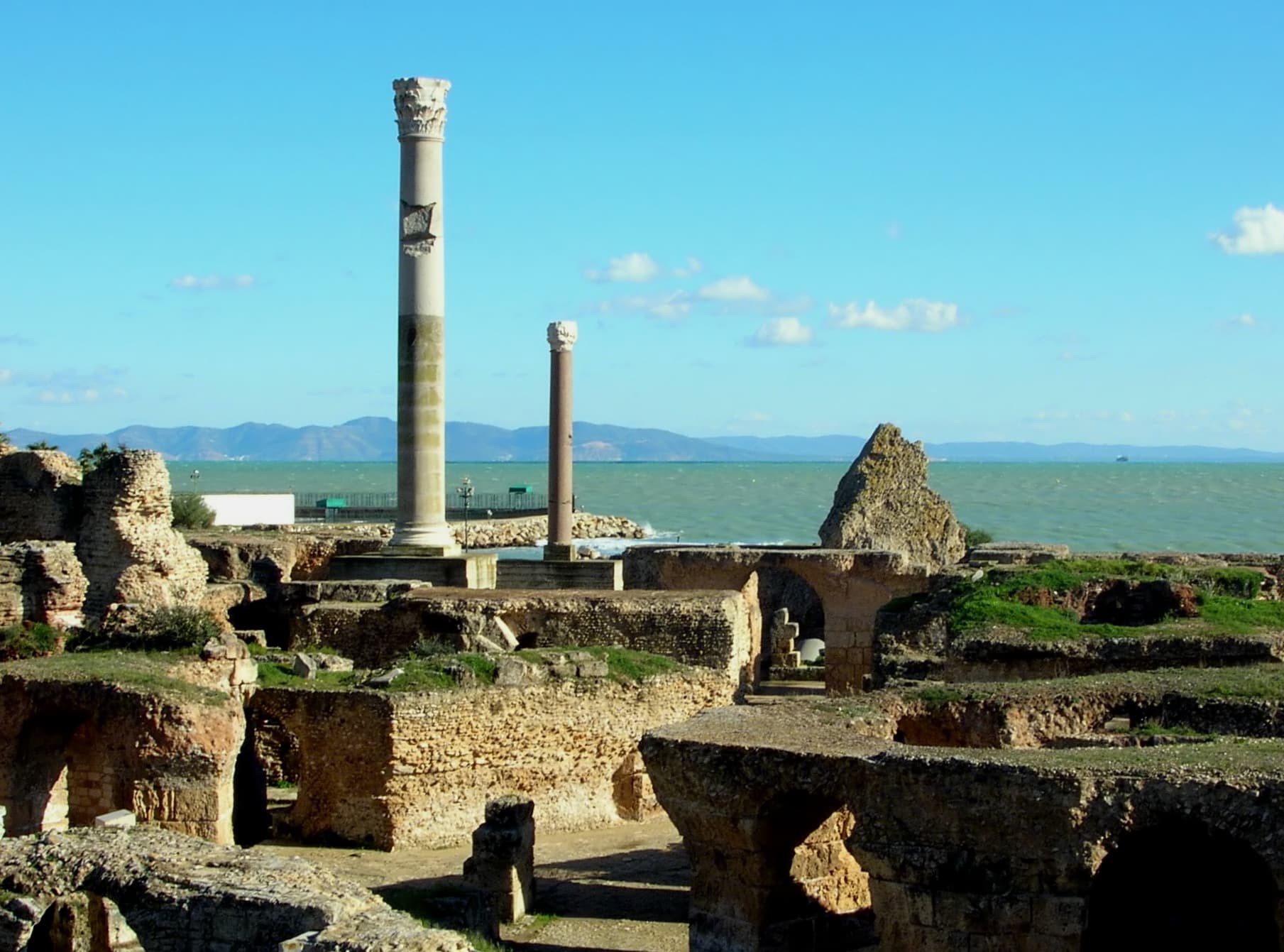 Antonine BathsThe largest Roman baths built on the African continent and one of the three larg17 minutes walk4.7
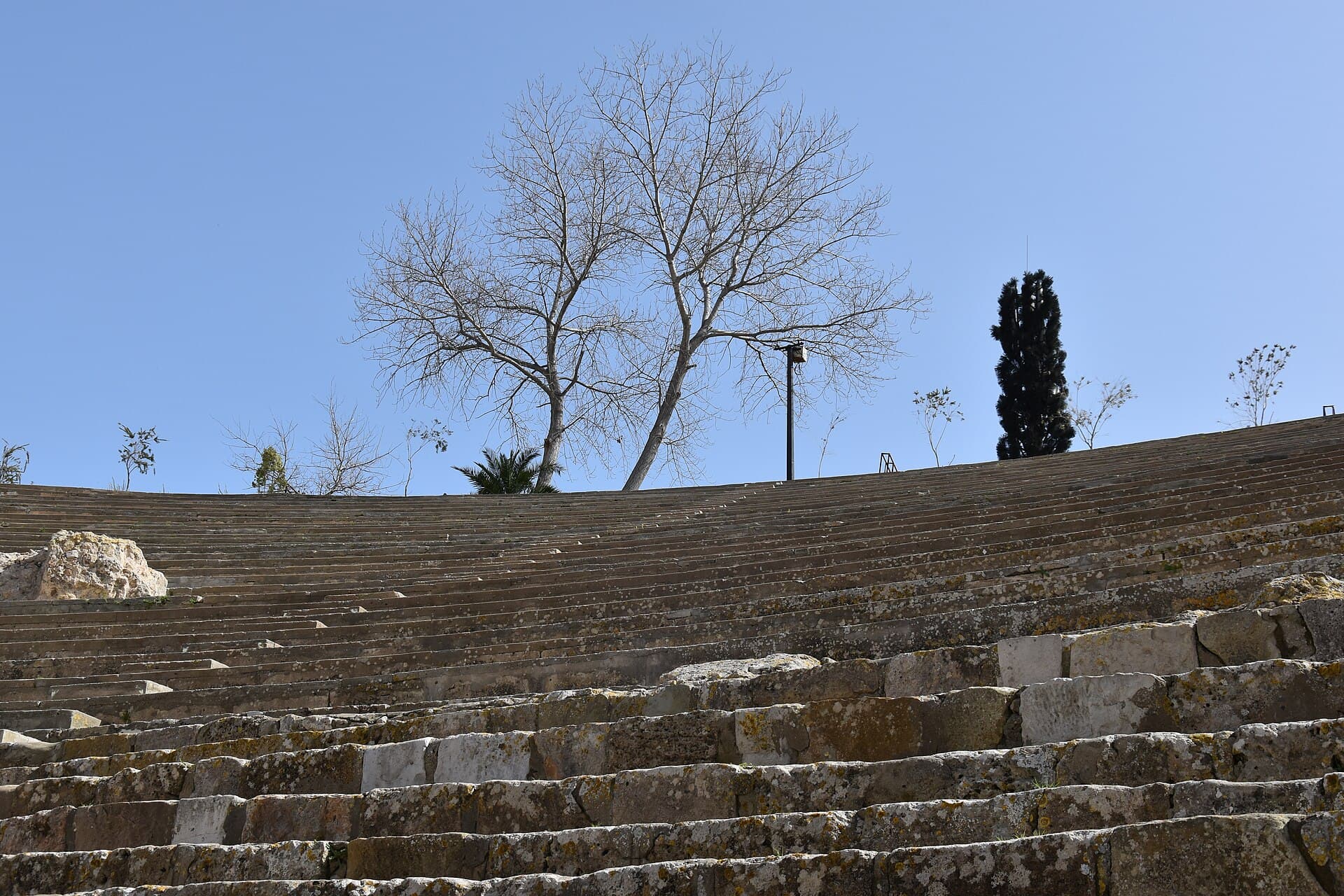 Theatre of Carthage and Roman Villas ParkA second-century Roman theatre on Odeon Hill in Carthage, extensively restored i18 minutes walk4.3
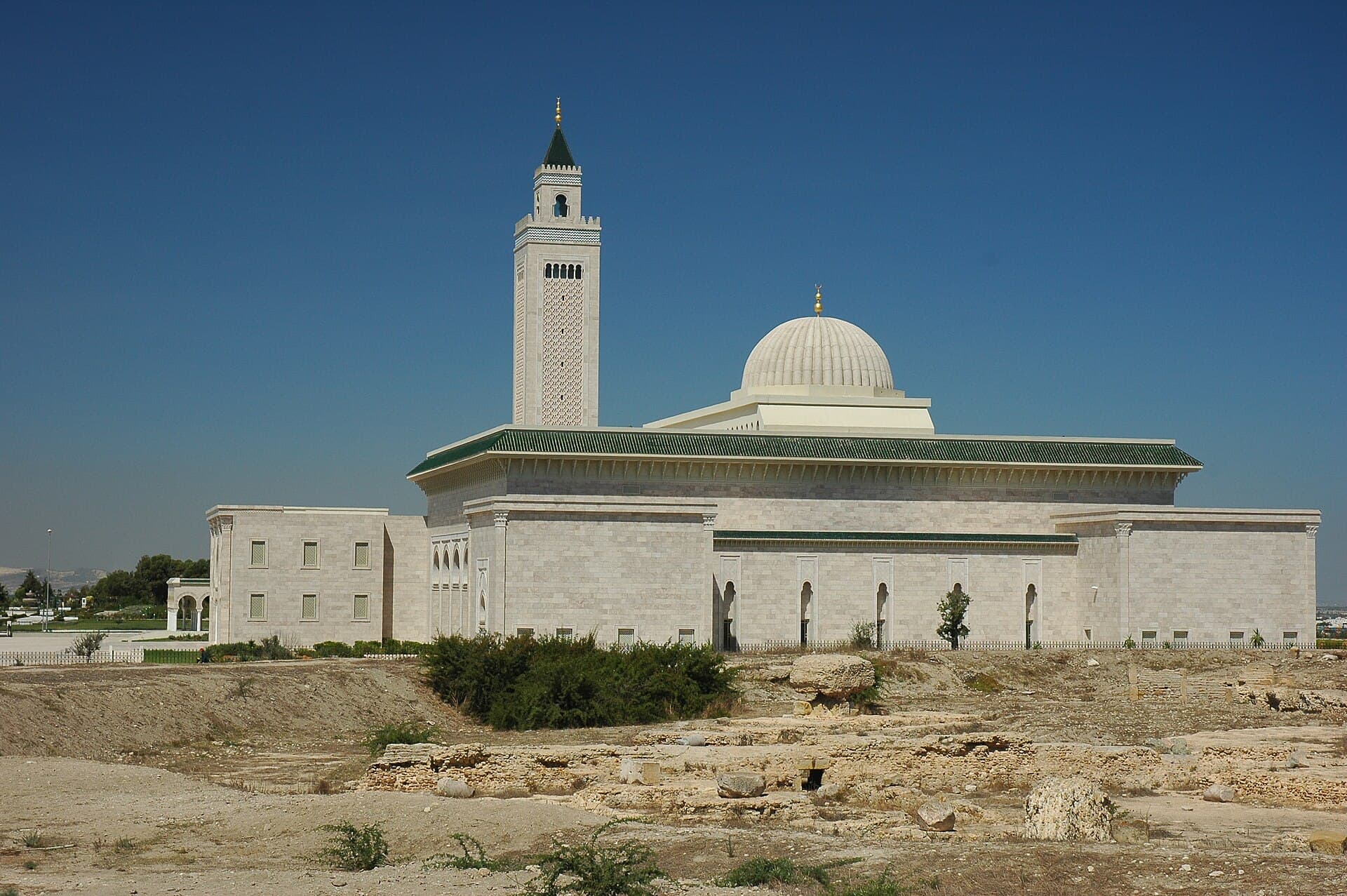 Malik ibn Anas Mosque, CarthageA large modern mosque on Odeon Hill in Carthage, built between 2000 and 2003 and20 minutes walk4.9
Two lagoons in the shape of the old harbours, and an island in the circular one with a small display, models and the footings of the slipways.