
Stelae garden
Rows of Punic stelae and cippi.
Z thomas — CC BY-SA 4.0 · Z thomas — CC BY-SA 4.0 · Z thomas — CC BY-SA 4.0 · Z thomas — CC BY-SA 4.0 · No machine-readable author provided. BishkekRocks assumed (based on copyright claims). — Public domain
The Tophet is the sacred precinct where Punic Carthage buried urns holding the cremated bones of infants and young animals, mostly lambs and kids, beneath stones dedicated to the goddess Tanit and the god Baal Hammon. Used from the 8th century BC until Rome destroyed the city in 146 BC, it received an estimated 20,000 urns, laid layer upon layer. It is part of UNESCO's Carthage World Heritage Site, listed in 1979. Stray stelae had been turning up since 1817, but the sanctuary itself was found through clandestine digging in 1921. An American team excavated it in 1925, and another in 1976-1979 during UNESCO's campaign to save Carthage. The word tophet comes from a place near Jerusalem named in the Hebrew Bible, and the quarter takes its name from Flaubert's 1862 novel Salammbô. Whether the children were sacrificed or died naturally around birth is still debated. A small garden holds rows of stelae and cippi, mostly sandstone from El Haouaria on Cap Bon, some carved with simple symbols such as the sign of Tanit. Under Roman-era vaults, a tunnel-like passage shelters offerings still in the earth and a few later limestone stelae. Excavators also found the footings of a Roman temple to Saturn here. The site is on Rue Hannibal, a few minutes' walk from Carthage Salammbô station on the TGM line from Tunis and about 500 m from the Punic Ports. Allow 30 to 60 minutes, then head north to Byrsa Hill and the Antonine Baths, 1.3 km and 1.8 km away as the crow flies.
Rows of Punic stelae and cippi.
Offerings still lying in the earth.
Carved on some of the stones.
Rue Hannibal, Salammbô, Carthage, near Carthage Salammbô station
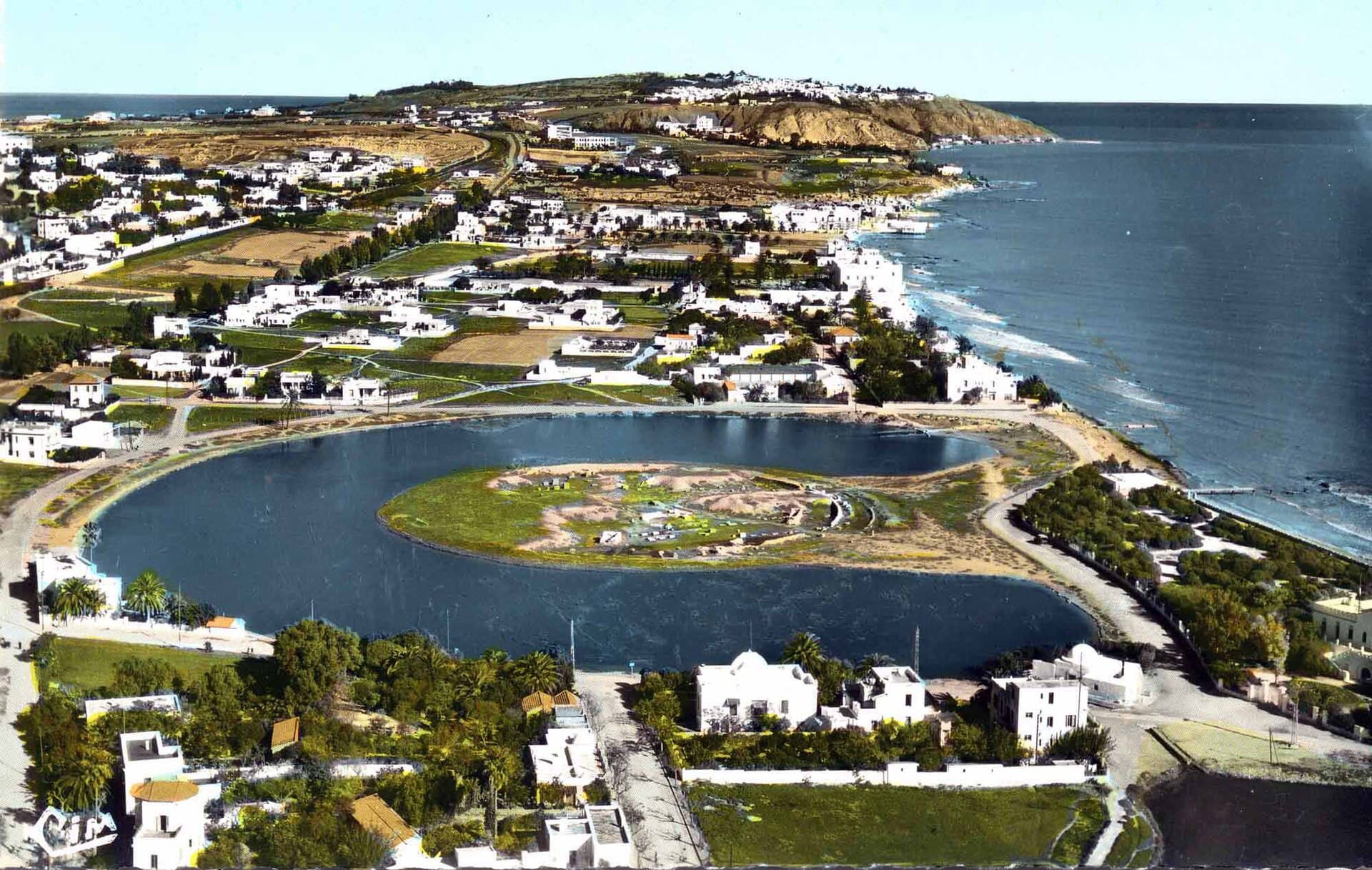 Punic Ports of CarthageThe remains of the two harbours that made Carthage a sea power: a rectangular me6 minutes walk4.2
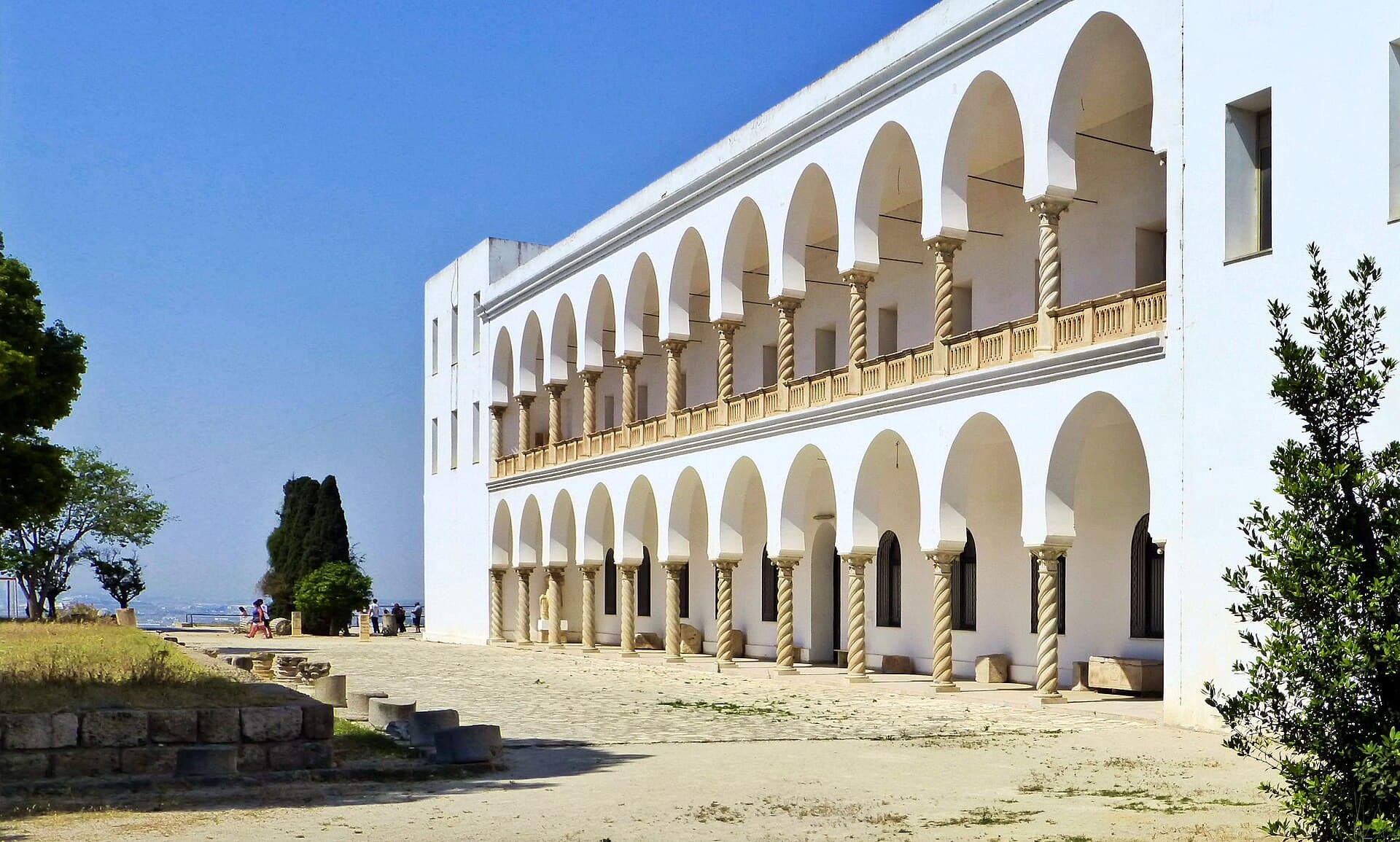 Carthage National Museum and Byrsa HillAn archaeological museum on top of Byrsa Hill, where Phoenician Carthage had its17 minutes walk4.0
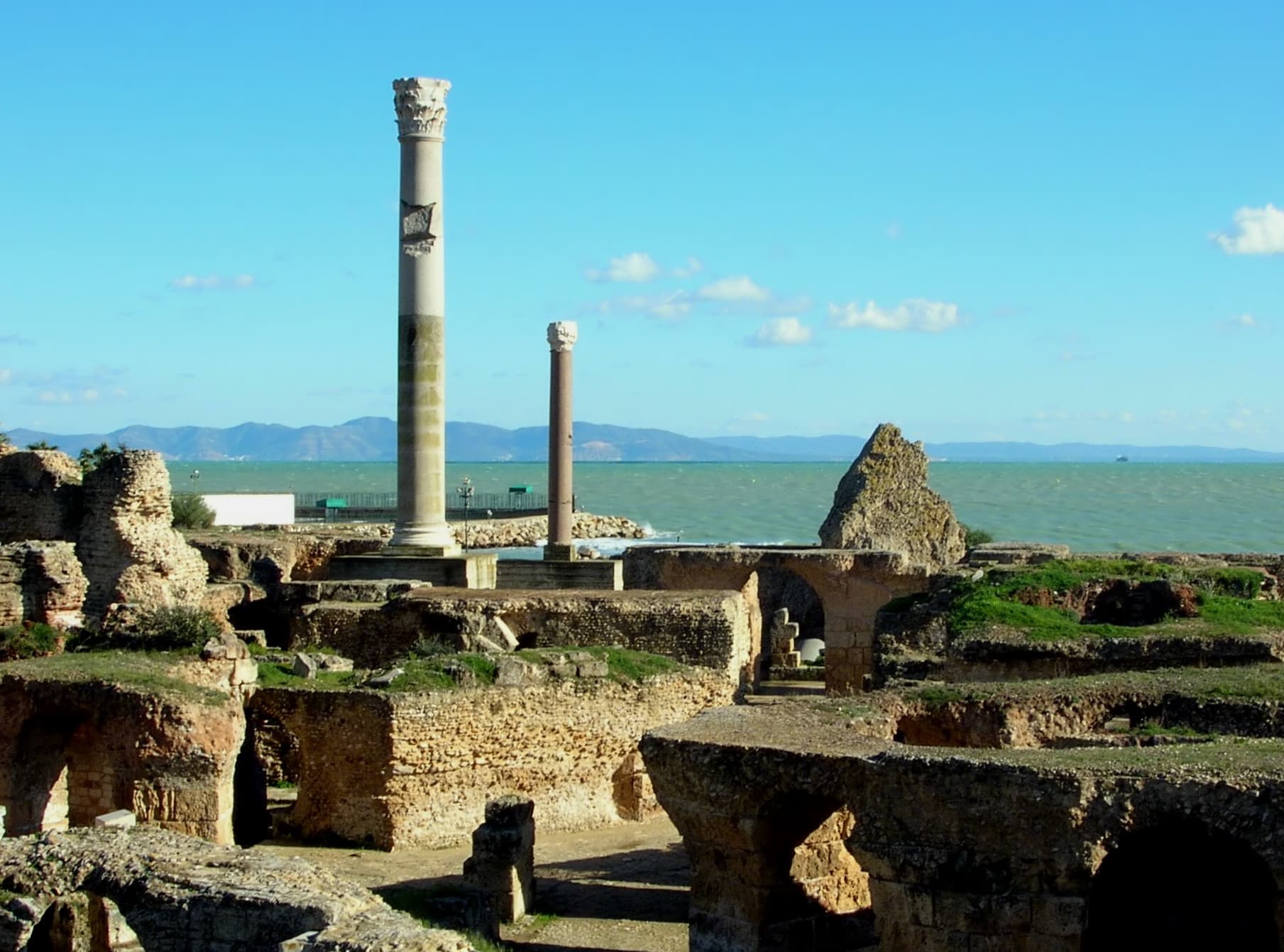 Antonine BathsThe largest Roman baths built on the African continent and one of the three larg22 minutes walk4.7
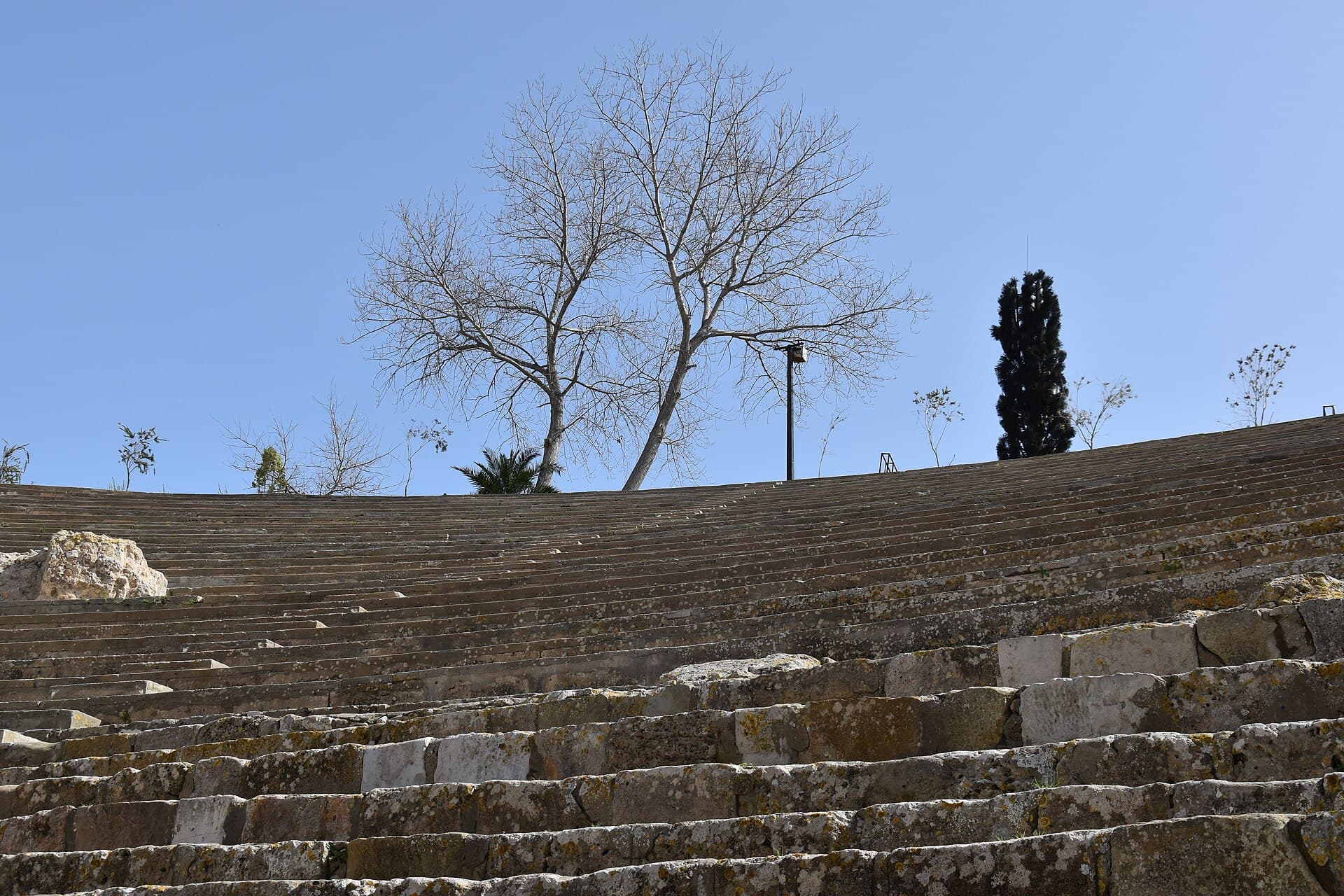 Theatre of Carthage and Roman Villas ParkA second-century Roman theatre on Odeon Hill in Carthage, extensively restored i24 minutes walk4.3
The question is still open. Greek writers such as Diodorus and Plutarch described child sacrifice at Carthage while Herodotus and Polybius are silent, and two teams studying the same urns reached opposite views: a cemetery for babies who died around birth, or infants sacrificed at about one to one and a half months old.
According to the national heritage agency, 08:30-17:00 in winter, 08:00-18:00 in summer and 08:00-17:00 during Ramadan. Tunisians and residents enter free on the first Sunday of each month and on public holidays; reports differ on whether foreign visitors do too.