
The recycled reliefs
Compare the panels: some are Trajanic and superbly cut, others fourth-century and simpler — an art history lesson in one monument.
NikonZ7II (Paris Orlando) — CC BY-SA 4.0 · Pierre Goiffon — CC BY-SA 4.0 · Álvaro de la Paz Franco — CC0 · Álvaro de la Paz Franco — CC0
The largest and most complete surviving Roman triumphal arch: twenty-one metres of marble with three openings, raised in AD 315 for Constantine's victory at the Milvian Bridge — the battle that redirected history, since it preceded his adoption of Christianity. It carries an irony historians relish: most of its sculpture is not of its own era. Reliefs were taken from monuments of Trajan, Hadrian and Marcus Aurelius and reused, with earlier emperors' heads recut into Constantine's. The likely reason: a decline in fourth-century carving skill, or a wish to bind the new emperor to his predecessors' glory — or both. Compare the panels and you can see the difference in quality with the naked eye. It stands metres from the Colosseum gate, entirely free and ticketless, and takes no more than ten minutes. Photograph it from the Via dei Fori Imperiali side to get the Colosseum behind it in the same frame.
Compare the panels: some are Trajanic and superbly cut, others fourth-century and simpler — an art history lesson in one monument.
Earlier emperors' faces reworked into Constantine's — a close look reveals one of Roman propaganda's neatest tricks.
Between the Colosseum and the Palatine, Rome
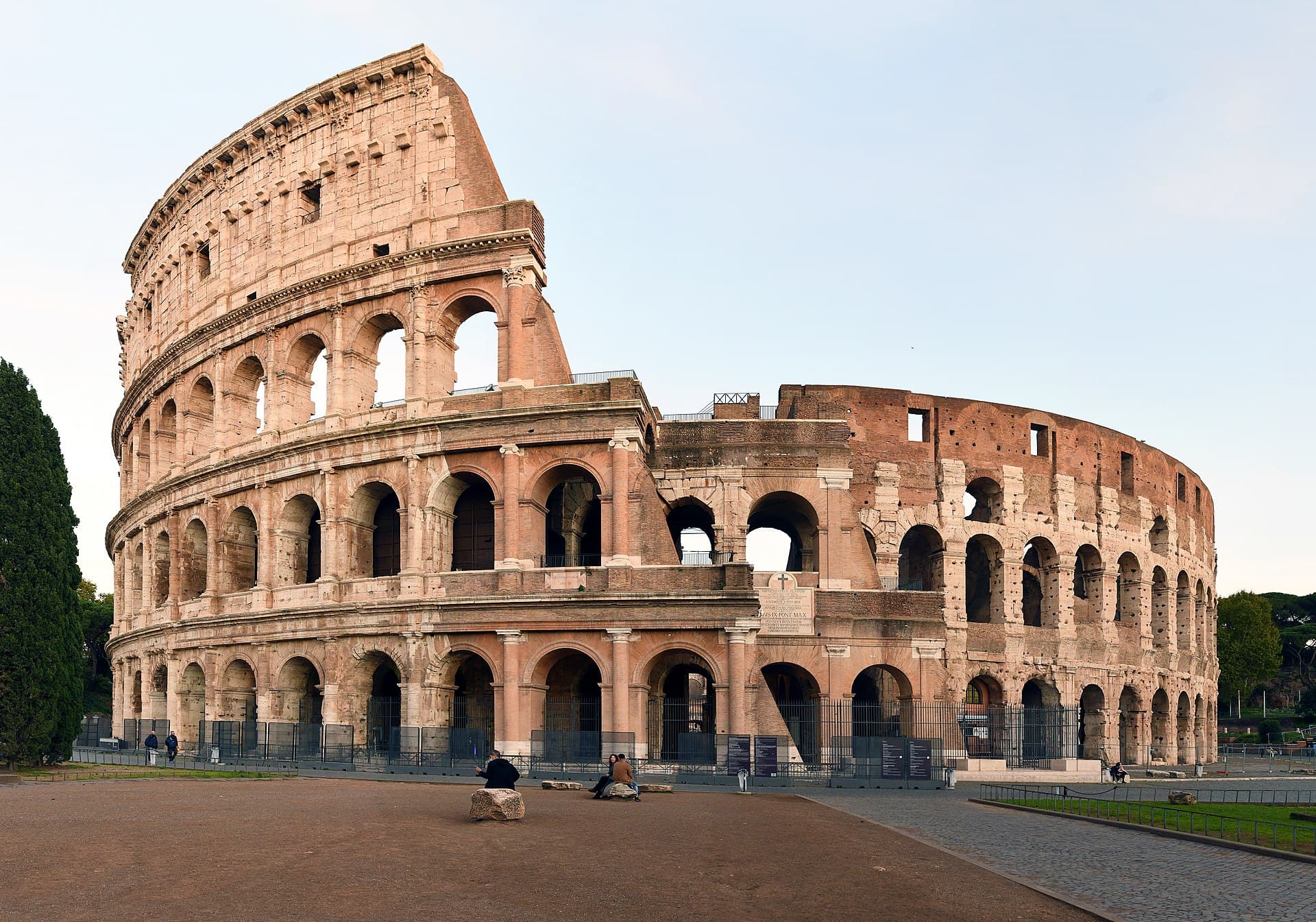 ColosseumNothing prepares you for the first moment: you step out of the metro and the gre2 minutes walk4.7
 The Basilica of MaxentiusThe largest building in the Roman Forum, of which three enormous vaults of concr4 minutes walk4.6
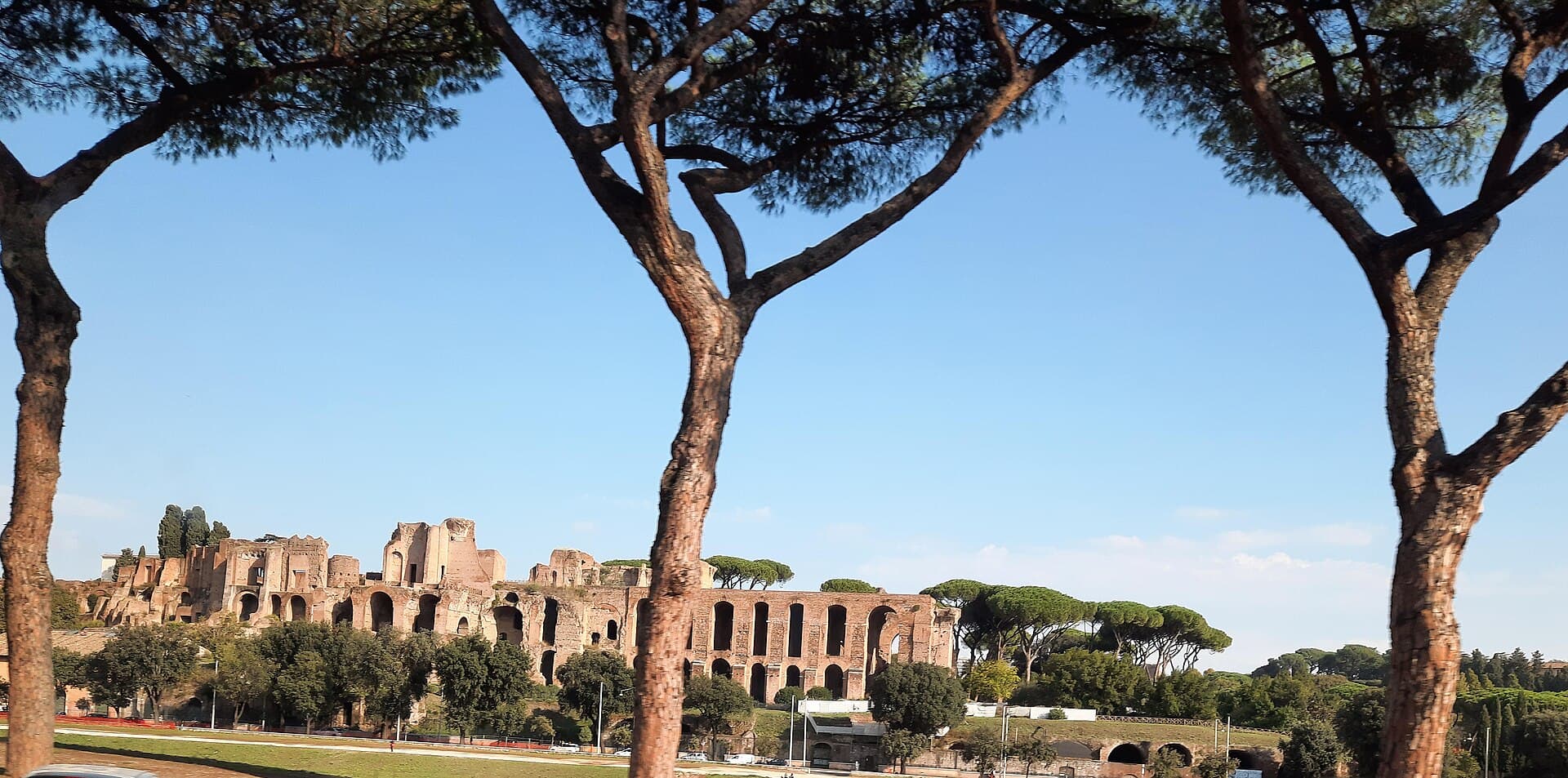
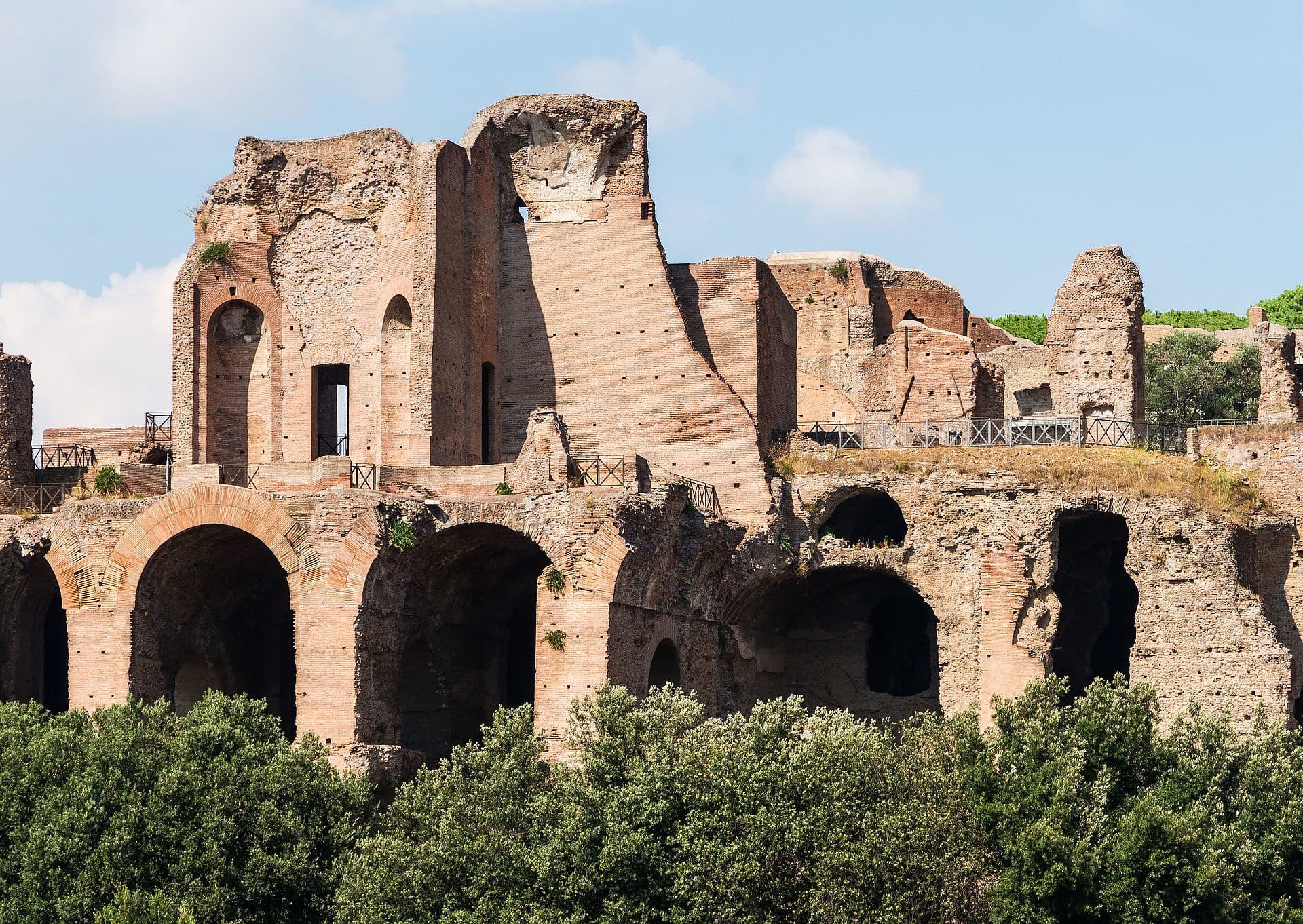 Palatine HillAll of Rome began on this hill: here, by legend, Romulus founded the city in 7534 minutes walk4.6
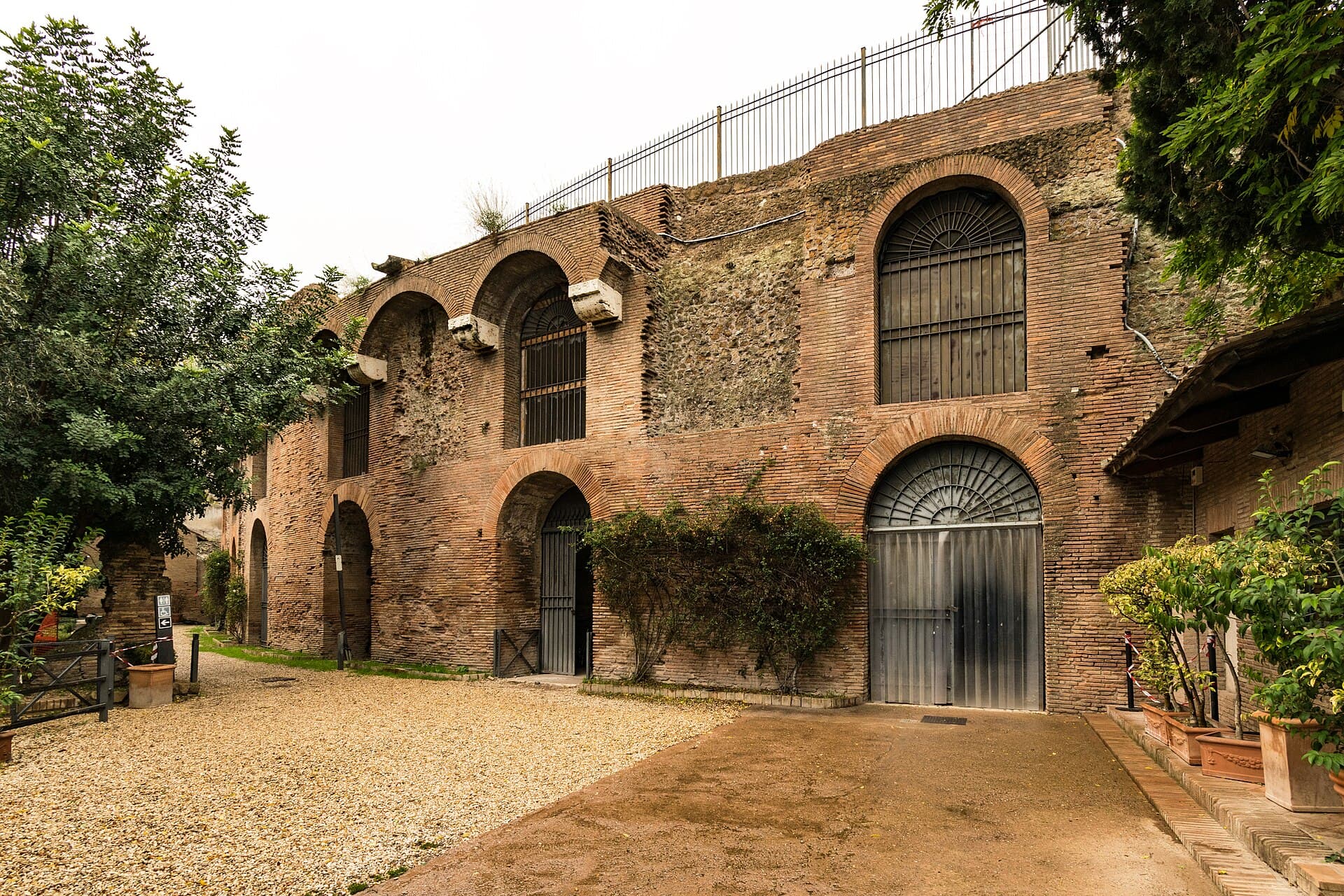 Domus Aurea (Nero's Golden House)After Rome's great fire (64 AD) Nero built himself the Golden House: a colossal 5 minutes walk4.7
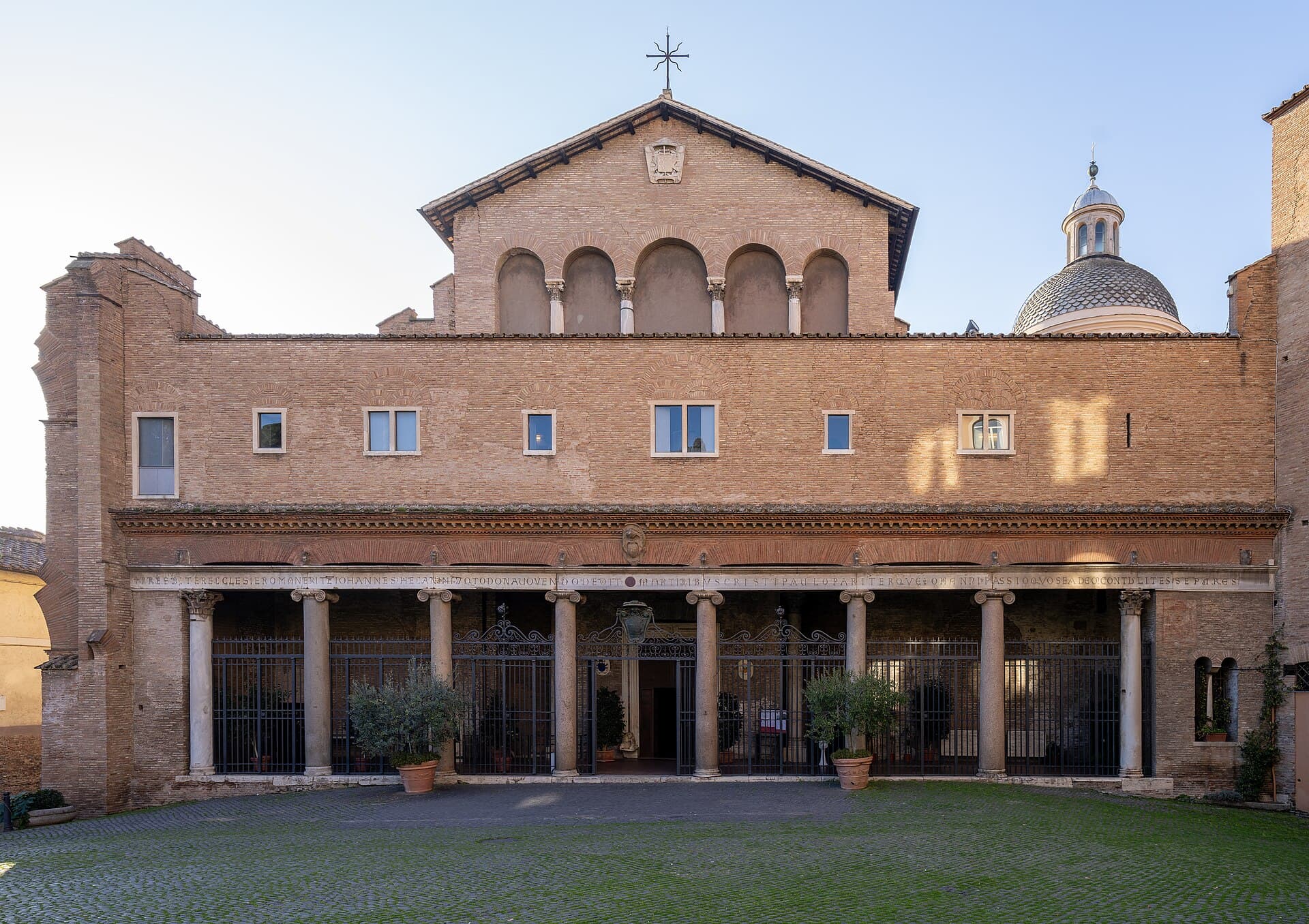 Case Romane del Celio (Roman Houses of the Caelian)In 1887 a priest named Germano, rector of the church of Santi Giovanni e Paolo o5 minutes walk4.6
Looking for halal food near Arch of Constantine? There are several options nearby, from Moroccan and Indian kitchens to quick casual spots and places with a view. Confirm the halal status and opening hours before you go — these can change.
No — a low protective fence has surrounded it for years, but you get close enough to read the reliefs clearly.