
The Proserpina nymphaeum
A water court whose wall carries a large 3rd-century marine scene, usually read as Proserpina returning from Hades, with winged cupids fishing and sailing around her.
Tyrhénienne — CC BY 4.0 · Jebulon — CC BY-SA 3.0 · Carlo Pelagalli — CC BY-SA 3.0 · Weldon Kennedy from London, UK — CC BY 2.0
In 1887 a priest named Germano, rector of the church of Santi Giovanni e Paolo on the Caelian Hill, decided to find out what lay under his own floor. What he found was not a crypt or a burial vault but an entire Roman residential block: more than twenty rooms, thirteen of which still hold their colour on the walls. It sits a ten-minute walk from the Colosseum, and thousands of people pass over it every day without a suspicion that anything is down there. What you walk through below is not one house but layers of time stacked on each other: a multi-storey apartment block raised in the 2nd and early 3rd centuries AD over older houses, absorbed around the turn of the 4th century into a single elegant home for a wealthy family. The finest room is the nymphaeum, a water court whose wall carries a large marine scene - usually read as Proserpina returning from Hades, though some see a sea-borne Venus instead - with winged cupids fishing and sailing around her. There is the Hall of the Orant, painted in the early 4th century, with a woman standing with her hands raised in prayer. And strangest of all is the confessio, a small chamber painted with a martyrdom - among the oldest surviving images of Christian martyrdom in Rome. Finding paganism and Christianity on adjacent walls of the same house is precisely what makes this site matter; the scale of the spectacle is not. Be honest with yourself before you book. If this is your first visit to Rome and you have three days, skip it without regret - the Colosseum, the Vatican and San Clemente have the better claim on your time, and San Clemente in particular gives you the same idea of stacked centuries with far more drama. But if this is your second or third visit, or you are the kind of traveller who would rather stand in a room with five people than a queue of five hundred, this is one of Rome's best hours: forty minutes to an hour, a cheap ticket, and cool underground air in July. Practically: the basilica above is free, entered from the square, and has nothing to do with the ticket for the houses below - two entirely separate visits, and plenty of people walk into the church and leave thinking they have seen the site. The entrance to the houses is on the lane called Clivo di Scauro, which is worth the walk in itself: ancient stone arches vaulting the street over your head, free and unticketed. Hours are short - 10:00 to 16:00, currently every day of the week and holidays, with the ticket desk shutting an hour before - and the weekly closing day has changed more than once in recent years, so much so that some listings still show a Tuesday or Thursday closure; check the official site before you climb the hill. With children, the Villa Celimontana park next door is free and shaded and makes up for any boredom underground.
A water court whose wall carries a large 3rd-century marine scene, usually read as Proserpina returning from Hades, with winged cupids fishing and sailing around her.
A small chamber painted with a late-4th-century martyrdom scene, among the oldest surviving images of Christian martyrdom anywhere in Rome.
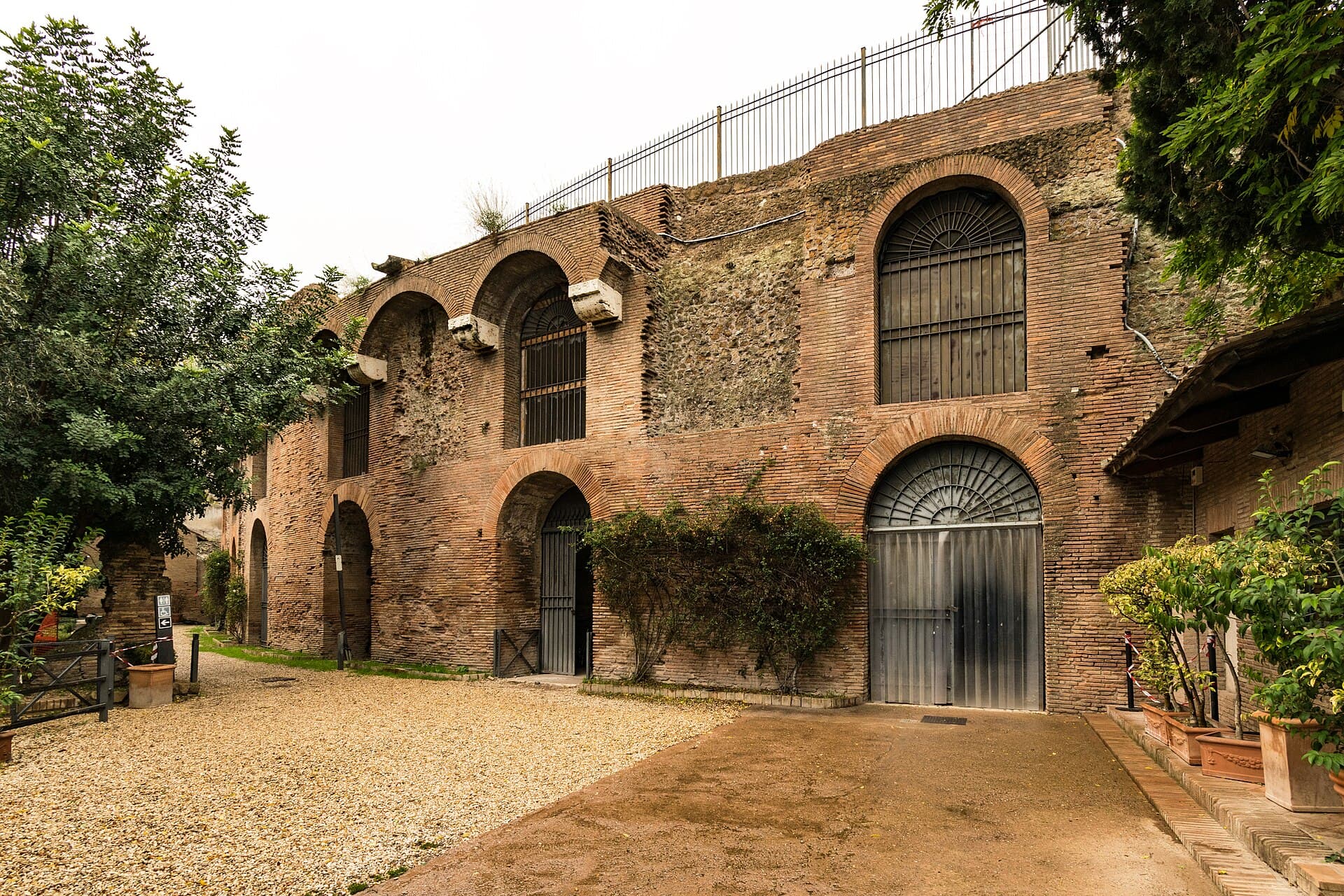
The lane leading to the entrance is vaulted by ancient stone arches overhead, free to walk and photograph without any ticket.
Clivo di Scauro, beside Piazza dei Santi Giovanni e Paolo, 00184 Rome
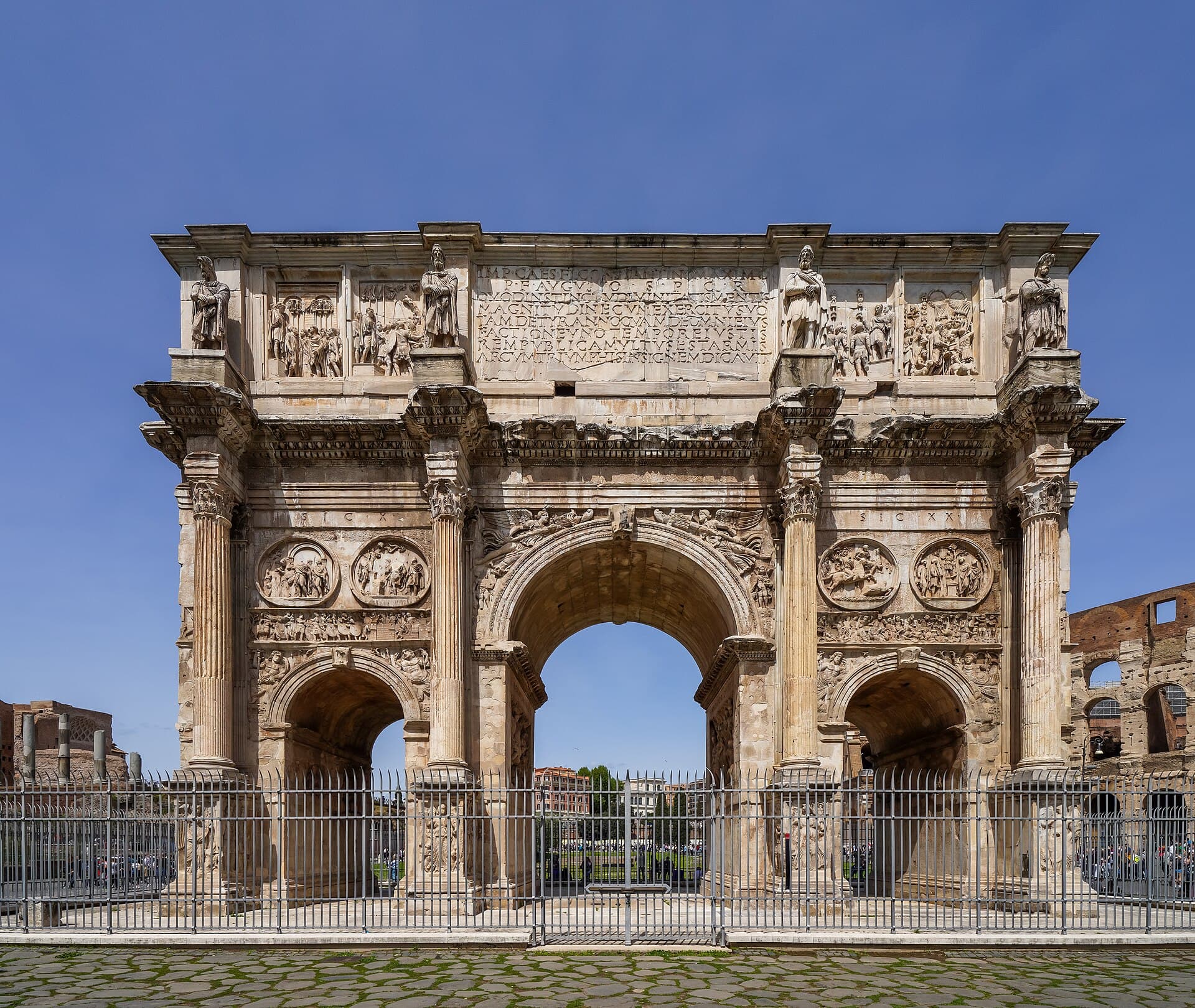 Arch of ConstantineThe largest and most complete surviving Roman triumphal arch: twenty-one metres 5 minutes walk4.7
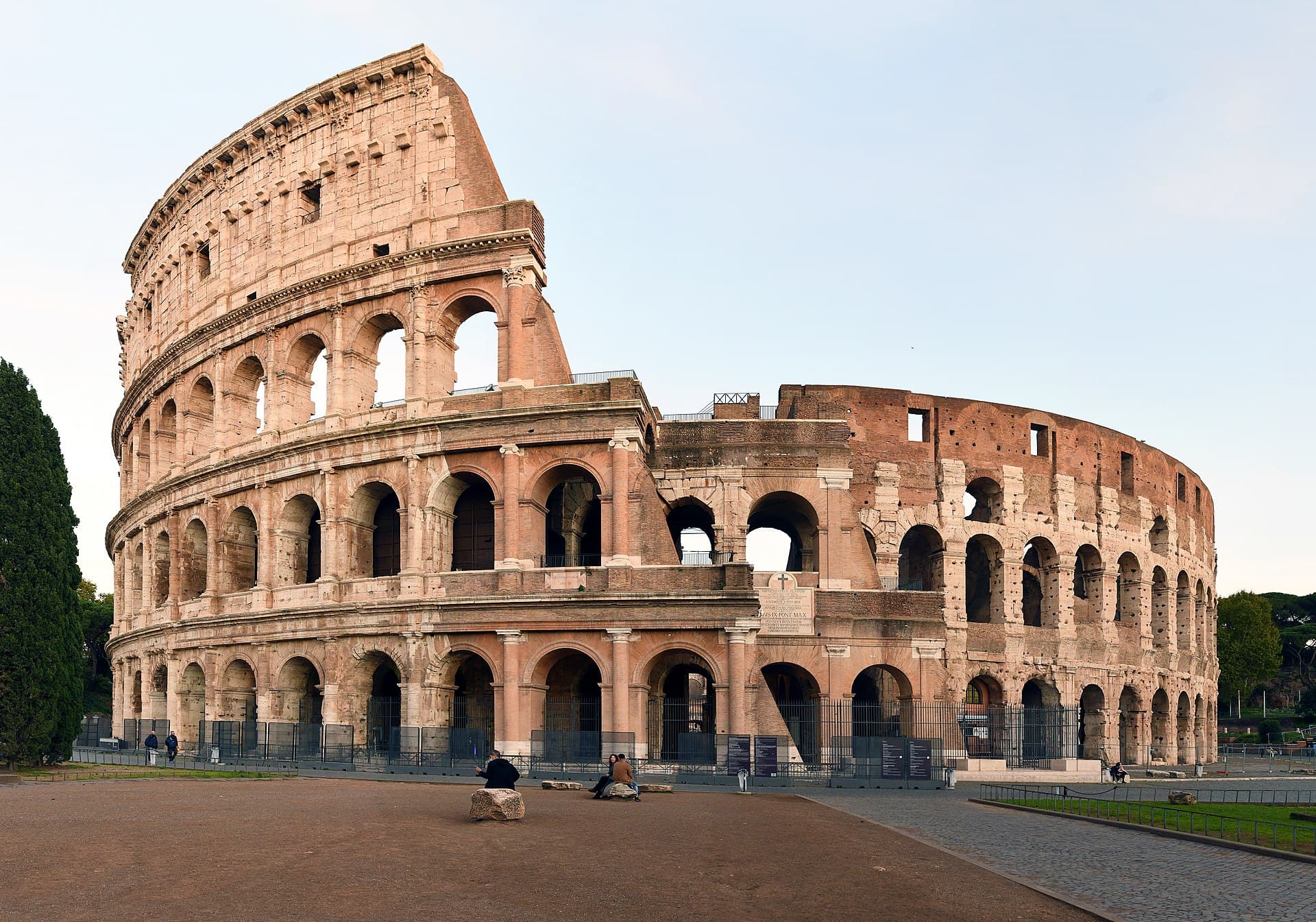 ColosseumNothing prepares you for the first moment: you step out of the metro and the gre5 minutes walk4.7
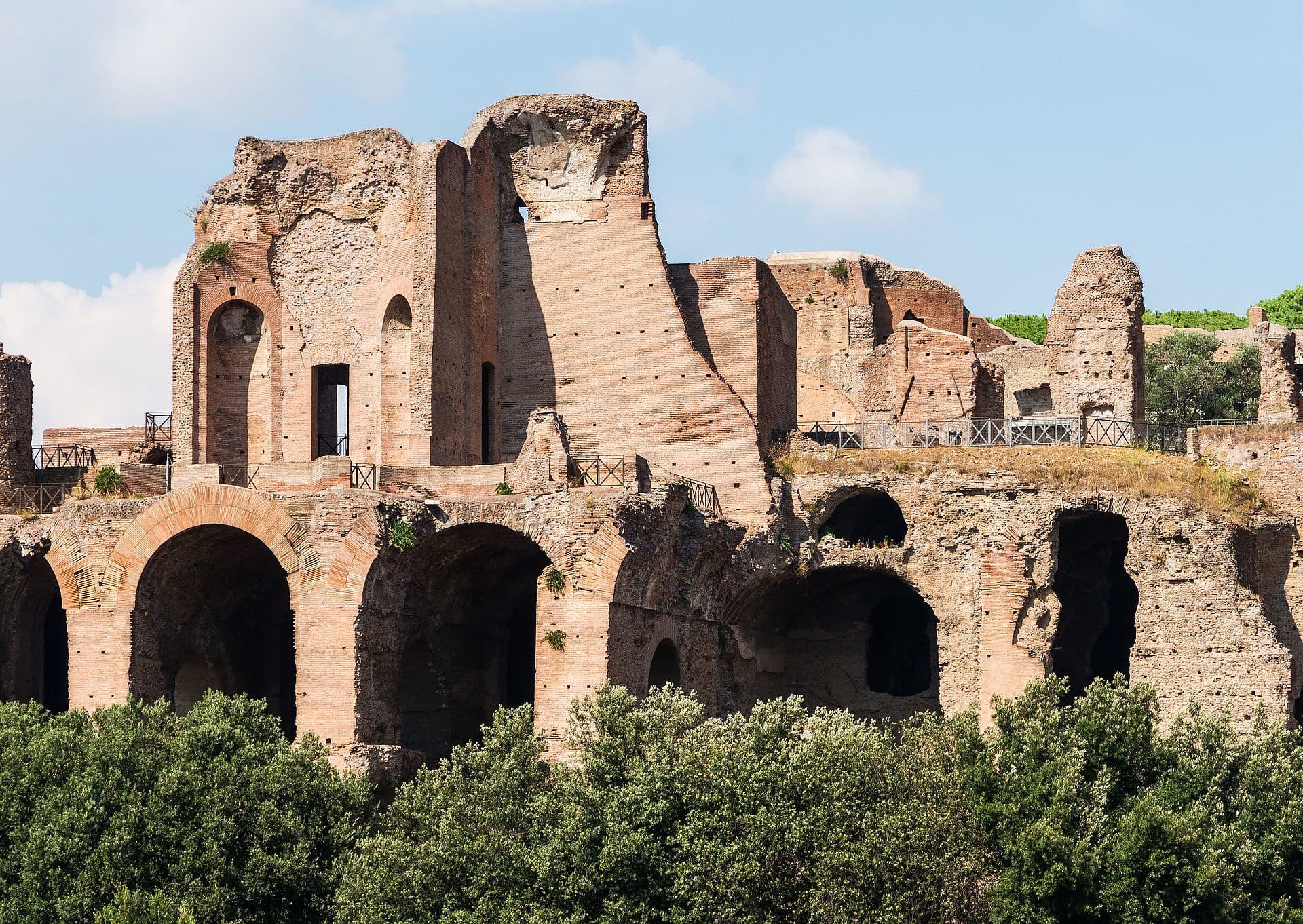 Palatine HillAll of Rome began on this hill: here, by legend, Romulus founded the city in 7537 minutes walk4.6
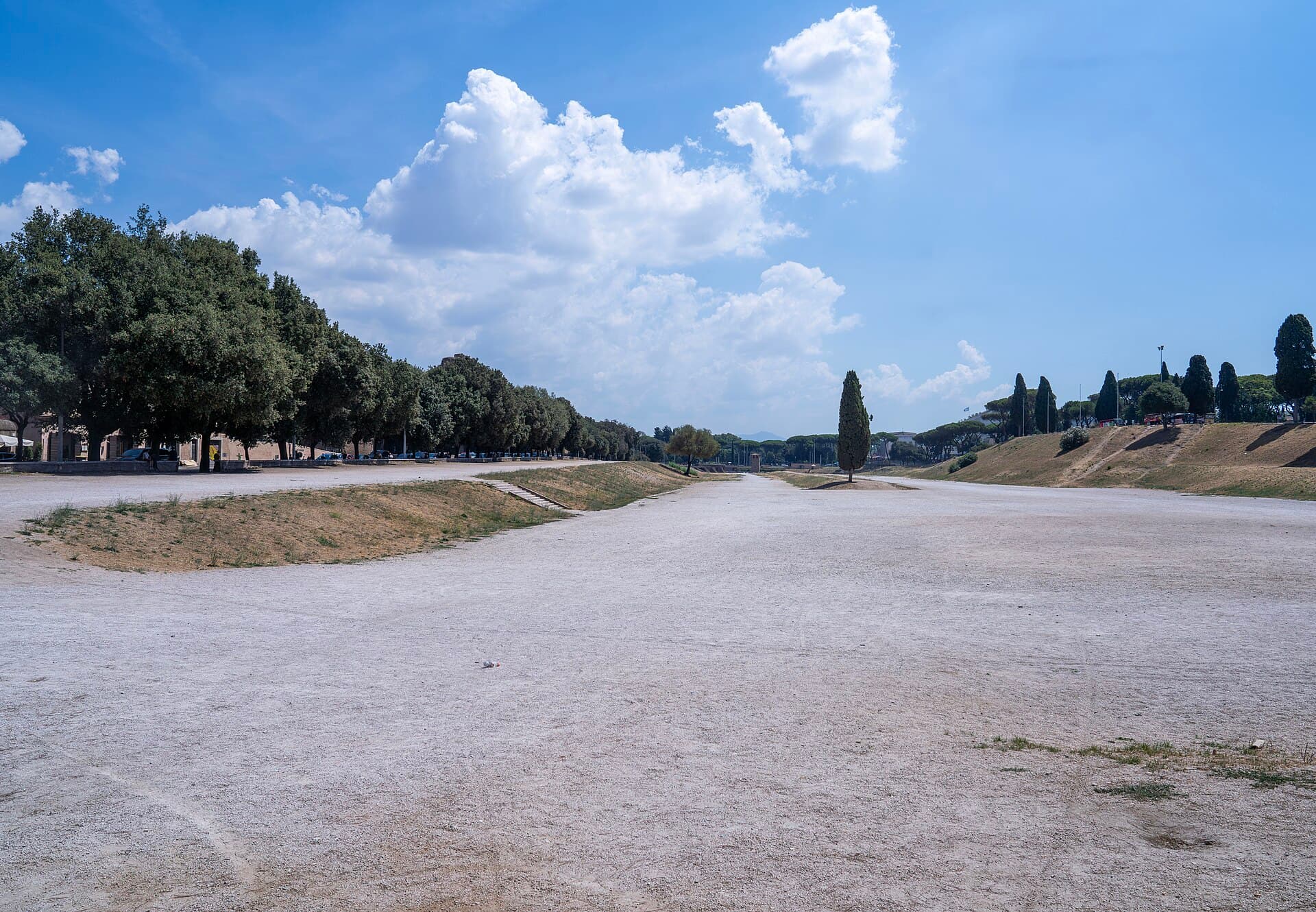 Circus MaximusThe largest stadium in history: a long valley between the Palatine and Aventine 7 minutes walk4.6
 Domus Aurea (Nero's Golden House)After Rome's great fire (64 AD) Nero built himself the Golden House: a colossal 8 minutes walk4.7
Looking for halal food near Case Romane del Celio (Roman Houses of the Caelian)? There are several options nearby, from Moroccan and Indian kitchens to quick casual spots and places with a view. Confirm the halal status and opening hours before you go — these can change.
No, honestly. Three days barely covers the Colosseum, the Forum, the Vatican and the Pantheon, and this is a small specialist site that gives little to a traveller who has not yet had their fill of the obvious Rome. Save it for a second visit, or drop in only if you happen to be staying on the Caelian with a free hour before the 16:00 closing.
San Clemente is vertical - you descend three layers from a 12th-century church down to a Mithraic temple, and it is the better choice if you only have room for one. The Caelian houses are horizontal: a whole residential block on more or less a single level, and their strength is the wall painting rather than the descent. Seeing both gives you the fuller picture; seeing one, choose San Clemente.