
The hypogeum
The arena's under-vaults with their lifts and corridors — a supplement worth paying: this is where the Roman spectacle machine worked out of sight.
FeaturedPics — CC BY-SA 4.0 · ThePhotografer — CC BY-SA 4.0 · Sjaak Kempe from Groningen, The Netherlands — CC BY 2.0 · Anderson, James (1813-1877 ; photographe). Photographe — Public domain
Nothing prepares you for the first moment: you step out of the metro and the greatest amphitheatre Rome ever built stands directly before you — eighty arches, stone worn by twenty centuries without losing an ounce of authority. The Colosseum opened in AD 80 with a hundred days of games, seating fifty thousand spectators who entered and left within minutes through a system of passages engineers still study today. Beneath the partly reconstructed wooden floor lies the hypogeum: the labyrinth of vaults and lifts that raised animals and gladiators into the arena, appearing suddenly before the crowd. Above, the tiered seating mirrored Roman society with precision — the higher your seat, the lower your standing. The ticket is shared with the Roman Forum and Palatine Hill and valid for a full day (or 24 hours by type), so plan a whole day, not an hour. And book ahead: the Colosseum is among Europe's most crowded sights, and timed tickets sell out days in advance in season.
The arena's under-vaults with their lifts and corridors — a supplement worth paying: this is where the Roman spectacle machine worked out of sight.
From the third level you see the whole arena with Rome around it — the perspective that finally conveys the building's scale.
Metres from the gate stands the largest surviving Roman triumphal arch — free, no ticket needed.
Lit after dark and seen free from Via dei Fori Imperiali — the best photo you'll take in Rome without a ticket.
Piazza del Colosseo, Rome
Suggested itinerary
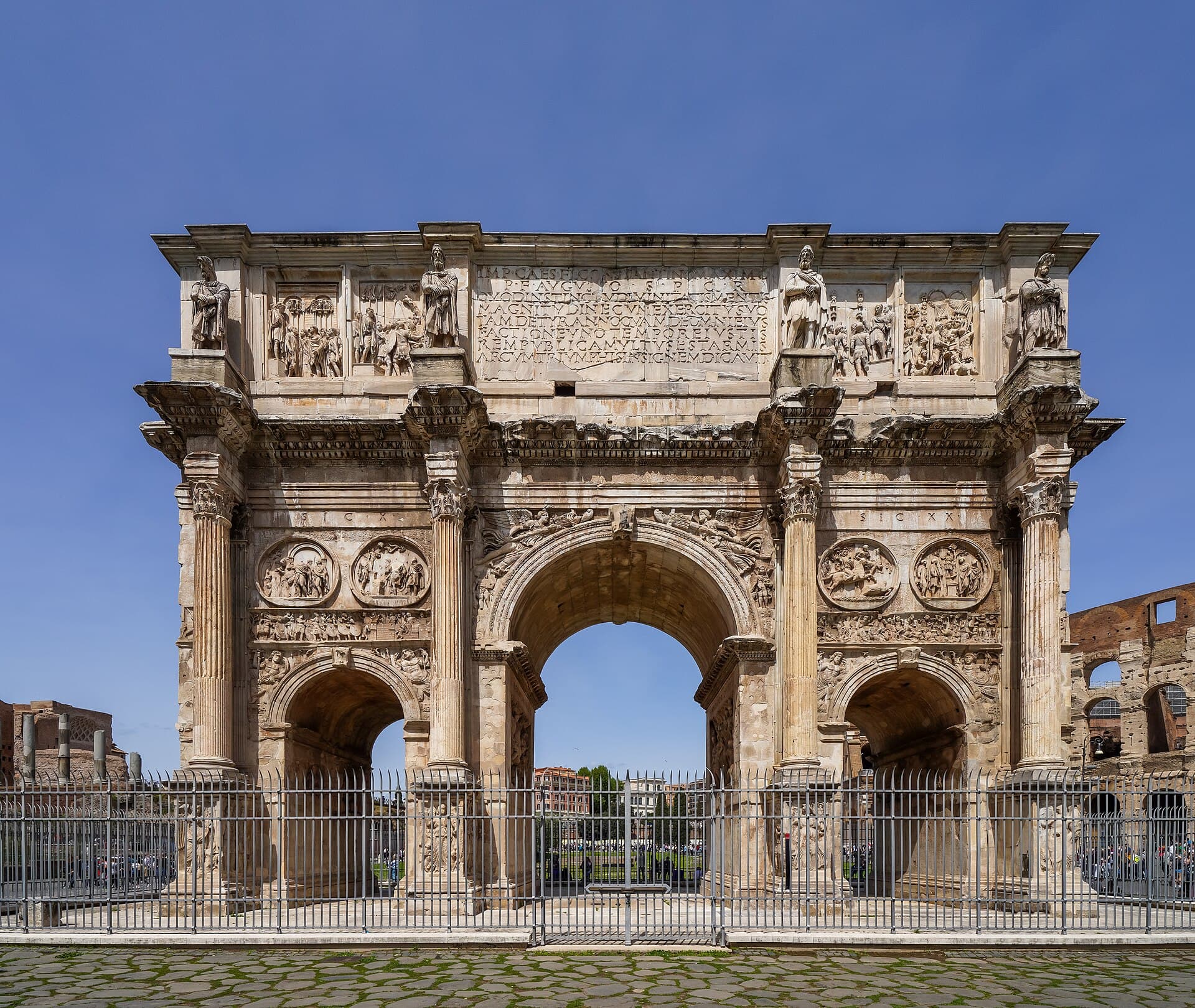 Arch of ConstantineThe largest and most complete surviving Roman triumphal arch: twenty-one metres 2 minutes walk4.7
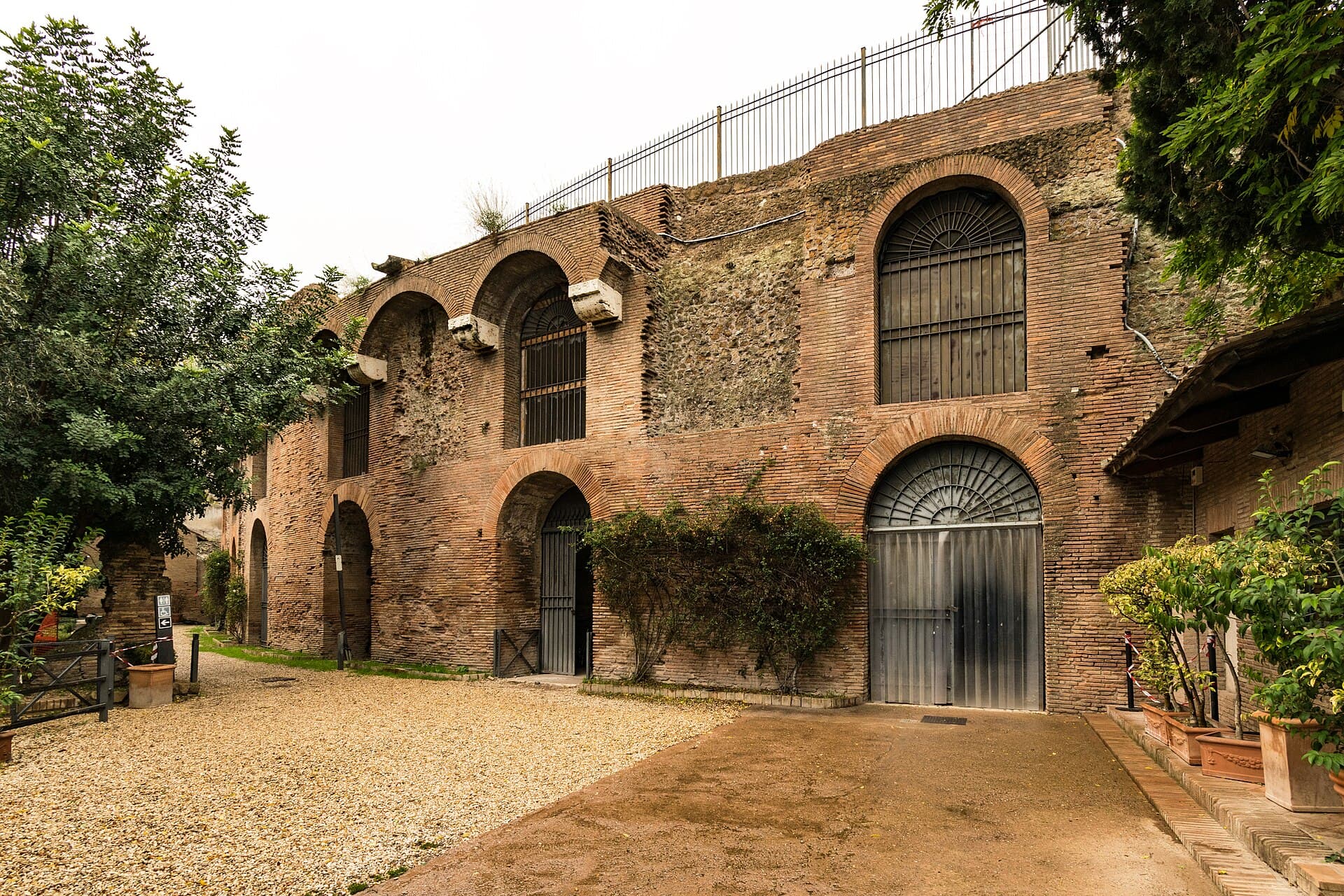 Domus Aurea (Nero's Golden House)After Rome's great fire (64 AD) Nero built himself the Golden House: a colossal 4 minutes walk4.7
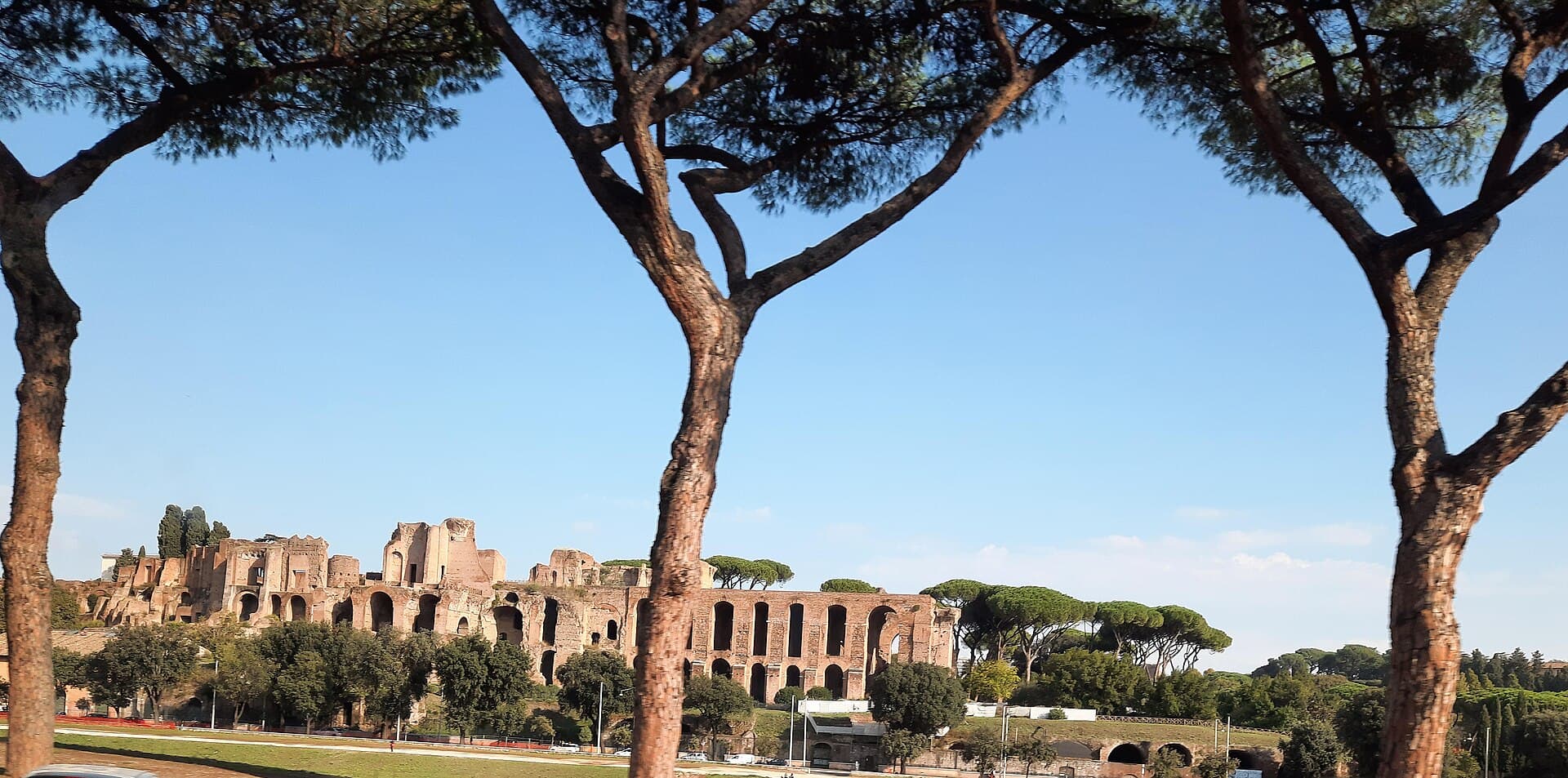 The Basilica of MaxentiusThe largest building in the Roman Forum, of which three enormous vaults of concr5 minutes walk4.6
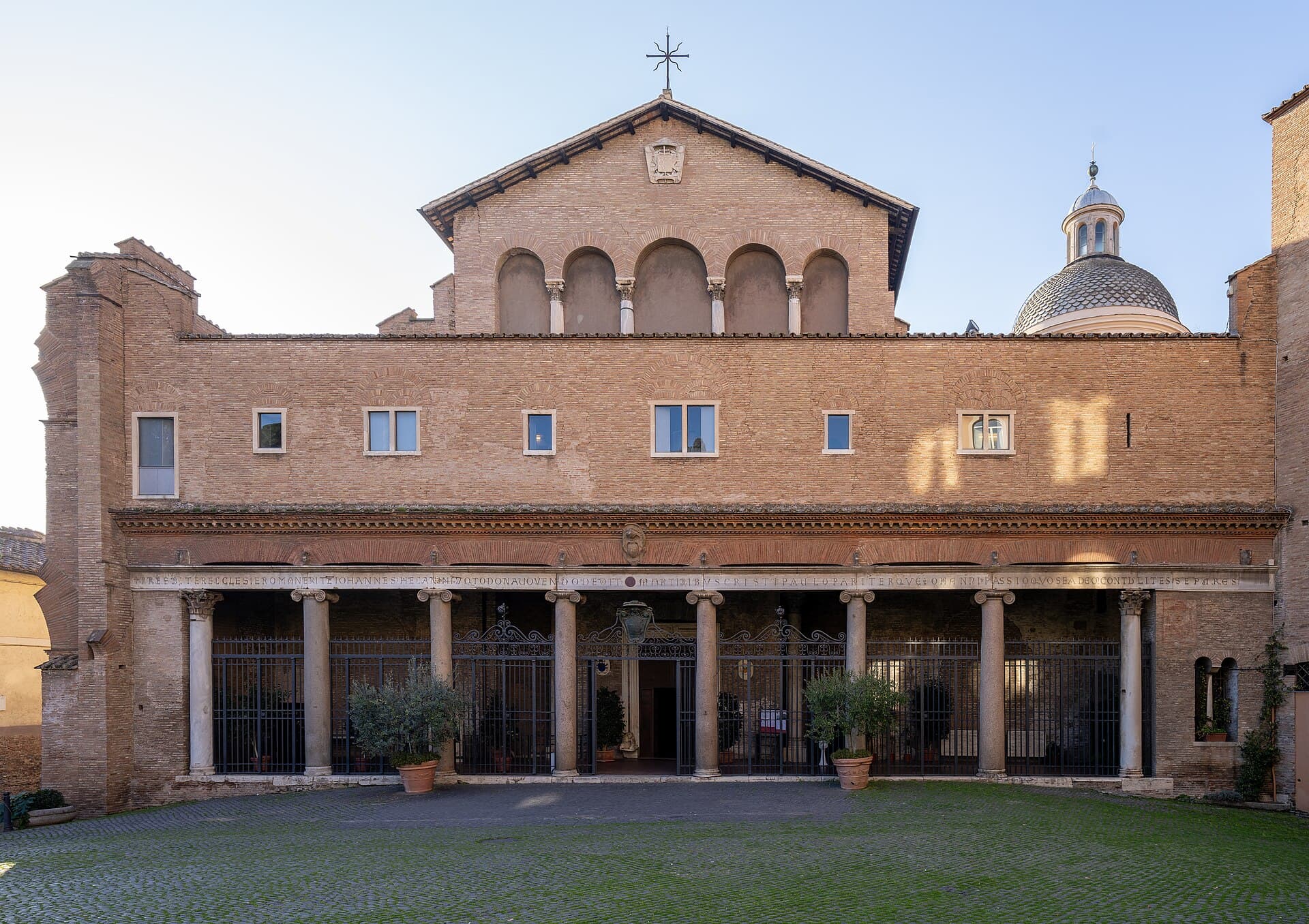 Case Romane del Celio (Roman Houses of the Caelian)In 1887 a priest named Germano, rector of the church of Santi Giovanni e Paolo o5 minutes walk4.6
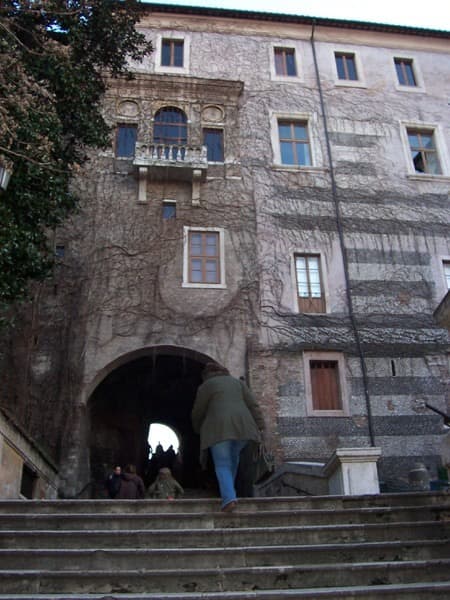 The Borgia Stair and the Vicus SceleratusA vaulted stone stair in the Monti district that passes beneath the old Borgia f6 minutes walk4.2
Looking for halal food near Colosseum? There are several options nearby, from Moroccan and Indian kitchens to quick casual spots and places with a view. Confirm the halal status and opening hours before you go — these can change.
Only via parcocolosseo.it. The standard ticket suits most visitors (Colosseum + Forum + Palatine). History lovers should pay the supplement for hypogeum and arena floor — released in limited numbers and the first to sell out.
One to one and a half hours inside the amphitheatre — but the ticket also covers the adjacent Forum and Palatine, so budget a full day for all three, or half a day for the Colosseum alone.
Floors are uneven stone and distances long under open sun; a lift serves the upper tiers for those who need it. Carry water and a hat in summer — shade on site is very scarce.