
A span without columns
Cross-vaults roofing four thousand square metres.
Bybbisch94, Christian Gebhardt — CC BY-SA 4.0 · Rijksmuseum — CC0 · Rijksmuseum — CC0 · Bybbisch94, Christian Gebhardt — CC BY-SA 4.0
The largest building in the Roman Forum, of which three enormous vaults of concrete and brick survive, rising about thirty-five metres — and that is only the side aisle. The main hall collapsed in an earthquake. The emperor Maxentius began it in 308 and Constantine completed it after defeating him in 312. It was not a basilica in the church sense but a public hall for courts and business, which is the word's original use. Its architectural importance is enormous. The Romans built here a roofed space without internal columns using cross-vaults of concrete — a technique allowing spans nobody had managed for centuries before them. The hall covered about four thousand square metres. This building in particular was studied by the architects of the Renaissance: Bramante and Michelangelo looked at it while designing St Peter's, and the dome of St Peter's is directly indebted to it. Visited on the Forum and Colosseum ticket.
Cross-vaults roofing four thousand square metres.
Begun by Maxentius and finished by Constantine after defeating him.
Bramante and Michelangelo studied it while designing.
The Roman Forum, Via dei Fori Imperiali
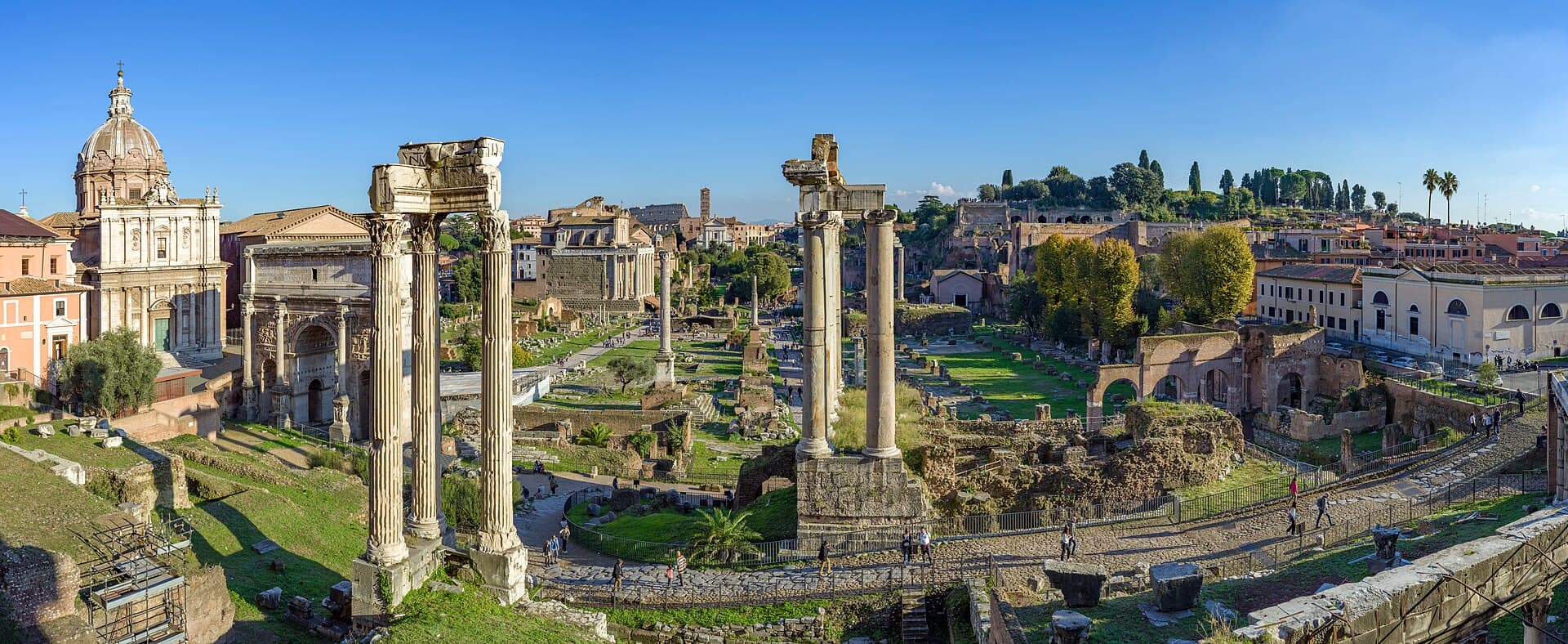 Roman ForumThis field of scattered columns and stubborn arches was the centre of the world 3 minutes walk4.7
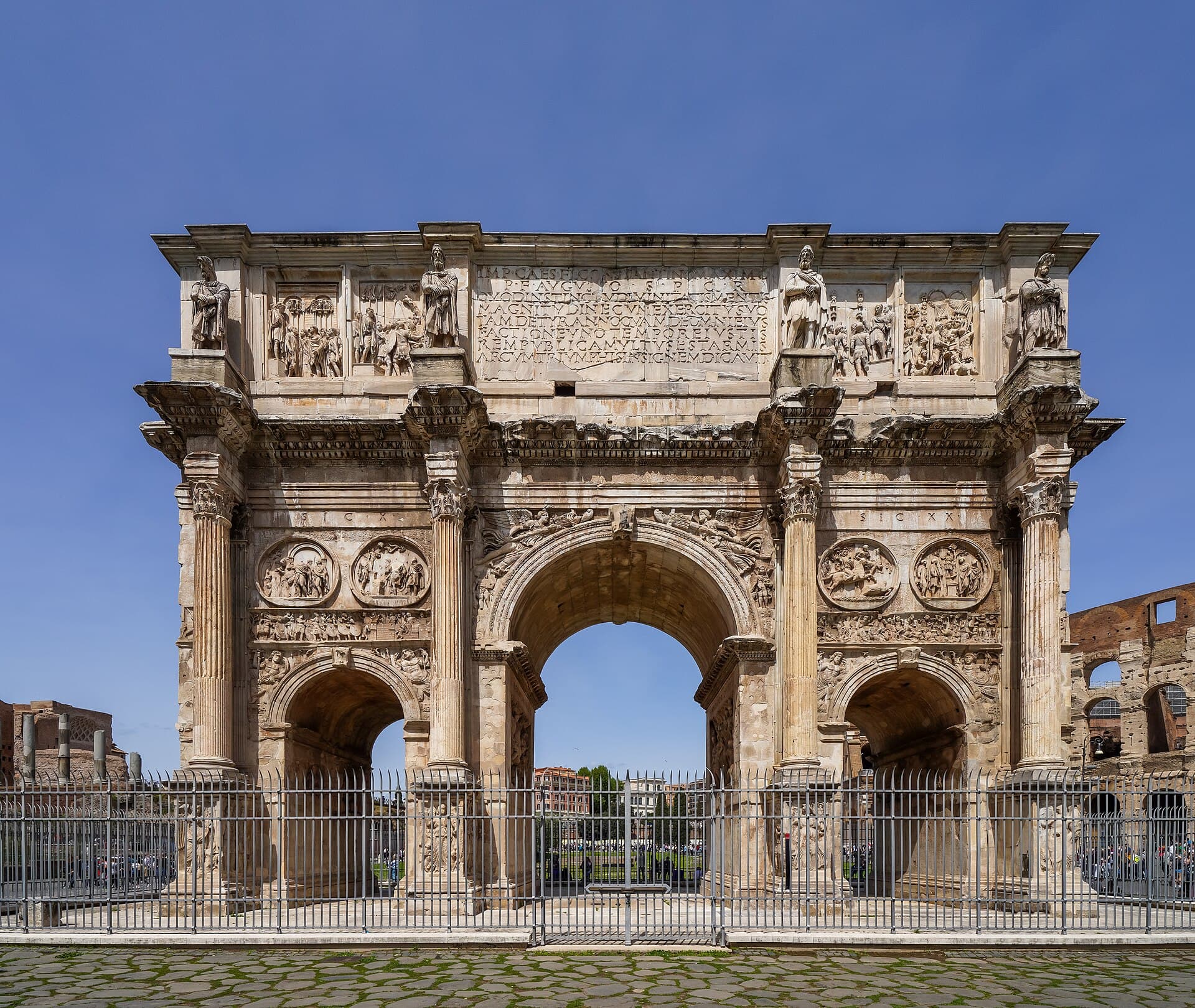 Arch of ConstantineThe largest and most complete surviving Roman triumphal arch: twenty-one metres 4 minutes walk4.7
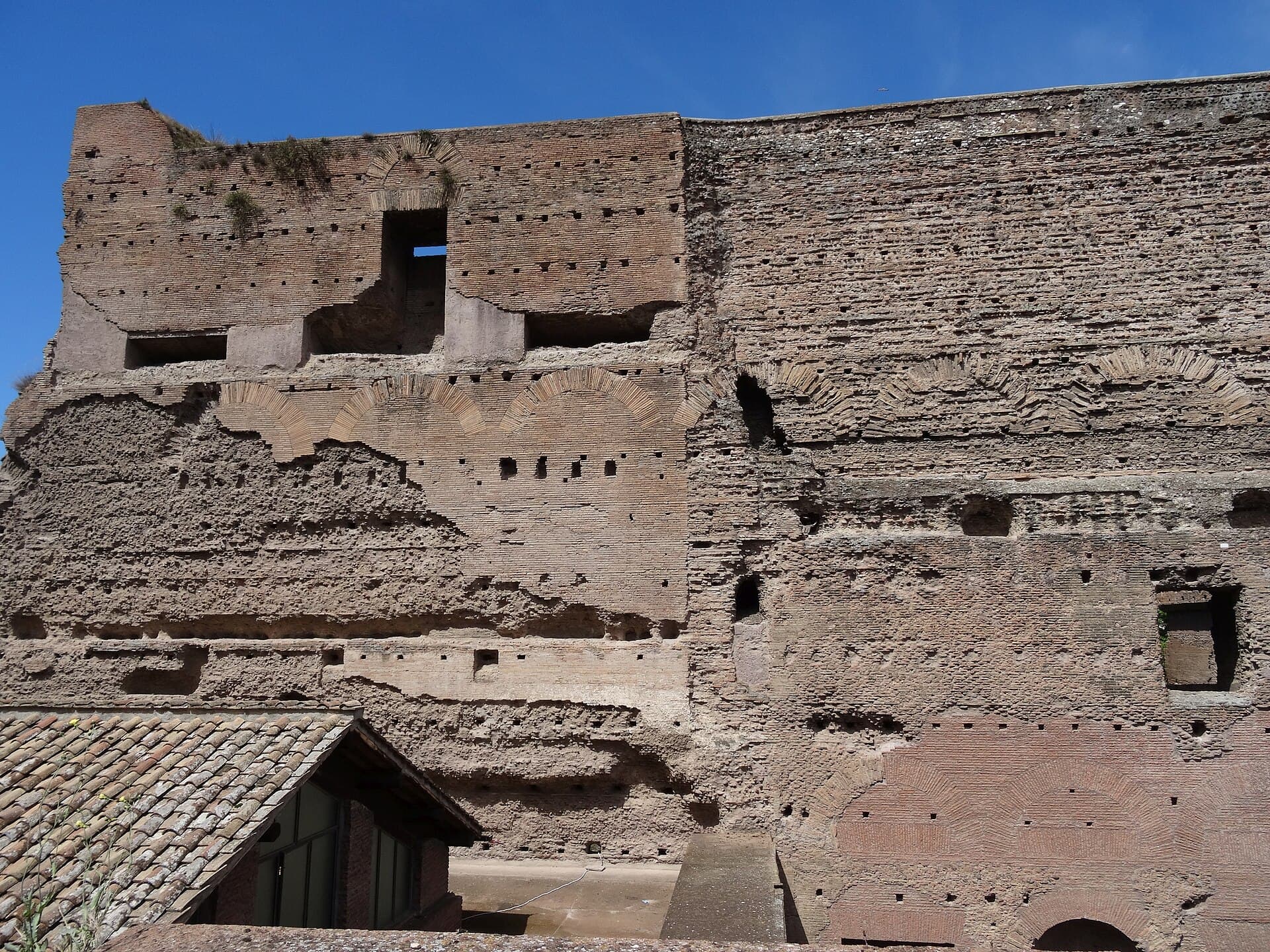 Imperial ForaFive fora built by successive emperors north of the old Roman Forum once the cit4 minutes walk4.6
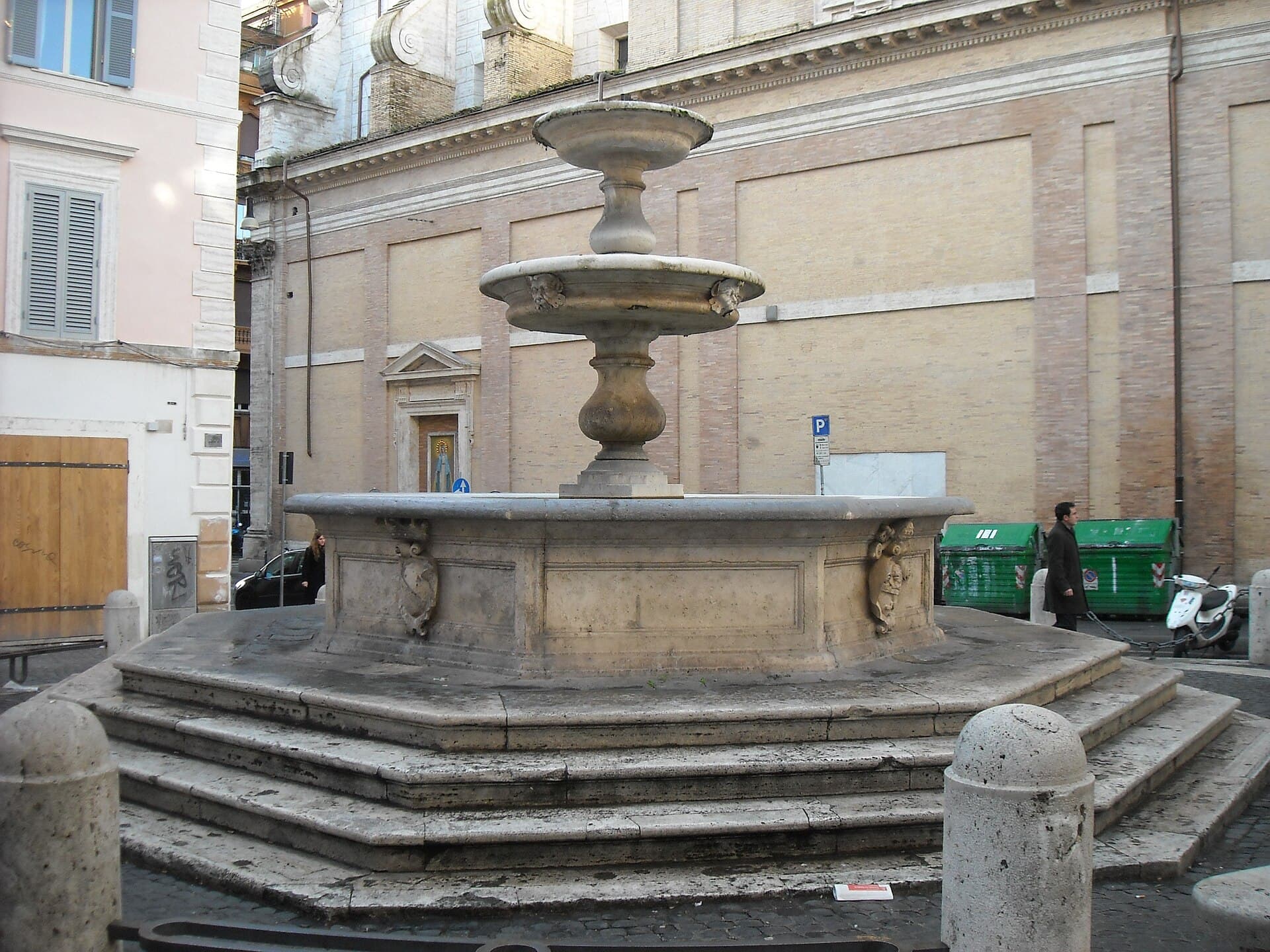 Fountain of Piazza della Madonna dei MontiA late sixteenth-century fountain in a small square at the heart of Rome's Monti5 minutes walk4.6
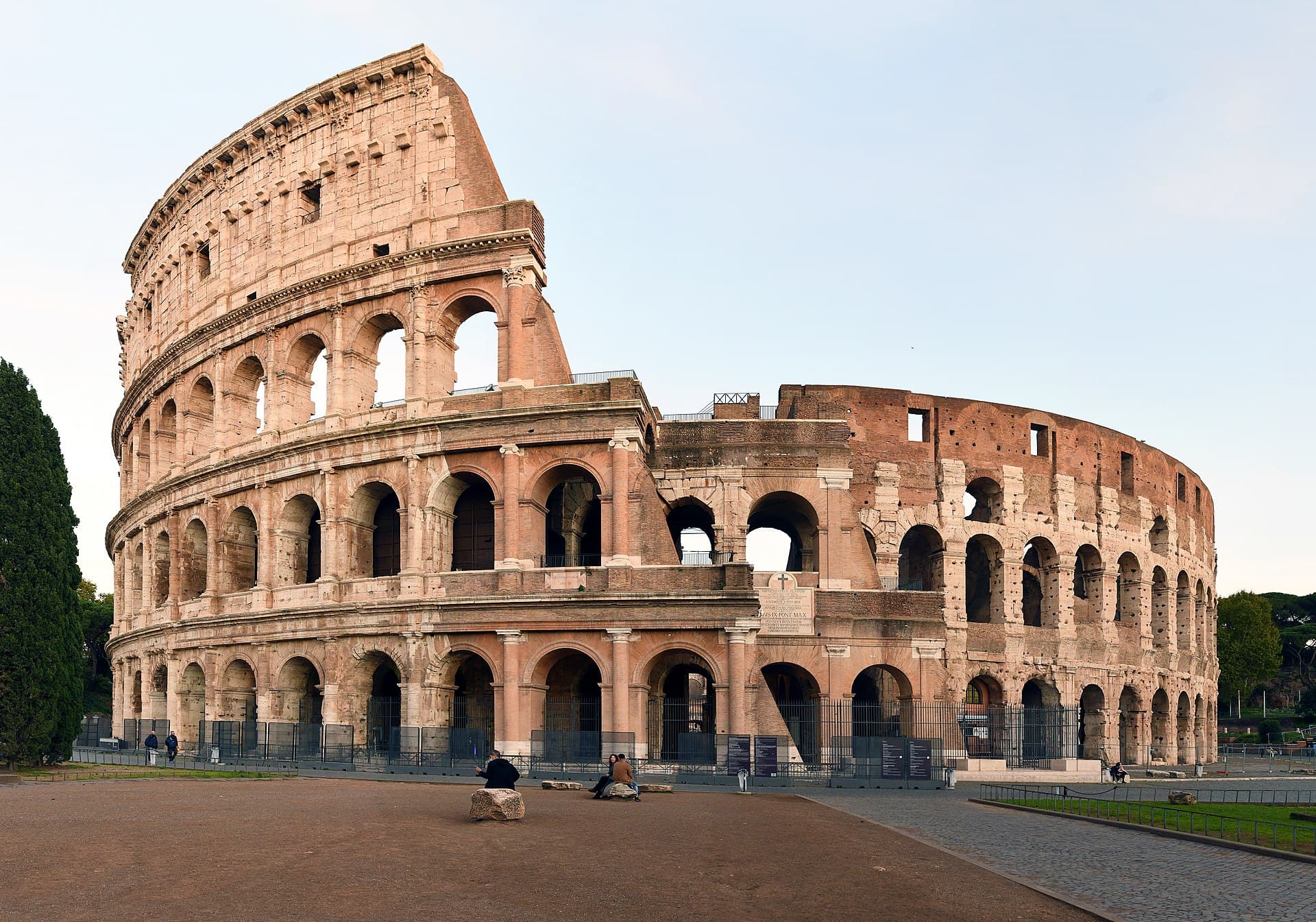 ColosseumNothing prepares you for the first moment: you step out of the metro and the gre5 minutes walk4.7
Looking for halal food near The Basilica of Maxentius? There are several options nearby, from Moroccan and Indian kitchens to quick casual spots and places with a view. Confirm the halal status and opening hours before you go — these can change.
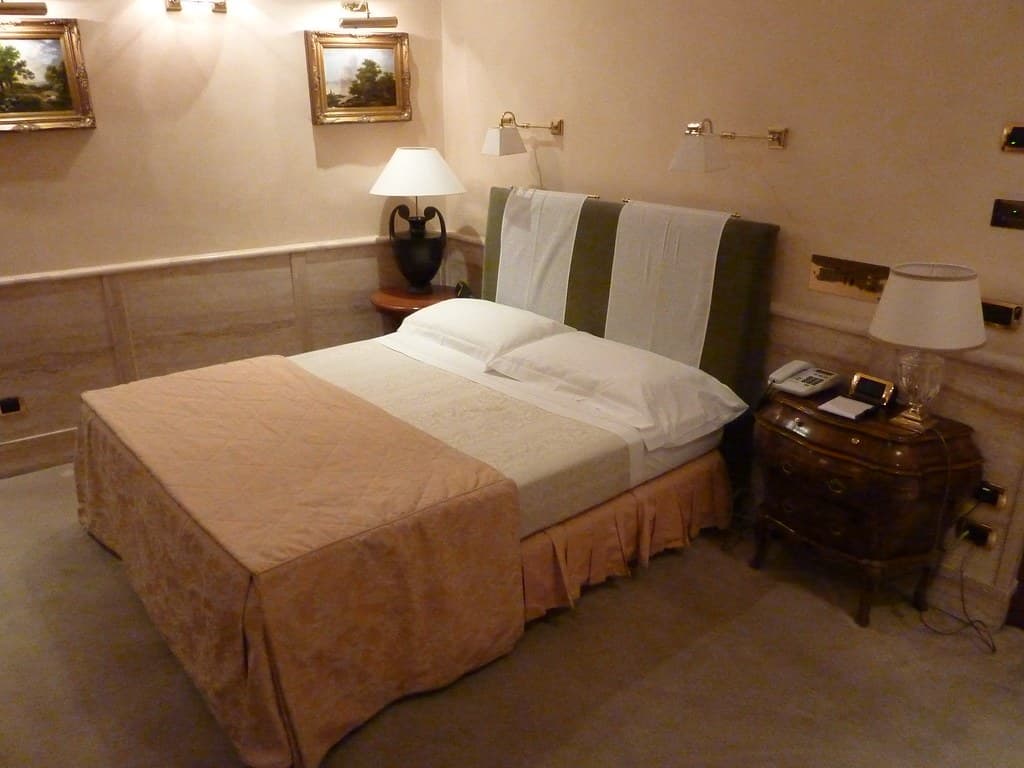 Hotel BaroccoA four-star hotel looking directly onto Piazza Barberini and Bernini's Triton Fo16 minutes walk · $$$$4.9The St. Regis RomeRome's oldest grand hotel and its most historic: opened in January 1894 as the G18 minutes walk · $$$$4.8
A rectangular roofed public hall with a central nave, side aisles and an apse at the end. It was used for courts, commercial dealings and city assemblies — a purely civic building, not a religious one. When Christianity became permitted in the fourth century, Christians adopted this form for their churches rather than the pagan temple form: a temple was a house for the god rather than a place for people to gather, while a basilica was designed from the start to hold a crowd. This is where the ecclesiastical use of the word comes from.
Book the combined ticket online in advance for a timed slot — the queues on site are very long in season. Enter by the Palatine gate on Via di San Gregorio rather than the main Colosseum entrance, which is far quieter. Start on the Palatine for the view, then go down into the Forum, and leave the Colosseum for last. Go first thing or in the last two hours — the site is entirely exposed and the midday heat in summer is severe.