
The Andalusi section
Ceramics, ornament and inscriptions from Granada before 1492, the part closest to most Arab visitors' interest.
SaraGuerri — CC BY-SA 3.0 · Jebulon — CC0 · Dorieo — CC BY-SA 4.0 · ANAGSPC — CC BY-SA 4.0
Granada's provincial archaeology museum, in the Casa de Castril, a Renaissance house with a carved facade worth looking at in its own right, on the bank of the Darro at the foot of the Albaicín. The collection runs the sequence of the region from prehistory through the Phoenicians and Romans to the Islamic period. The Andalusi section is the part closest to most Arab visitors' interest: ceramics, ornament, metalwork and inscriptions from Granada and its surroundings before 1492. The museum is relatively small and well ordered, and a visit runs under ninety minutes. Its position on the Carrera del Darro puts it on the natural route between the centre and the Albaicín, so it costs little detour. The practical note: it sits on a narrow sloping street, and interpretation may be largely in Spanish. Go if the region's history interests you; anyone here for Andalusi architecture will get more from the Alhambra and the Albaicín.
Ceramics, ornament and inscriptions from Granada before 1492, the part closest to most Arab visitors' interest.
The Casa de Castril is itself a Renaissance piece worth pausing at even without going in.
The prettiest street in Granada runs past its door and climbs on into the Albaicín.
Carrera del Darro, Albaicín, Granada
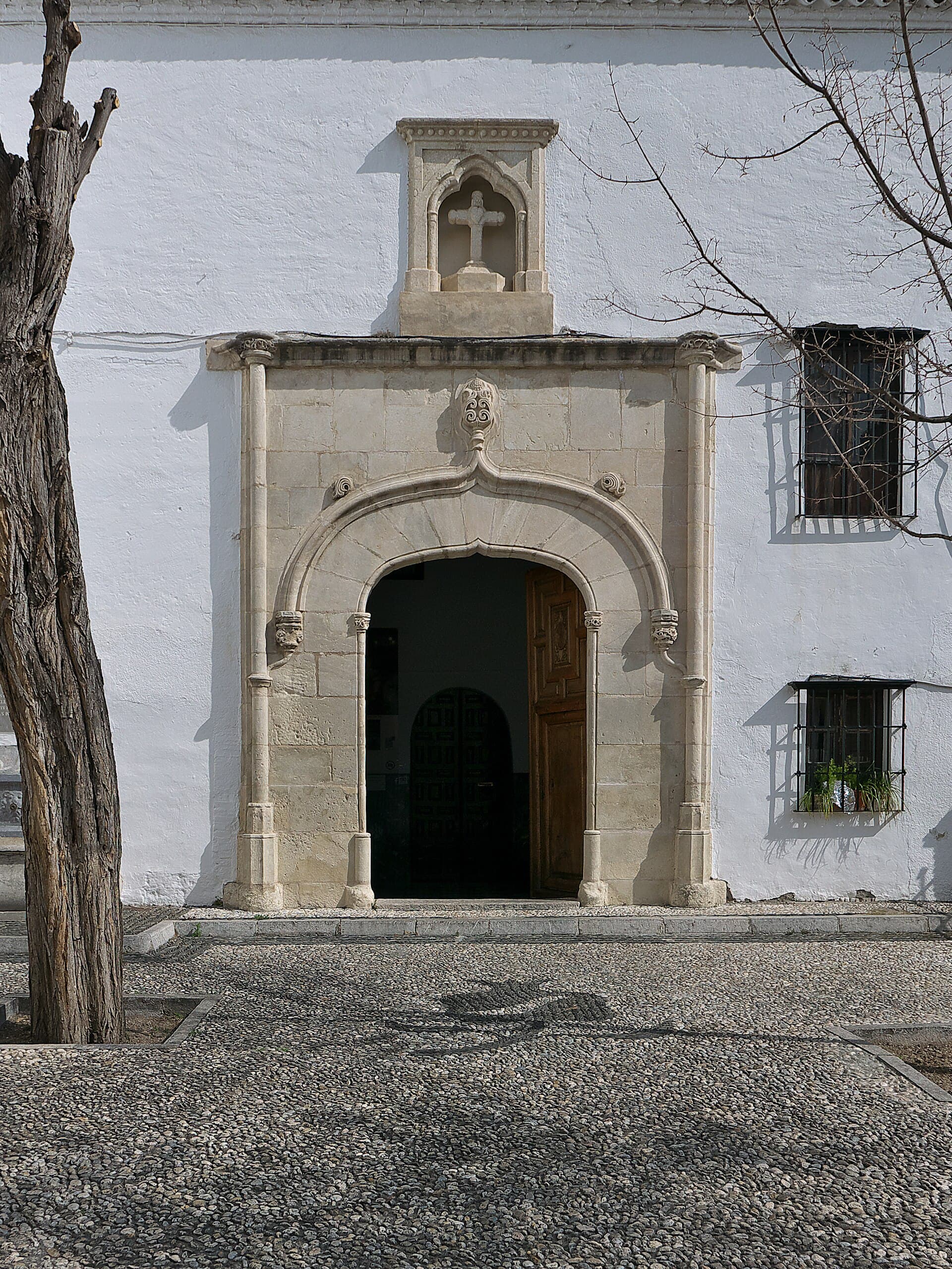 Monasterio de la ConcepciónAn early sixteenth-century Franciscan convent in central Granada, holding a smal2 minutes walk4.6
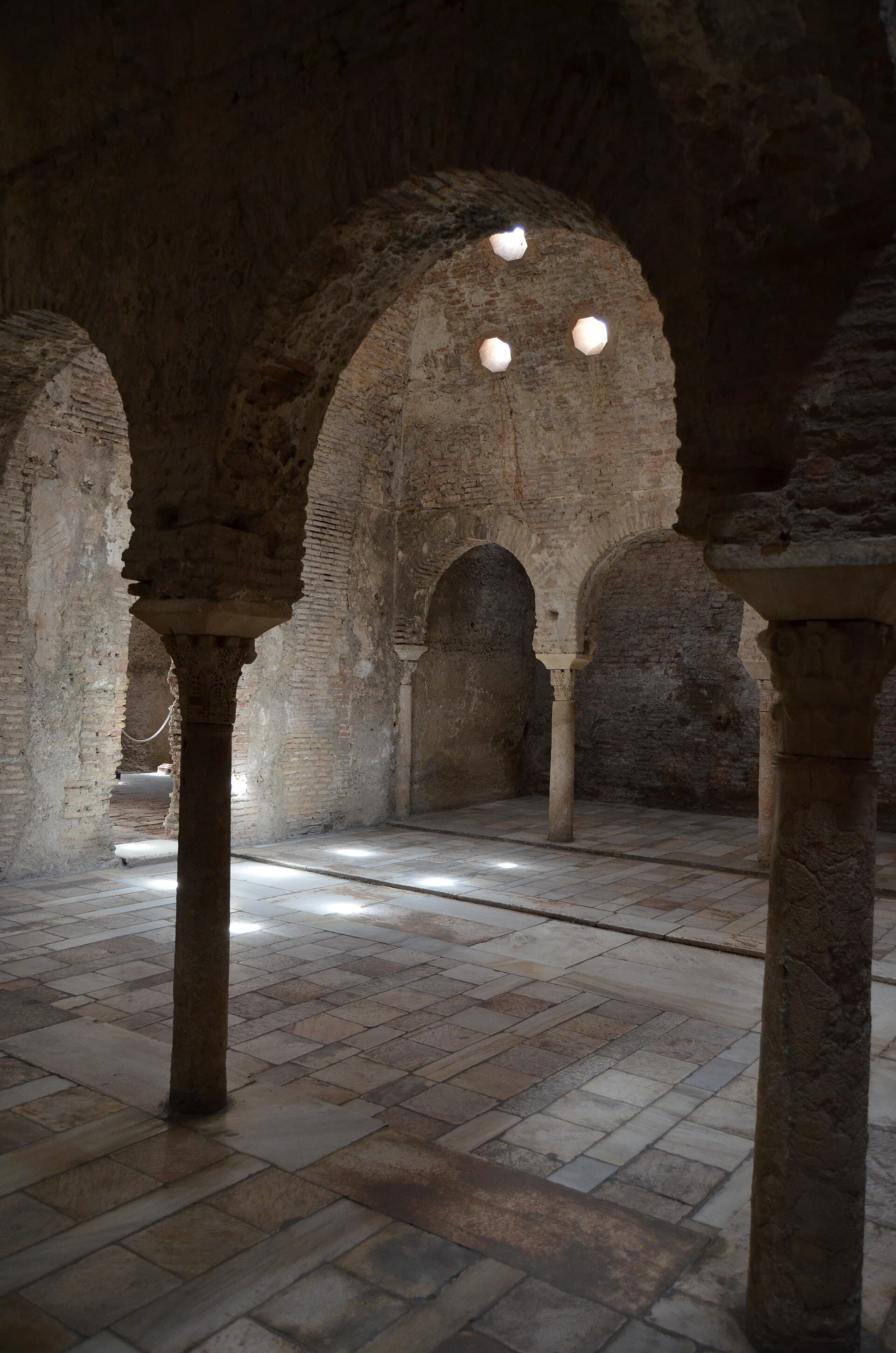 El BañueloEl Bañuelo in Granada is among the oldest surviving Arab baths in Spain, dating 2 minutes walk4.1
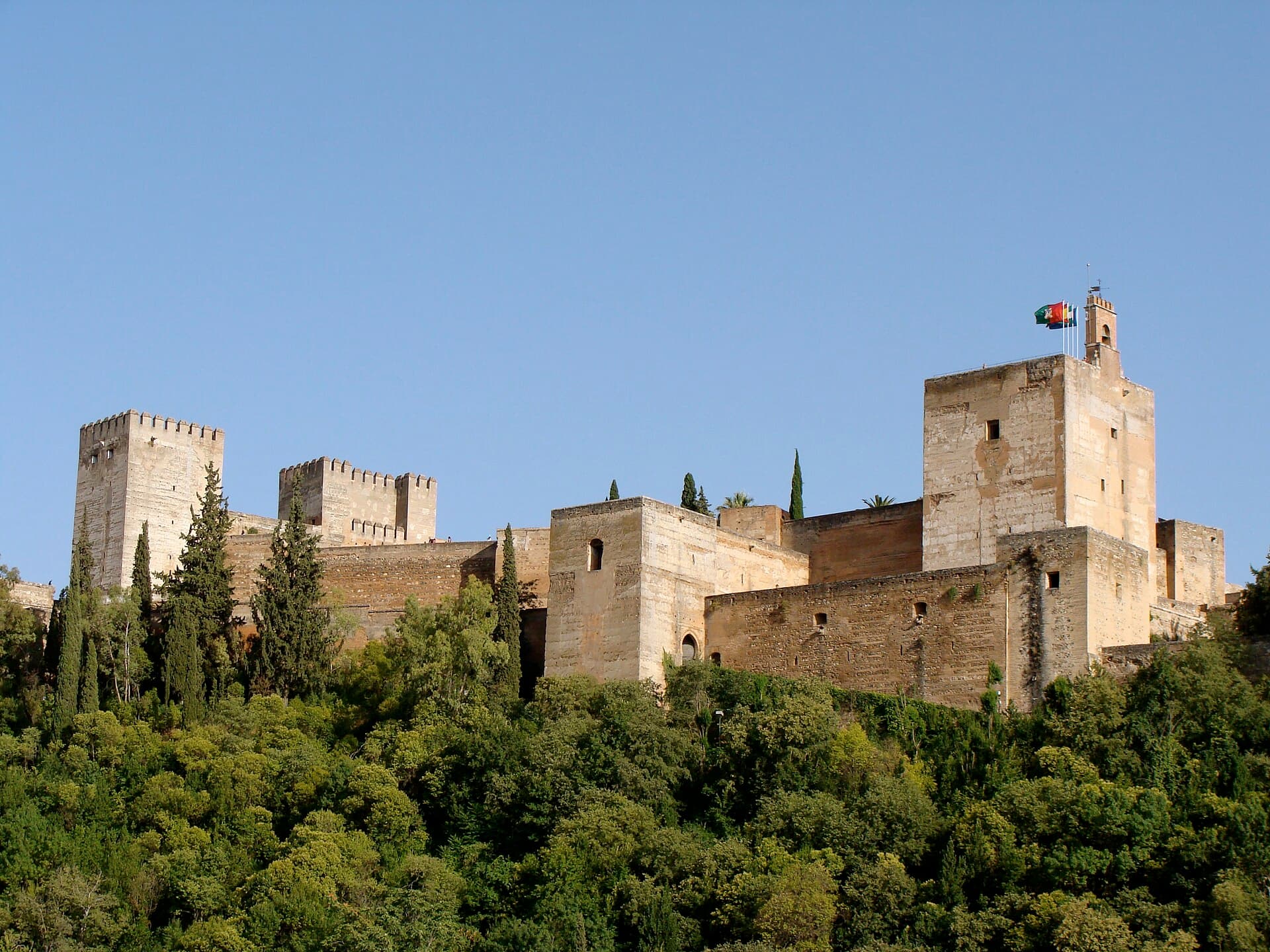 Alcazaba of the AlhambraThe Alcazaba is the military part of the Alhambra and its oldest section. Built 3 minutes walk4.8
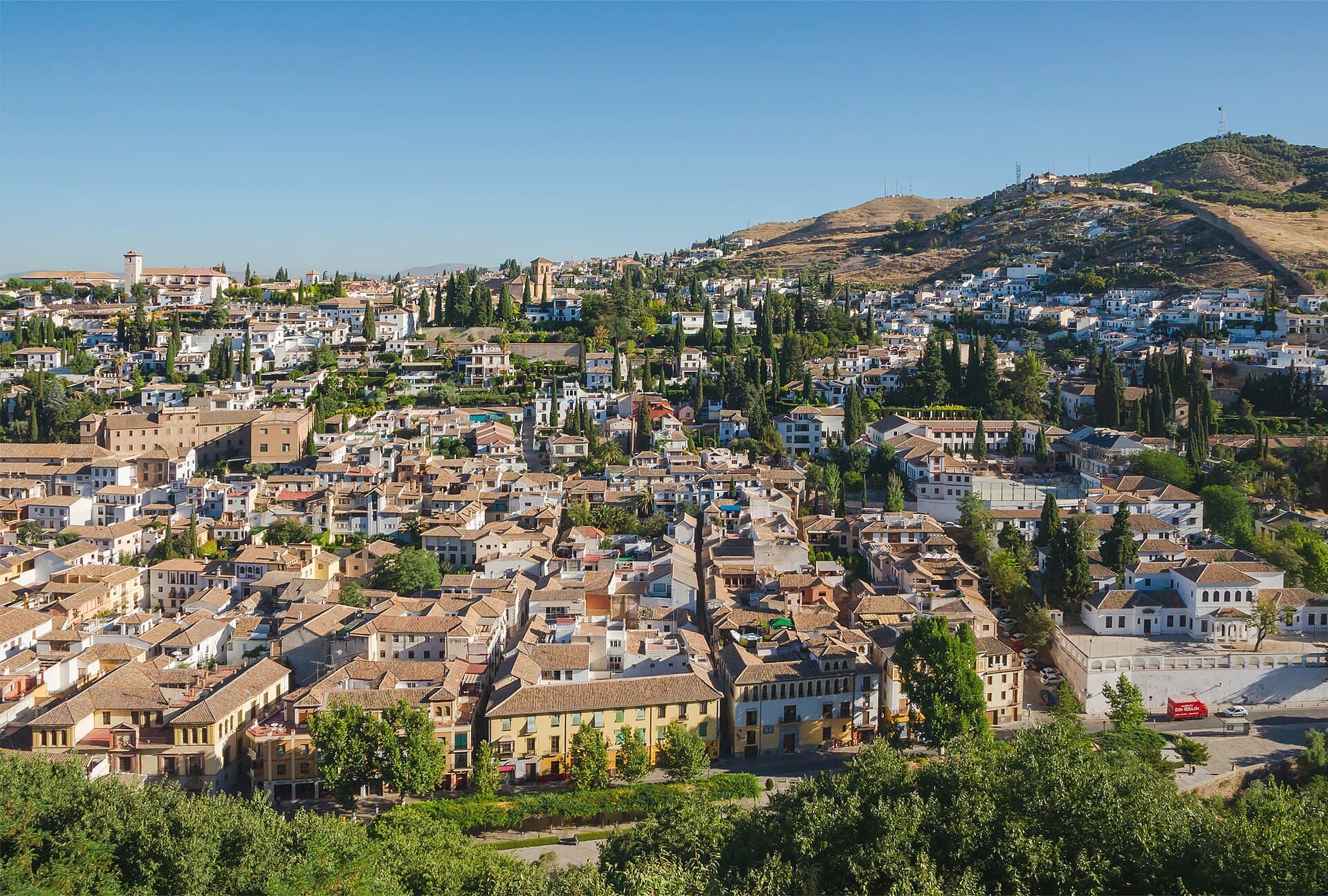 Sacromonte Caves MuseumSacromonte is the legendary gitano mountain: here the Roma dug their cave homes 3 minutes walk4.6
 Mirador de San NicolásThe San Nicolás lookout is "the world's most beautiful sunset" by a testimony at3 minutes walk4.8
With two days in Granada, the Alhambra, the Albaicín and the Royal Chapel come first. The museum is a good call for a third day or for anyone specifically interested in archaeology, and it is small enough not to eat the day.
On the Carrera del Darro, the street following the river from Plaza Nueva up towards the Albaicín. It is a ten-minute walk from the centre, and the street itself is among the prettiest in the city.