
The eleven caves
Dug homes and workshops furnished as lived.
Jebulon — CC0 · Jocelyn Erskine-Kellie from London, UK — CC BY-SA 2.0 · Øyvind Holmstad — CC BY-SA 4.0 · Øyvind Holmstad — CC BY-SA 4.0
Sacromonte is the legendary gitano mountain: here the Roma dug their cave homes into the hill facing the Alhambra for centuries, and the zambra — original cave flamenco — was born in its hollows. The museum is an honest ethnographic quarter: eleven real caves furnished as they were lived — homes, kitchens, weaving, smithing and pottery workshops — entered cave by cave along the slope. Authenticity is its core: neighbourhood people founded it to keep their memory from marketing — panels explain the plants, water and mountain life without fake folklore, and the terrace views of Alhambra and Darro valley are among the purest. Make it Sacromonte's daylight before its zambra evening (cave shows around it, booked) — the ascent being the lovely Darro valley walk itself, or the little C34 bus.
Dug homes and workshops furnished as lived.
Cave flamenco born in these hollows.
Alhambra and Darro from the mountain's steps.
Barranco de los Negros, 18010 Granada
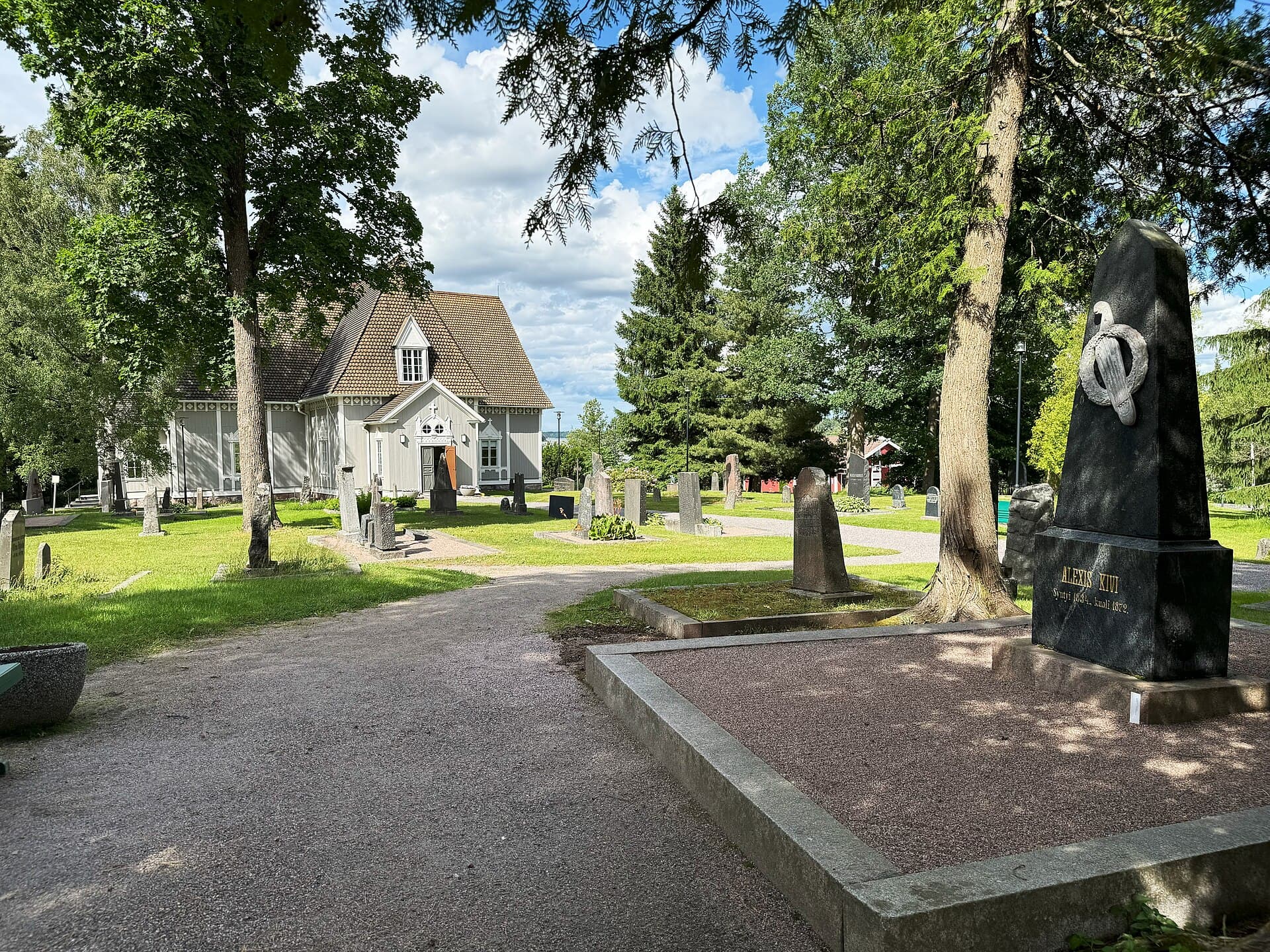 Mirador de San NicolásThe San Nicolás lookout is "the world's most beautiful sunset" by a testimony at1 minute walk4.8
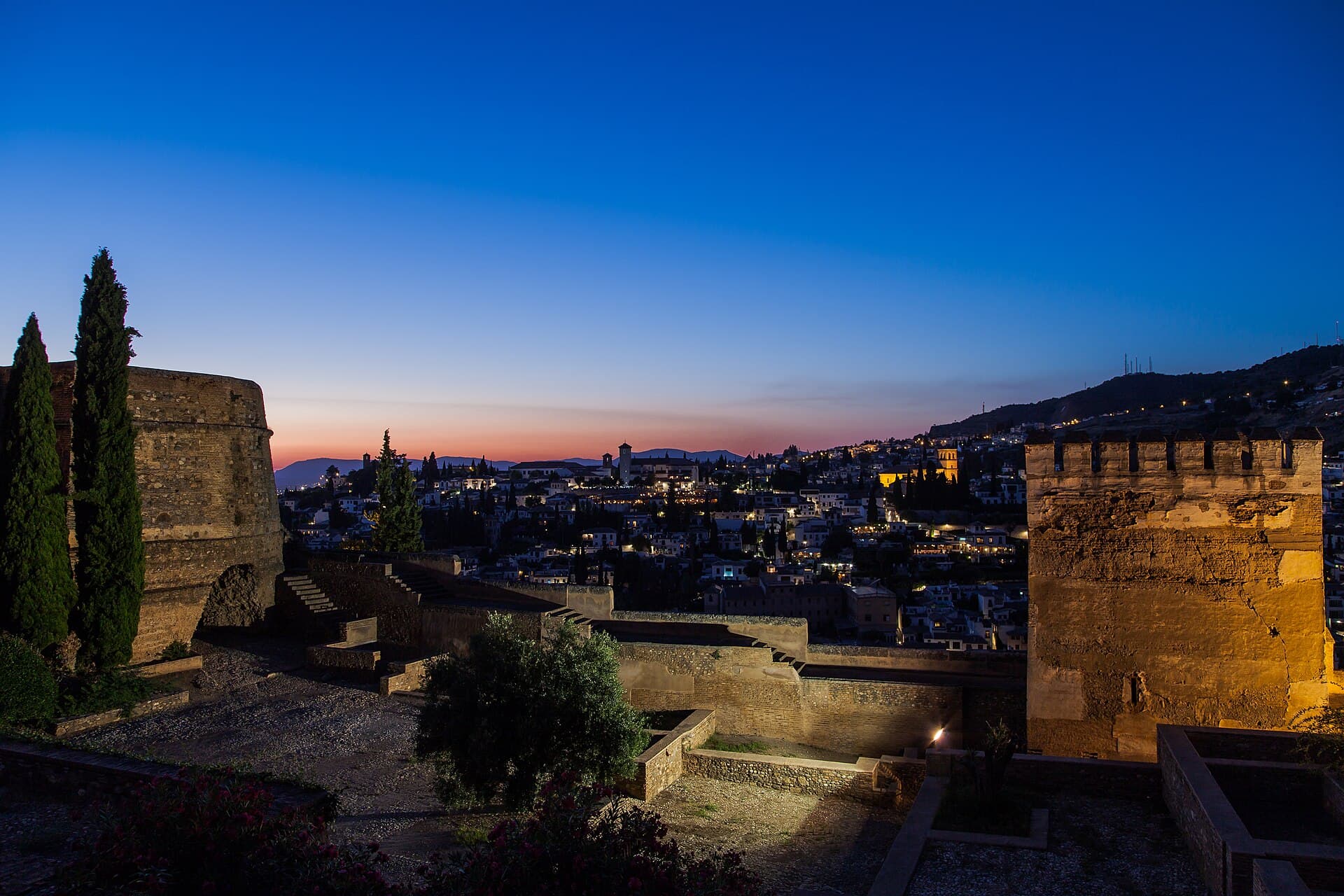 The Grand Mosque of GranadaGranada's Grand Mosque is a standing historical event: the first congregational 1 minute walk4.7
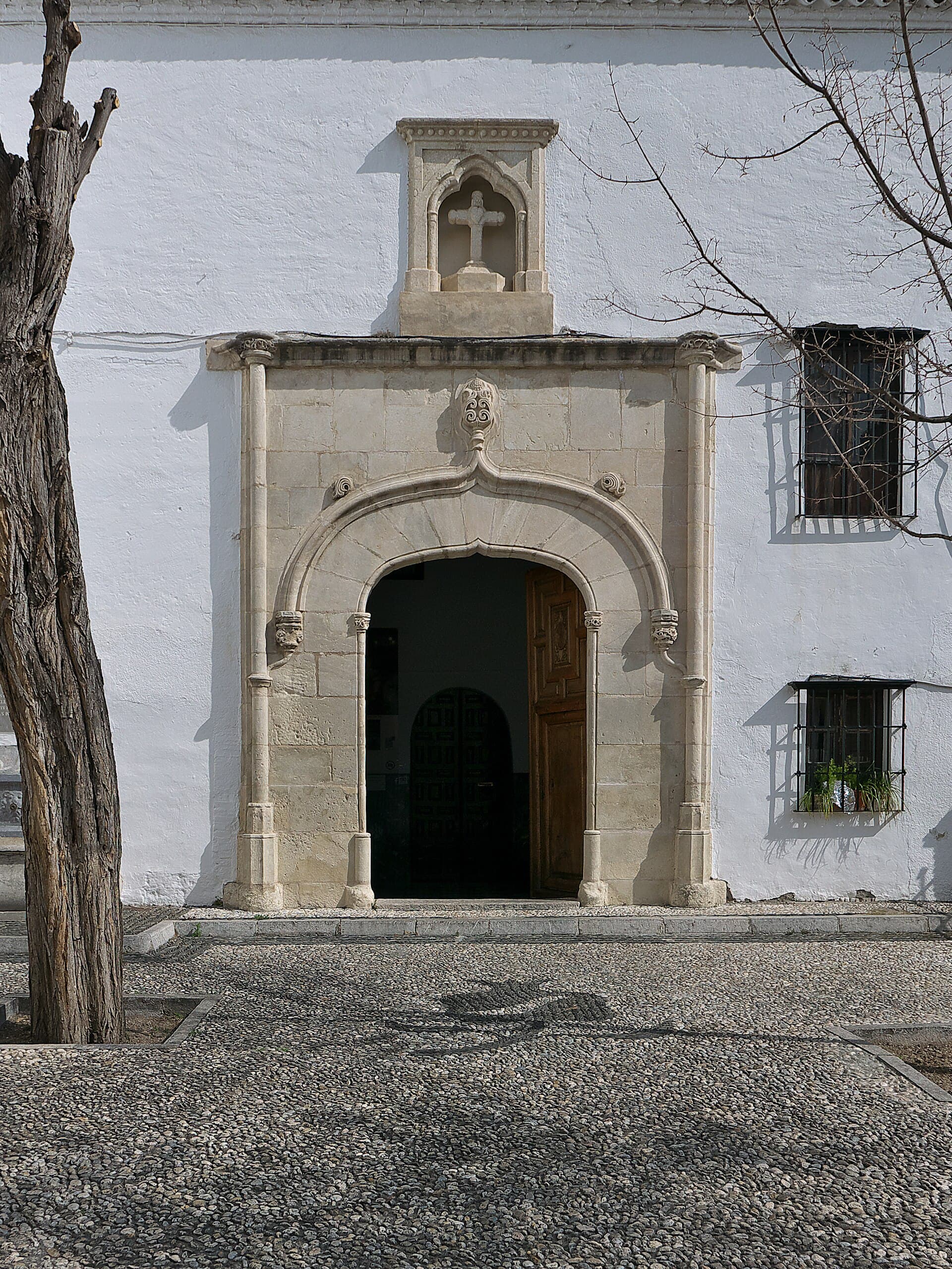 Monasterio de la ConcepciónAn early sixteenth-century Franciscan convent in central Granada, holding a smal3 minutes walk4.6
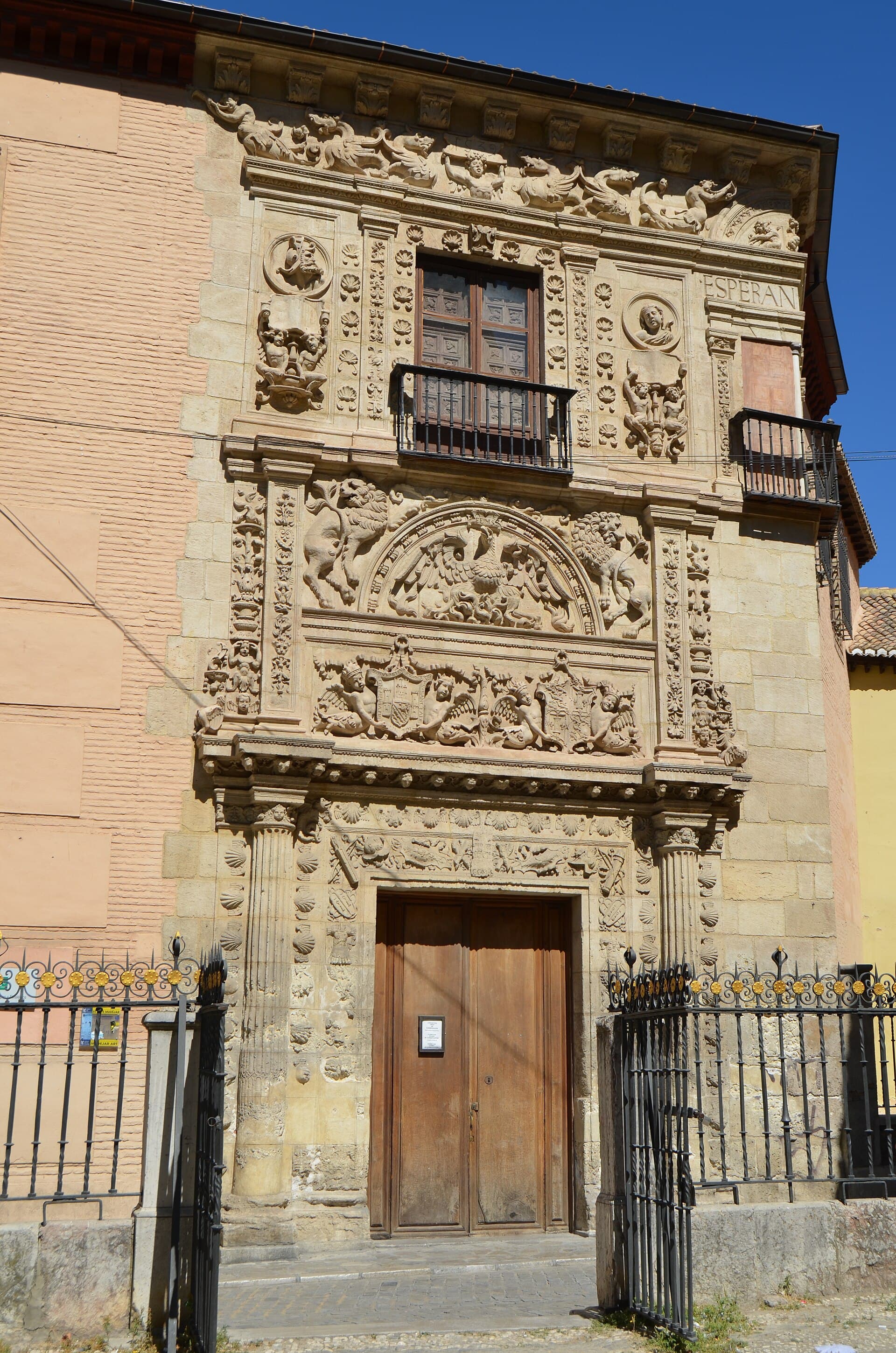 Archaeological Museum of GranadaGranada's provincial archaeology museum, in the Casa de Castril, a Renaissance h3 minutes walk4.4
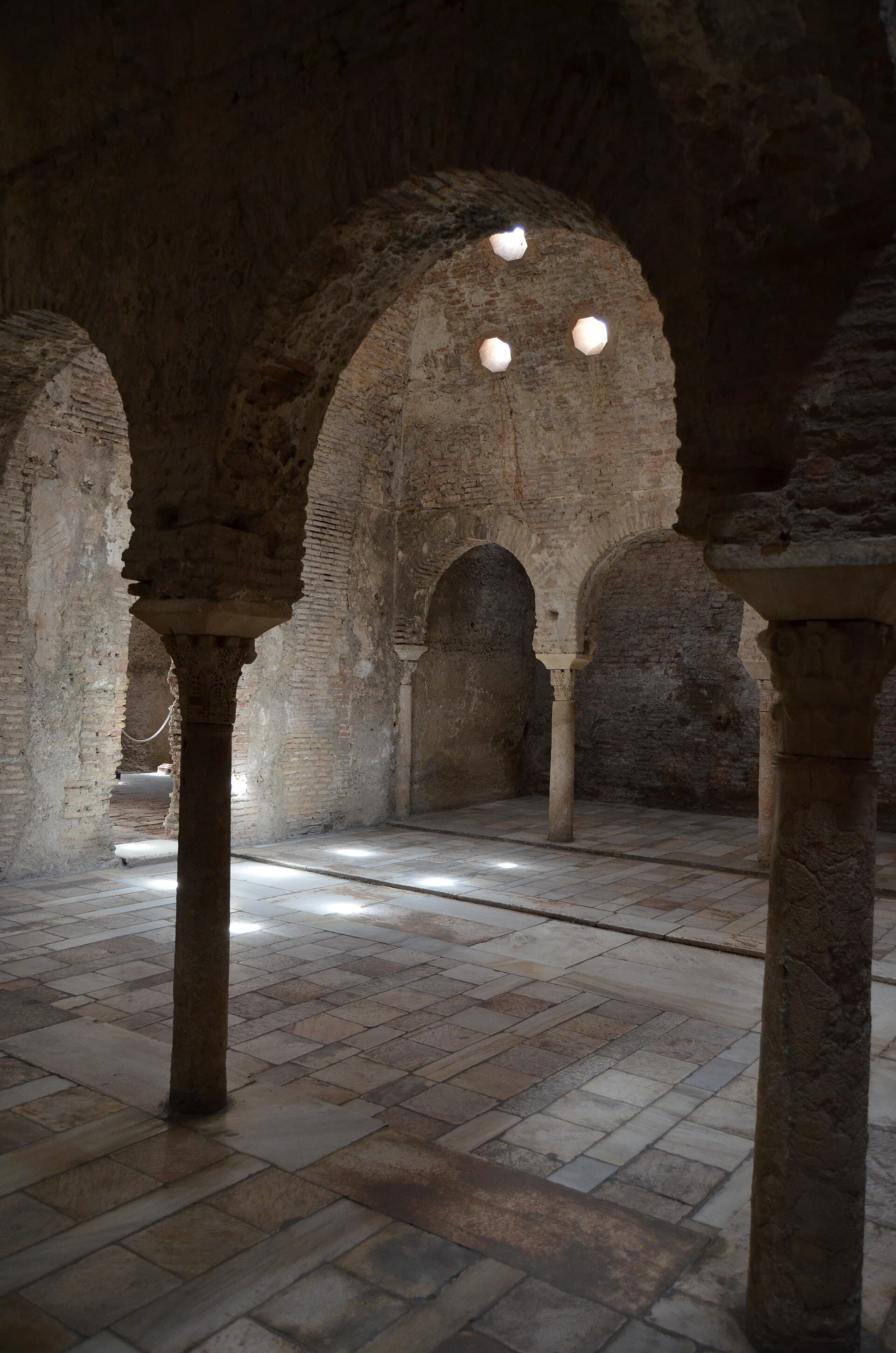 El BañueloEl Bañuelo in Granada is among the oldest surviving Arab baths in Spain, dating 3 minutes walk4.1
Show caves line the Sacromonte road under venerable family names — the rule: small chair-packed caves without dinner outrank big dinner halls in art. Book directly, not through hotel middlemen, and ask specifically for zambra, not generic flamenco.