
Among the first foundations after 1492
A document of how Granada changed institutionally in the earliest years.
José Luis Filpo Cabana — CC BY 4.0 · Øyvind Holmstad — CC BY-SA 4.0 · José Luis Filpo Cabana — CC BY 4.0 · lelebella — CC BY 2.0
An early sixteenth-century Franciscan convent in central Granada, holding a small museum of its art. The convent is among the first religious foundations established in Granada after 1492 — the immediate years after the city passed to Castilian rule. That makes it a document of that moment: how the city began to change institutionally after the conquest. The collection is religious painting and sculpture, silverwork and liturgical vessels gathered by the convent across five centuries, most of it never having left the building. What distinguishes the visit is that the convent is still working: nuns genuinely live there, and the museum is a limited part opened to the public while the rest stays closed. That means respecting the nature of the place — silence, modest dress, and no photography where it is forbidden. Many such convents in Spain sell sweets the nuns make, bought through a revolving hatch without seeing the seller. Hours are very limited and may be only a few a day. Check before going.
A document of how Granada changed institutionally in the earliest years.
Five centuries of art still in the place it was gathered for.
Bought through a revolving hatch without seeing the seller — an old Spanish custom.
Old central Granada
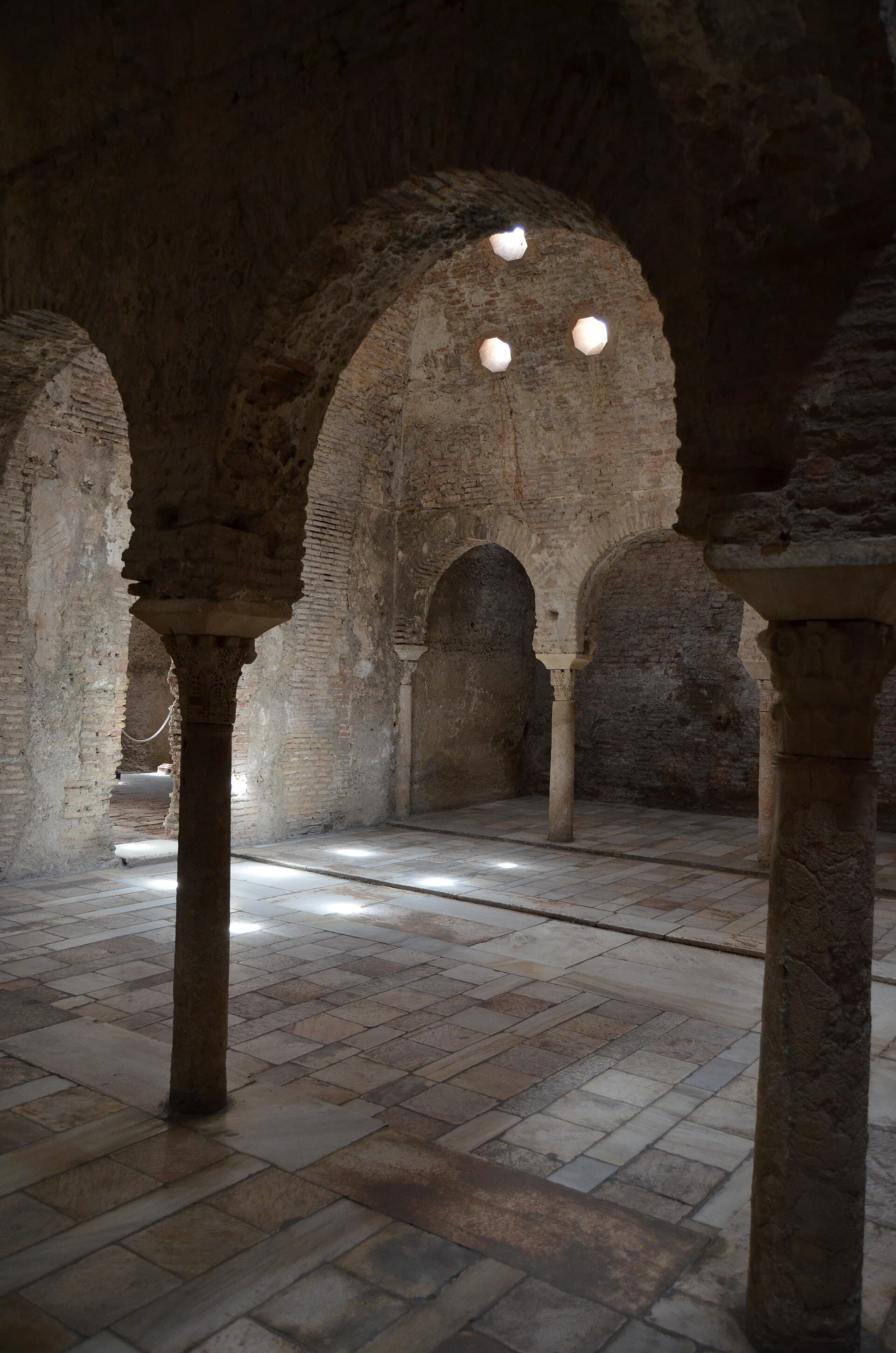 El BañueloEl Bañuelo in Granada is among the oldest surviving Arab baths in Spain, dating 1 minute walk4.1
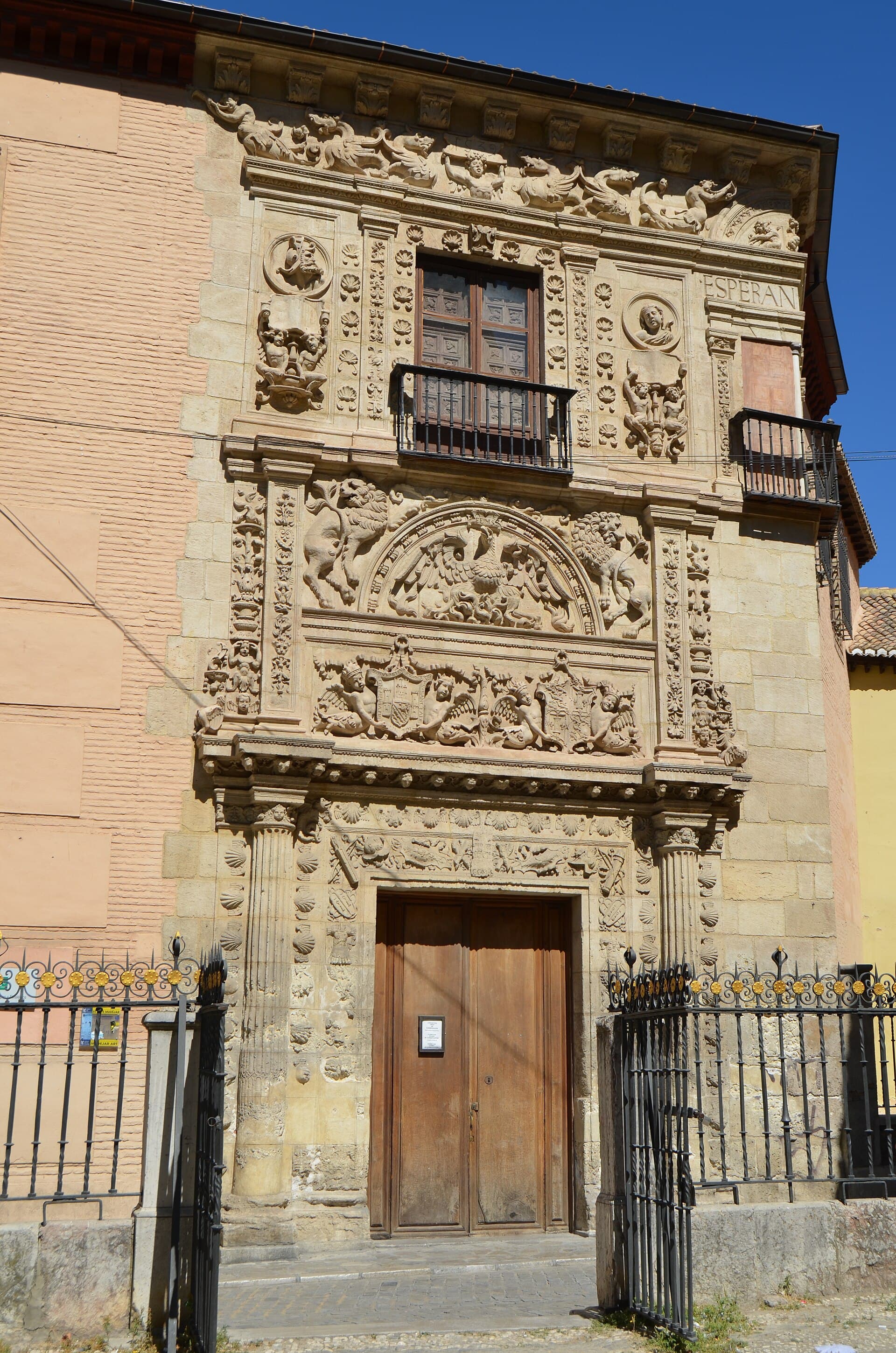 Archaeological Museum of GranadaGranada's provincial archaeology museum, in the Casa de Castril, a Renaissance h2 minutes walk4.4
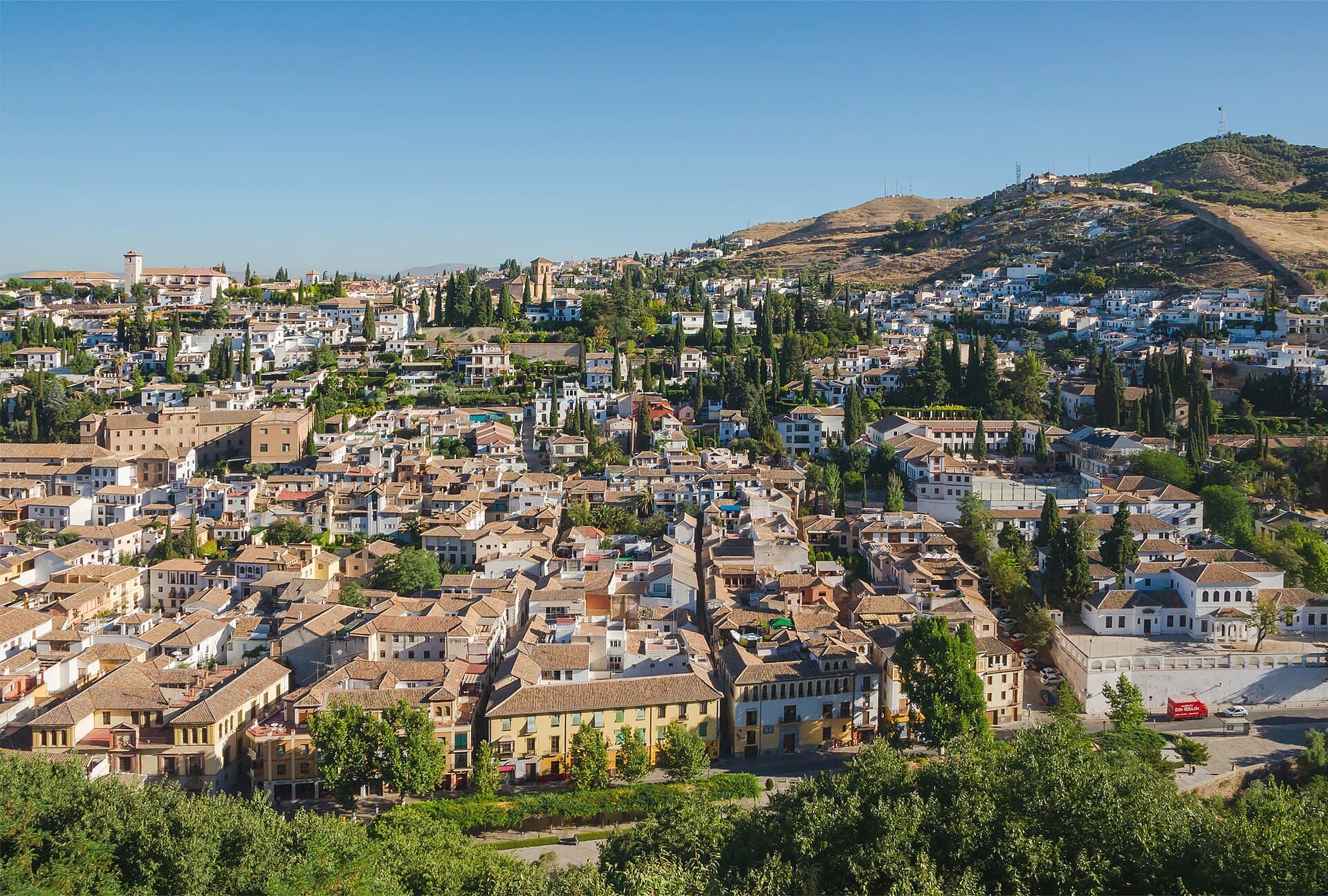 Sacromonte Caves MuseumSacromonte is the legendary gitano mountain: here the Roma dug their cave homes 3 minutes walk4.6
 Mirador de San NicolásThe San Nicolás lookout is "the world's most beautiful sunset" by a testimony at3 minutes walk4.8
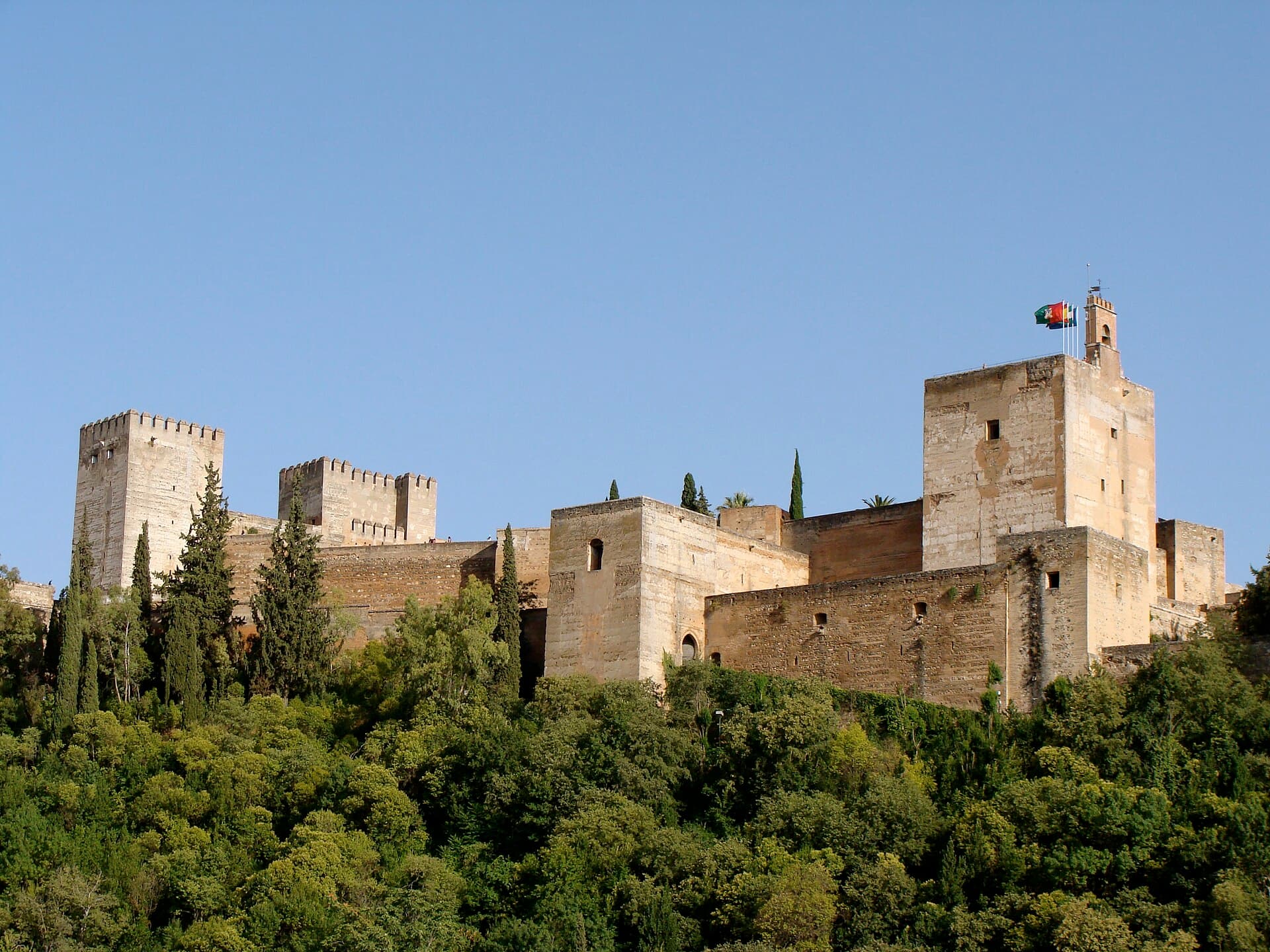 Alcazaba of the AlhambraThe Alcazaba is the military part of the Alhambra and its oldest section. Built 3 minutes walk4.8
A wooden cylinder set in the wall: you place money inside and turn it, it reaches the nun within the enclosure, and she turns it back with the sweets. It was designed for enclosed convents whose nuns live in complete seclusion and do not meet outsiders. It still works in many Spanish convents, particularly in Andalusia.
Yes without difficulty — it is a museum visit inside a religious institution, and the holdings are artistic and historical. What is required is the usual respect for any place of worship: silence, modest dress, and no photography where forbidden. The convent's living quarters are closed to visitors in any case.