
Roman gravestones in the wall
Latin inscriptions embedded in the masonry, some upside down.
Stefano Stabile — CC BY-SA 3.0 · Ludvig14 — CC BY-SA 4.0 · Pedro from Maia (Porto), Portugal — CC BY 2.0 · Robertater17 — CC BY-SA 4.0
A medieval gate in central Milan, built in 1171 as part of the city wall, and one of only two gates surviving from it. What distinguishes it is that its stones are not all twelfth century: Roman blocks and gravestones were reused in the construction, and you can see Latin inscriptions and Roman carving embedded in the wall — some of it upside down. The practice was common in the Middle Ages: Roman rubble was ready-cut building material, and nobody saw any offence in moving it. The gate was built after the emperor Frederick Barbarossa destroyed Milan in 1162 and its people rebuilt it. The new wall was a declaration of defiance. The gate today stands in a busy junction between the Brera district and Via Manzoni, and people pass beneath it without noticing its age. A public space, free to see.
Latin inscriptions embedded in the masonry, some upside down.
Barbarossa razed Milan in 1162 and its people rebuilt the wall.
It stands in a modern junction and nobody registers its age.
Between the Brera district and Via Manzoni
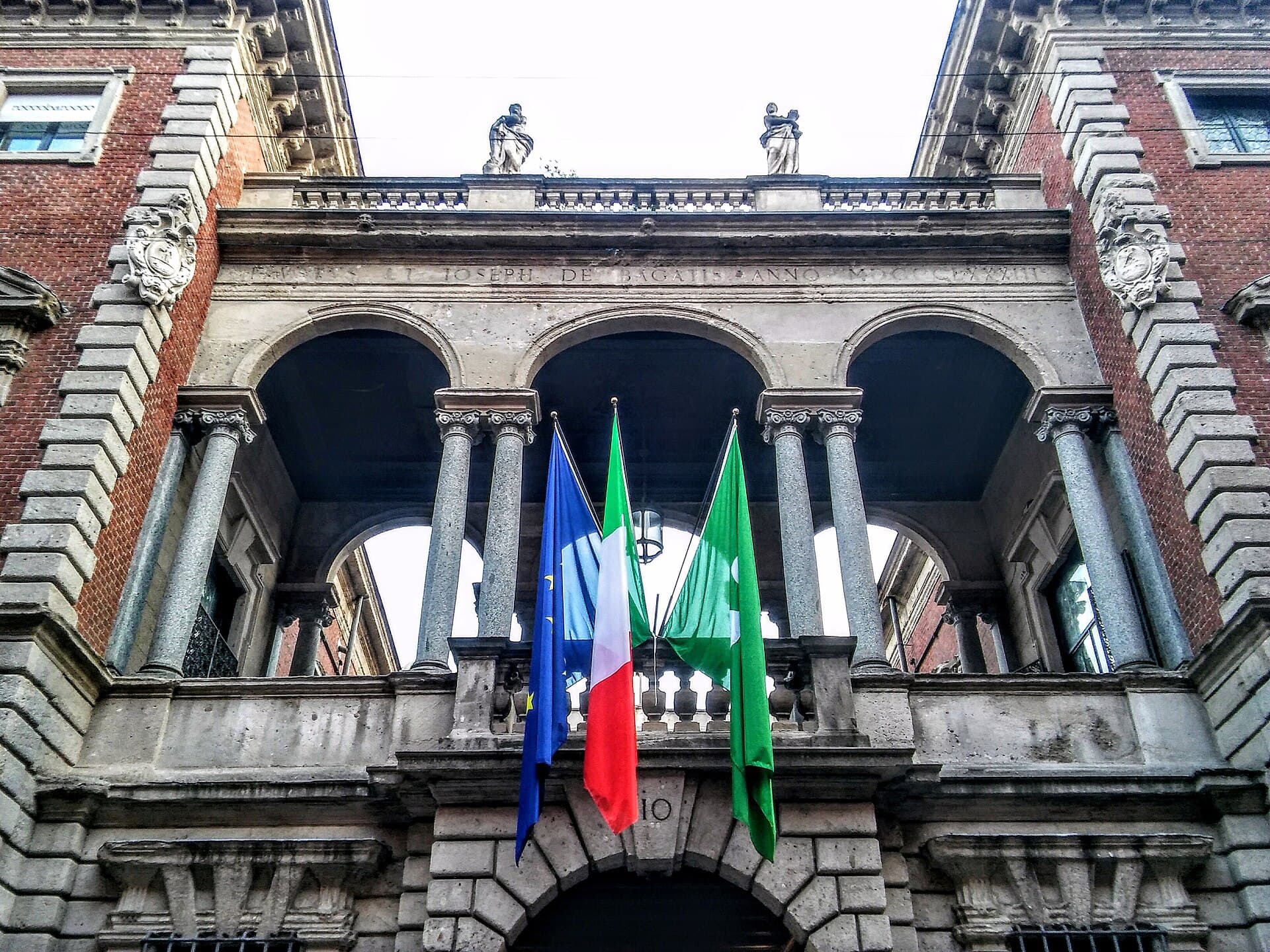 Bagatti Valsecchi MuseumThe house of two brothers who lived as if in the sixteenth century: Fausto and G3 minutes walk4.8
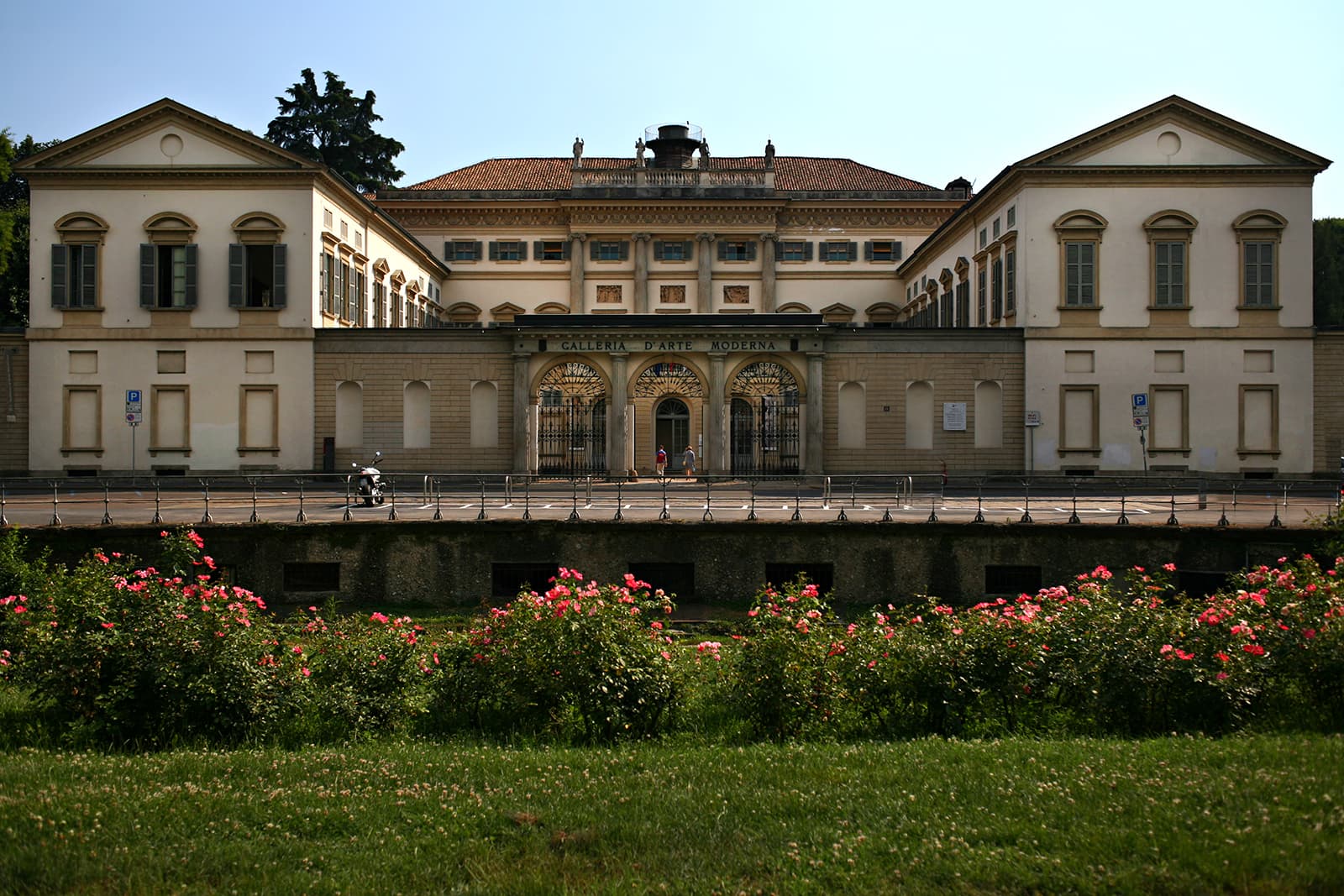 Galleria d'Arte Moderna (GAM), MilanMilan has a public garden that adults are not allowed to enter unless a child br5 minutes walk4.4
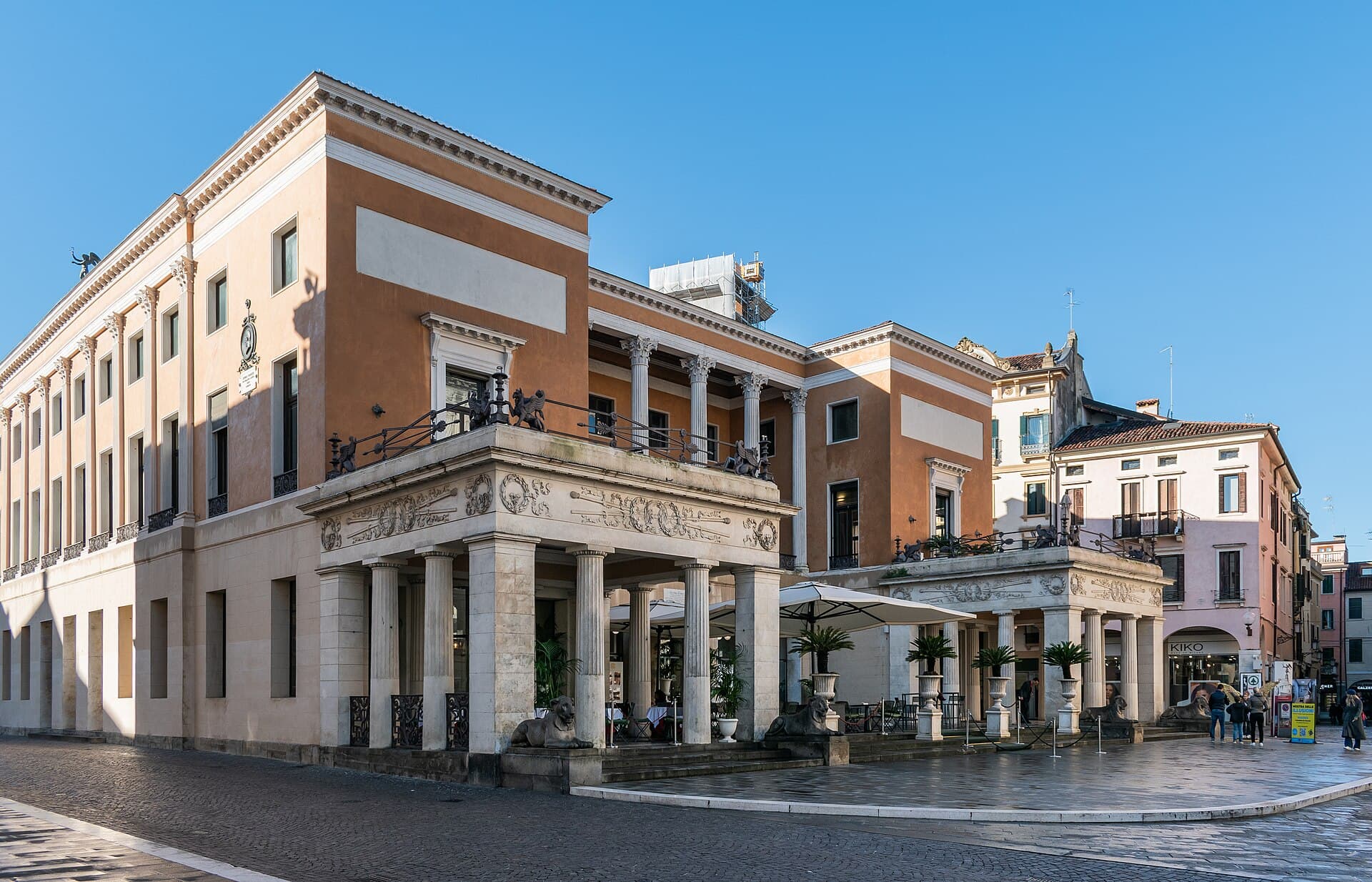 Museo del RisorgimentoA museum telling the story of Italy's nineteenth-century unification, in the Pal5 minutes walk4.6
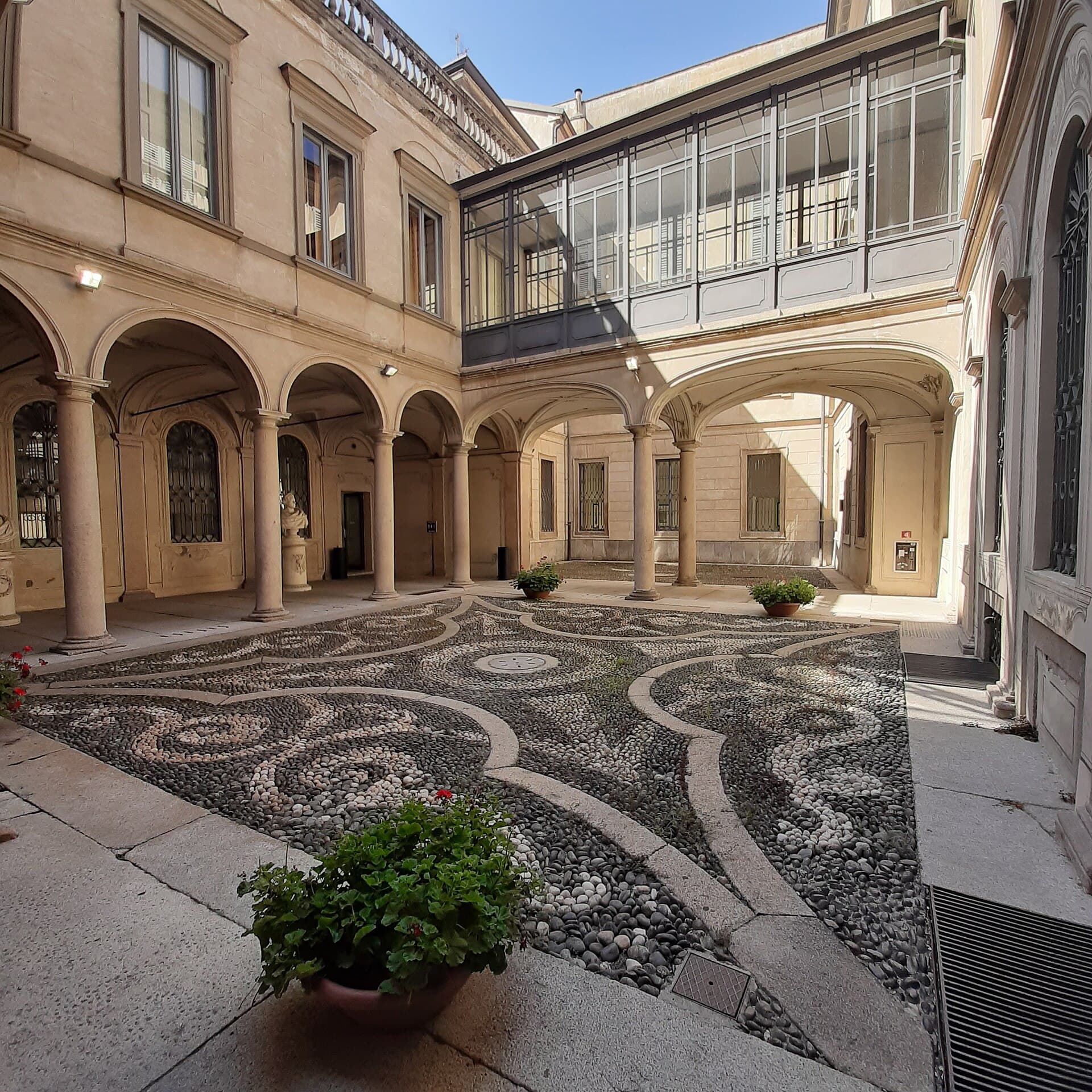 Palazzo MorandoAn eighteenth-century palace in the heart of Milan's fashion district, holding a5 minutes walk4.4
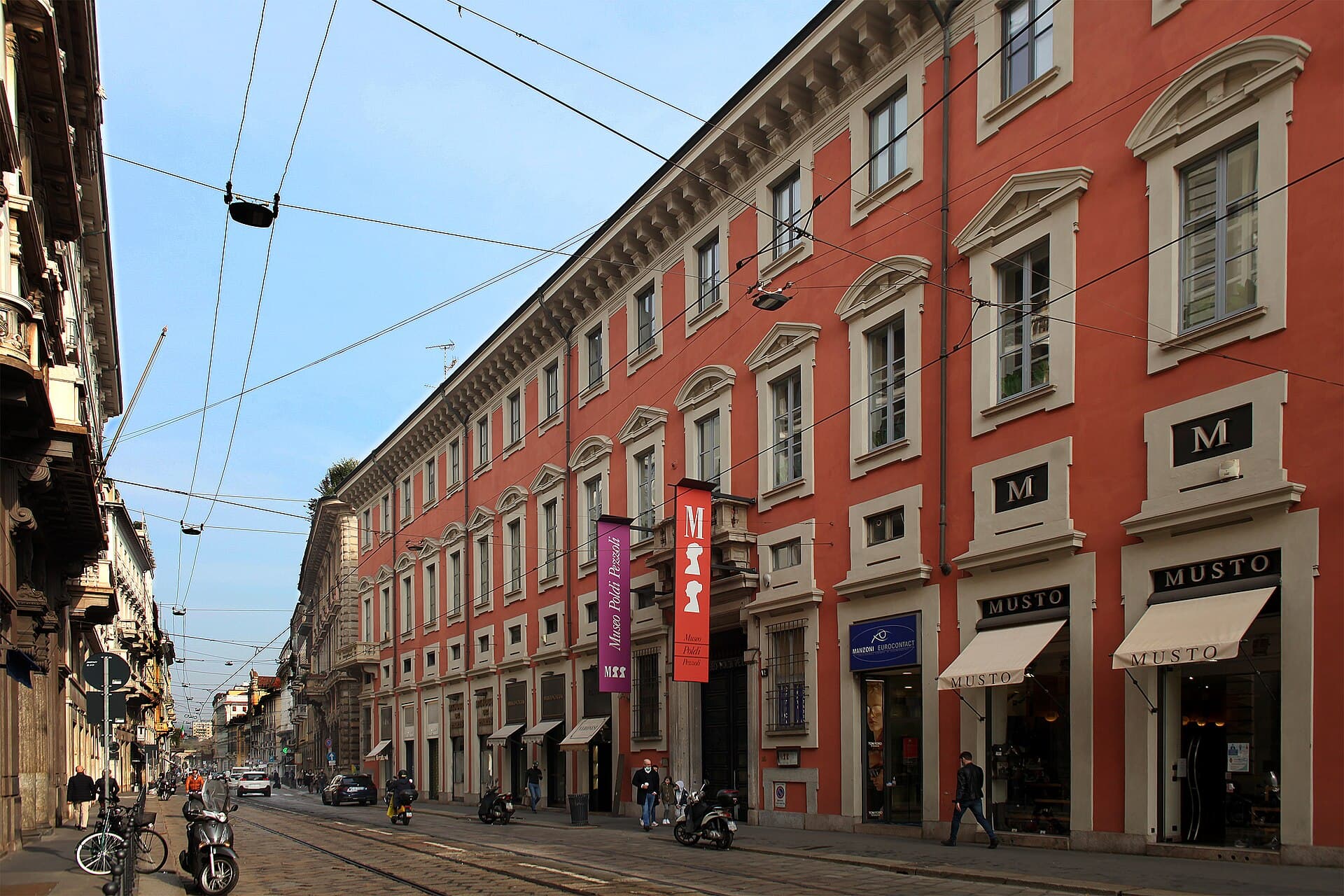 Poldi Pezzoli MuseumThe Poldi Pezzoli is a collector's house become museum — the model later famous 6 minutes walk4.6
Because Milan led the Lombard cities' resistance to Emperor Frederick I's attempt to restore direct imperial authority over northern Italy. After a long siege the city surrendered in 1162 and he ordered its walls and parts of it demolished and its people dispersed into villages. But the Lombard cities then allied in the Lombard League and defeated Barbarossa at the battle of Legnano in 1176, forcing him to recognise their autonomy. These events are a central part of historical memory in northern Italy.
Porta Ticinese, south-west of central Milan, also from the twelfth-century wall, standing today at the entrance to the Navigli district — the canal quarter with its cafés, bars and monthly antiques market. The two together are all that survives of that wall, and most of what is called a gate in Milan is a nineteenth-century triumphal arch rather than an actual gate.