
The palace before the paintings
Parquet floors, chandeliers and neoclassical rooms looking onto the lawns — the building alone justifies the ticket.
Paolobon140 — CC BY-SA 4.0 · Giò Sciarrone — CC BY-SA 4.0 · Guilhem Vellut from Annecy, France — CC BY 2.0 · Giò Sciarrone — CC BY-SA 4.0
Milan has a public garden that adults are not allowed to enter unless a child brings them. The rule is posted on a sign at the gate and the city's volunteer wardens genuinely enforce it: the English garden behind Villa Belgiojoso Bonaparte on Via Palestro is reserved for under-twelves and whoever is accompanying them. The villa itself — Napoleon's residence when he ruled northern Italy — now holds the Galleria d'Arte Moderna, one of the quietest of the city's central museums. The Viennese architect Leopold Pollack built the palace between 1790 and 1796 for Count Ludovico Barbiano di Belgiojoso; it passed to Napoleon and Josephine, and later into Austrian hands. Severely neoclassical outside, inside it has kept its parquet, its chandeliers and its windows onto the lawns — one of the first English-style gardens ever laid out in Milan. The permanent collection is Italian at heart: Francesco Hayez and his romanticism, Giovanni Segantini and his fractured Alpine light, Gaetano Previati, Andrea Appiani, sculpture by Antonio Canova. Alongside them sit two gifts from Milanese collectors — the Grassi bequest of 1956 and the Vismara bequest of 1975 — which brought Van Gogh, Gauguin, Cezanne and Picasso into the rooms. Let us be honest about it: this is not the Pinacoteca di Brera. The big French names are present as one or two canvases, not as a wing, and anyone arriving in Milan with a masterpiece checklist will tick it off elsewhere. The value here is a different thing entirely: half-empty rooms in a city whose museums queue around the block, an unhurried hour in front of paintings nobody is elbowing you away from, and a whole palace to wander for eight euros. With three days in Milan it is a pleasant luxury; with two, skip it without regret. Palestro station on the red metro line is practically at the door, and directly opposite the villa spread the Giardini Indro Montanelli — a large public park anyone may enter, with the natural history museum and the planetarium inside it. The whole visit needs no more than an hour to ninety minutes, and the museum closes on Mondays. Next door stands the PAC, the city's contemporary art pavilion, usually running a temporary show; there is a small cafe in the villa complex, though it does not always keep the museum's hours, and the Montenapoleone fashion quarter is a ten-minute walk away.
Parquet floors, chandeliers and neoclassical rooms looking onto the lawns — the building alone justifies the ticket.
Hayez, Segantini, Previati and Canova, in rooms that are very nearly empty of visitors.
Two Milanese collectors left the city works by Van Gogh, Gauguin, Cezanne and Picasso — few in number, but startling in this setting.
Via Palestro 16, 20121 Milan, Italy
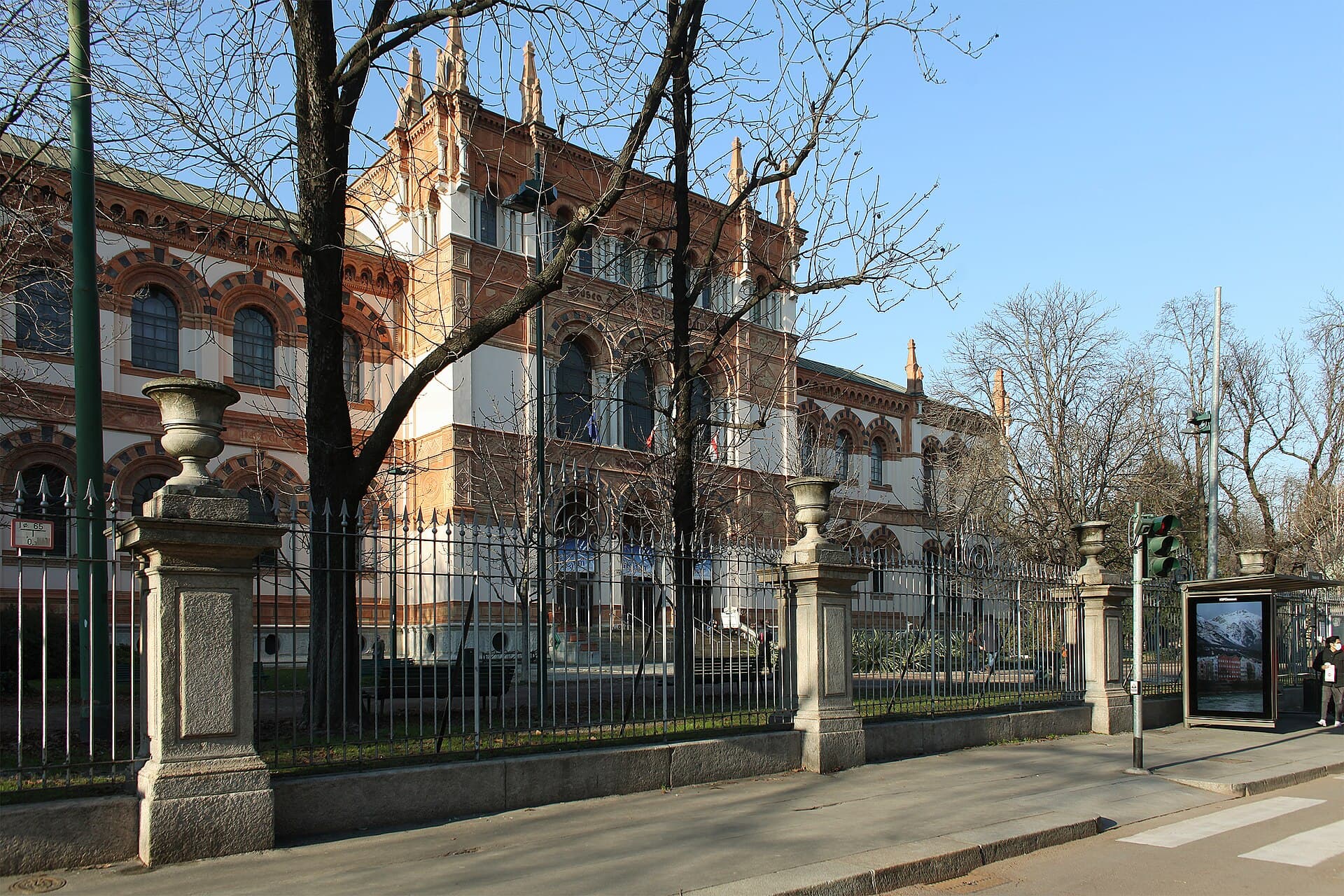 Milan Natural History MuseumIn 1943 a bomb fell on this building and the fire that followed burned for three3 minutes walk4.6
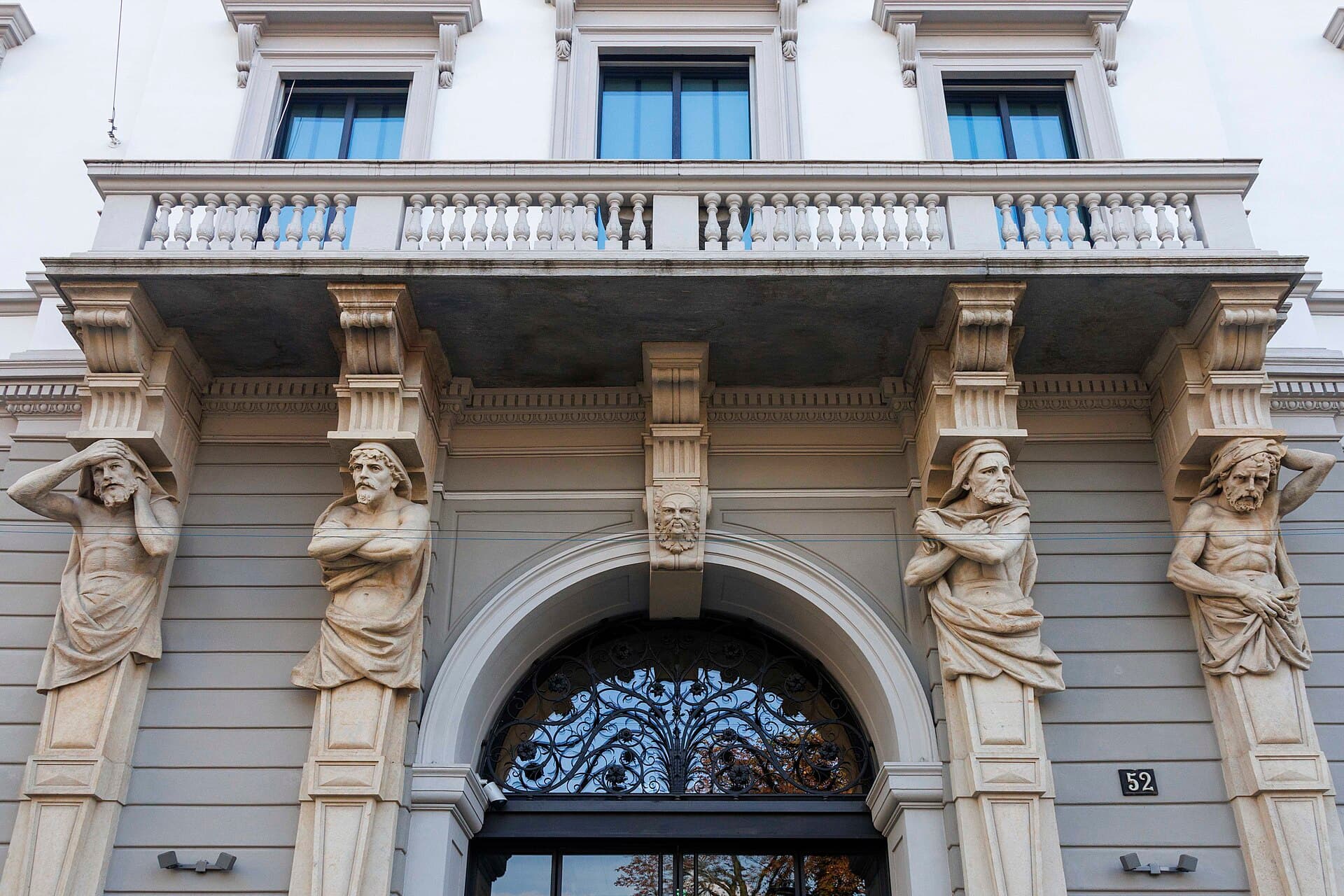 Fondazione Luigi RovatiWalk down a short flight of stairs below Corso Venezia and Milan vanishes above 5 minutes walk4.8
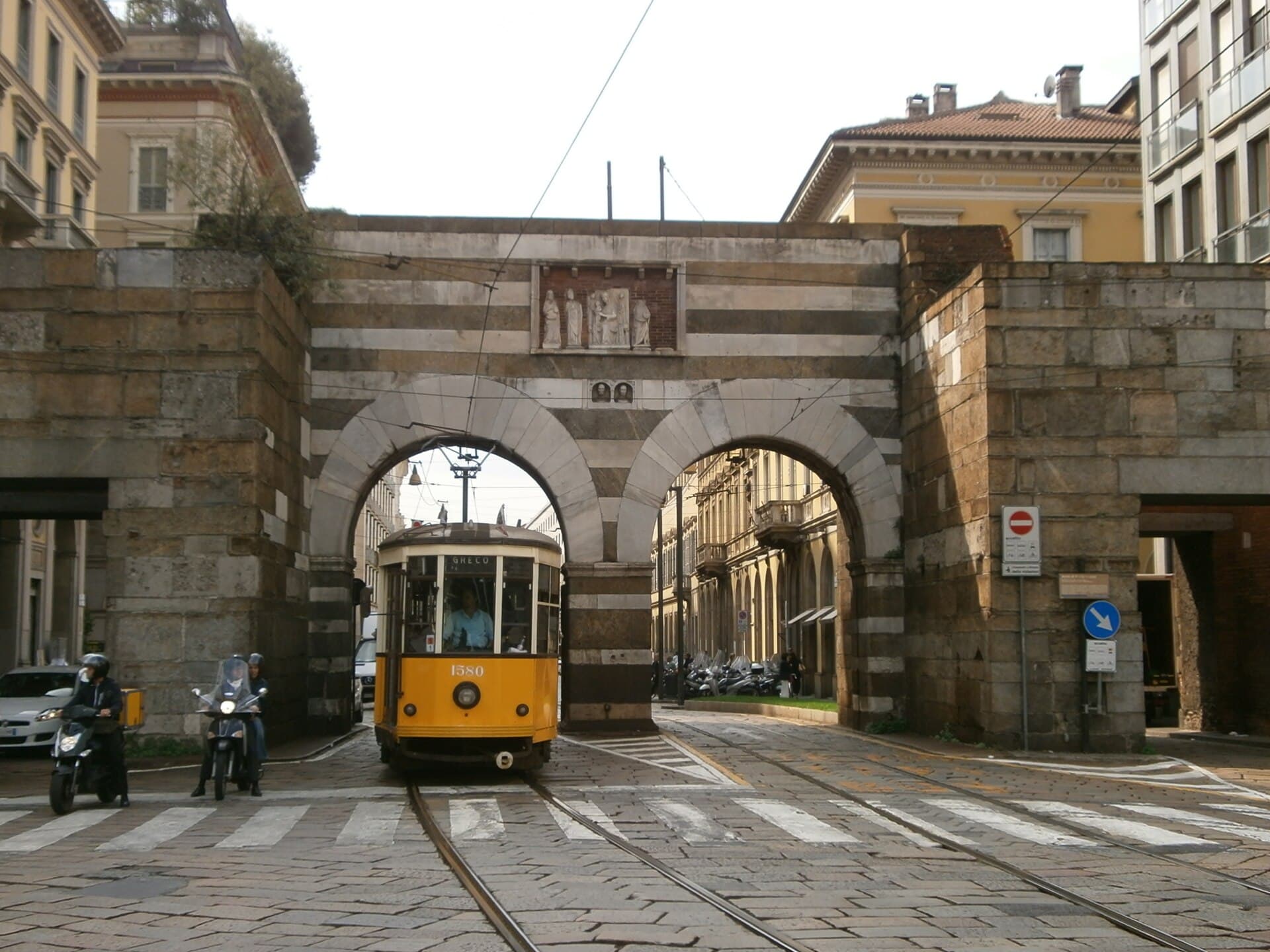 The Arches of the Old Porta NuovaA medieval gate in central Milan, built in 1171 as part of the city wall, and on5 minutes walk4.2
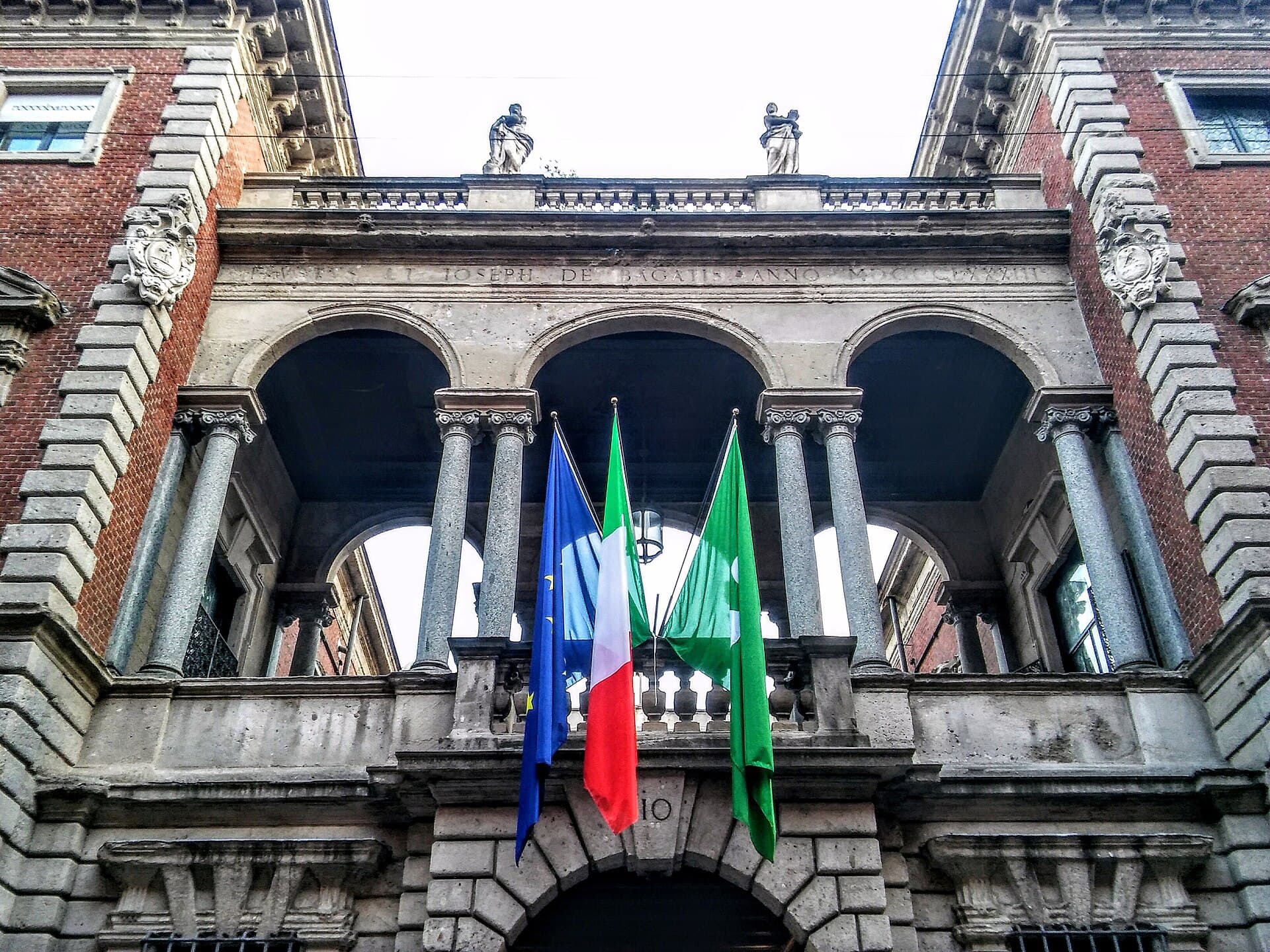 Bagatti Valsecchi MuseumThe house of two brothers who lived as if in the sixteenth century: Fausto and G6 minutes walk4.8
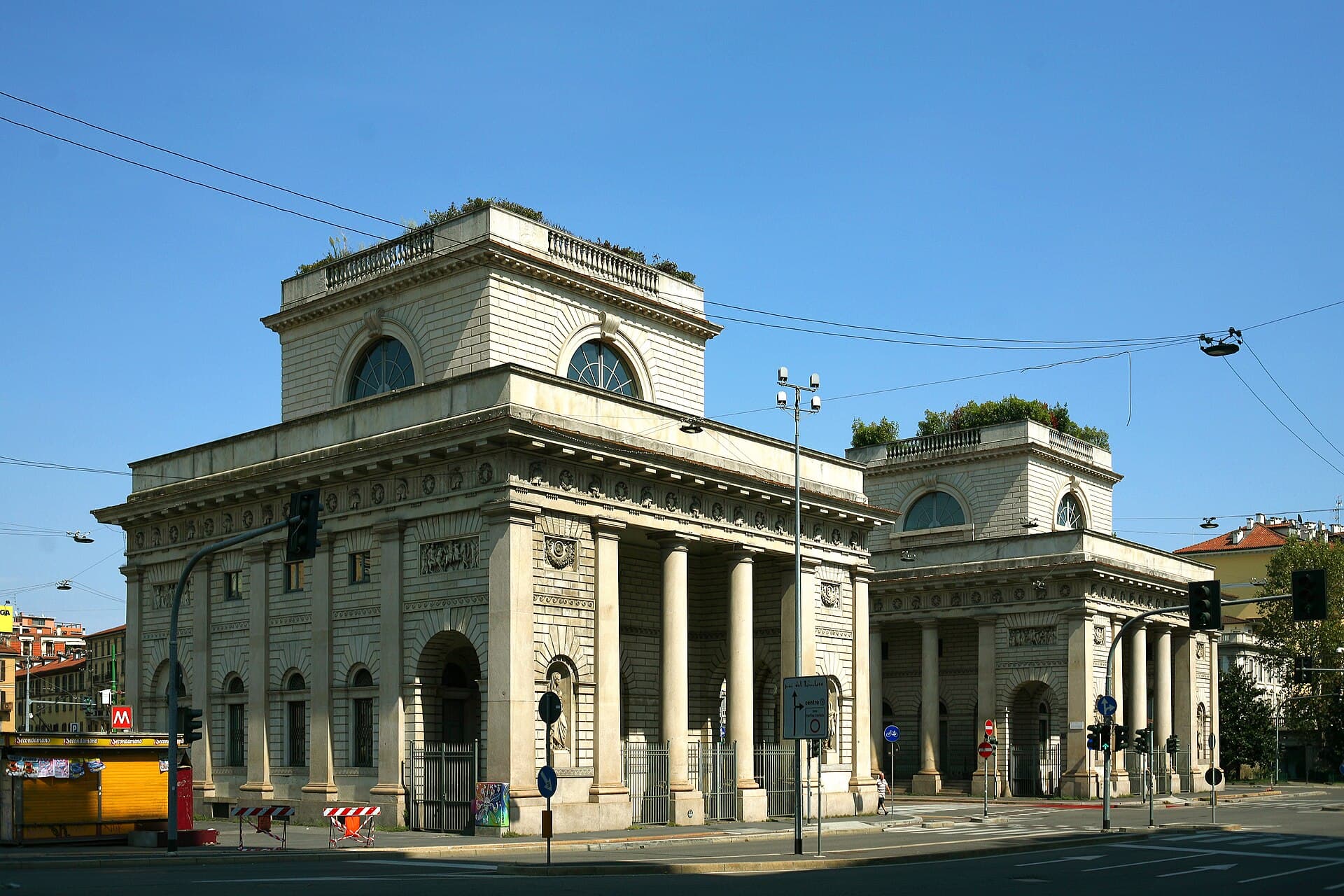 Porta VeneziaAn early nineteenth-century city gate east of central Milan, two facing classica6 minutes walk4.3
If you want density of masterpieces, no; Brera covers the same century in more depth and with more famous names, and there is no point repeating it. Come here for something else: the palace itself, the quiet, and the Segantini and Previati canvases that get short shrift elsewhere. Eight euros and one hour is a good deal if you have spare time, and no loss at all if you do not.
The gallery itself, no — it is a quiet painting museum and small children will be finished with it in half an hour. The block around it, though, is practically built for them: the villa garden is reserved for under-twelves and the adults with them, and across the street the Giardini Montanelli hold the natural history museum and the planetarium. The smart plan is to take turns — half an hour in the galleries for one parent, the garden for everyone else.