
The Five Days
The 1848 uprising in which Milan's people expelled the Austrian garrison began here.
Phyrexian — Public domain · Catlemur — CC BY-SA 4.0 · Catlemur — CC BY-SA 4.0 · Catlemur — CC BY-SA 4.0
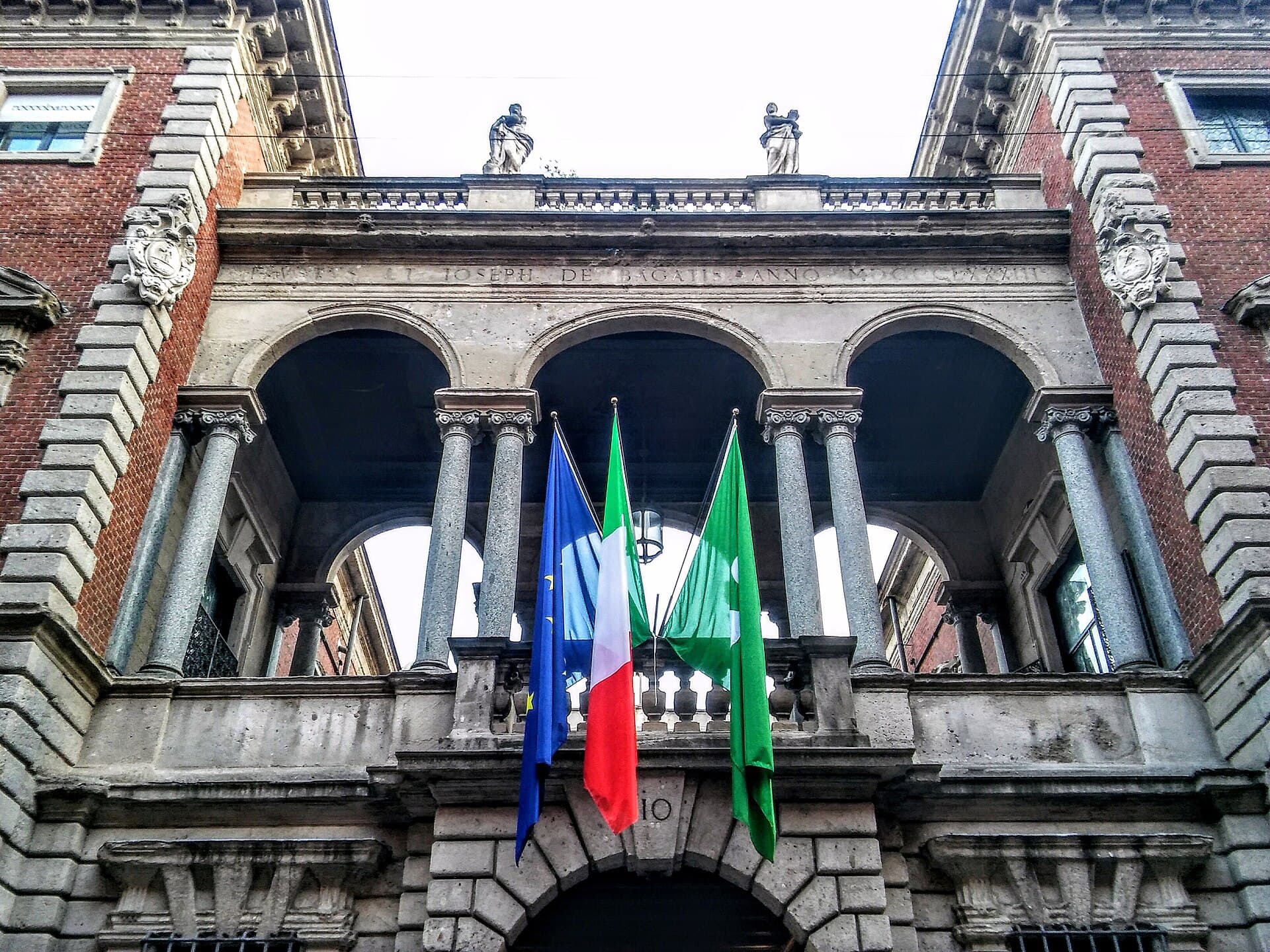
A museum telling the story of Italy's nineteenth-century unification, in the Palazzo Moriggia in Milan's Brera district. The Risorgimento is the movement that turned the Italian peninsula from a set of kingdoms, statelets and Austrian-ruled lands into a single country. That story is essential to understanding modern Italy, and Milan was at its heart: the Five Days uprising of 1848, when the city's people drove out the Austrian garrison, began here. The displays are documents, weapons, flags, paintings and personal effects of the movement's figures, including possessions of Giuseppe Garibaldi, the commander who unified the south. The palace itself is eighteenth century, with a staircase and rooms worth looking at. You should know the subject assumes prior knowledge: anyone who knows nothing of Italian history will find the names and dates dense. Labelling is primarily Italian and you may not find full translation. It sits in Brera, among Milan's most attractive districts, so the visit folds into a walk through the area.
The 1848 uprising in which Milan's people expelled the Austrian garrison began here.
Personal effects of the commander who unified the Italian south.
A staircase and rooms worth looking at in themselves.
Palazzo Moriggia, Brera district
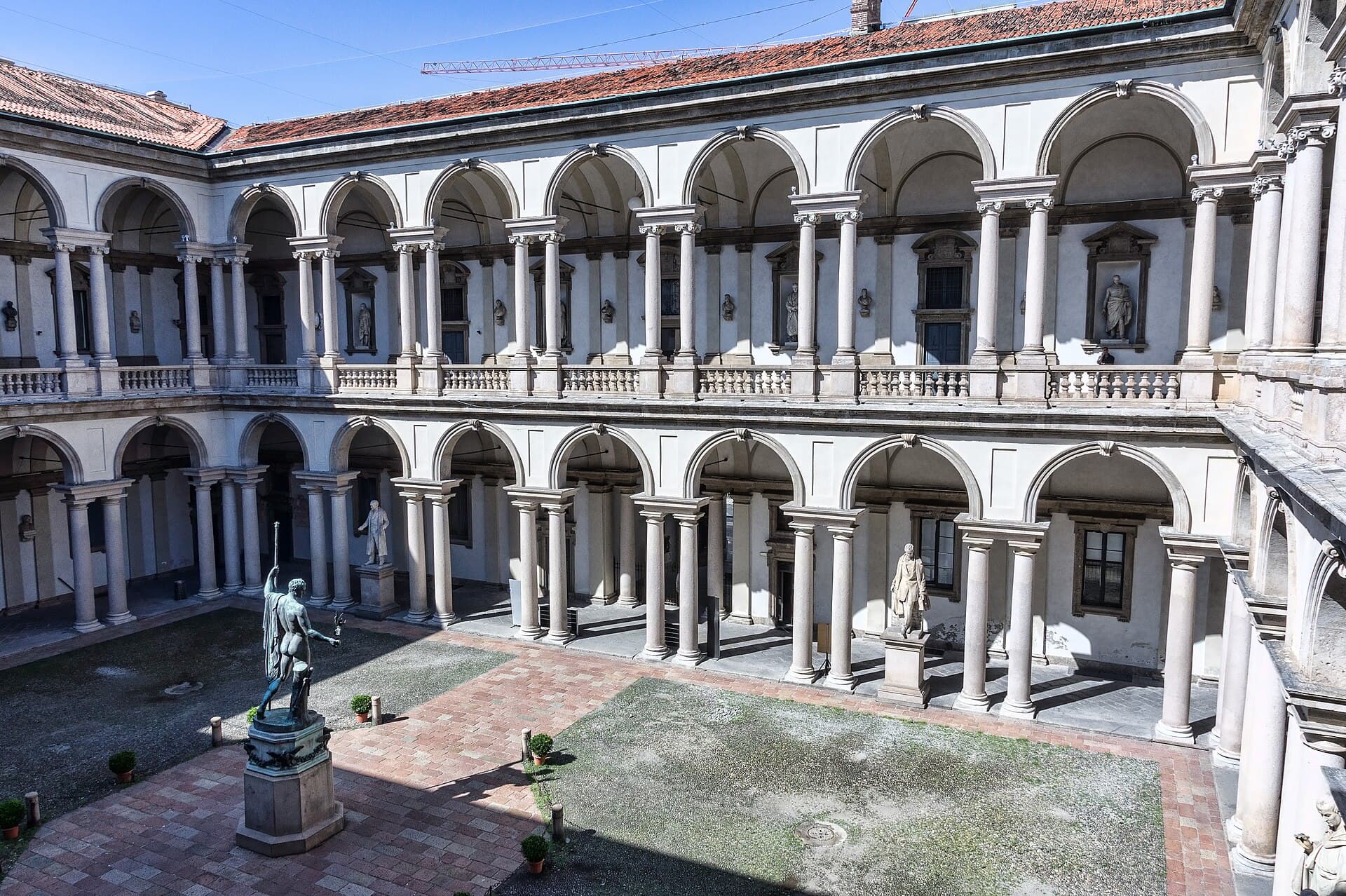 Pinacoteca di BreraThe Brera is Milan's greatest art museum and one of Europe's majors: in a palazz2 minutes walk4.6
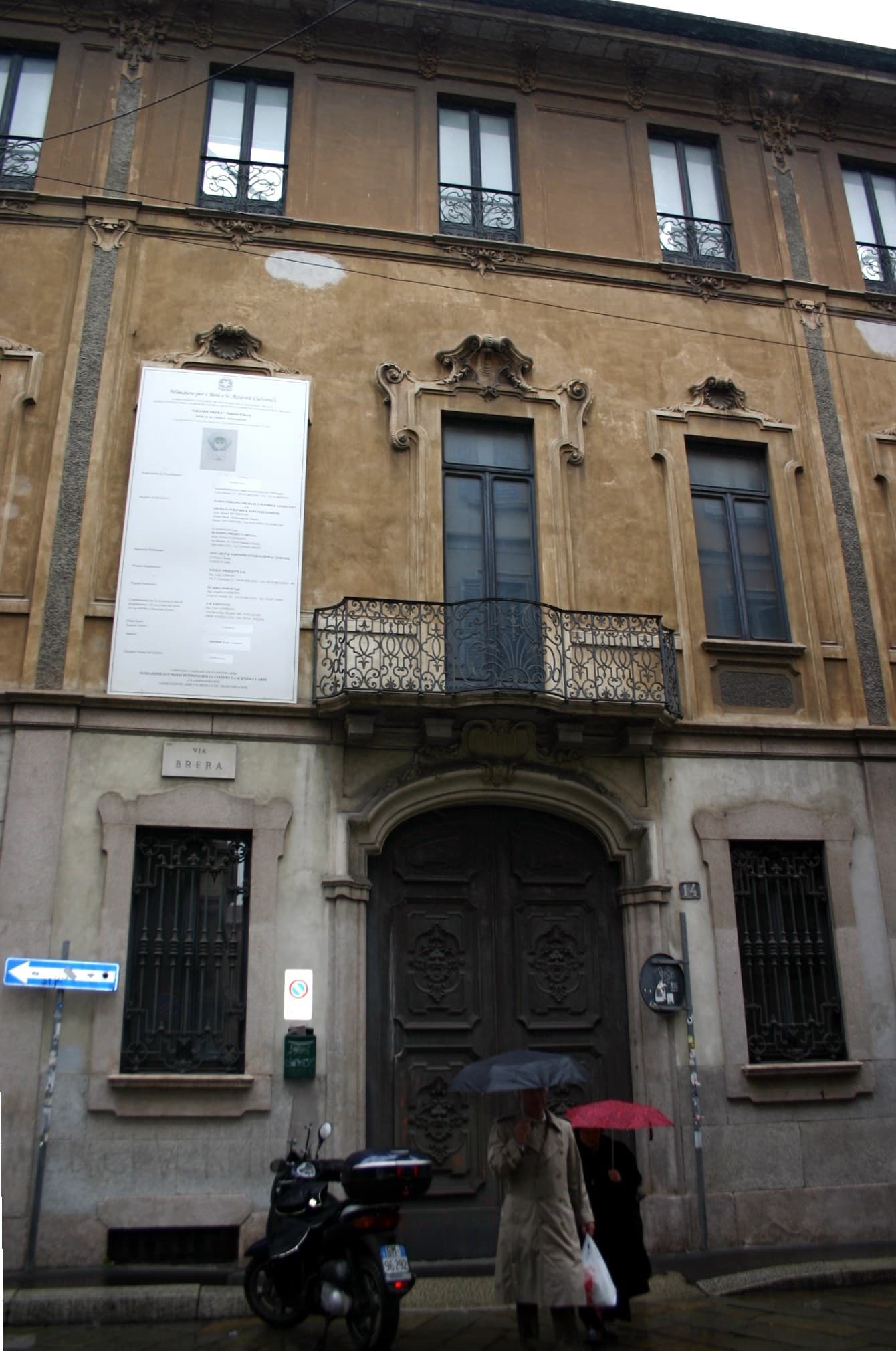 Palazzo CitterioIn 1972 the Italian state bought an eighteenth-century palace on Via Brera and p3 minutes walk4.5
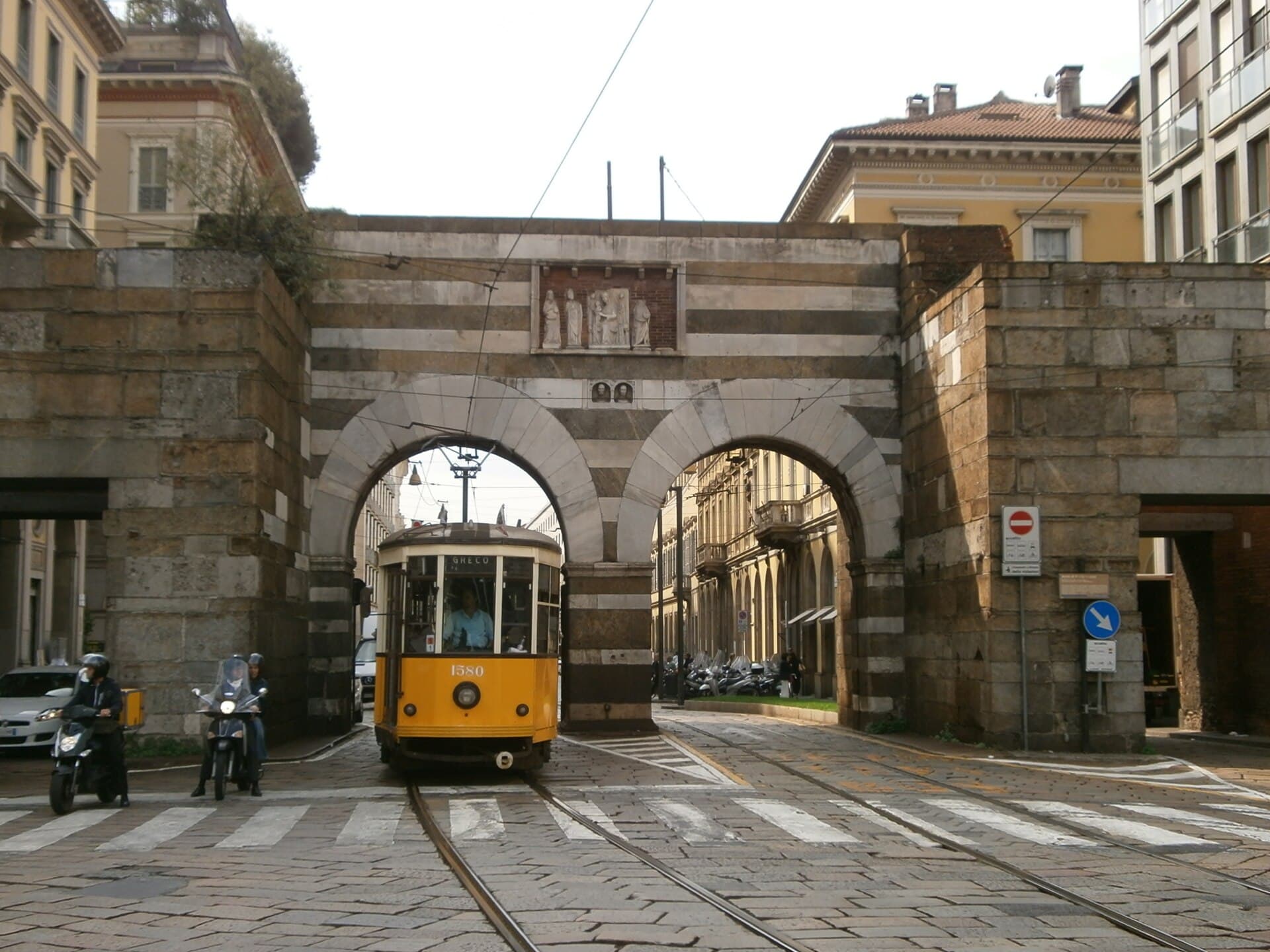 The Arches of the Old Porta NuovaA medieval gate in central Milan, built in 1171 as part of the city wall, and on5 minutes walk4.2
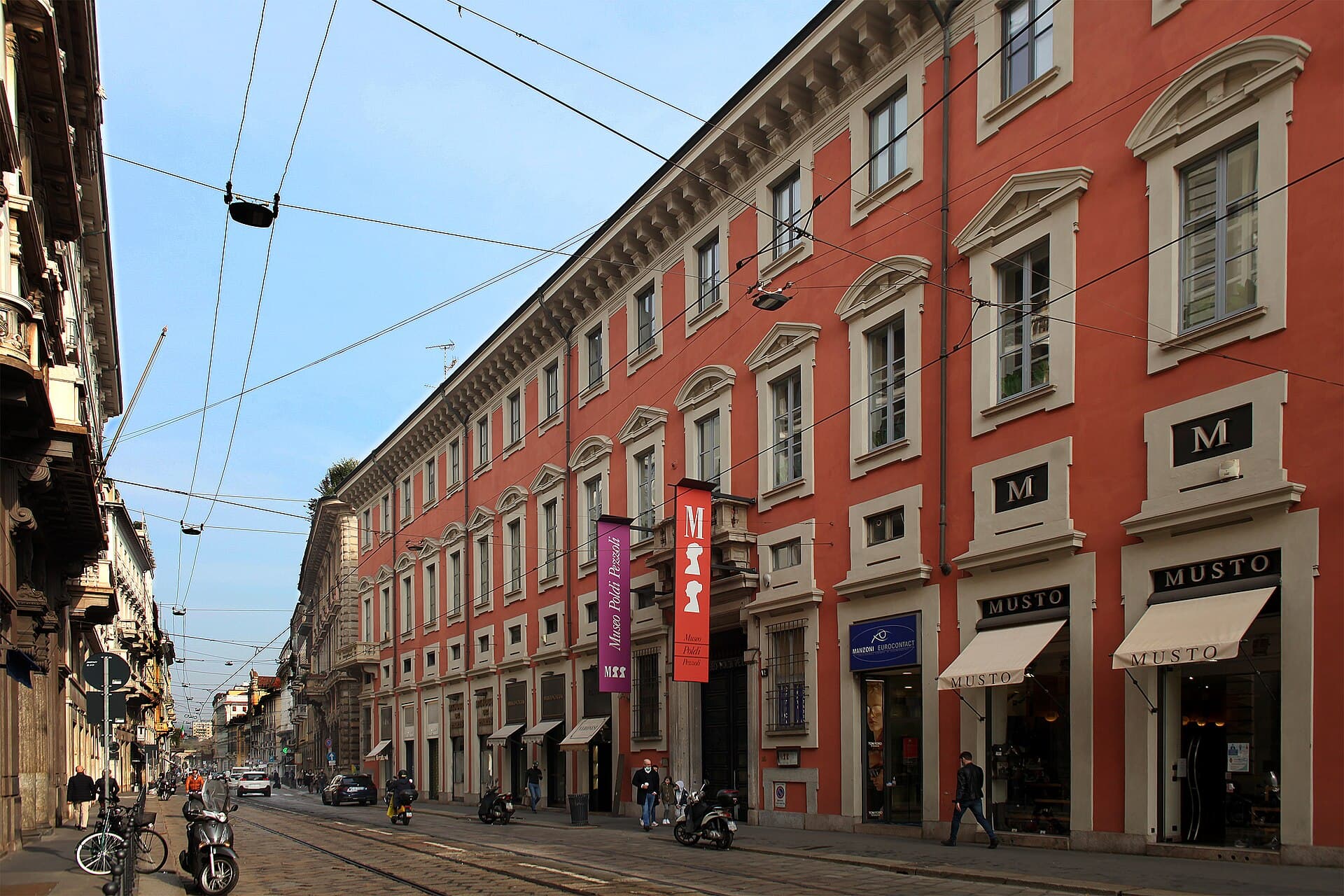 Poldi Pezzoli MuseumThe Poldi Pezzoli is a collector's house become museum — the model later famous 5 minutes walk4.6
 Bagatti Valsecchi MuseumThe house of two brothers who lived as if in the sixteenth century: Fausto and G7 minutes walk4.8
With difficulty. The displays are documents, flags and names that assume you know who Cavour and Garibaldi were and what the Kingdom of Sardinia was. If you are interested, read a short summary of the Risorgimento before going in — an hour's reading doubles the value of the visit.
The Pinacoteca di Brera is minutes away and among Italy's most important painting collections, and the Brera botanical garden behind it is quiet and free or nominal. The district itself, with its narrow streets and cafés, is among the best walking in Milan, so make the museum a point on a walk rather than a separate destination.